
Last updated November 18, 2026
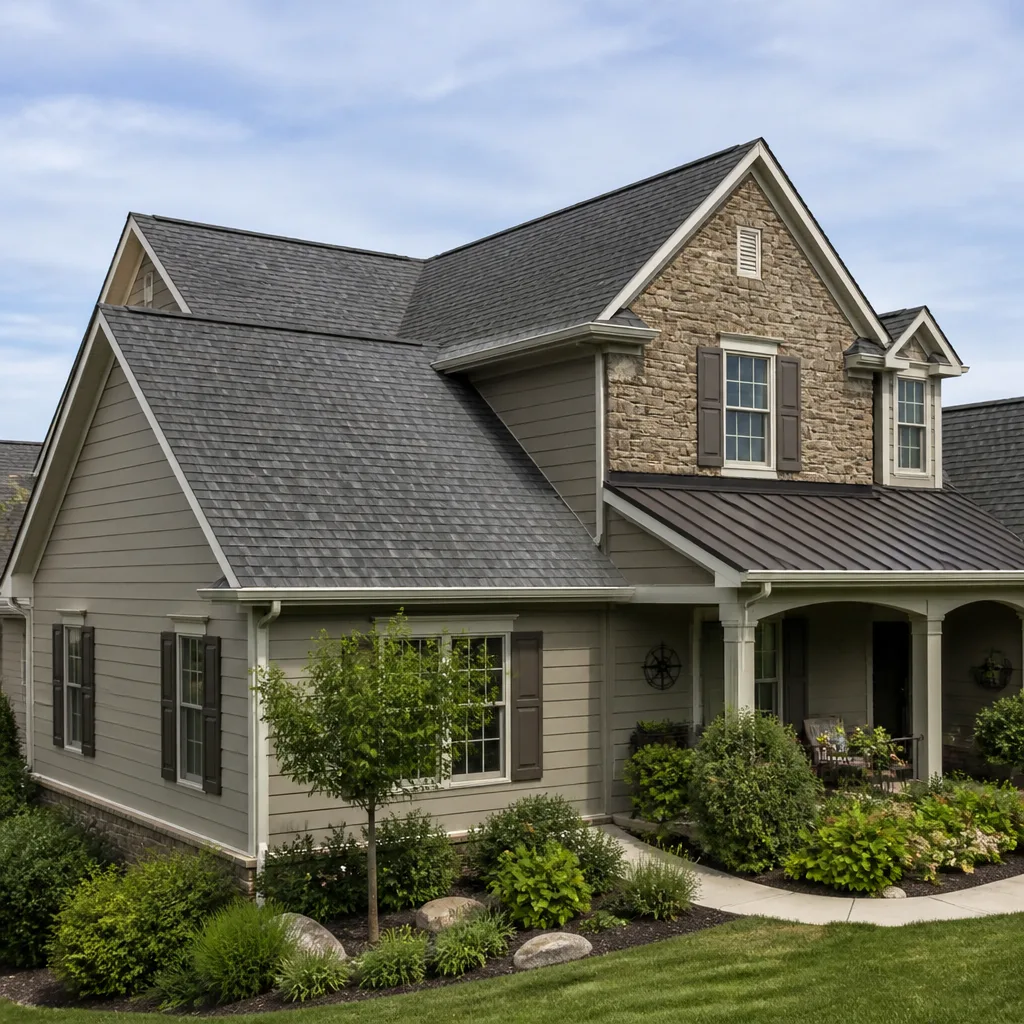
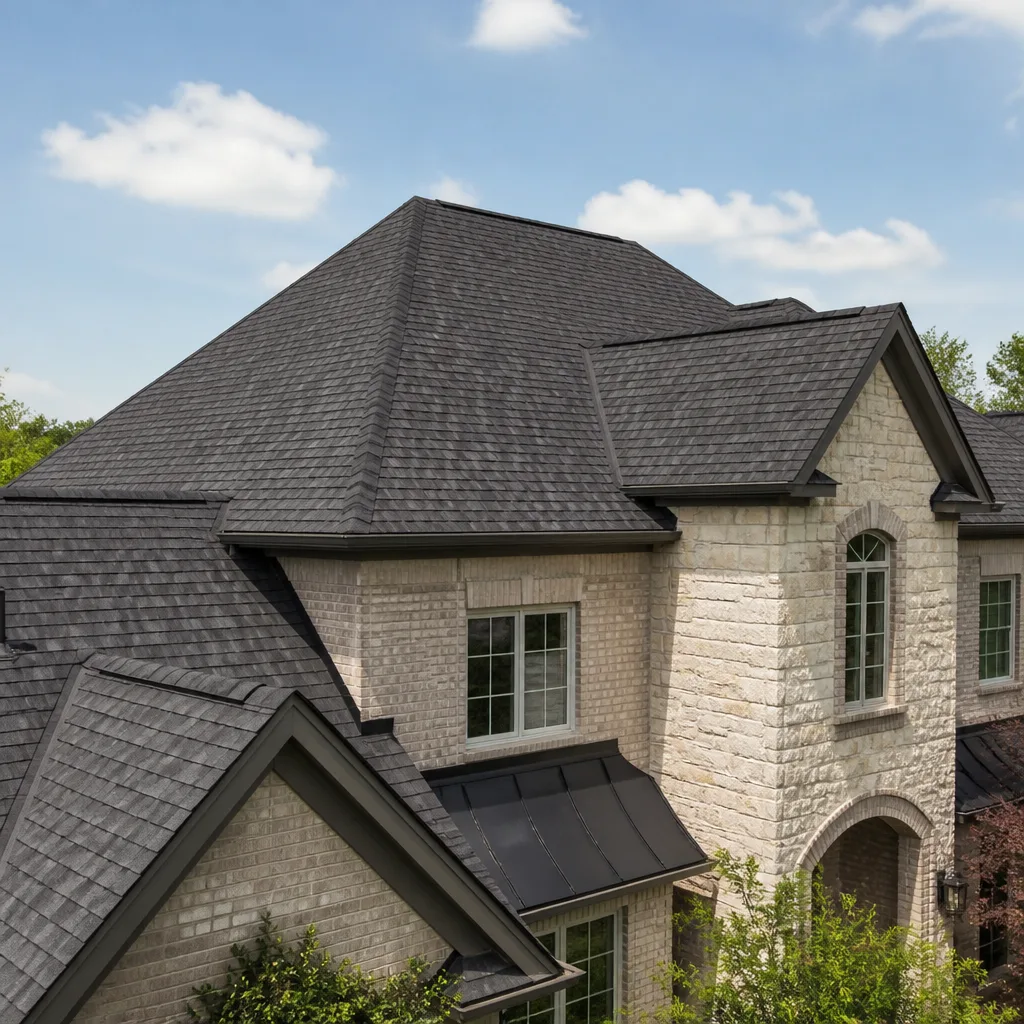 Architectural shingles
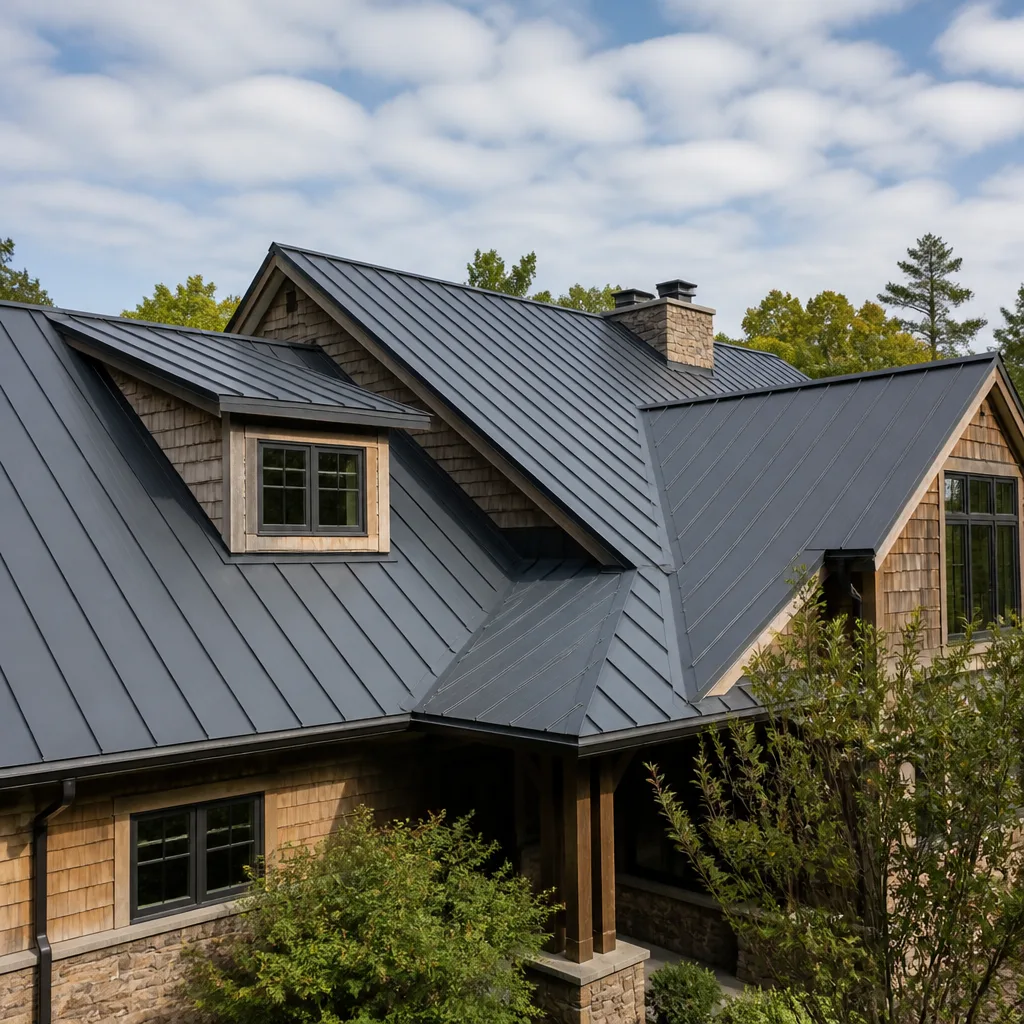 Metal roofing
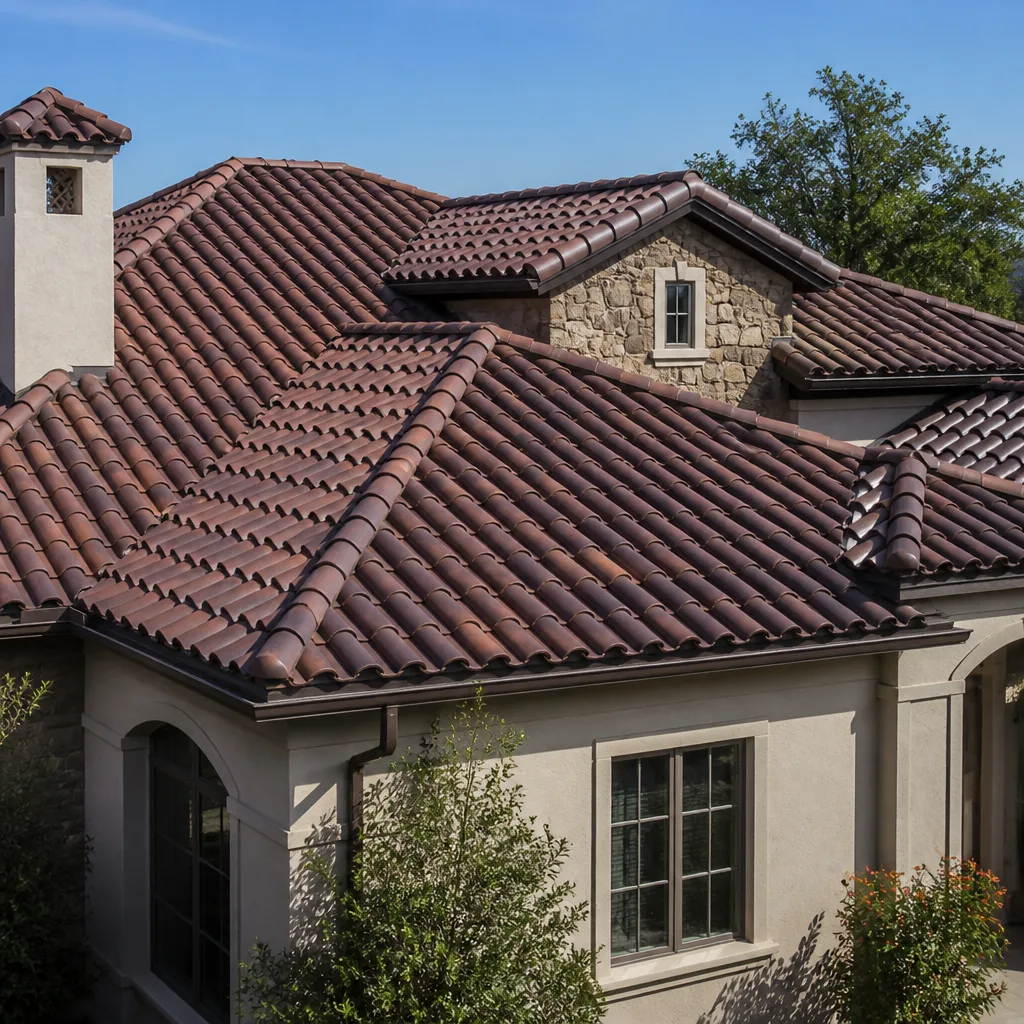 Tile roofing
 GAF
 Owens Corning
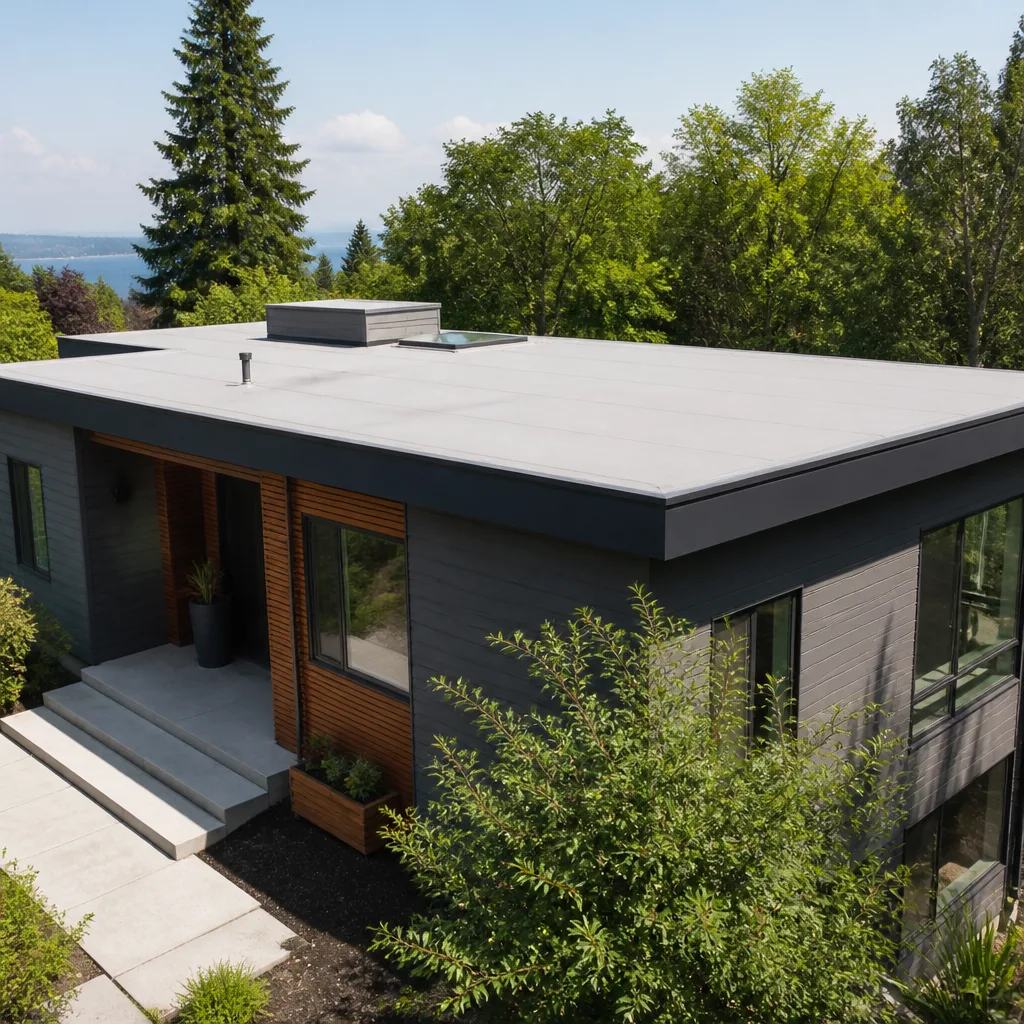 Flat & low-slope
Free roof inspection with deck photos before we talk money - GAF and Owens Corning certified installation
Roof Repair Maintenance Schedule: What to Do and When
The best time to find a loose flashing on a Summerlin home is June. The worst time to find out you have one is July 14th at 3pm during a monsoon thunderstorm. The difference between those two outcomes is a 90-minute inspection, not a full crew. Most maintenance calendars you’ll find online are written for a generic American suburb and then decorated with a city name. Summerlin doesn’t fail that way. It has two distinct threat seasons – a heat-and-UV summer that bakes and expands everything on the roof, and a monsoon stretch that throws water sideways against flashing that was fine the day before. This guide walks you through a schedule built around the moments when roofs here actually fail, what to check yourself and what needs boots on the roof.
Quick Answer
Inspect a Summerlin roof at least twice a year: a pre-monsoon check in May or June, and a post-monsoon walk-through in October. Between those two, do a quick ground-level look after any big heat spike and again after the first hard rain. The pre-monsoon inspection is the one that matters most – it catches loose flashing, dried sealant, and fasteners that backed out during spring thermal expansion before the water finds them.
Styles & brands we work with
- Architectural shingles
- Metal roofing
- Tile roofing
- GAF
- Owens Corning
- Flat & low-slope
Table of Contents
- Why Summerlin Roofs Have Two Threat Seasons
- The Pre-Monsoon Checklist (May-June)
- The Spring Thermal-Expansion Check
- The Post-Monsoon Walk-Through (October)
- What You Can Safely Eyeball From the Ground
- How to Build a Photo Log for Warranty and Insurance Claims
- Common Mistakes to Avoid
- When to Call a Professional
Why Summerlin Roofs Have Two Threat Seasons
Summerlin sits at the edge of the Mojave, and the roof over your house takes two very different beatings each year. From roughly May through September, surface temperatures on a dark shingle roof or a metal panel can run well past 150 degrees. That heat does two things. It dries out the sealant around flashing and vent boots until it cracks, and it forces every material on the roof to expand. Then the roof cools at night and contracts. Multiply that cycle by 100-plus days and things loosen. Fasteners back out a quarter turn. Ridge caps lift. Seams open by a hair.
Then monsoon season arrives, usually late June through September, and it doesn’t drizzle. It dumps a month of rain in an hour and drives it sideways with wind. Water that never had a path into your attic suddenly has one, because the sealant that held in April is gone by July. This is why a Summerlin roof maintenance schedule that only says “inspect in spring” misses half the problem. Our Shepherd & Sons Roofing Summerlin home approach treats these as two separate checks for a reason.
There’s a third factor specific to neighborhoods here – the mix of architecture. You’ll find concrete tile and clay tile roofs in The Ridges and Red Rock, TPO flat roofs on modern contemporary builds around The Summit, and asphalt shingle on a lot of the older sections off Town Center Drive. Each one ages on a different curve. The schedule below works for all of them, but the failure points differ, and we call those out as we go.
The Pre-Monsoon Checklist (May-June)
This is the inspection that earns its keep. Get it done in May or the first week of June, before the first real monsoon cell rolls over the Spring Mountains. Here’s the exact list our crew runs through on a Summerlin home – not a generic “give your roof a look,” these are the eight items where we find problems in this climate.
- Pipe boots and vent collars. The rubber boot around plumbing vents is the number-one leak source in Summerlin. UV cooks that rubber until it splits. We check every boot for cracking and re-seal or replace as needed.
- Flashing at walls and chimneys. Step flashing and counter-flashing at the wall-line, and around the chimney if you have one. Sealant shrinks in the heat; gaps show up here first.
- Valley condition. Where two roof planes meet, the valley takes the heaviest water flow on the whole roof. We check that the valley metal or membrane is intact and clear of debris.
- Loose or lifted shingles. Adhesive strips fail after a hot summer. Any shingle that’s curling or lifting at the edges is a monsoon target.
- Fastener tightness on metal and tile. Screws and clips that backed out over the winter need re-tightening before wind-driven rain gets behind the panel or tile.
- Ridge cap and hip cap. These get the most sun and the most thermal movement. Lifted caps let water straight into the ridge.
- Granule loss on asphalt shingles. Run your eyes down the downspout lines and the gutters – heavy granule accumulation means the shingle is wearing faster than its age suggests.
- Gutter and downspout flow. Clogged gutters back water up under the eave. In a monsoon storm that backup finds the fascia and the wall cavity fast.
If your roof is concrete tile or clay tile, the items that matter most shift a little – cracked or slipped tiles and the underlayment are the things we watch, because the tile itself is the rain screen and the underlayment is what actually stops water. On flat TPO roofs, it’s the seams and the drain scuppers that need attention before the rain. When we do roof repair in Summerlin, the pre-monsoon inspection is where most of the small fixes get caught while they’re still small.
The Spring Thermal-Expansion Check
There’s a specific window most maintenance schedules ignore: the two to three weeks after the first hard heat spike of spring, usually late April into May, when temperatures jump from the 70s into the upper 90s for several days straight. That first big spike is when a roof’s materials move the most they’ll move all year. Everything that was snug at 60 degrees is suddenly pushing against a neighbor. That’s when fasteners and ridge caps need attention.
What we look for during this check:
- Backed-out fasteners on metal panels and tile clips – a screw that worked a quarter-turn loose over winter can come much further loose after the first 95-degree day.
- Ridge and hip cap movement – caps that were flush in March can lift a fraction of an inch by mid-May as the deck and the cap expand at different rates.
- New cracks in sealant – sealant that survived the winter can crack the first time the flashing expands against the stucco or the siding.
- Lifted shingle tabs – a shingle that gets hot and pliable in the afternoon sun and then cools fast can curl at the edges, and curled edges lift in wind.
This is a short inspection, maybe 30 to 40 minutes on a standard Summerlin home, and it’s the one that prevents most of the mid-July calls we get. The cost of a small repair now versus a repair plus interior drywall and insulation after a storm – that gap is wide. That’s the whole reason this check exists on the schedule.
The Post-Monsoon Walk-Through (October)
By October, the monsoon has done whatever it was going to do. The job now is to find the damage before it turns into a slow leak that stains your ceiling in December. What we look for depends on the roof type, and this is where a lot of homeowners get caught off guard, because concrete tile and TPO flat roofs fail in very different ways after a stormy season.
On concrete tile and clay tile: monsoon hail and wind-driven debris are the story. Hail doesn’t always crack tile – sometimes it chips the surface or knocks a tile loose from its clip. Flash-flood debris washing across a low-slope section can clog a valley, and water that pools behind a clogged valley can lift tiles over time. We look for cracked, slipped, or missing tiles, and we look at the underlayment where a tile is missing, because that’s where a leak starts.
On TPO flat roofs: the concern is standing water and seam separation. Monsoon pooling leaves standing water in low spots, and heat plus water is hard on seams. We check the seams, the flashing around penetrations (HVAC units, skylights, drains), and that the drains and scuppers are clear. A TPO roof that took on water and never drained properly is a mold risk in the attic space.
On asphalt shingle: wind is the enemy. A monsoon microburst can tear tabs off an exposed slope, and the tear is often at a corner where you’d never see it from the ground. We check every slope face, and we check for granule loss accelerated by rain hitting a hot roof.
This October walk-through is also when we take the “after” photos for the photo log described further down. If you ever need to make a homeowners insurance claim, a clean before-and-after record from a licensed roofer carries real weight.
What You Can Safely Eyeball From the Ground
Here’s the honest answer on DIY: a lot of what matters can be checked from the ground with binoculars and a walk around the house, and that’s where a homeowner should stop. Walking a Summerlin roof – especially tile or a steep shingle pitch – is a fall risk, and a fall off a two-story roof is a genuinely serious injury. We’ve seen homeowners crack tiles just by stepping on them. So here’s the safe list.
Safe from the ground:
- Visible shingle damage – curled, lifted, or missing tabs, using binoculars from a distance.
- Granule accumulation at the bottom of downspouts and in the yard under the eaves.
- Gutter condition and whether downspouts are flowing or backing up.
- Visible cracks or slipped tiles (you can often see these from a distance on a tile roof).
- Sagging or staining on the underside of the roof deck, if you have attic access – look at the sheathing from inside for water stains or daylight.
- Any obvious flashing gap at the wall where you can see it from a ladder placed safely on flat ground (not on the roof).
Needs boots on the roof:
- Pipe boot condition up close – you can’t assess rubber cracking from the ground.
- Valley condition and whether it’s clear.
- Fastener tightness on metal and tile.
- Ridge and hip cap seating.
- Underlayment condition beneath tile.
- Seam condition on TPO and flat roofs.
If you’re not comfortable on a ladder, that’s fine – a ladder fall is just as bad as a roof fall. The ground-level look is genuinely useful for spotting when something changed. The rest is what a professional inspection is for.
How to Build a Photo Log for Warranty and Insurance Claims
A photo log is the cheapest insurance a homeowner has, and almost nobody keeps one. If a leak turns into a claim – either against a workmanship warranty or against your homeowners policy – the difference between “the roof was fine last month” and “here’s a dated photo of the roof from last month” is often the difference between a covered claim and a fight. Here’s a simple system any Summerlin homeowner can keep.
- Pick four dates a year. Two coincide with the inspections (May/June and October). Two are quick ground-level looks – one after the first heat spike, one after the first hard rain. Four photo sessions, four folders.
- Shoot the same angles every time. Front elevation, back elevation, each side, and a close-up of any past repair area. Same spot, same angle, every time. Consistency is what makes the comparison useful.
- Include a date stamp. Most phones will burn a date into the photo, or you can name the folder with the date. Undated photos are worth far less in a claim.
- Keep a simple written note. One line per session: “May 2026 – pipe boot at front looked cracked, called for a look.” That note is the timeline an adjuster wants.
- Get the professional inspection documented too. When a licensed roofer inspects, ask for the inspection report and photos in writing. That document is worth more than your own photos because it carries a license behind it.
If you ever file a warranty claim, you want to show the roof’s condition before and after the work, and that the roof was maintained. A photo log proves all three. It’s a 15-minute habit four times a year.
See the difference
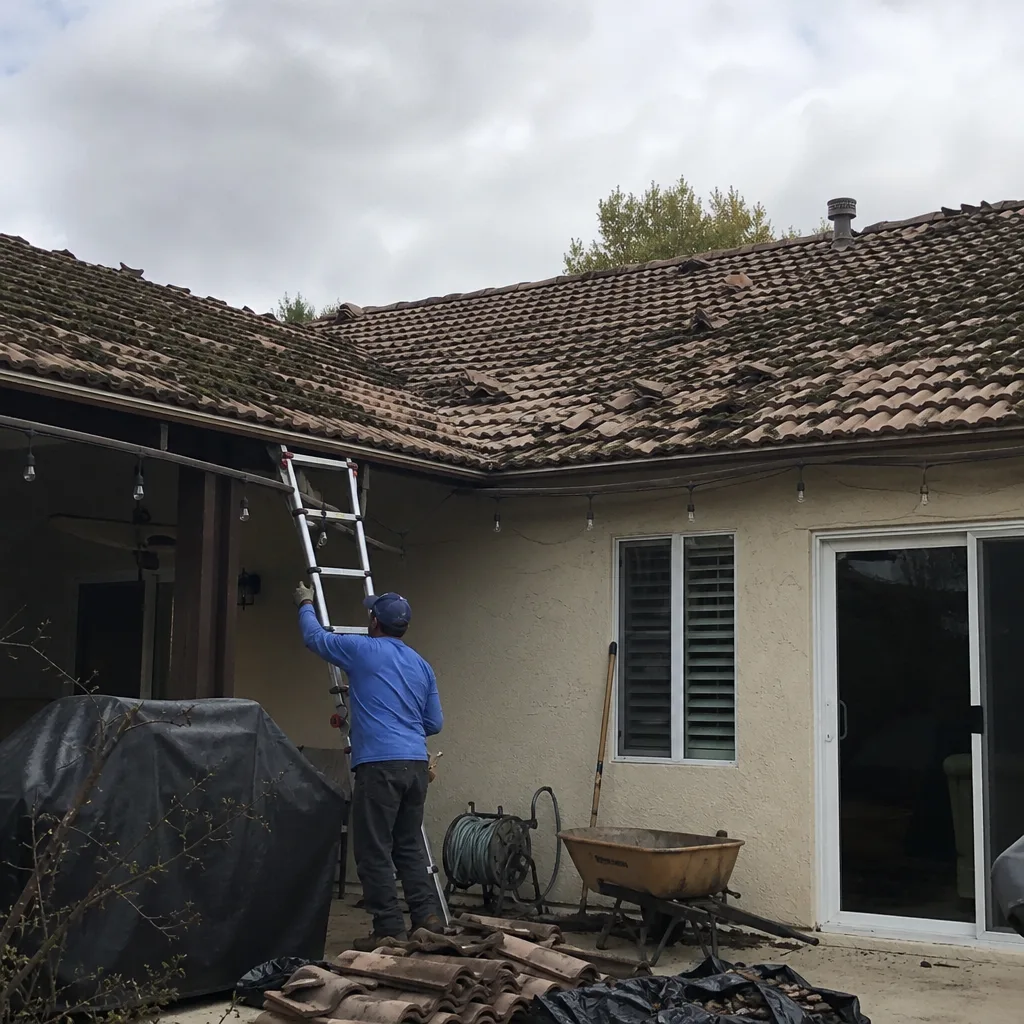 Before
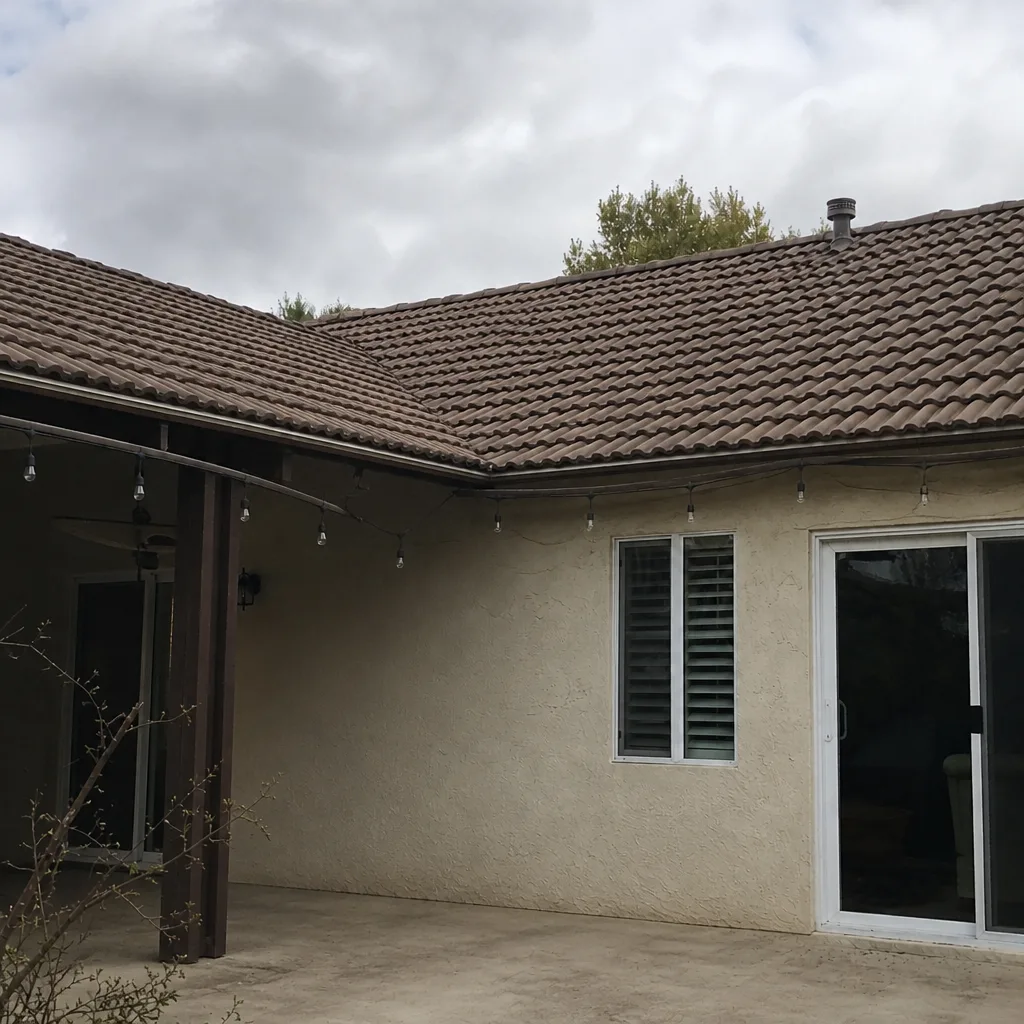 After
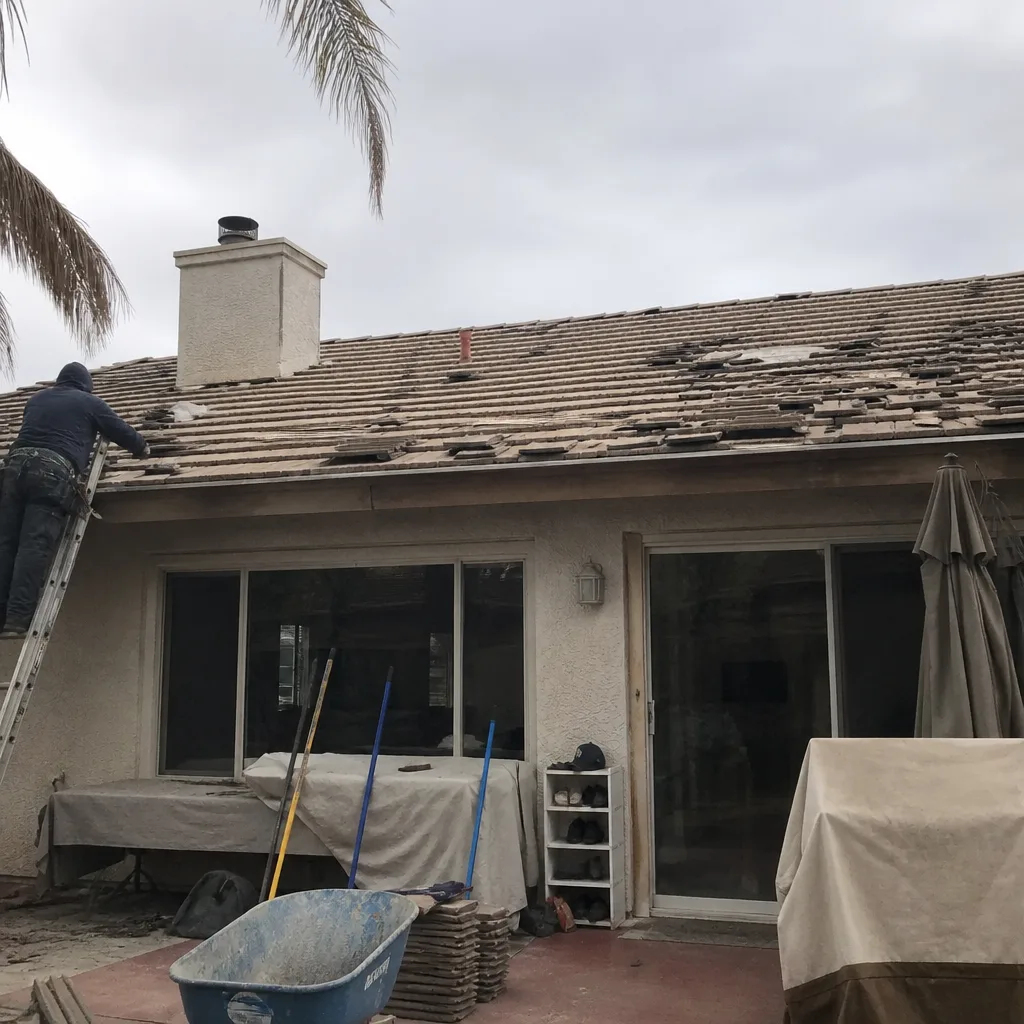 Before
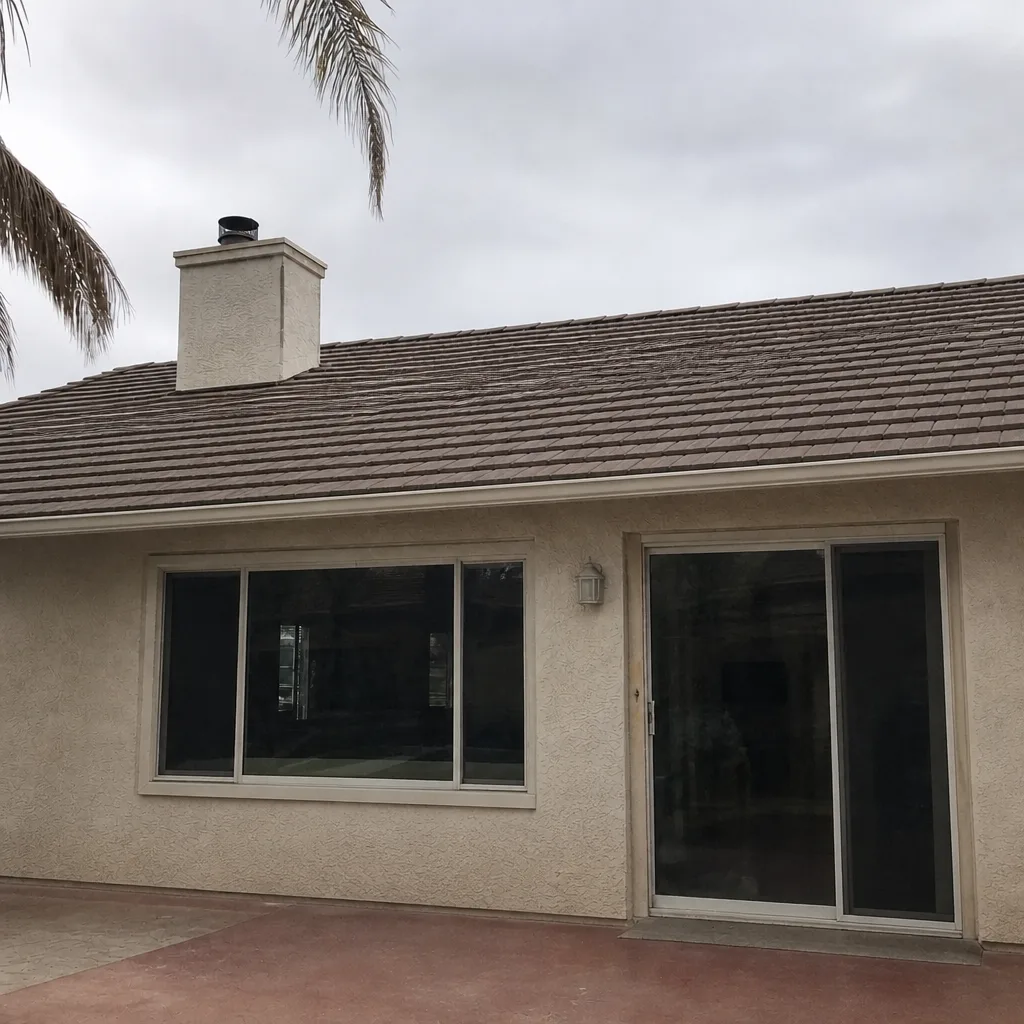 After
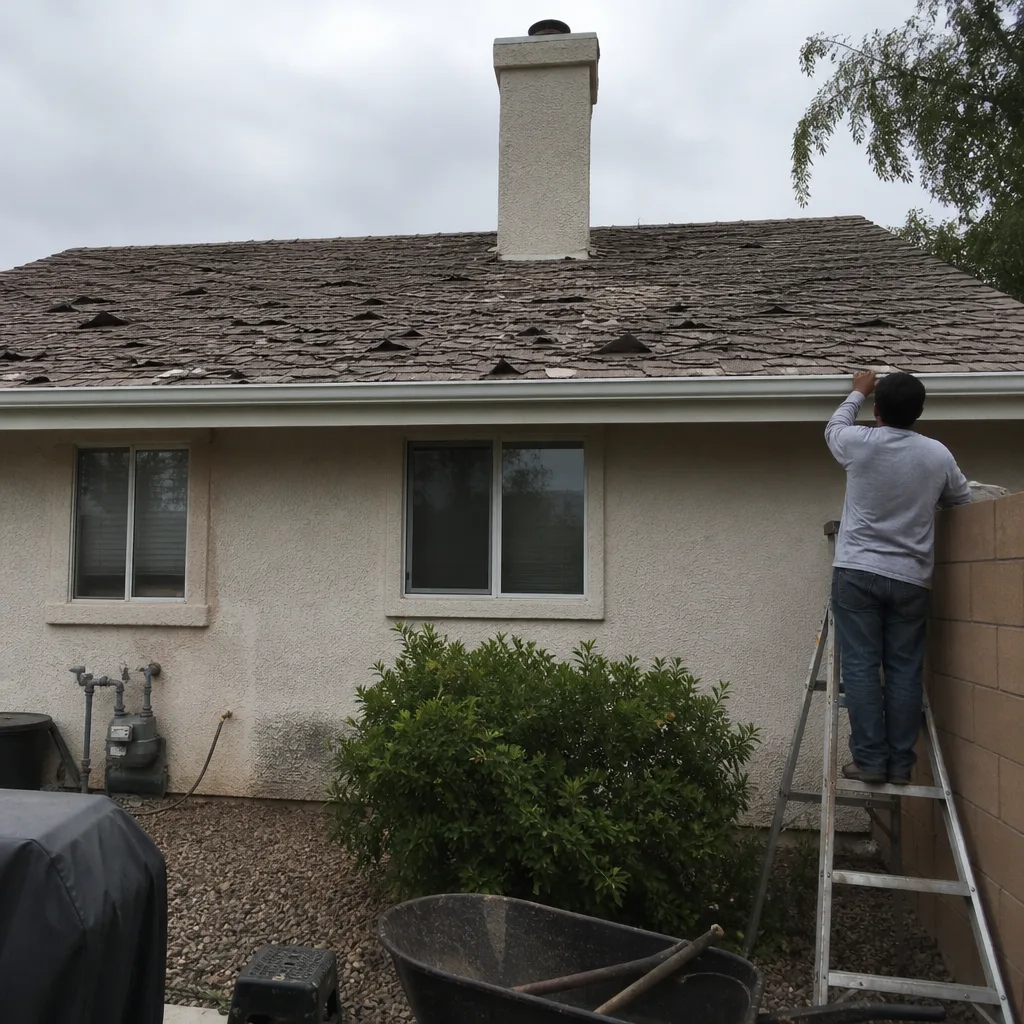 Before
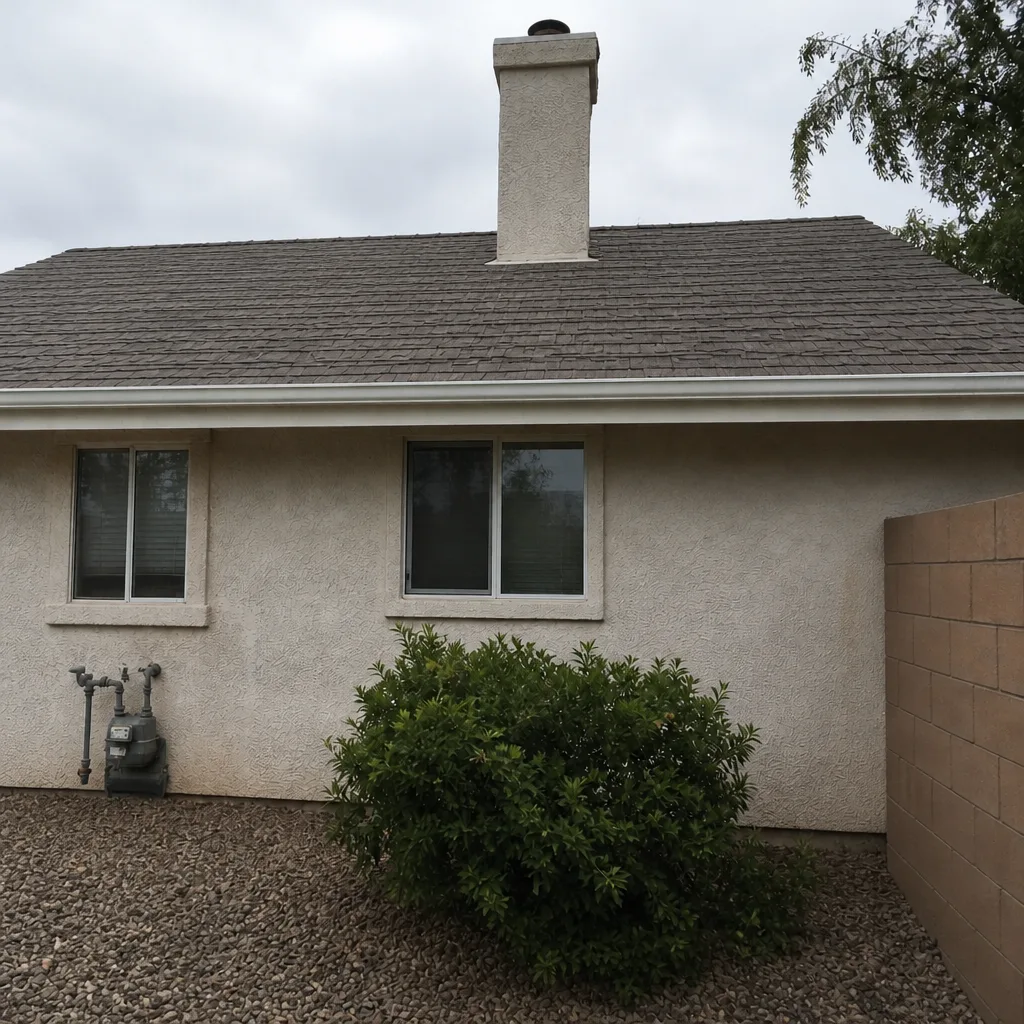 After
What Summerlin Roofs Need Between the Big Checks
The two main inspections are the backbone, but this climate throws a few curveballs between them. The most common is the late-spring wind event – a dry, gusty day that lifts a shingle tab or a ridge cap that was already loose from the heat. After any windy day over 30 mph or so, do a quick walk around the house and look at the roof from the ground. It takes five minutes and it catches the lifted tab before the rain gets to it.
The second is the “first big rain” check. The first real monsoon storm of the season is often when a small sealant failure shows itself as a ceiling stain. If you see a stain after the first storm, don’t wait for the October inspection – get someone out. Water that gets into the attic in July has two more months of heat to grow mold and rot the deck.
When the roof does need real work – roof replacement and installation in Summerlin, or a repair that’s beyond a sealant touch-up – the schedule changes shape. A new roof resets the clock, and the inspection rhythm continues. If you’re considering metal roofing in Summerlin, the maintenance rhythm looks different again – metal panels expand and contract more than shingles, so the fastener check matters more, but the UV damage to the surface is far less. That’s a conversation worth having at the estimate stage, not after the fact.
Common Mistakes to Avoid
- Skipping the pre-monsoon check because it didn’t rain last year. A dry monsoon season is not a reason to skip the inspection – it’s a reason to be grateful the flashing held and check it before the next one. The years you skip are the years you find out the hard way.
- Treating the spring heat spike as a non-event. That first 95-degree week in May is when fasteners back out and ridge caps lift. It’s the most predictable failure window in Summerlin, and most homeowners don’t know to look for it.
- Climbing on a tile roof yourself. Concrete and clay tile crack under a footstep, and a cracked tile is a future leak. The tile is not a walking surface. Let someone who knows the tile pattern and the underlayment do the walking.
- Ignoring a small ceiling stain after a storm. A stain the size of a coaster in July is a mold problem in August. Water that got in has nowhere to evaporate, so it sits in the insulation and the deck.
- Letting a storm chaser give you a “free inspection” and then talking you into a full replacement on the driveway. After a big storm, out-of-town outfits roll through Summerlin and quote one price on the phone and another at the door. Get a written second opinion before you sign anything. Our Free Second Opinion on any written estimate exists exactly for this.
- Not keeping a photo log. Without dated photos, a warranty or insurance claim becomes your word against the record. Four photo sessions a year changes that entirely.
- Assuming a new-ish roof needs no maintenance. A five-year-old roof in Summerlin has already been through five heat seasons and five monsoons. Age doesn’t remove it from the schedule; it just changes which items you check.
When to Call a Professional
Call a roofer when you see a ceiling stain, when a shingle looks lifted or a tile is slipped, when your gutters keep backing up after a storm, or when you can’t remember the last time the roof was inspected. Call right away if you see daylight through the attic sheathing, if water is actively dripping after a storm, or if a monsoon gust took part of a slope face. Wind and hail damage you can see is damage a pro should document before it becomes a claim dispute.
And call for the two scheduled inspections – the pre-monsoon check in May/June and the post-monsoon walk-through in October. Those two visits are the whole schedule. Shepherd & Sons Roofing Summerlin offers free estimates in Summerlin – call (844) 951-4545, and a live person answers, day or night.
Frequently Asked Questions
At least twice a year – a pre-monsoon check in May or June and a post-monsoon walk-through in October – plus a quick ground-level look after any big heat spike or hard rain. Summerlin’s two threat seasons (heat and monsoon) each need their own check, so a once-a-year inspection misses roughly half the risk.
Dried-out pipe boots and cracked flashings, by a wide margin. The UV and heat in Summerlin bake the rubber around plumbing vents until it splits, and that’s where most leaks start. The pre-monsoon check catches it while it’s a cheap fix.
You can check a lot from the ground – lifted shingles, granule loss, gutter condition, and anything visible with binoculars. What you shouldn’t do is walk the roof, especially on tile or a steep pitch. Fall risk and tile breakage make that a job for a pro.
It can. Monsoon hail doesn’t always crack a tile – it can chip the surface or knock a tile loose from its clip, and a loose tile eventually lets water past the underlayment. The October walk-through is when we catch it, because that’s after the hail season.
It depends on the material and the maintenance. Asphalt shingles in this heat tend to run shorter than in cooler climates, tile and metal run longer, and a roof that gets the two yearly inspections consistently outlasts one that never does. We can give you a realistic read at the estimate.
No – Shepherd & Sons quotes the job in writing before anyone touches the roof, and there are no surprise change orders. If the inspection turns up something extra, Bill shows you the deck photos and prices it before proceeding, not after. Call (844) 951-4545 for an exact quote – estimates are free.
The Bottom Line
A Summerlin roof needs two inspections a year – a pre-monsoon check in May or June and a post-monsoon walk-through in October – plus a quick ground-level look after any heat spike or hard rain. Catch the loose flashing in June and you never meet it at 3pm on July 14th. The 90-minute pre-monsoon inspection is the cheapest part of the whole schedule. Keep a photo log four times a year, stay off the roof yourself, and get a written second opinion on any estimate before you sign. That’s the entire schedule, and it’s what we recommend to every homeowner here.
Shepherd & Sons Roofing Summerlin answers the phone with a live person, 24/7, at (844) 951-4545. Call for a free estimate or a free second opinion on any written estimate – no trip charge inside the county, upfront pricing, and the written 90-Day Done Right Promise on every roofing job. Ask about the current $40 off any repair over $200, and the senior and veteran 10% discount.
Written by the team at Shepherd & Sons Roofing Summerlin.