
Last updated November 18, 2026
 Tile roofing
 Architectural shingles
 Metal roofing
 GAF
 Owens Corning
 Flat & low-slope
Free roof inspection with deck photos before we talk money - GAF and Owens Corning certified installation
Tile Roofing Maintenance Schedule: What to Do and When
The number one tile roof killer in Summerlin isn’t a cracked tile. It’s the dried-out, UV-baked underlayment underneath tiles that still look perfect from the street. Here’s the trap: a Summerlin roof can pass every visual check a homeowner knows how to make and still be one monsoon away from a leak, because the layer that actually keeps water out is hidden. This guide lays out the actual calendar we use for tile roofs around Summerlin, month by month, built around our UV index, our monsoon season, and our 110-degree summers. Not a schedule borrowed from a Florida roofing association.
Styles & brands we work with
- Architectural shingles
- Metal roofing
- Tile roofing
- GAF
- Owens Corning
- Flat & low-slope
Quick Answer
Tile roofs in Summerlin need two professional inspections a year, with the most important one in October, right after monsoon season and before winter. Homeowners should do a ground-level visual check every spring, keep valleys and gutters clear before and after monsoon, and check shaded areas for moss year-round. Between appointments, watch for slipped tiles, cracked mortar at the ridge, and granules or grit in the gutters.
Table of Contents
- Why Summerlin Tile Roofs Age Differently
- The October Inspection: The Most Important Appointment on the Calendar
- The Spring Ground Check: What You Can See Without Climbing
- Monsoon Season: Debris Dams, Valley Clogs, and Ridge Mortar
- The Desert Moss and Algae Check Nobody Expects
- What Voids a Manufacturer Warranty (and What Doesn’t)
- What Tile Roof Maintenance Costs in Summerlin
- Common Mistakes to Avoid
- When to Call a Professional
- Frequently Asked Questions
Why Summerlin Tile Roofs Age Differently
A tile roof in Summerlin lives a harder life than the same roof in most of the country, and the gap is bigger than most homeowners realize. Our UV index regularly pushes past 11 in June and July, and that intensity does two things: it bleaches and embrittles the underlayment faster than the tile itself shows wear, and it cooks the mortar at ridge lines and hips until it powders. Tile is a great choice here because it handles heat and doesn’t rot, but the tile is only a rain screen. The underlayment is the actual waterproofing layer, and it’s what fails first.
Add our swing between 110-degree afternoons and cool desert nights, and the whole assembly expands and contracts every single day. That cycle is what works fasteners loose and opens hairline cracks in mortar over years. In our experience, a tile roof in Summerlin with the original builder-grade underlayment is on borrowed time somewhere between the 15 and 20-year mark, and the tiles above it usually still look fine.
The two layers that matter
- The tile field – the visible layer. It sheds most water and takes the UV beating, but it’s not the waterproofing.
- The underlayment – the hidden layer beneath the tile. When it dries out and cracks, you get leaks with no obvious roof damage above. This is the layer a maintenance schedule is really protecting.
If your home is on a slope facing west or south, that sun load is even heavier, and the underlayment ages faster. If you’re weighing whether to repair or replace, our Roof Repair in Summerlin page walks through how we tell the difference, and our Shepherd & Sons Roofing Summerlin home page covers the full range of what we handle. For homes thinking about a change in roofing material altogether, Metal Roofing in Summerlin explains how metal handles this climate compared to tile.
The October Inspection: The Most Important Appointment on the Calendar
If you only do one thing to your tile roof all year in Summerlin, make it the October inspection. Here’s why: monsoon season runs roughly July through September, and that’s when wind-driven rain, blown debris, and dust find every weak point. October is the first month after the storms and before winter, and it’s the one window where we can see what the monsoon did and fix it before cooler, wetter weather settles in.
We’ve seen the pattern enough times to trust it. A roof that took a monsoon hit in a valley or under a ridge but didn’t leak yet will often hold until the next storm, then show up as a stain on a ceiling in a back bedroom nobody uses in winter. The October inspection catches it while it’s still a repair, not a drywall and insulation job.
What we check in October
- Walk the valleys and look for debris dams, granule piles, and standing grit from monsoon runoff.
- Inspect the underlayment at the eaves and in any field where tiles have slipped, since those are the first spots that expose it.
- Check ridge and hip mortar for cracks or powdering driven by summer heat and daily expansion.
- Look at flashings around vents, chimneys, and skylights, where monsoon wind pushes water sideways.
- Clear gutters and downspouts so winter runoff has a clear path.
- Photograph everything so you have a before-and-after record of the roof’s condition.
Ten minutes of photos in October saves arguments in spring. We’ll show you the deck photos before we talk money, and the same goes for an inspection report.
The Spring Ground Check: What You Can See Without Climbing
You don’t need to get on your roof to catch a lot of problems, and honestly, you shouldn’t be up there. Tile is slick underfoot, brittle, and unforgiving, and a fall off a two-story roof is not a risk worth taking for a look. Here’s what you can check safely from the ground in spring, before the heat cranks up:
From the ground, every spring
- Broken or slipped tiles – walk the perimeter and scan for tiles that look out of line, cracked, or shifted. Binoculars help on the steeper slopes.
- Sag or dip lines – a wavy ridge or a sag between rafters can mean an underlying problem, not just a cosmetic one.
- Streaking on tile faces – dark streaks or white chalky lines point to aging or moisture that needs a closer look.
- Ridge and hip mortar – look for gaps, crumbled mortar, or missing chunks along the peaks.
- Ceiling stains inside – check upper-floor ceilings and attic corners after any rain, not just in winter.
- Gutter grit – a heavy load of granules or tile dust in the gutters signals wear up top.
What needs boots on the roof
Anything involving walking the field, checking underlayment, clearing a valley, or testing flashings needs someone on the roof who does it for a living. Same goes for anything that looks like a leak but doesn’t show a source from the ground. That’s not a homeowner task. This is the point in the year we get the most calls from folks who tried a quick self-check and found something they can’t diagnose from a ladder.
Monsoon Season: Debris Dams, Valley Clogs, and Ridge Mortar
Summerlin’s monsoon season is short and can be violent. A single storm can drop a month’s worth of rain in an afternoon and drive wind that strips loose debris off the roof field and jams it into the valleys. Those valleys are where water concentrates on its way off the roof, and when they clog, water backs up under the tiles and does quiet damage to the underlayment and decking.
The other monsoon stressor is the ridge line. Water gets pushed sideways by wind, works into cracks in the mortar at ridges and hips, and then the 110-degree sun bakes that moisture out and expands the crack a little more. Do that for a few seasons and mortar that looked solid in June is flaking in September. In our experience, ridge mortar failures are one of the most common things we find on Summerlin tile roofs after a hard monsoon, and they’re almost never something a homeowner notices from the ground.
Before and after monsoon, do these things
- Clear any debris you can safely reach from the ground or with a long-handled tool – don’t climb.
- Check the ground around downspouts for washout or pooling after a storm.
- Look for tile displacement or mortar pieces that have landed in the yard after high winds.
- Schedule a professional inspection if you saw anything unusual during the storm.
If a storm does push water inside, we handle emergency and storm-damage response – a live person answers the phone 24/7, including nights and weekends after a storm. That’s real speed language on a real emergency, not a scheduled install.
The Desert Moss and Algae Check Nobody Expects
Here’s the one that confuses people: “It’s a desert. Why would my roof have moss?” The answer is shade. Summerlin has plenty of it – solar panels casting a permanent shadow on one slope, neighboring two-story walls that keep the north-facing side cool, mature trees in some neighborhoods that keep an entire section from drying out. Those shaded pockets hold morning dew and trap moisture long enough for algae and, occasionally, light moss to take hold on tile faces and in the grout lines.
Algae shows up as dark streaks or black staining, usually on the north slope or under panels. Moss is less common but real, and it holds water against the tile and mortar, which speeds up everything else. In our experience, homes with solar arrays are the ones that catch people off guard, because the panels hide the roof and the shade keeps it damp. When we do an inspection, we always check under and around solar mounts.
Manufacturers make tile that resists algae, and CertainTeed and Owens Corning both offer products rated for it, but no coating beats keeping shade pockets dry and clean. A light cleaning by a professional, not a pressure washer, is the right response when you see streaks.
What Voids a Manufacturer Warranty (and What Doesn’t)
This is where a lot of well-meaning homeowners get themselves in trouble. Most tile manufacturer warranties – IKO, Atlas, and the rest – are specific about what counts as approved work and who can do it. Walking on the tile with the wrong footwear, pressure washing, and DIY repairs made without a licensed contractor on record can all give a manufacturer a reason to deny a claim down the line.
Common actions that can jeopardize a warranty
- Pressure washing the tile – high pressure strips the surface and forces water where it shouldn’t go.
- Walking the roof in hard-soled shoes – point loads crack tile. Tradespeople should wear soft-soled boots or use walk pads.
- DIY patching or mortar repair – without a licensed contractor’s record, a manufacturer can dispute the work.
- Letting an unlicensed handyman do repairs – some warranties require work done by a licensed roofer.
- Ignoring a documented issue – if you were told about a problem and didn’t address it, that can factor into a claim.
What’s safe
Ground-level visual checks, keeping gutters clear, and scheduling professional inspections don’t put your warranty at risk – they protect it. When a repair is needed, use a licensed contractor and keep the paperwork. When a replacement is the honest answer, our Roof Replacement & Installation in Summerlin page covers what that entails and how we document materials and labor for warranty purposes.
What Tile Roof Maintenance Costs in Summerlin
Tile roof maintenance in Summerlin is not one price, because it’s not one job. The range comes down to what the inspection finds. Here’s a realistic table of what to expect, priced for the local market:
- Routine inspection (one visit) – free to a couple hundred dollars if you’re already a customer; some companies charge for a full walk-and-report. Ask up front.
- Two-inspection annual program – roughly the cost of one repair, spread across the year for peace of mind.
- Valley and gutter clearing – a modest line item, and the cheapest thing on this list that can prevent the most expensive damage.
- Ridge and hip mortar repair – priced per linear foot; small repairs stay modest, full ridge re-mortaring adds up.
- Individual tile replacement – per-tile pricing, higher if the tile is discontinued or you need to match a color.
- Underlayment replacement (without replacing tile) – a significant job that runs into the thousands; this is why the October check matters, since it’s the whole reason you want to catch issues early.
We don’t quote a number over the phone and change it at the door. You get a written estimate with line items, and a free second opinion on any written estimate from another company. There’s no trip charge inside our own county.
Cost-saving offer
We keep a standing offer of $40 off any repair over $200, and seniors and veterans get 10% off. Ask about either when you call; they’re always available, not a seasonal promotion.
Common Mistakes to Avoid
- Skipping the October inspection because the roof looks fine. The underlayment fails out of sight, and “looks fine” is the default until it leaks. October is when you catch it before winter.
- Pressure washing the tile. It strips the finish and can force water past the tile – a hard no for tile roofs in this climate.
- Climbing up to “just check” yourself. Tile is slick, brittle, and dangerous. Ground checks only; call a pro for anything above the eave.
- Letting an unlicensed handyman patch mortar. It can put your manufacturer warranty at risk and usually doesn’t hold through a Summerlin summer.
- Ignoring debris dams in the valleys after monsoon. Backed-up water does the quiet damage; clearing the valleys is cheap insurance.
- Assuming shade from panels or a neighboring wall is harmless. Shade pockets hold moisture and grow algae, and the panels themselves hide the roof from your own view.
- Paying a phone quote without a written estimate in hand. Get the number in writing, in line items, before anyone touches the roof.
When to Call a Professional
Call a pro if you find slipped or broken tiles after a wind event, see a stain spreading on a ceiling, spot crumbled mortar at the ridge, notice water pooling around a valley after a storm, or if it’s simply been more than a year since anyone walked the roof. The same goes for pressure-washing damage, algae streaks that won’t lift, or any question about warranty coverage. Our technicians have up to 30 years of experience, and the guys on the roof have seen what monsoon and UV do to a Summerlin tile roof hundreds of times. Shepherd & Sons Roofing Summerlin offers free estimates in Summerlin – call (844) 951-4545 and a live person will pick up, 24/7. A free second opinion on any written estimate is standing policy, and there’s no trip charge inside our own county.
Frequently Asked Questions
Twice a year, at minimum – once in October after monsoon season and once in spring. The October visit matters most because it catches storm damage before winter and gives you a full year to plan around what the inspection finds. Call (844) 951-4545 to schedule one; estimates are free.
It depends on what the inspection finds. Routine inspections are modest, valley clearing is a small line item, and repairs like ridge mortar or individual tiles are priced per foot or per tile. Underlayment replacement is the biggest-ticket item, which is exactly why the annual check is worth doing. Call (844) 951-4545 for an exact quote on your roof – estimates are free.
Yes, and you should. Broken or slipped tiles, wavy ridge lines, streaking, and crumbled mortar can often be spotted from the ground in spring. Anything above the eave – underlayment, valleys, flashings – needs a trained pro on the roof.
It can, in shade pockets – usually under solar panels or on north-facing slopes kept cool by a neighboring wall. Desert moss is less common than in wet climates but real, and it holds moisture against the tile and mortar. A pro can confirm and clear it safely.
Not at Shepherd & Sons. You get a written line-item estimate before anyone touches the roof, and we stand behind it. If we find something mid-job that genuinely wasn’t visible at estimate time, we stop and talk to you before doing anything that adds to the bill.
Yes. We handle emergency and storm-damage response, and a live person answers the phone 24/7, including nights and weekends after a storm. Call (844) 951-4545 and you’ll get a real person, not a call center.
The Bottom Line
Tile roofs in Summerlin fail from the inside out, and the maintenance schedule is what keeps that hidden layer alive. Two inspections a year, the October one as the anchor, spring ground checks for what you can safely see, and cleanup before and after monsoon. Watch shade pockets for algae, keep pressure washers off the tile, use licensed contractors so your warranty stays intact, and don’t let a phone quote become a bigger bill at the door. Our technicians have up to 30 years of experience, and we’ve had the same address since 1996. If something doesn’t look right, call and let us take a look.
Call (844) 951-4545 to schedule your free estimate with Shepherd & Sons Roofing Summerlin. A live person answers 24/7, the 90-Day Done Right Promise is in writing on every roofing job, and we’ll show you the deck photos before we talk money.
Written by the team at Shepherd & Sons Roofing Summerlin.
See the difference
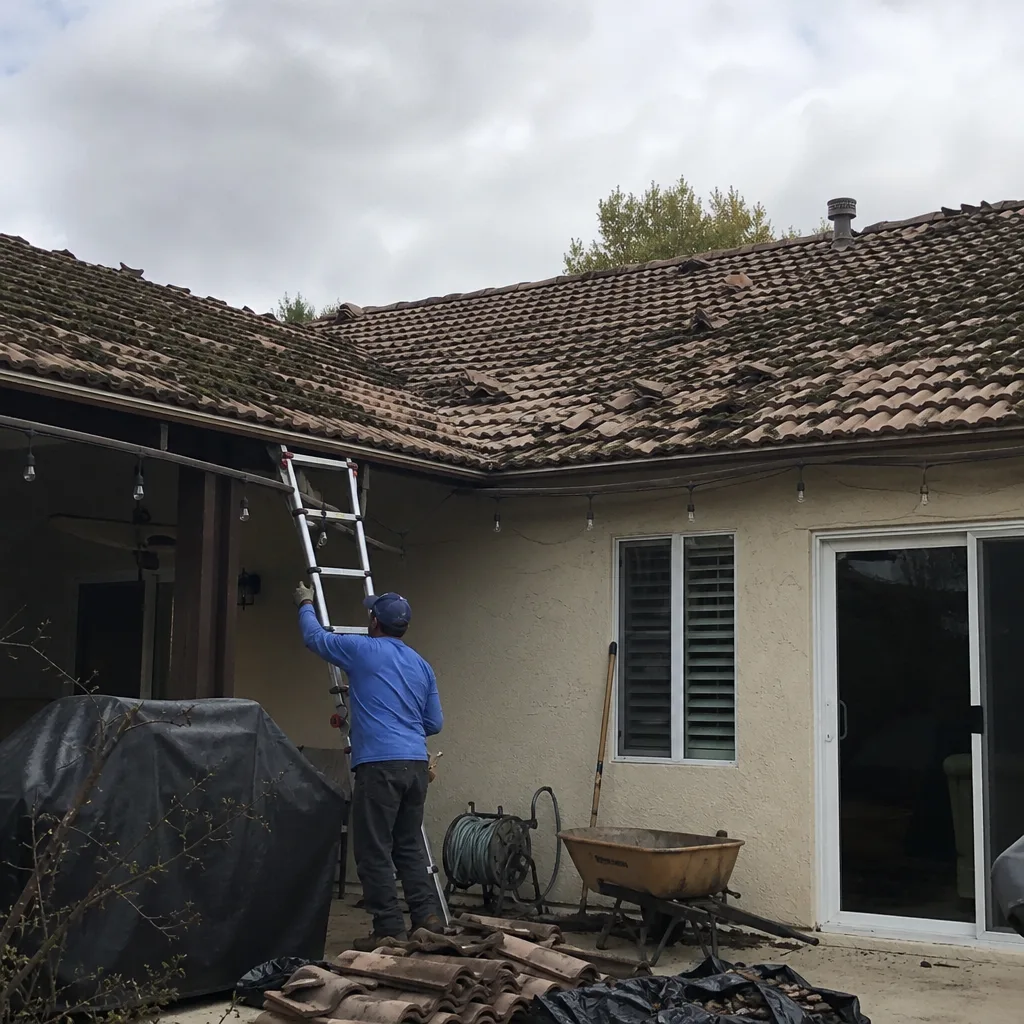 Before
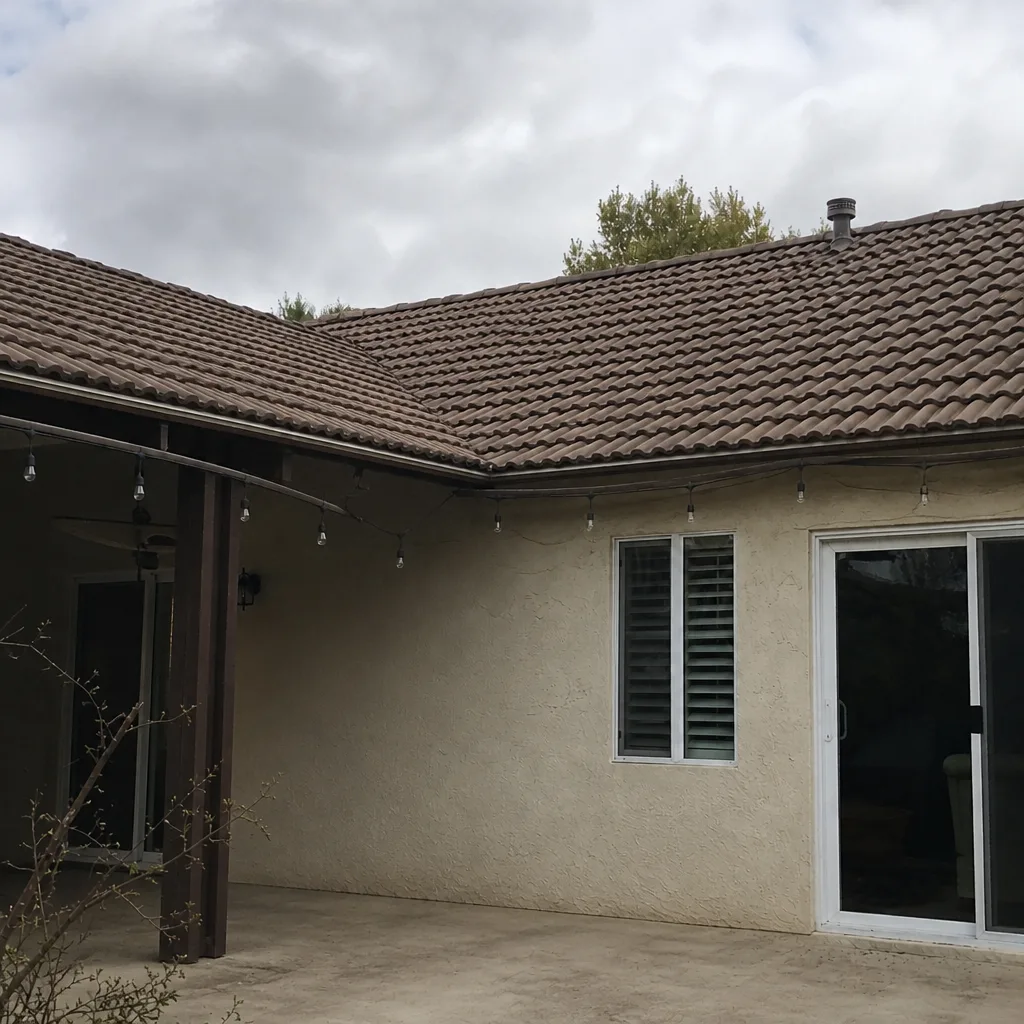 After
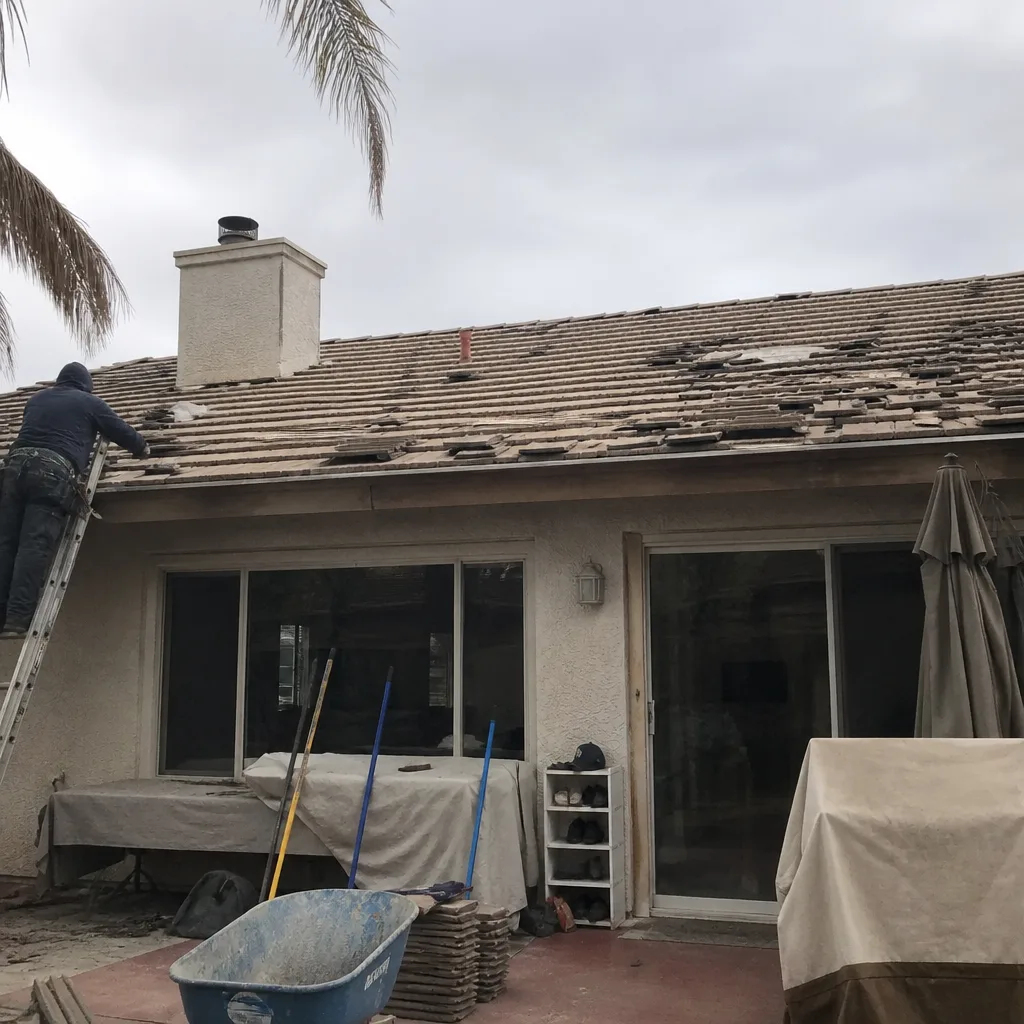 Before
 After
 Before
 After