
Last updated November 18, 2026
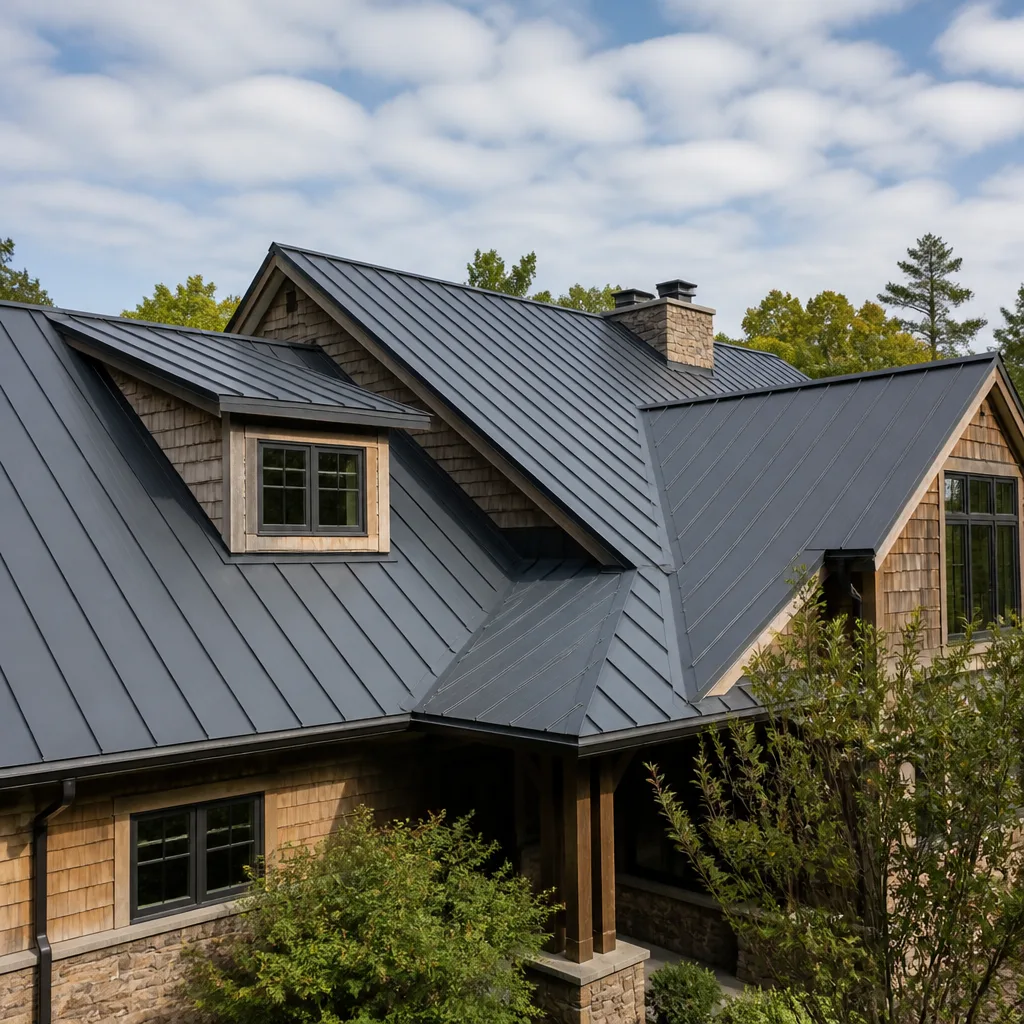 Metal roofing
 Architectural shingles
 Tile roofing
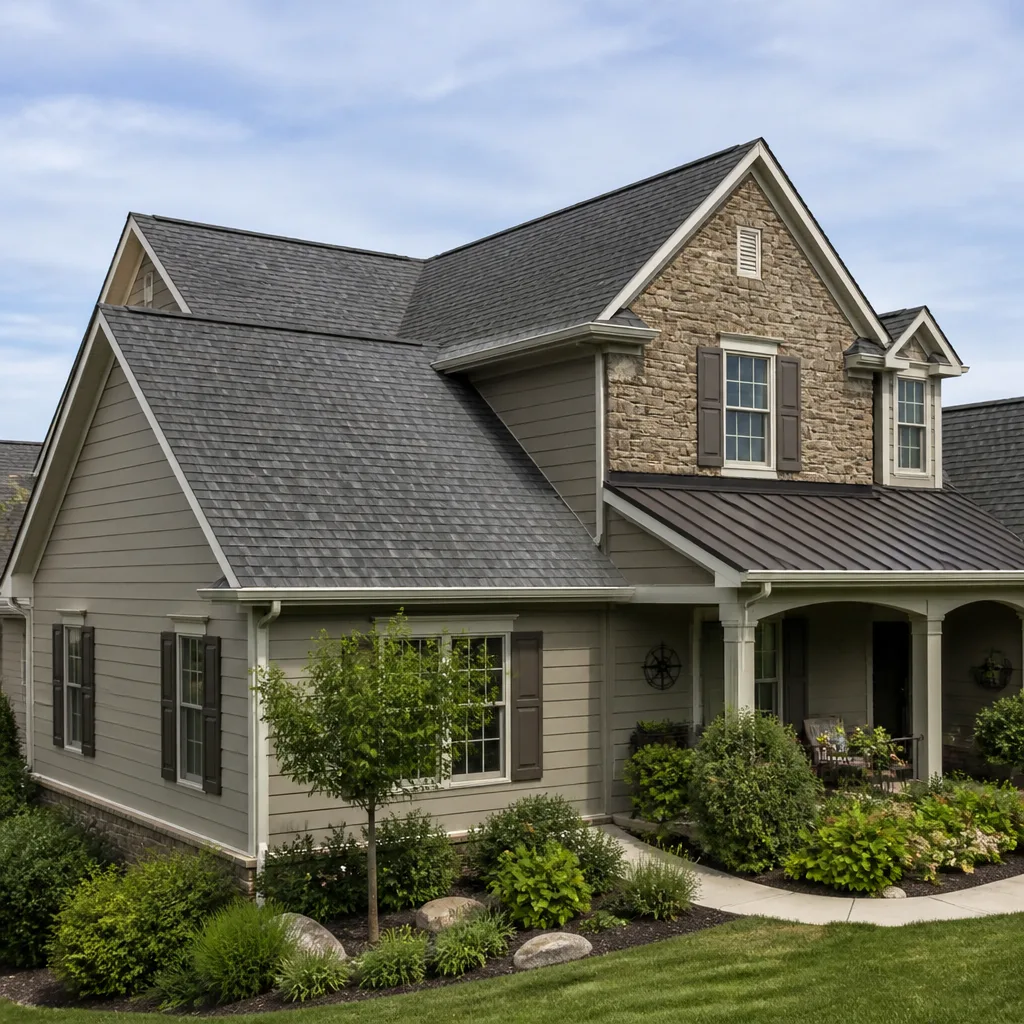 GAF
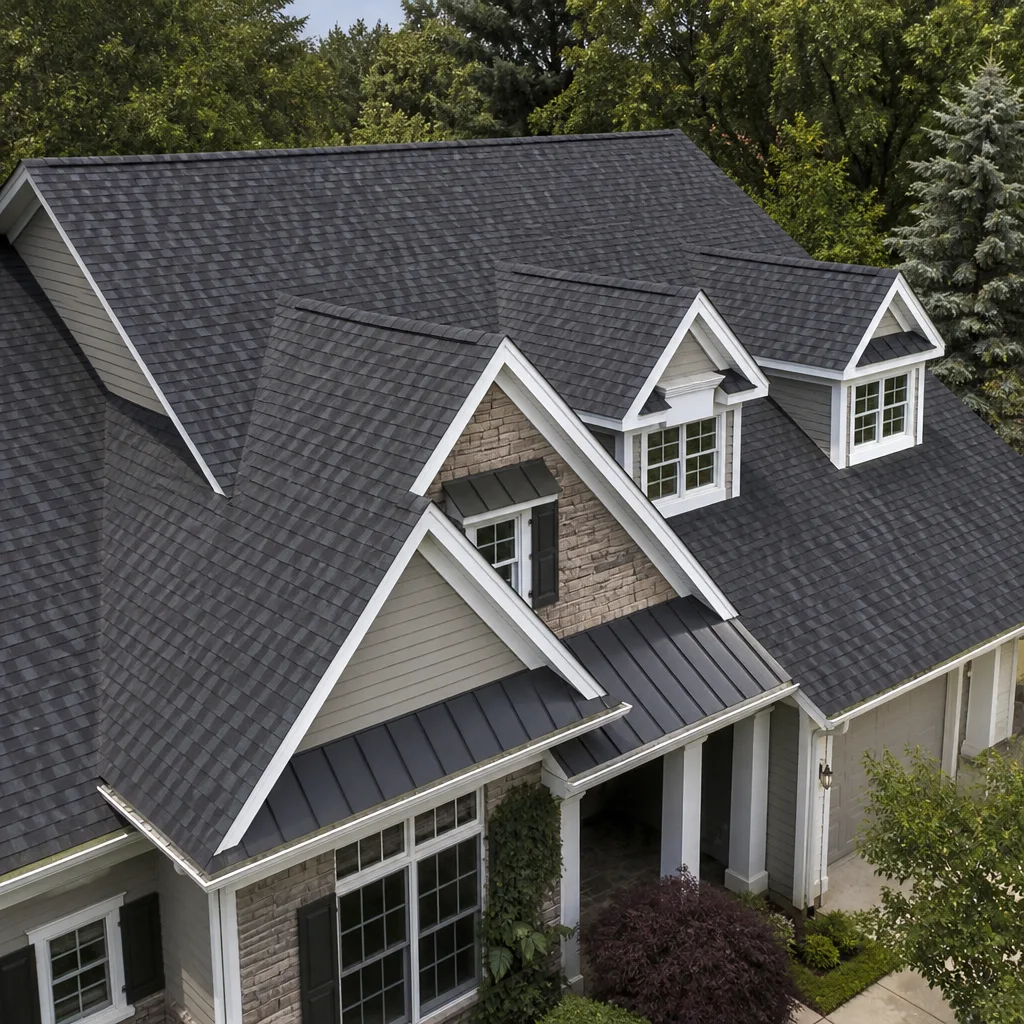 Owens Corning
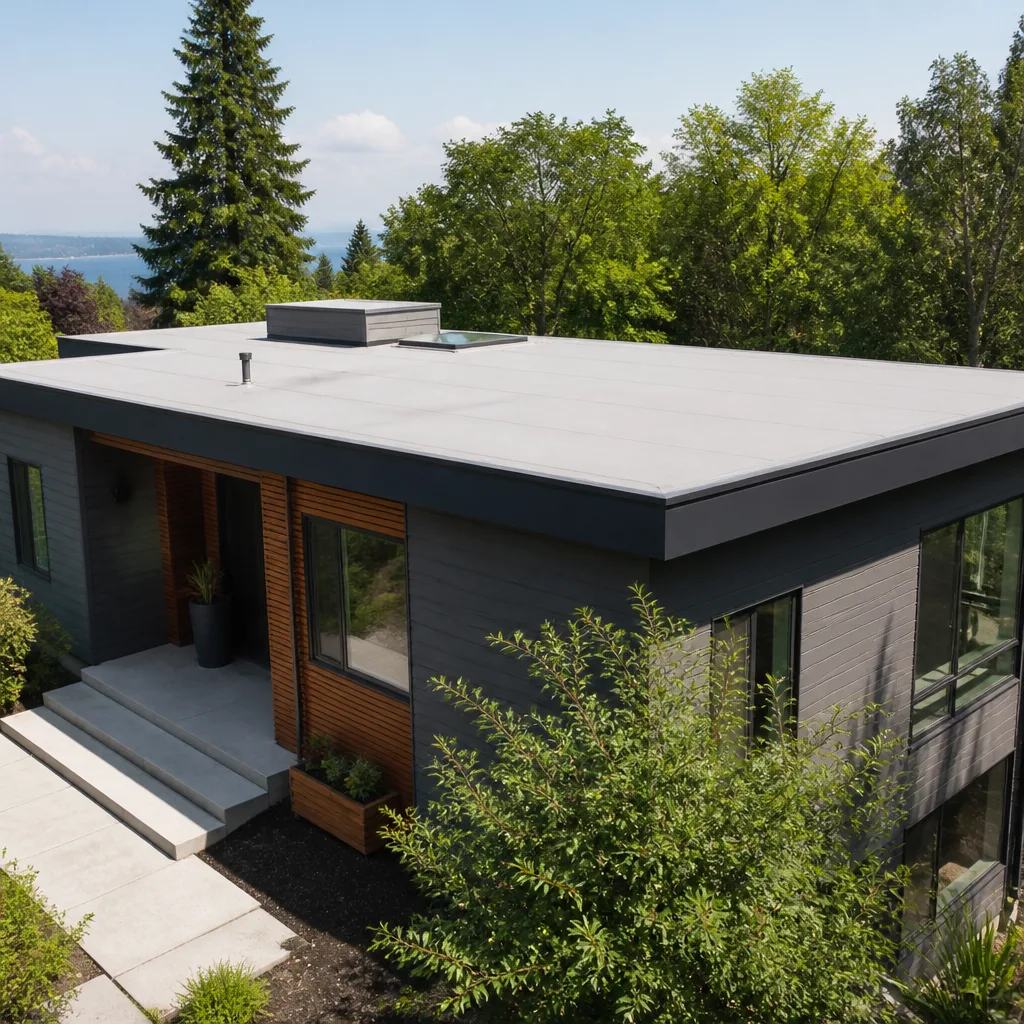 Flat & low-slope
Free roof inspection with deck photos before we talk money - GAF and Owens Corning certified installation
How Long Does Metal Roofing Take? Timelines and What to Expect
A crew that quotes you a one-day metal roof on anything larger than a 1,200-square-foot footprint is either skipping seam sealant, skipping the underlayment laps, or working in the dark. None of those is a good sign. Metal roofing takes longer than asphalt to install correctly, and that extra time isn’t padding. It’s the detail work at seams and penetrations that decides whether your roof lasts 15 years or 50. In this guide, we’ll walk through realistic day counts by roof shape, why Summerlin heat shortens working windows, how long custom panels actually take to arrive, and the phases where rushing costs you the most.
Styles & brands we work with
- Architectural shingles
- Metal roofing
- Tile roofing
- GAF
- Owens Corning
- Flat & low-slope
Quick Answer
Most residential metal roofs take 3 to 7 working days to install once materials are on site, with standing seam jobs on complex Summerlin rooflines often running 6 to 10 days. Add 7 to 14 days of lead time for custom-cut panels before the crew arrives. The full calendar from signed contract to final inspection typically lands between 2 and 5 weeks.
Table of Contents
- Realistic Timelines by Roof Type
- Phase-by-Phase Breakdown: Where the Hours Go
- Why Summerlin Heat Shortens the Working Day
- Material Lead Times for Standing Seam
- The Drying-In Question: Weather Protection Mid-Project
- What Takes Longer Than Asphalt (and What’s Faster)
- How to Read a Schedule Before You Sign
- Common Mistakes to Avoid
- When to Call a Professional
- Frequently Asked Questions
- The Bottom Line
Realistic Timelines by Roof Type
Day counts for metal roofing aren’t a single number. They’re a range that tracks directly to how many seams, valleys, hips, and penetrations the crew has to detail. Here’s what we see on real jobs around Summerlin, from straightforward gable roofs to the multi-valley custom builds that dot the hillsides above the valley floor.
- Simple gable, 1,500-2,000 sq ft, 4:12 to 6:12 pitch: 2 to 3 working days. Few penetrations, long clean panel runs, one ridge.
- Hip roof, 2,000-2,800 sq ft: 3 to 5 working days. More hips means more cut panels and more seam sealing at each termination.
- Multi-valley custom, 2,800-4,500 sq ft (common in Summerlin’s ridge neighborhoods): 5 to 8 working days. Valley flashings are fabricated on site or fitted by hand, and every one is a custom piece.
- Steep pitch or barrel-style profile on tile-replacement projects: 6 to 10 working days. Slope slows every foot of travel and requires more tie-off time.
- Retrofit over existing shingles (rare, and often a bad call): Add 1 to 2 days for longer panel lengths and additional transition flashing.
Notice the pattern. Doubling square footage doesn’t double the days. It’s the complexity per square that drives the calendar. A clean 3,000-square-foot gable can finish faster than a 2,200-square-foot hip roof with four chimneys. When a bidder quotes you a day count, ask them how many linear feet of seam and how many penetrations they counted. If they can’t answer, they haven’t looked at the roof. Our Metal Roofing in Summerlin page breaks down the materials and profiles we install and what each means for job length.
Phase-by-Phase Breakdown: Where the Hours Go
Here’s how a full metal roof install actually runs, from the day panels land on the driveway to the final inspection. Each step below has a realistic time slice for a mid-size Summerlin home (roughly 2,500 square feet, hip and valley mix).
- Tear-off and deck inspection (1 day). Old roofing comes off, sheathing gets walked and probed. Soft spots get replaced. This is where Bill will show you deck photos before you talk money, because what’s under the old roof changes the whole schedule.
- Underlayment installation (0.5 to 1 day). Synthetic underlayment goes down with proper laps. Metal doesn’t need a nailing pattern for the field like shingles do, but the underlayment still has to be installed correctly, and laps matter more on a metal roof because the panels sit on top of it, not fastened through it in rows.
- Panel staging and layout (0.5 day). Long panels get lifted (sometimes by crane for two-story Summerlin homes) and staged in the correct install order. Skipping this step causes panel damage and re-cuts.
- Panel installation (1 to 3 days). Panels go up from the eave, seamed or screwed depending on profile. Standing seam panels are seamed one at a time, and each seam runs the full panel length. This is slow, precise work.
- Flashing fabrication and installation (1 to 2 days). This is the phase where metal separates from asphalt. Valleys, chimneys, skylights, wall terminations, and vent boots each get custom-bent flashing. Some pieces are fabricated in the shop, some are cut and bent on site. Every piece affects the waterproofing envelope.
- Ridge, closures, and trim (0.5 to 1 day). Ridge caps, gable trim, and panel closures get installed. Closure strips at eaves and ridges block wind-driven rain and keep insects out.
- Final inspection and cleanup (0.5 day). Magnet sweep for metal debris (essential on Summerlin driveways and rock landscaping), gutter check, and final walk-through with you.
Add it up: a 2,500-square-foot mixed roof runs 5 to 8 working days for the crew, not counting lead time or weather days. Two-thirds of those days are detail work, not panel hanging. That’s the whole point of the thesis here: the extra time on a metal roof is seam and flashing time, and it’s what earns the 40- to 50-year service life metal is known for. For more on the broader install process, see our Roof Replacement & Installation in Summerlin page.
Why Summerlin Heat Shortens the Working Day
Crews in Phoenix and Tucson work through highs that routinely land above 110°F, and they’ve adapted with 5 a.m. starts and mid-day shutdowns. Summerlin sits at roughly 3,000 feet of elevation, cools faster in the evening than the Phoenix valley, and tops out in the low triple digits. But metal roofing changes the heat math because the panels themselves absorb and radiate.
- Metal surface temperature: A bare or dark-painted metal panel in direct Summerlin sun can hit 150°F to 170°F by early afternoon. That’s hot enough to burn through gloves and too hot to seal reliably.
- Sealant cure range: Most panel sealants used on standing seam and trim want ambient temperatures below about 120°F for proper adhesion. Above that, the sealant skins over before it bonds, and the seam is compromised.
- Working window: Realistically, our crews on Summerlin metal jobs run from roughly 5:30 or 6 a.m. to about 1 p.m. during June through August. That’s a 7- to 8-hour window, not the 10-hour days available in spring and fall.
- Calendar effect: A 5-day metal roof scheduled in late July can bleed into 7 or 8 days because of the shortened working window. A roof scheduled in October or April hits the original 5-day count.
This is the detail most timelines miss. If a contractor promises a 5-day metal roof in August in Summerlin, either they’re planning to work through unsafe heat, or they’ve never put a seam together in it. Ask any bidder what time their crew starts in July. If it’s 9 a.m., that’s a red flag.
Material Lead Times for Standing Seam
Standing seam is a custom product. It’s not pulled off a shelf at a big-box store. Panels are formed on a roll former to your roof’s exact lengths, and for a non-standard roofline, most of that forming happens off-site and takes time.
- Standard pitch (4:12 to 7:12), clean panel lengths: 7 to 10 days from order to delivery.
- Non-standard pitch or valley-heavy roofline: 10 to 14 days. Panels that require specific lengths for valleys, hips, and transitions cut slower.
- Custom colors or specialty finishes: 2 to 3 weeks. CertainTeed, Owens Corning, and IKO all offer color-matched standing seam in standard colors, and custom colors add lead time regardless of manufacturer.
- Exposed fastener panels (5V crimp, corrugated): Often 3 to 5 days, sometimes shorter, because these come in stock lengths and are cut on site.
Here’s the honest part most timelines ignore. Even if the panels arrive in 7 days, the crew might not be scheduled the day after delivery. Good crews book two to four weeks out during Summerlin’s spring and fall rush, when homeowners race to get ahead of monsoon season. The realistic full schedule from contract signing to final inspection is:
- Week 1: Contract signed, final measurements taken, panels ordered.
- Weeks 2-3: Panel formation and shipping.
- Weeks 2-4: Crew scheduling window (usually the same two weeks as formation, sometimes overlapping).
- Weeks 3-5: Install itself (3 to 8 working days depending on complexity).
- Week 5: Final inspection and cleanup.
If a bidder quoted you a 5-day schedule without mentioning lead time, they’ve given you install time only. A full timeline has to include the panel order. For our metal roofing time and process, see our Metal Roofing in Summerlin guide.
The Drying-In Question: Weather Protection Mid-Project
This is the part most homeowners don’t think to ask about until a monsoon storm hits in the middle of a metal install. Drying-in is the moment the roof becomes waterproof. On a metal job, that moment comes later than on a shingle job, and that matters in Summerlin’s summer storm season.
On an asphalt shingle install, the roof is typically watertight by the end of day one because shingles are rolled course by course from the bottom up. Metal doesn’t work that way. Here’s the difference:
- Tear-off to underlayment: Usually same day. Underlayment is installed over the bare deck before the crew leaves. At this point, the roof is “mostly dry” but not watertight at penetrations.
- Underlayment to full panel coverage: 1 to 3 days. Panels go up in sections, and the exposed sections are vulnerable to wind-driven rain until they’re fully seamed.
- Flashing completion: 1 to 2 more days. Until chimney, valley, and skylight flashing are finished, those penetrations are the highest-risk spots during a mid-project storm.
A good crew watches the forecast and stops panel installation before a monsoon window. They’ll tin the exposed penetrations with temporary flashing. A cheap crew pushes forward, gets surprised, and water finds a path. If you’re scheduling a metal roof in Summerlin during July, August, or September, ask the contractor to write their weather protocol into the estimate. On jobs where the crew stages materials at the end of each day and re-tins every open penetration, a storm costs you 4 hours. On jobs where they don’t, a storm can cost you a ceiling.
What Takes Longer Than Asphalt (and What’s Faster)
Metal roofing isn’t uniformly slower than shingles. It’s slower in specific phases and faster in others. Knowing which is which tells you where the honest schedule time goes.
Phases that take LONGER on metal
- Panel cutting and fitting: Shingle courses cut with a utility knife. Metal panels cut with a nibbler, shear, or specialized blade, and every cut needs deburring. Roughly 2 to 3 times longer per linear foot.
- Seaming: Standing seam panels are seamed one at a time with a mechanical seamer or hand crimper, and each seam runs the full panel length. A 30-foot seam takes minutes, but a roof with 40 seams eats half a day of seam labor.
- Flashing fabrication: Custom valley, chimney, and wall flashing are often bent in the shop to match your roof’s specific pitch and detail. Shingle flashing is largely off-the-shelf. Metal may need 1.5 to 2 times the flashing hours of a shingle job.
- Penetration detailing: Every vent, pipe, and skylight gets a metal boot or custom collar. Each one is a hand-built piece.
- Safety setup: Steep pitches and long panels require more tie-off and staging time. Two-story Summerlin homes often add a half-day for crane or lift setup.
Phases that are FASTER on metal
- Underlayment field nailing: Shingles require a disciplined nail pattern across every course. Metal field panels don’t use that pattern, so underlayment goes down in larger, faster laps.
- Course-by-course laying: Shingles are laid row by row, working around penetrations. Metal panels go down in long single pieces, so the field goes down much faster once staging is done.
- Final inspection: Metal passes inspection faster because the roof structure, fastening pattern, and flashing are visible and documented in fewer spots.
- No adhesive strip cure time: Shingles rely on adhesive strips that cure and seal in heat. Metal fastening is deterministic from day one.
Net result: a metal roof takes about 20% to 40% longer than the equivalent shingle job, but the extra time is concentrated in the details that determine service life. That’s not padding. That’s the value. For repair-specific questions, our Roof Repair in Summerlin page covers what’s faster to fix than replace.
How to Read a Schedule Before You Sign
The most reliable sign of a real contractor is a schedule they’ll put in writing. If the timeline is verbal, it’s marketing. If it’s written, it’s a commitment. Here’s how to read one.
- Look for lead time explicitly stated. A written schedule should say “panels delivered by [date]” not just “work begins [date].” If lead time is missing, the schedule is fiction.
- Look for a working-days clause. A good schedule says “5 to 8 working days” not “5 days.” Weather and heat windows are real, and any crew that pretends otherwise is setting you up for a surprise delay.
- Look for a weather protocol. What happens if a monsoon rolls in on day 3? A written schedule should say. If it doesn’t, ask them to add it before you sign.
- Look for inspection milestones. The schedule should show when the deck inspection happens and when the final inspection is booked. Skipping milestones is how jobs stall.
- Look for the payment schedule aligned to dates. Payments tied to days completed or milestones passed are normal. Payments tied to nothing but “signing” and “completion” are a red flag.
When we quote a metal roof in Summerlin, the estimate includes a written line-item schedule, the panel order date, the crew start window, and the inspection target. The 90-Day Done Right Promise backs it in writing, and one call brings Bill back if anything is off. No written schedule, no signature. That’s the rule.
Common Mistakes to Avoid
- Believing a one-day metal roof quote. If a bidder says your 2,500-square-foot roof will be done in a day, they’re skipping seam sealant, skipping underlayment laps, or working in the dark. Ask them which.
- Not asking about panel lead time. A quote that gives you the install dates but not the panel arrival date is answering half the question. Custom Summerlin rooflines take 7 to 14 days to form.
- Scheduling a metal install during monsoon season without a weather protocol. July through September in Summerlin is unpredictable. Get the drying-in and re-tin plan in writing before you sign.
- Letting a crew install panels before underlayment is fully inspected. Once the panels are seamed, you can’t walk the underlayment laps. Deck and underlayment inspection happens before panel staging, period.
- Accepting a verbal schedule. If the timeline isn’t in writing, it isn’t real. Verbal schedules shift easier than written ones, and the homeowner absorbs the cost of the shift.
- Skipping the second opinion on the first written estimate. Metal roofing quotes can swing 30% to 40% for the same scope. A free second opinion is the cheapest way to check whether the first bidder is padding or the second one is cutting.
- Paying the full amount up front. Nobody credible needs 100% of the money before panels arrive. Payments should track to milestones.
When to Call a Professional
Call a professional roofer if you’re seeing sagging panels, popped fasteners, seam leaks after a storm, or valley rust in Summerlin. If a metal roof from a prior install is under 10 years old and failing, a certified inspection is the only way to know whether the failure is fixable (fastener or sealant replacement) or whether the panel system itself has to come off. If your roof is a retrofit over old shingles and the panels are lifting at the eaves, that’s structural, not cosmetic, and it needs eyes on it. Shepherd & Sons Roofing Summerlin offers free estimates in Summerlin – call (844) 951-4545.
Frequently Asked Questions
Most Summerlin metal roofs take 3 to 7 working days once panels are on site, with complex multi-valley rooflines running 6 to 10 working days. Add 7 to 14 days of panel lead time for custom standing seam. The full calendar from contract to final inspection lands between 2 and 5 weeks. Call (844) 951-4545 for an exact quote based on your roof – estimates are free.
No, not on any roof larger than about 1,200 square feet. A one-day metal roof on a full-size home means seams are being skipped or the underlayment is being rushed, both of which shorten the roof’s service life. Metal roofing takes longer than asphalt, and the extra time is where the waterproofing lives.
Yes. Summerlin metal crews run shorter working windows in June through August because panel sealants need ambient temperatures below about 120°F to cure correctly. A 5-day metal roof scheduled in late July can bleed to 7 or 8 days. Spring and fall are the fastest windows to schedule, and the calendar reflects that.
Custom-cut standing seam panels for a non-standard Summerlin roofline typically take 7 to 14 days from order to delivery. Custom colors add a week or more. Exposed fastener panels in stock colors can arrive in 3 to 5 days. Any written timeline that doesn’t state a lead time is answering half the question.
On a properly run metal job, yes. Underlayment goes down before the crew leaves day one, and exposed penetrations get re-tinned at the end of every day during panel install. The roof isn’t fully watertight until flashing is complete, so a good crew watches the forecast and stops panel work before a storm. Our Roof Repair in Summerlin team handles post-storm fixes when a job goes wrong.
Standing seam metal roofing in Summerlin typically runs $9 to $16 per square foot installed, with exposed fastener panels at $6 to $10 per square foot. A 2,500-square-foot roof lands around $22,000 to $40,000 depending on profile, color, and roofline complexity. Call (844) 951-4545 for an exact quote – estimates are free.
The Bottom Line
Metal roofing takes 3 to 7 working days on a typical Summerlin home, 6 to 10 on complex custom builds, plus 7 to 14 days of panel lead time before the crew ever steps on the roof. The full calendar runs 2 to 5 weeks. The extra days over asphalt aren’t padding – they’re the seam, flashing, and drying-in work that determines whether the roof lasts 15 years or 50. Schedule in spring or fall for the fastest timeline, get lead time and weather protocol in writing, and always get a free second opinion before you sign. That’s the practical checklist from a roofer who’s put metal on Summerlin homes for a long time.
For a free estimate on metal roofing in Summerlin, call (844) 951-4545. A live person answers, day or night, and Bill will be on your roof before you sign anything. Our Shepherd & Sons Roofing Summerlin home page has the full list of services, and our Roof Replacement & Installation in Summerlin team can walk through shingle and tile options if you’re still comparing materials.
Written by the team at Shepherd & Sons Roofing Summerlin.
See the difference
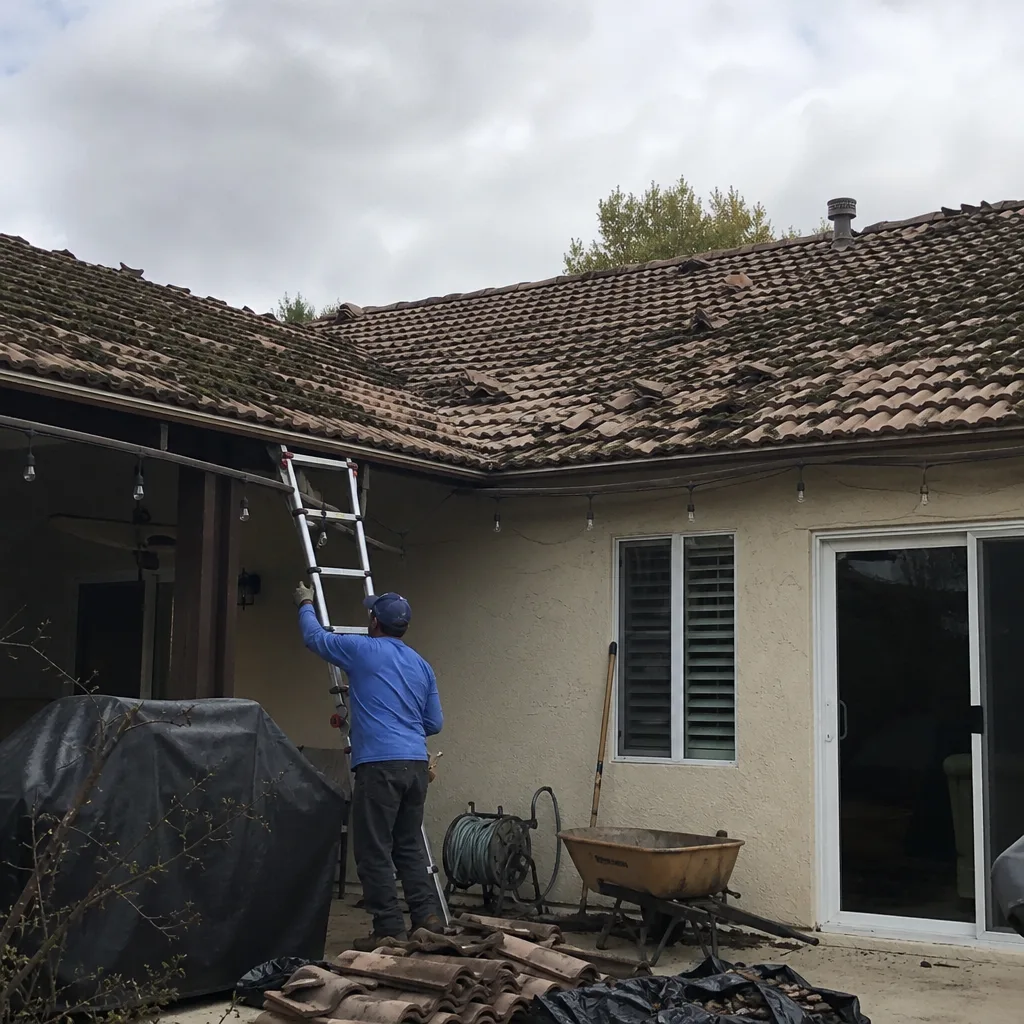 Before
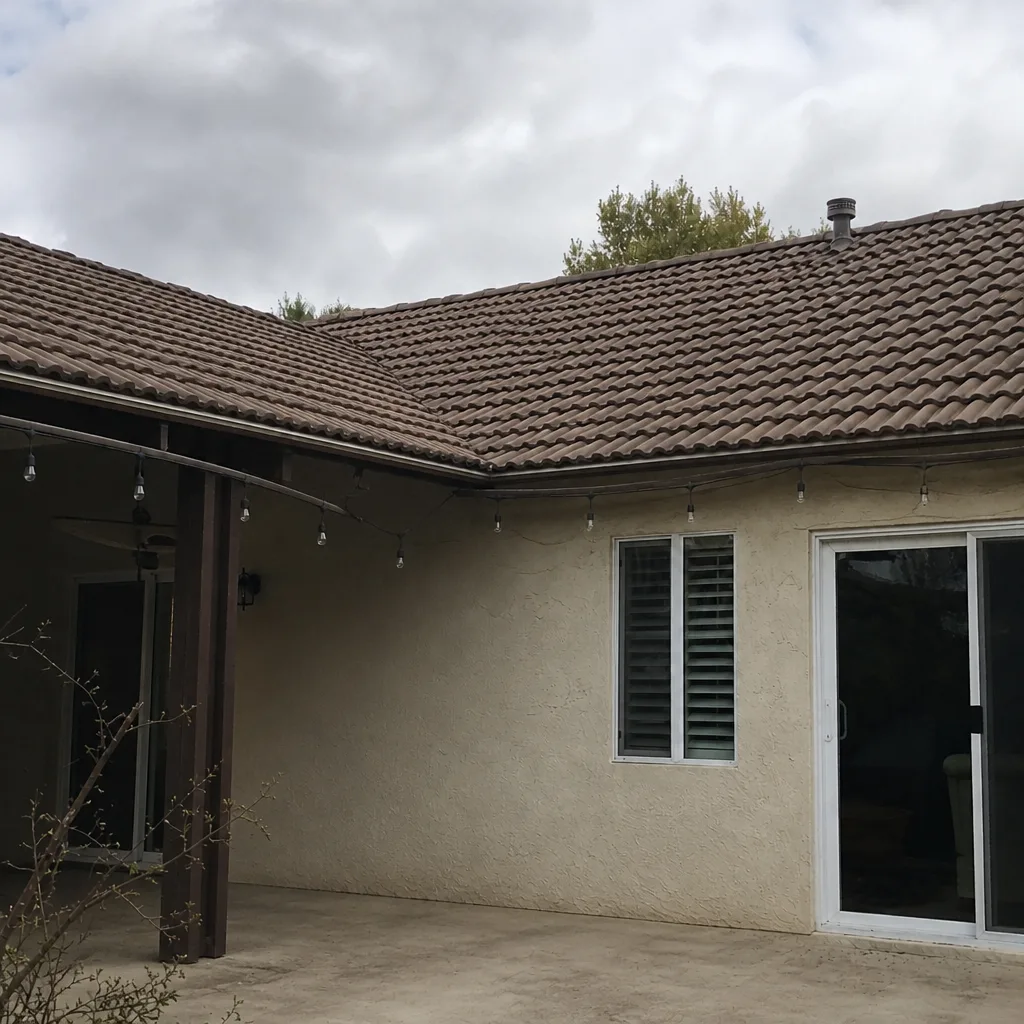 After
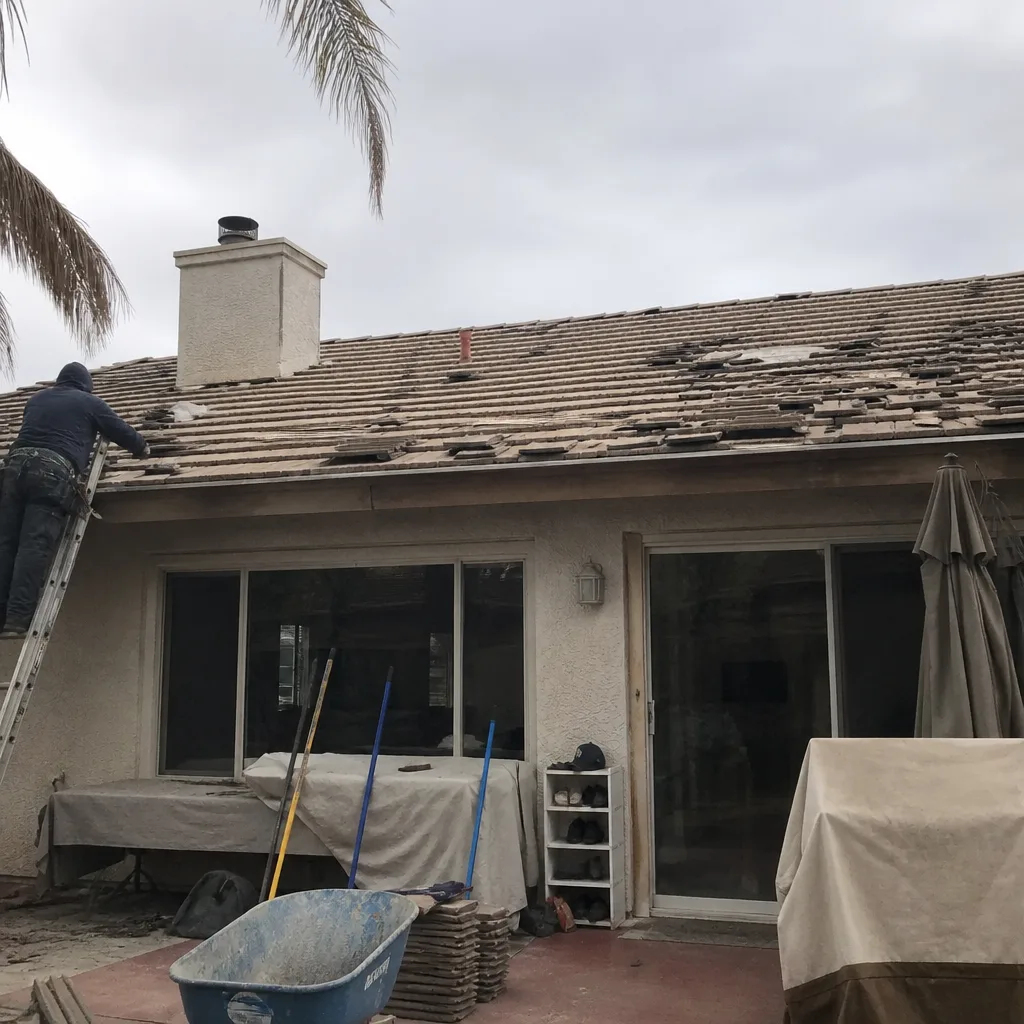 Before
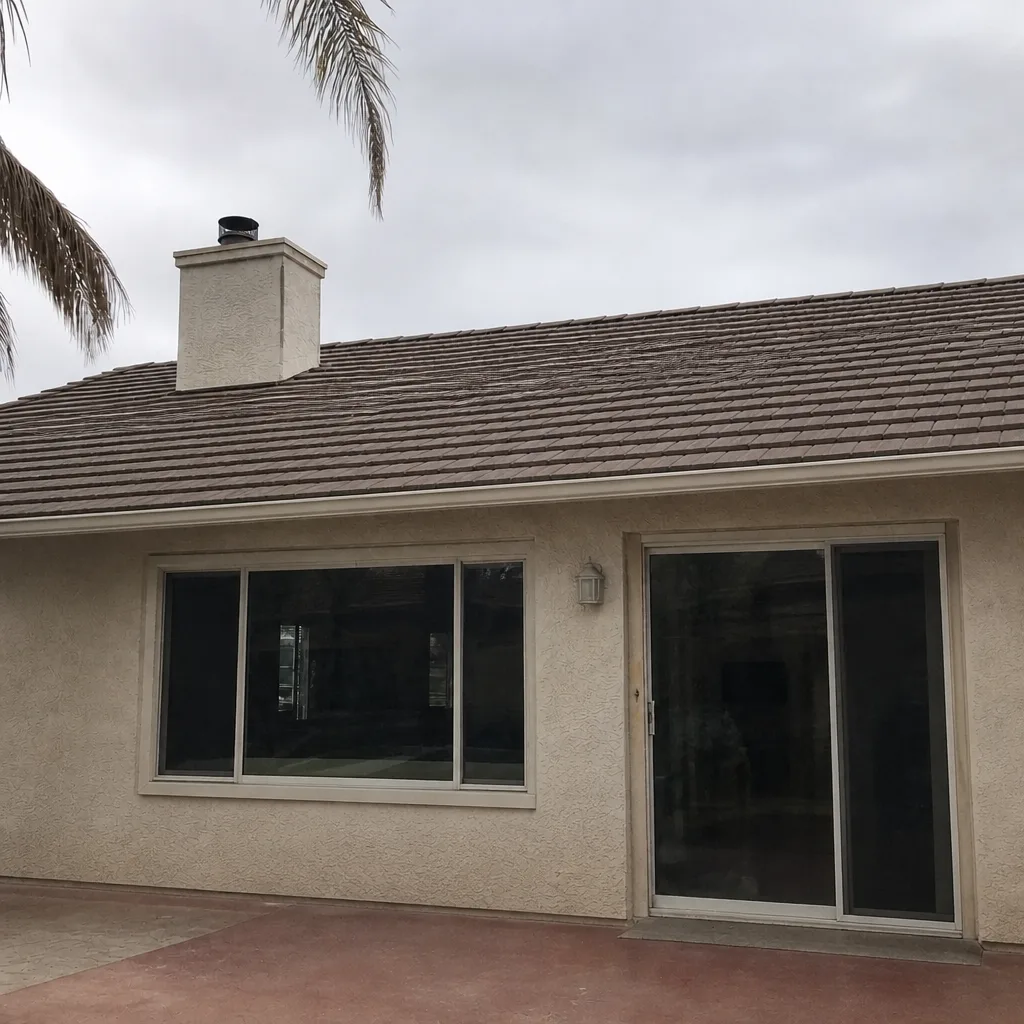 After
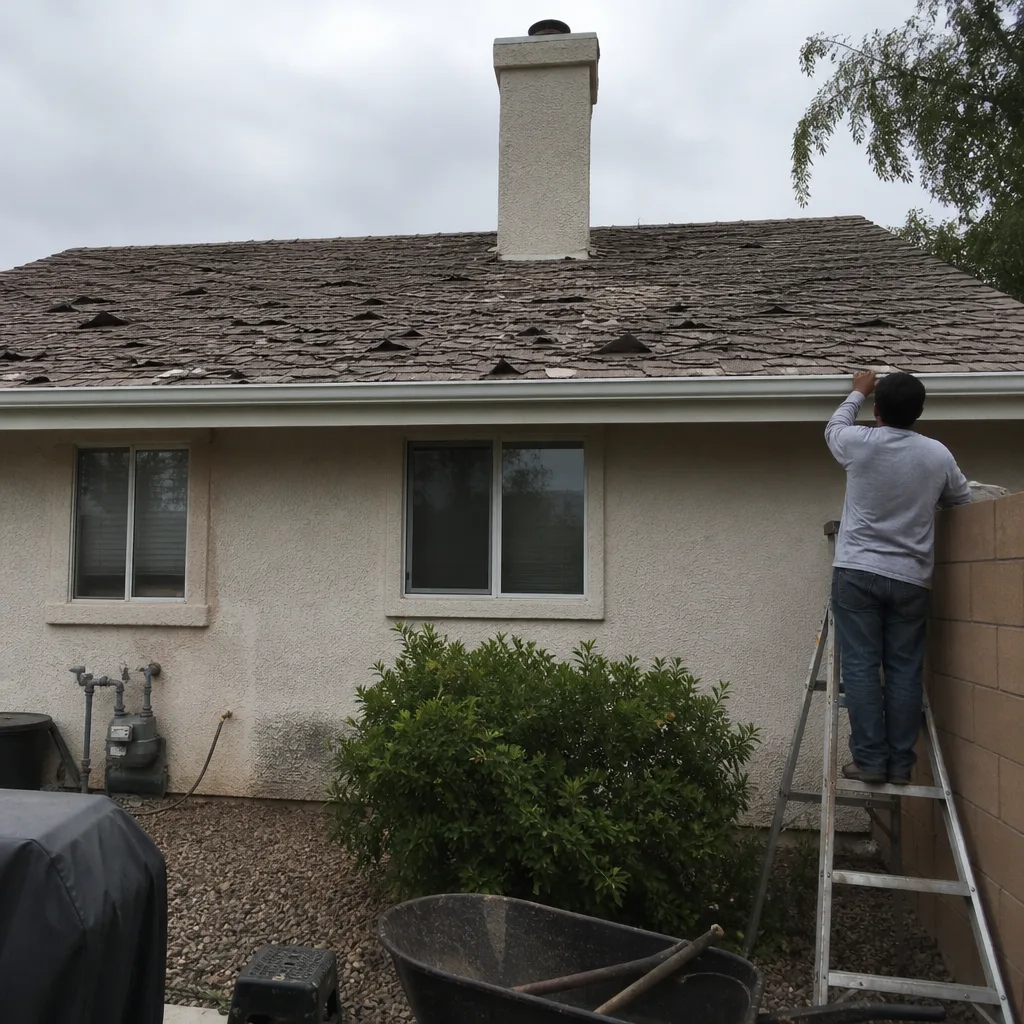 Before
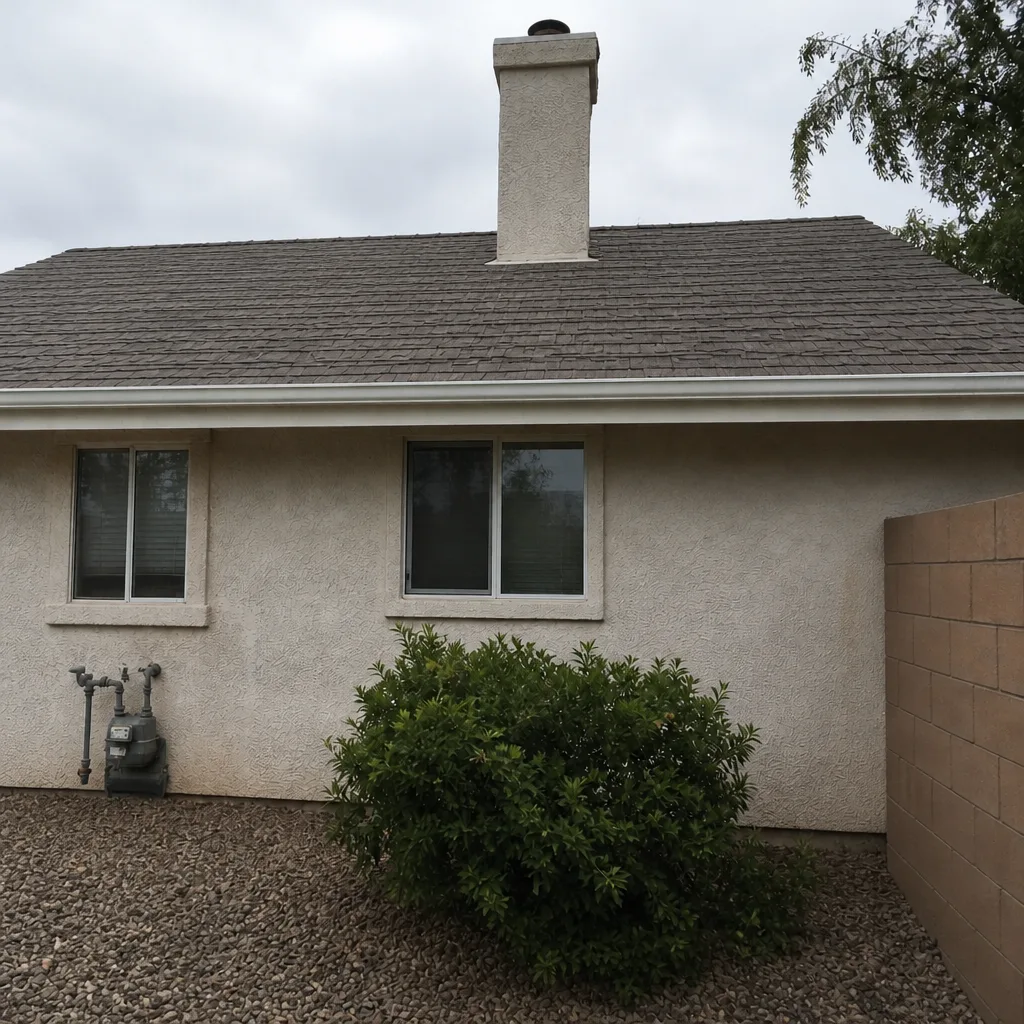 After