
Last updated November 18, 2026
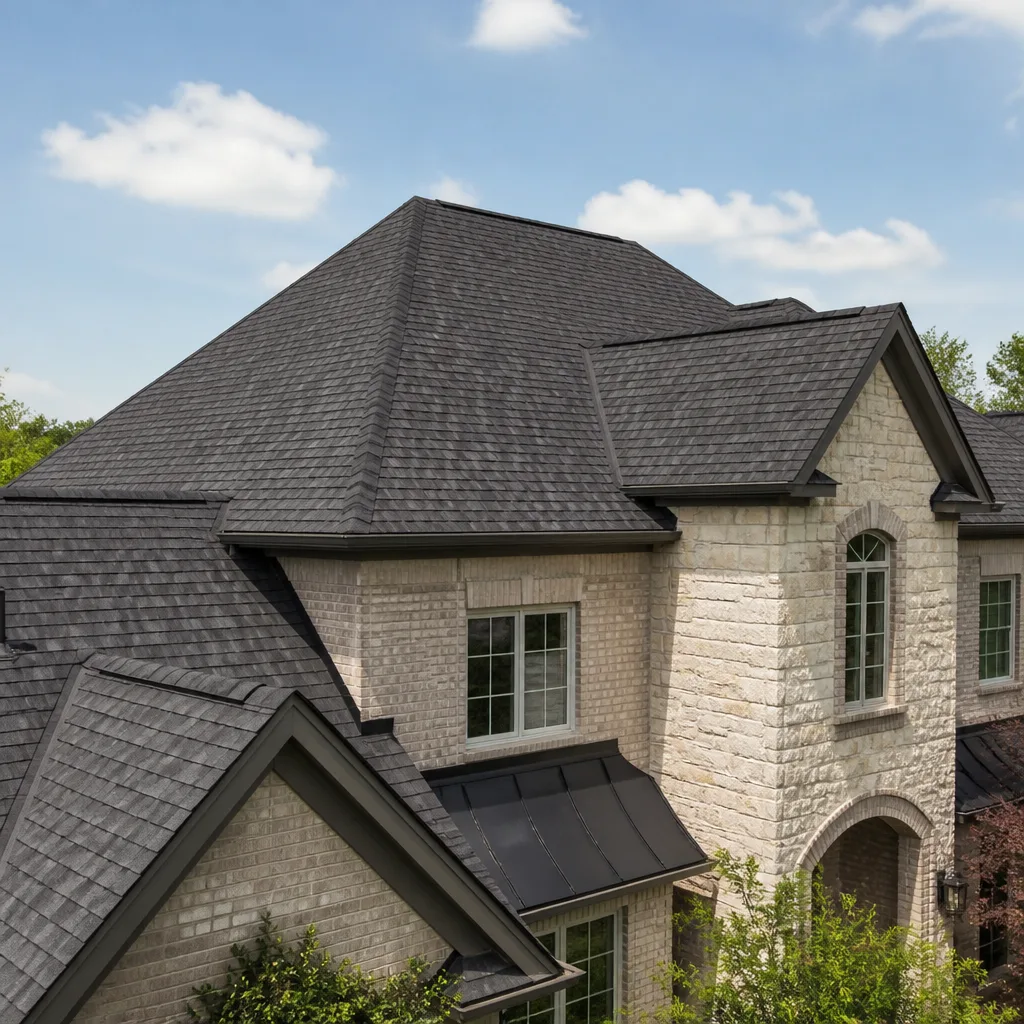 Architectural shingles
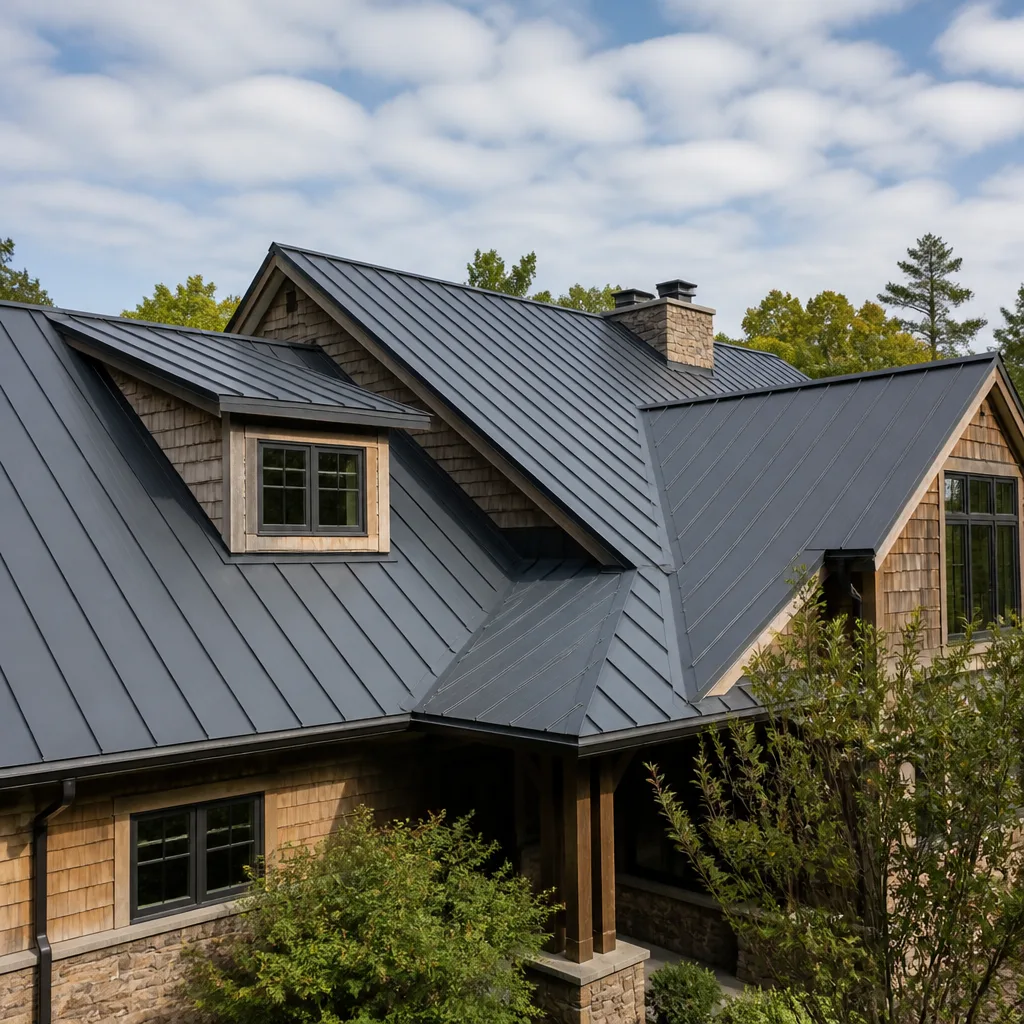 Metal roofing
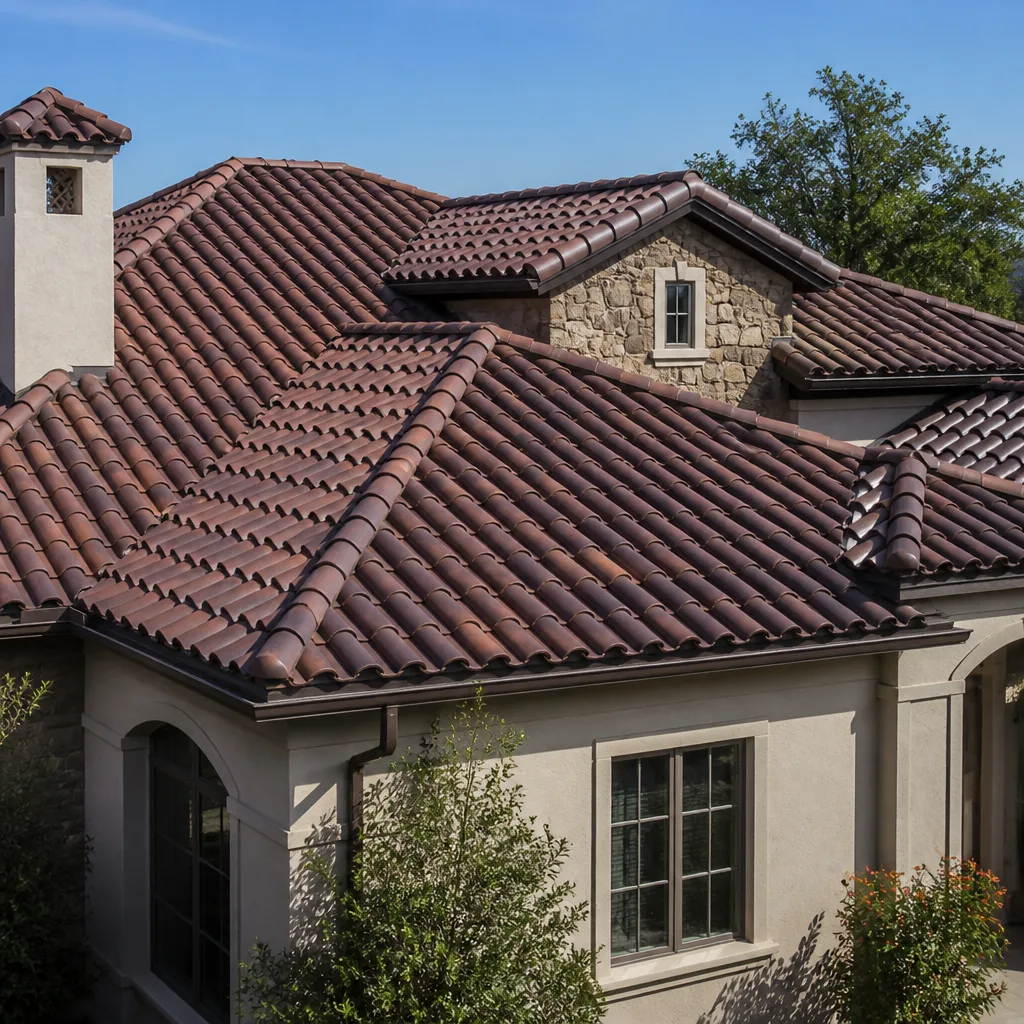 Tile roofing
 GAF
 Owens Corning
 Flat & low-slope
Free roof inspection with deck photos before we talk money - GAF and Owens Corning certified installation
DIY vs Professional Roof Replacement & Installation: What’s Safe to Do Yourself
Here’s the number that surprises most homeowners: Nevada Revised Statutes 624 requires a licensed C-15 roofing contractor for any roofing job over $1,000. A full replacement almost always clears that threshold by a wide margin. That single fact changes the whole DIY conversation. This isn’t about whether you’re handy enough to swing a hammer. It’s about what happens to your insurance, your warranty, and your ability to sell the house five or ten years from now if the work was done without a license or a permit. In this guide we’ll walk through the Nevada licensing and permit reality, the manufacturer warranty clause almost every DIYer overlooks, what a self-installed roof actually costs once you rent the equipment, and the one narrow case where doing it yourself makes real sense. We’ll keep it specific to what we see on Summerlin roofs.
Quick Answer
Full roof replacement is not a safe or financially sound DIY project in Nevada. Jobs over $1,000 require a licensed C-15 roofing contractor, most major shingle and tile brands void the material warranty when installation is done by an unlicensed party, and an unpermitted replacement can void homeowner’s insurance claims and surface in a title search years later. Minor repairs and maintenance are reasonable DIY territory. Replacement is not.
Styles & brands we work with
- Architectural shingles
- Metal roofing
- Tile roofing
- GAF
- Owens Corning
- Flat & low-slope
Table of Contents
- What Nevada law actually requires (and what the fines look like)
- The manufacturer warranty clause most DIYers miss
- What DIY actually costs versus a licensed crew
- The physical reality of a Summerlin replacement
- What’s genuinely safe to do yourself
- The one partial exception: detached structures
- Common mistakes to avoid
- When to call a professional
What Nevada Law Actually Requires (And What the Fines Look Like)
Nevada treats roofing as a licensed trade. The Nevada State Contractors Board issues a C-15 classification specifically for roofing and waterproofing. Any project over $1,000 in combined labor and materials requires a contractor holding that license. A standard ranch home in Summerlin needs somewhere north of 25 squares of roofing, and at typical material costs alone you’re well past the threshold before a single nail goes in.
What happens if you skip it? A few things, none of them pleasant:
- Permit fines. The Southern Nevada building departments that serve Summerlin and the surrounding valley can issue citations for unpermitted work. Fines add up per day in some jurisdictions, and you pay them, not a contractor.
- Title problems. Unpermitted structural work on a house can show up in a title search when you sell. Buyers’ lenders get nervous, and some won’t fund a loan on a property with open permits or unpermitted improvements. You could be forced to tear out and redo the roof to close the sale.
- Inspection failures. A replacement done without permits never receives the inspections a permitted job gets. Nobody verified the decking, the underlayment, the flashing, or the nailing pattern. That paperwork trail matters later.
- Insurance coverage gaps. Homeowner’s policies typically require code-compliant work. If a roof-related claim comes up and the carrier learns the roof was installed unpermitted by an unlicensed party, coverage for that claim can be denied.
“I watched the videos” doesn’t satisfy a building inspector. The inspector cares about permits, licenses, and the sequence of inspections. Those are the facts that hold up when a buyer’s agent starts asking questions in Summerlin.
The Manufacturer Warranty Clause Most DIYers Miss
Every major roofing manufacturer writes a warranty that hinges on who installed the product. GAF, CertainTeed, Tamko, and the rest all tie their strongest coverage to installation by a licensed, often manufacturer-certified, contractor. The material warranty is one thing. The labor and workmanship warranty is another, and it’s usually where the real protection lives.
Here’s what typically happens with a DIY install:
- The material warranty may survive but weaken. Some brands honor defects in the shingle or tile itself regardless of installer. Many narrow that coverage sharply when the installation wasn’t done by a licensed contractor.
- The workmanship warranty disappears entirely. No manufacturer warrants a roof they didn’t see installed by a professional. If a tile cracks or a shingle lifts two years in, the labor to fix it is on you.
- Wind and impact ratings get harder to claim. A 110-mph wind rating is earned by the nailing pattern and installation method, not the shingle wrapper. If you can’t document how it was fastened, the manufacturer has an easy out.
In our experience, the warranty conversation is the one homeowners regret not having before they climb the ladder. A roof you install yourself saves money on day one and can cost far more on day 900.
What DIY Actually Costs Versus a Licensed Crew
The gap is smaller than most people expect, and the risk transfer is enormous. Here’s roughly how the numbers shake out for a typical Summerlin roof on a single-family home, using a concrete tile roof as the example since that’s what dominates much of the area.
- Materials: Concrete tile, underlayment, flashing, ridge caps, and fasteners run several thousand dollars on a typical roof. You buy at retail, not contractor pricing.
- Rented equipment: A dumpster, a tile lift or conveyor for the tear-off and delivery, and safety gear all add up. Some of that equipment you can’t reasonably operate without experience.
- Permits and inspections: If you do it legally, you still need the permit. The permit doesn’t make you licensed.
- Your time: A full replacement is days of hard physical labor, often more for a first-timer. Add the cost of the days off work.
- The hidden costs: A mistake in the underlayment or flashing means water intrusion, and water intrusion means interior repairs, mold remediation, and a redo.
When you total the materials, rentals, permits, and your own labor, the savings against a licensed crew shrink fast. And the licensed job comes with a written workmanship promise, permits pulled and inspections passed, and a real name on the paperwork. That’s the part you can’t rent from a hardware store.
The Physical Reality of a Summerlin Replacement
A Summerlin roof is not a flat, cool-climate shingle job. It’s usually a concrete tile roof on a moderate pitch, and the work happens in serious heat. In July and August, surface temps on a tile roof in Summerlin routinely push past what’s safe to work on without the right gear and the right habits. Crews start early, rotate off the roof, and hydrate constantly. A homeowner doing this over a weekend does none of that.
The tile itself adds another layer of physical risk. Concrete tile is heavy, brittle, and awkward to handle. It breaks if you drop it, and a broken tile is a leak waiting to happen. Lifting and setting thousands of tiles by hand over multiple days is a different job than nailing shingles on a cool spring morning in a milder climate. The pitch on many Summerlin homes is modest, but “modest pitch” still means a fall hazard, and the heat makes every misstep more likely.
The HOA layer adds one more consideration. Many Summerlin communities have architectural review requirements around roofing materials, colors, and installation. A replacement needs to match the approved spec. If you install something the HOA didn’t approve, you may be redoing it. We help homeowners navigate those approvals as part of a standard replacement. If you want to see how a permitted, HOA-aligned replacement runs, take a look at our Roof Replacement & Installation in Summerlin page.
What’s Genuinely Safe to Do Yourself
We’re not going to tell you to call a roofer for every loose shingle. There’s real value in a homeowner who knows their roof. Here’s what’s safe, sensible DIY territory:
- Visual inspections from the ground. Binoculars, a walk around the perimeter after a wind event, and a look at the ceiling inside after heavy rain. You can catch a lot without leaving the ground.
- Clearing gutters and debris. On a single-story roof with a stable ladder and flat footing, cleaning gutters and clearing leaves from valleys is reasonable. Keep at least two points of contact and never do it in heat or wind.
- Checking and resealing small penetrations. A dab of approved sealant around a vent boot or a flashing edge is a fair homeowner task, provided the penetration itself is intact.
- Minor caulk and trim work. Cosmetic touch-ups on fascia and trim don’t threaten the roof’s integrity.
- Documenting everything. Photos of the roof from the ground, notes on dates, receipts for any work. This protects you later.
What’s not on this list: climbing onto a multi-story roof in Summerlin heat, pulling tiles, and working around the structural components of the roof assembly. Those are the parts where experience matters. Our team at Shepherd & Sons Roofing Summerlin home has seen enough homeowner attempts that went sideways to know how the story usually ends. If you’re seeing a problem and aren’t sure it’s a small fix, a Roof Repair in Summerlin evaluation is cheaper than the interior repair a missed leak will cause.
The One Partial Exception: Detached Structures
Here’s where DIY can genuinely make sense. A detached shed, a small casita, a detached garage, or a standalone workshop sits in a different risk category. The stakes are lower. If you botch the roof on a shed, you’re out a shed, not your house and your insurance policy.
A few things make detached structures a fair DIY candidate:
- The permit threshold. A small detached structure may fall under the $1,000 project threshold, or require a simpler permit. Check with your local building department before assuming either way.
- Lower insurance exposure. Your homeowner’s policy doesn’t hinge on the shed roof the way it does on the house roof.
- Simpler geometry. A shed roof is usually a simple gable or single slope, not a complex multi-plane roof with valleys and penetrations.
- Manageable scale. A shed might be two or three squares. That’s a weekend project for a confident homeowner, not a multi-day ordeal in the heat.
Even here, the safety rules apply. Ladders, heat, and sharp materials don’t care how small the roof is. If the structure is taller than a single story or the pitch is steep, hire it out. The savings aren’t worth a fall.
Common Mistakes to Avoid
- Skipping the permit to “save time.” The permit isn’t a formality. It’s the record that protects you when you sell, and skipping it in Summerlin can follow the house for years.
- Assuming the shingle warranty covers the workmanship. Material warranty and labor warranty are two different things. Read both before you buy materials.
- Buying materials at retail and calling it savings. Contractor pricing on tile and underlayment is meaningfully lower. The retail markup eats a big chunk of the apparent DIY savings.
- Working alone on a roof in the heat. Summerlin summers are not a solo-job environment. Two people minimum, and never during the hottest hours.
- Ignoring the HOA architectural review. A roof color or material the HOA didn’t approve means a redo. Check first.
- Reusing old underlayment under new tile. The underlayment is what actually keeps water out. Fresh tile over failed underlayment is a leak waiting for the first monsoon.
- Underestimating the tile weight and handling. Concrete tile is heavy. Broken tiles from careless handling are common on DIY jobs and easy to spot on inspection.
If you’re weighing a metal option instead, that’s a material where the technical requirements really do favor a trained crew. Our Metal Roofing in Summerlin page walks through what that install involves.
When to Call a Professional
Call a licensed roofer if any of these apply to your situation in Summerlin. The roof is on a two-story or taller home. There’s any question about structural damage or deck condition underneath. You’re dealing with tile rather than simple shingles. The job involves more than a handful of squares. You’re seeing water inside the house. Or you’re planning a full replacement, which is the clear case where the licensing, permitting, warranty, and liability requirements make hiring out the right call. A professional brings the permit, the license, the experience with products from GAF, CertainTeed, Owens Corning, and the rest, and a written workmanship promise. Shepherd & Sons Roofing Summerlin offers free estimates in Summerlin – call (844) 951-4545.
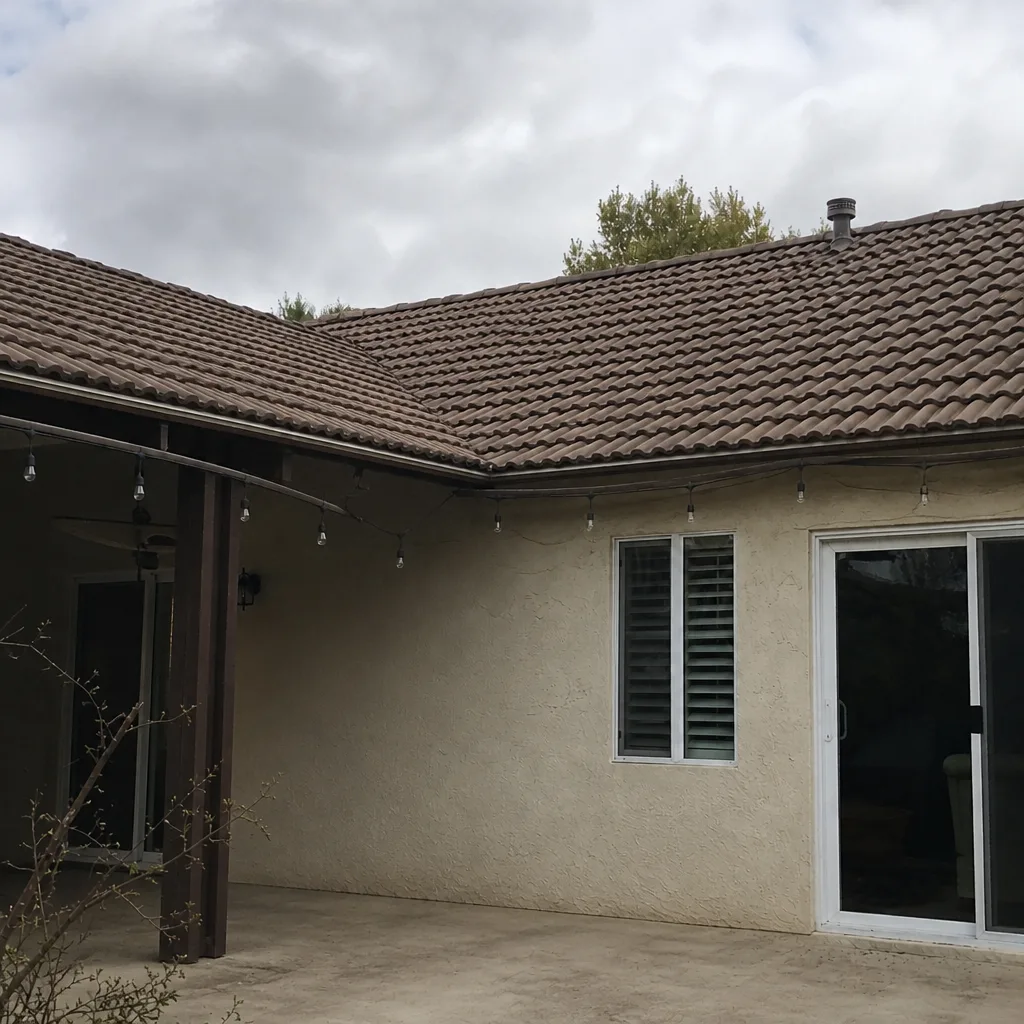
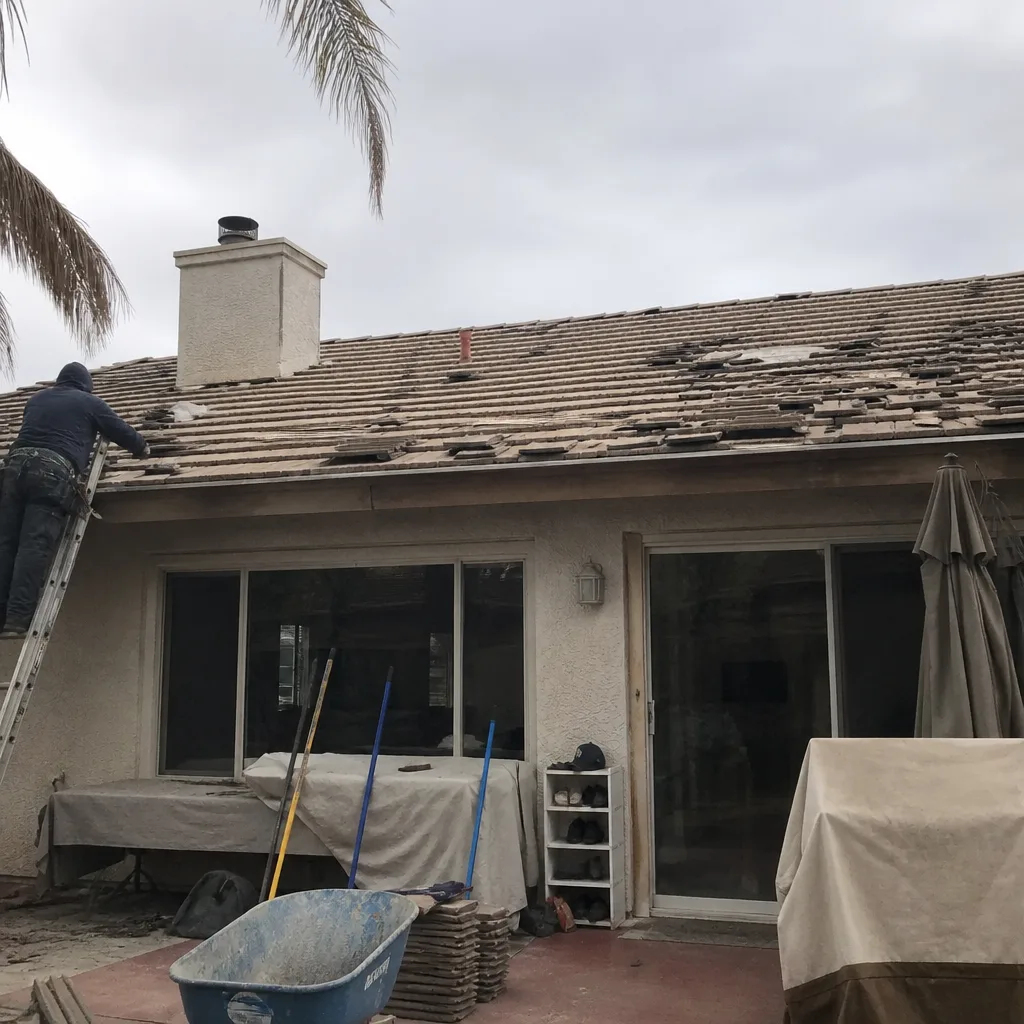
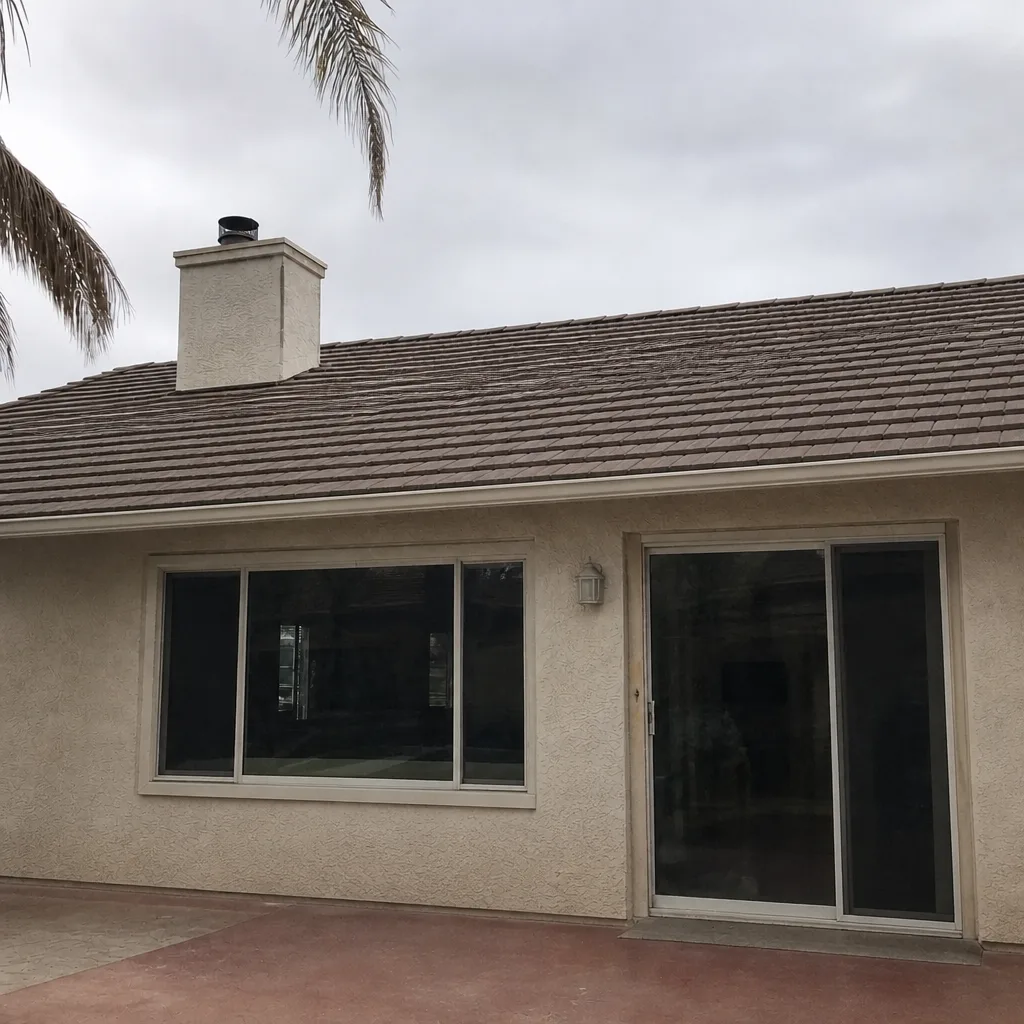
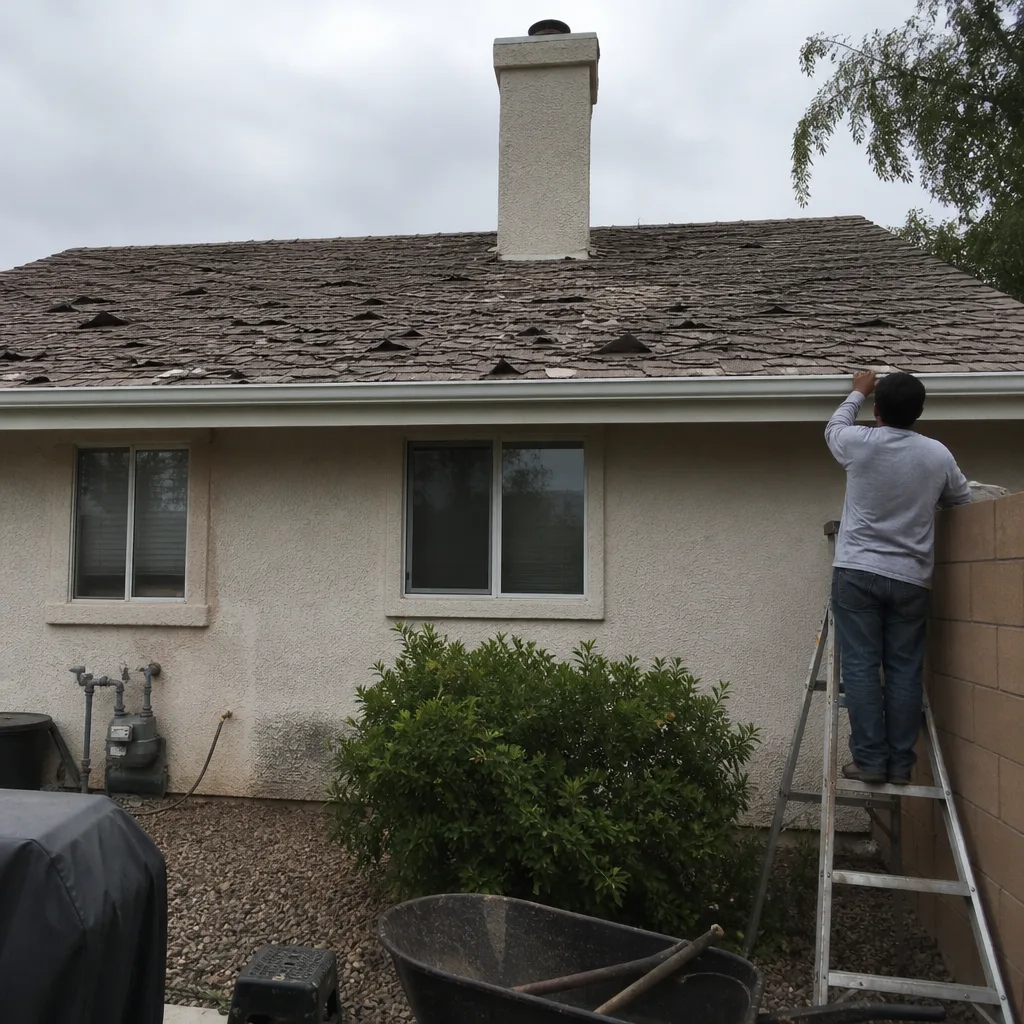
See the difference
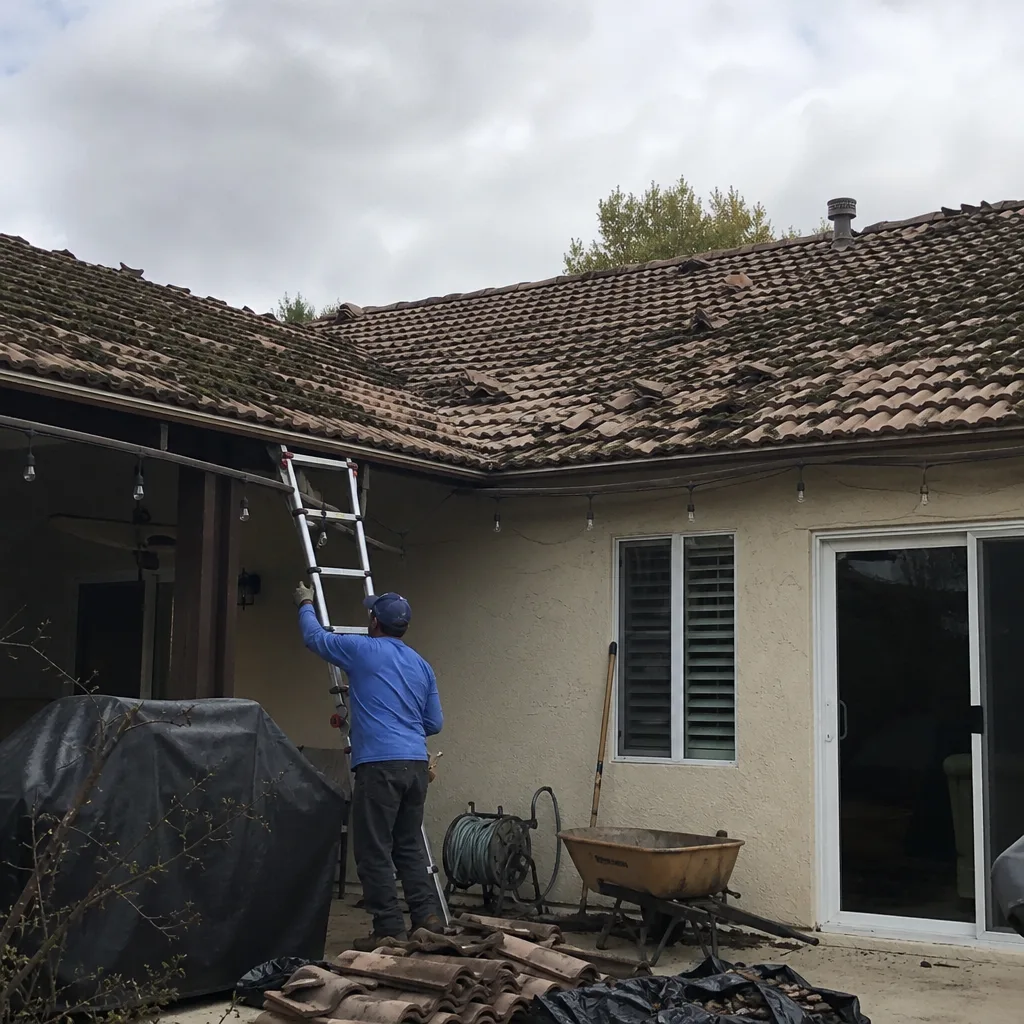 Before
 After
 Before
 After
 Before
 After
Frequently Asked Questions
Not on the main house if the project exceeds $1,000, which a full replacement almost always does. Nevada requires a licensed C-15 roofing contractor for jobs over that threshold. You can perform minor maintenance and repairs yourself, but a replacement needs a licensed contractor and the appropriate permits.
It can. Most policies require code-compliant work, and an unpermitted or unlicensed installation may give the carrier grounds to deny a roof-related claim. The exposure isn’t just the roof itself; water damage from a bad install can be a separate claim they may also question. Call (844) 951-4545 if you’re unsure about an existing roof’s status.
Most major brands tie their strongest material and workmanship coverage to licensed installation, and some void coverage entirely without it. GAF, CertainTeed, and Tamko all write their warranties around professional installation. If you install it yourself, expect the strongest protections to be off the table.
A licensed replacement runs well above the raw material cost for a typical Summerlin home, but once you add rented equipment, retail material pricing, permits, disposal, and your own labor days, the DIY gap narrows more than most people expect. And a licensed job includes a workmanship promise the DIY route can’t match. Call (844) 951-4545 for an exact quote – estimates are free.
Often yes, provided the structure is small, the pitch is modest, and you confirm the permit threshold with your local building department. The insurance and title exposure is genuinely lower on a detached structure. Safety still matters; never work alone in the summer heat.
Most single-family Summerlin roof replacements run several working days depending on size, material, and weather. Concrete tile jobs take longer than shingle jobs because of the weight and handling. Our team has seen enough of these roofs to give you a realistic timeline up front – call (844) 951-4545 for a free estimate and a straight answer on scheduling.
The Bottom Line
DIY roofing in Summerlin is reasonable for inspections, gutter work, and small cosmetic repairs. Full replacement is a different animal. The Nevada C-15 licensing requirement, the permit trail, the insurance exposure, and the manufacturer warranty clauses all point the same direction: this is a job for a licensed, local roofer. The apparent savings from DIY shrink once you add up materials, rentals, permits, and the risk of a redo. The one exception where doing it yourself makes sense is a small detached structure. Beyond that, the smart money is on a crew with a real local address, a published license, and a written promise. Call Shepherd & Sons Roofing Summerlin at (844) 951-4545 to schedule your free estimate – a live person answers, and we’ll show you the deck photos before we talk money.
Written by the team at Shepherd & Sons Roofing Summerlin.