
Last updated November 18, 2026
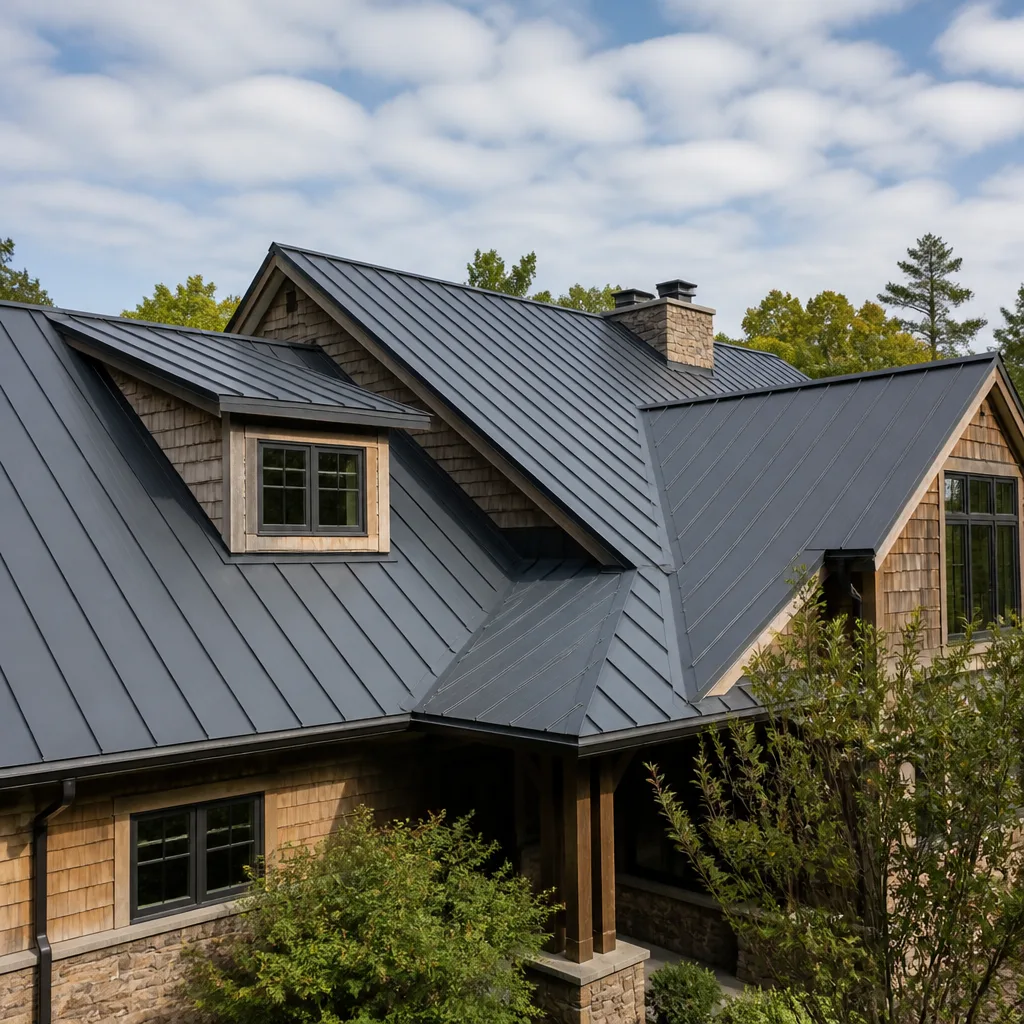 Metal roofing
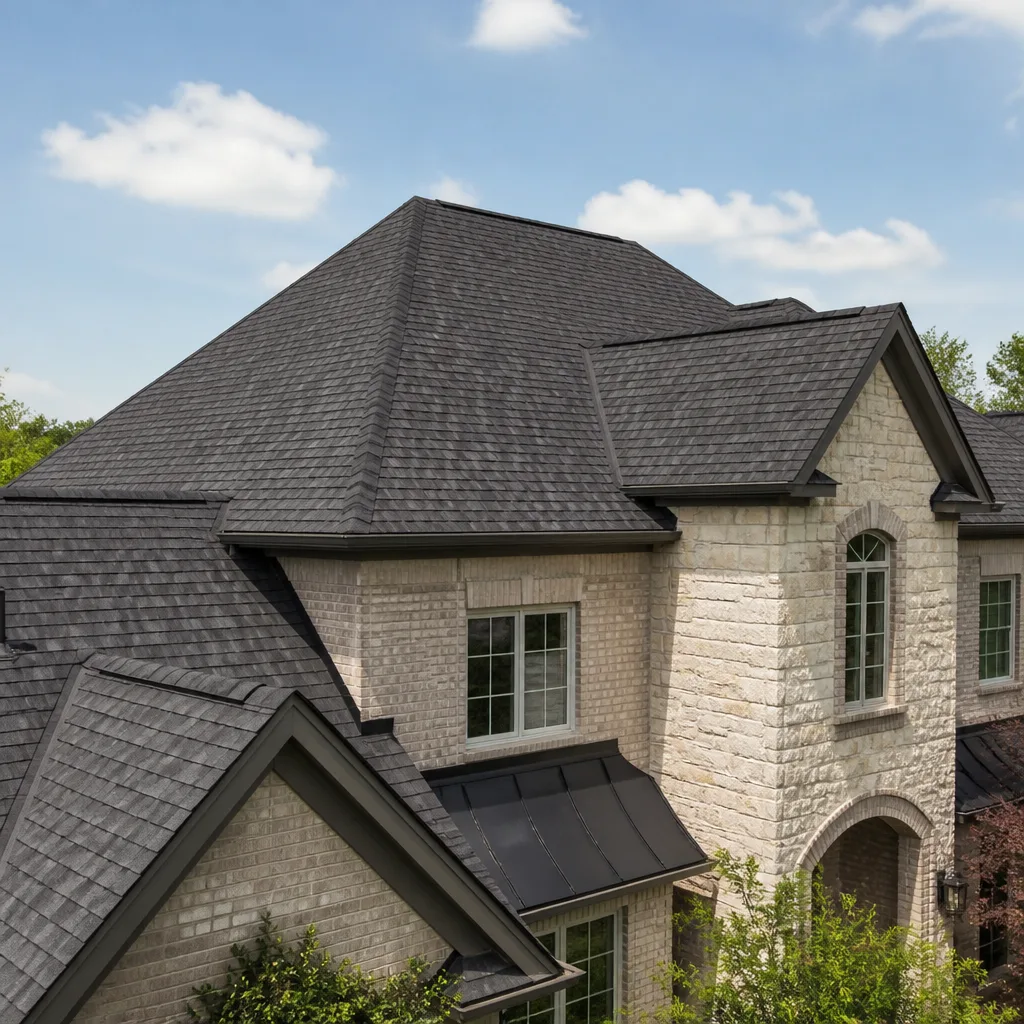 Architectural shingles
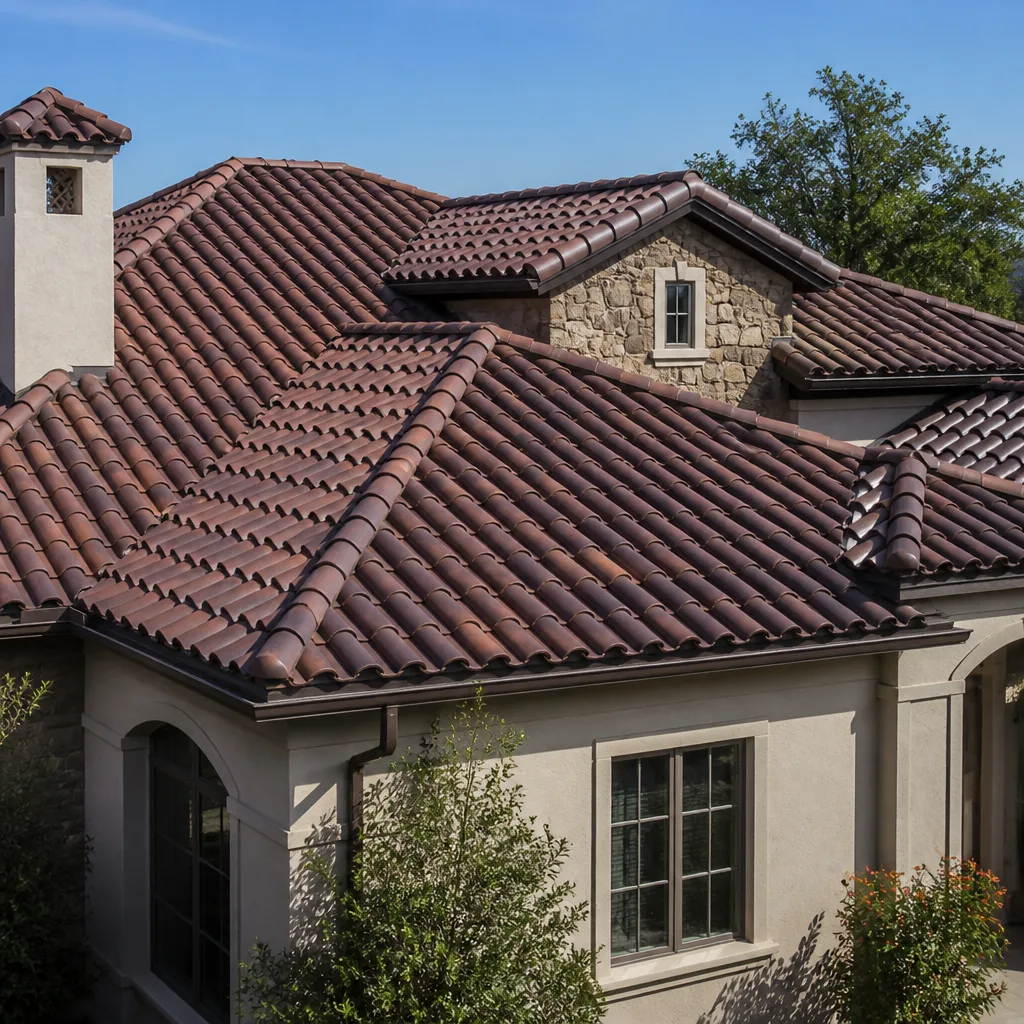 Tile roofing
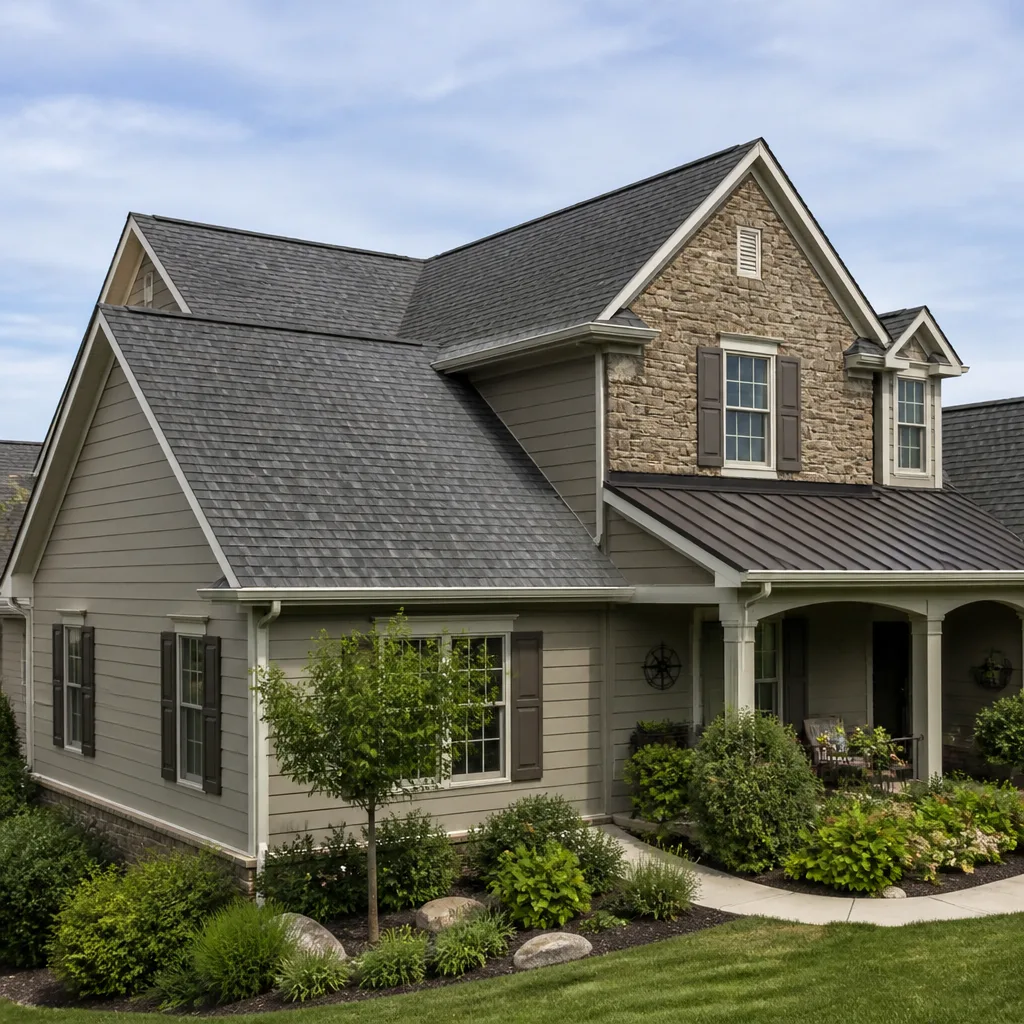 GAF
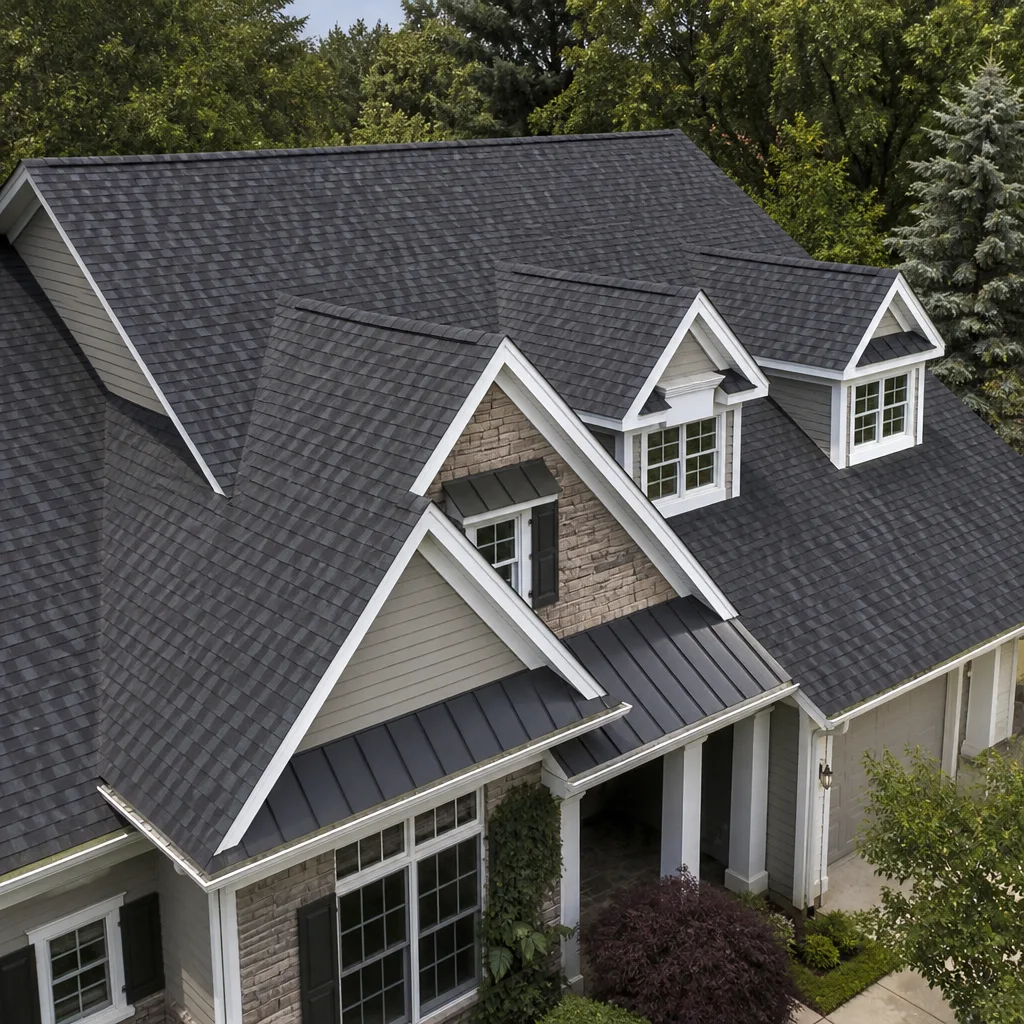 Owens Corning
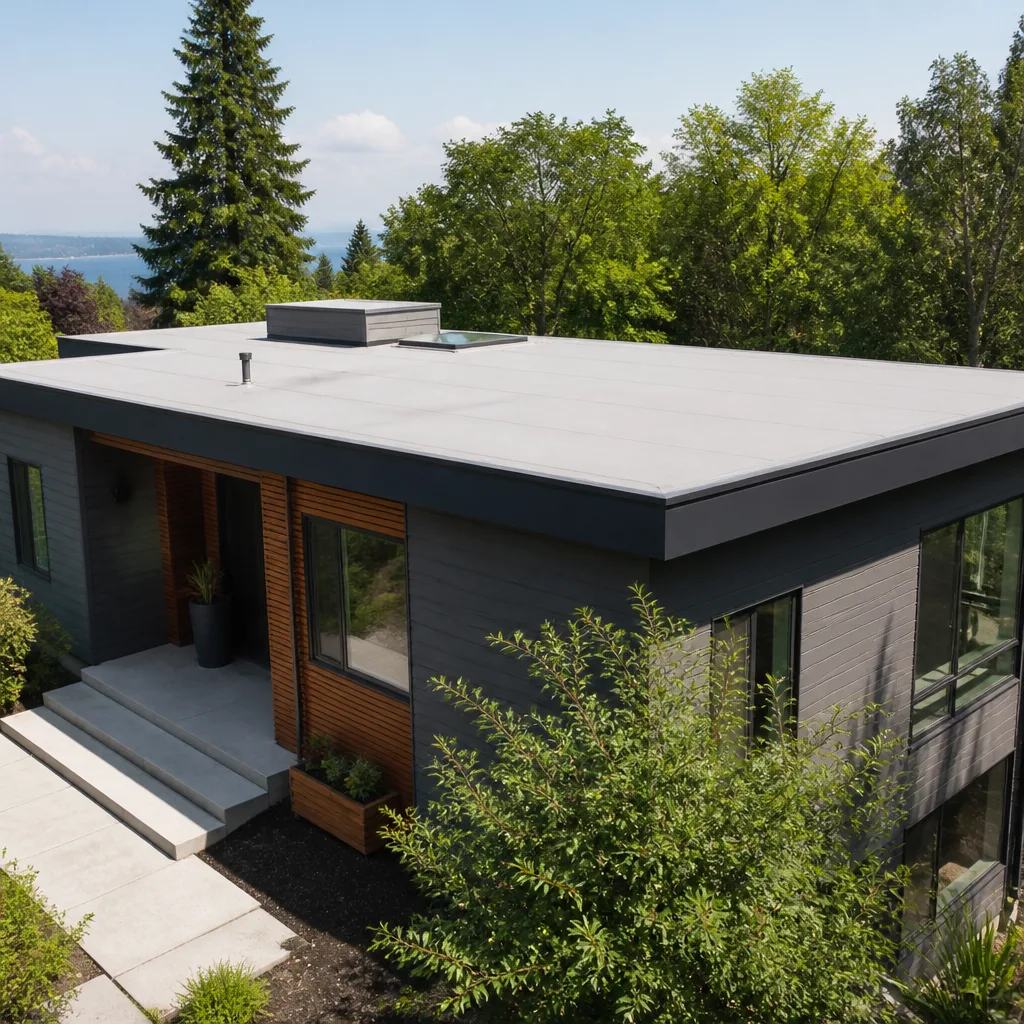 Flat & low-slope
Free roof inspection with deck photos before we talk money - GAF and Owens Corning certified installation
DIY vs Professional Specialty Roofing: What’s Safe to Do Yourself
Applying the wrong sealant to a foam roof yourself is one of the few home repair mistakes that can void your warranty, fail your HOA inspection, and create a repair scope bigger than a full replacement, all at once. Here in Summerlin, where foam and tile systems are common and HOA rules are strict, that mistake is easier to make than you’d think. This guide draws a hard line between the specialty roofing work a homeowner can genuinely handle and the work that will cost you more if you touch it. We’ll cover the chemistry behind foam, the HOA and permit rules that catch people at resale, and the honest way to tell whether a DIY fix is still recoverable.
Quick Answer
On specialty roofing systems, the safe DIY list is short: ground-level photo documentation, clearing flat-roof drain scuppers from a ladder, checking your attic for daylight or staining, and keeping maintenance records. Everything else, including foam recoating, tile mortar work, low-slope flashing, and anything that penetrates the roof, needs a licensed contractor. Specialty systems are unforgiving systems, and the wrong repair doesn’t just fail. It can void a warranty, and it can trigger an inspection problem at resale.
Styles & brands we work with
- Architectural shingles
- Metal roofing
- Tile roofing
- GAF
- Owens Corning
- Flat & low-slope
Table of Contents
- Why Specialty Roofing DIY Is a Different Calculation
- The Hard No List for Summerlin Specialty Roofing
- What You Can Legitimately Do Yourself
- Why Foam Roofing Is Not a Homeowner or General Contractor Job
- The HOA and Permit Dimension in Summerlin
- If You’ve Already Tried a DIY Fix
- A Simple Specialty Roof Maintenance Calendar
- Common Mistakes to Avoid
- When to Call a Professional
- Frequently Asked Questions
Why Specialty Roofing DIY Is a Different Calculation
With standard asphalt shingles, an ambitious homeowner can sometimes handle a small repair. Pop out a cracked tab, reseat a lifted shingle, seal a nail pop. It’s forgiving work. A specialty system is a different animal because specialty roofs are engineered as a single continuous membrane or a layered system, and a repair that doesn’t match the chemistry or the pattern fails. Foam is one continuous surface. Tile is a patterned assembly where every piece locks under the next. Those systems punish improvisation.
The other factor is Summerlin’s climate itself. Our summers push surface temperatures high enough to soften coatings, and our winters get cold enough to make brittle materials crack. A repair done with a product that isn’t rated for that swing can look fine in October and fail by April. The sun here does not forgive a wrong product.
That’s why we treat specialty roofing differently. We’ve watched more than a few homeowners call us after a weekend project on a Summerlin foam roof went sideways. Nearly every one wished they’d called first. Here’s the honest rule: if the repair involves a product, a membrane, or a penetration, it’s a professional job. If it involves your eyes, a camera, a ladder, or a notebook, it’s yours.
The Hard No List for Summerlin Specialty Roofing
Here is the list we hand to homeowners in Summerlin. These tasks require a licensed contractor, and touching them yourself is where the real money gets lost.
- Foam recoating. Foam is a spray-applied polyurethane that has to be overcoated on a schedule. The recoating product has to match the system, the surface prep has to be right, and the thickness has to be measured. Applying the wrong elastomeric coating to a Summerlin foam roof can cause the coating to blister, pond moisture underneath, and void the manufacturer’s warranty in a single weekend.
- Mortar and tile work on tile systems. Cracked, slipped, or broken tile is not a caulk-and-glue job. Repointing mortar under tiles, replacing cracked tiles in the field, and re-seating risers all require matching the underlayment and mortar to the system so water sheds correctly. A DIY mortar patch that’s slightly proud of the surface creates a dam that moves water the wrong way.
- Flashing on low-slope roofs. Low-slope flashings around parapets, scuppers, HVAC curbs, and roof penetrations are the number-one leak source on flat and low-slope Summerlin roofs. They require a layered system, not a bead of sealant. Every “caulk over it” fix we’ve opened up was masking water that had already traveled.
- Anything involving a penetration. Satellite dishes, new vent stacks, skylight repair, chimney counterflashing, or anything that punches a hole in the roof. Each penetration needs the right boot, the right collar, and the right flashing. This is not a job for a tube of sealant.
We know that a homeowner can buy a tube of roof sealant. We’ve said it before and we’ll say it again: specialty roofing is not a sealant job. Sealant is a temporary bandage that hides the failure. The failure is still there when the sealant peels, and usually bigger.
What You Can Legitimately Do Yourself
This is the part most roofing crews never mention, because there’s no money in it. There is a real list of things a homeowner can and should do on a specialty roof. Do these well and you’ll spot problems early, which saves money and makes any professional repair smaller.
- Ground-level documentation photography. Take photos of the full roofline from the same four spots every spring and fall. Same angles, same time of day, every time. When you can compare a photo to one from two years ago, you have a record of how fast a crack is opening or a coating is chalking.
- Clearing drain scuppers from the ground or a step ladder. On flat roofs, leaf litter is the enemy. Use a leaf blower or hand scoop with a step ladder, not a tall ladder to the roof edge. Never stand on a scupper to clear it.
- Attic inspection every year. Walk the attic with a flashlight once a year. Look for daylight through the deck, dark rings on the rafters, or staining on insulation. Daylight means a physical gap. Discoloration usually means a slow active leak. Both are worth a phone call.
- Keeping the maintenance record. Every recoat, every repair, the date, the product, and the name of who did the work. A written maintenance record is the difference between a warranty honored and a warranty denied.
One more safe task: walk the perimeter of the roof from the ground and note where the fascia, soffit, or drip edge looks wet or stained. Don’t get on the roof. Ground level and attic level are your two safe vantage points.
Why Foam Roofing Is Not a Homeowner or General Contractor Job
Foam is the specialty system most likely to be in play on Summerlin roofs, and it is the least DIY-friendly roof on the market. The reason comes down to chemistry.
Foam roofing is spray-applied polyurethane (SPF) installed by a certified applicator with specialized equipment. The A and B components are mixed in a precise ratio as they’re sprayed. Too much B, the foam doesn’t cure properly. Too much A, the foam goes brittle. The applicator measures the pass thickness, the pattern, and the surface prep. Then, once the foam cures, it has to be protected from UV with an elastomeric coating. The coating has to match the foam system, be applied at the correct thickness, and go down under the right weather conditions.
That’s why a general contractor with real skill should still not DIY foam. Skill isn’t the missing piece. Equipment, certification, and a manufacturer relationship are. A homeowner applying a $30 tube of caulk to a foam seam to “stop a leak” is doing one of the few home repairs that can void a warranty, fail an HOA inspection, and turn a repairable seam into a larger recoating scope.
If you have a foam roof and want to know what products are compatible with your existing system before sitting down with a bidder, we’re happy to talk through what to look for. See our Roof Repair in Summerlin service for the recoating and repair side. Ask any bidder what foam system they’re using and confirm the elastomeric coating is rated for a Summerlin climate.
The HOA and Permit Dimension in Summerlin
Summerlin has one of the most active HOA environments in the Las Vegas valley. That matters for roofing work in two practical ways.
First, visible roofing work in many Summerlin communities requires both an HOA approval and a building permit. A homeowner who patches a tile field or installs a coating on a front-facing slope without approval can be required to revert the roof. That’s not a warning rooted in theory. We’ve seen it happen.
Second, that missing permit can show up at resale. In many Summerlin communities, an un-permitted roofing repair can trigger a mandatory licensed inspection before closing. The inspection is now the buyer’s problem in the short term, and yours in the long term, because it has to be corrected to close. A permit for a legitimate roofing repair is not expensive. The correction is.
Here’s the conversation starter: ask any roofer, or call the HOA, what your community’s roofing guidelines are. If you’re unsure of the color, the material, or the pitch, that’s a professional conversation, not a homeowner home-improvement-store purchase. The best time to know is before you touch the roof.
If You’ve Already Tried a DIY Fix
We get these calls every week, and the honest answer is we’d rather hear from you than have you keep patching. Here’s how we walk a homeowner through it.
If the DIY fix was a surface-level product on a foam seam or a low-slope flashing, the original repair is usually still recoverable. The right crew removes the wrong product, preps the surface, and installs the correct layer. That’s usually smaller than a homeowner expects. The wrong product peeling off in a week made it visible. That’s the good news.
If the DIY fix was a mortar patch on a tile field or a wrongly applied coating to a foam roof, the repair sometimes has to go bigger. Wrong elastomeric coating may need to be fully removed before a proper recoat. A proud mortar patch on tile has to come out and be redone to the correct profile. In those cases, the DIY weekend turned a small repair into a larger scope.
The one thing we ask every homeowner with a foam roof to do before their next call: read the manufacturer’s warranty. If the wrong product has already touched the roof, the answer on whether the repair is recoverable usually lives in that warranty document. We’ll tell you plainly what we find.
If you’re hiring the right crew, the right credentials matter. Our Roof Replacement & Installation in Summerlin page covers the process the way we run it, deck photos before money, a measured count of squares, and a written scope in hand before anyone touches the roof.
A Simple Specialty Roof Maintenance Calendar
This calendar is what we recommend for any specialty roof in Summerlin. None of these steps are DIY repair. They’re the safe, eyes-on tasks that make a professional repair small.
- Every spring (March-April). Clear scuppers and drains. Inspect the attic. Take the four quarterly photos.
- Every fall (October-November). Clear scuppers again before any winter rain. Re-inspect the attic. Compare photos to last year’s.
- After any wind event over 40 mph. Ground-level walk-around. Any lifted tile, cracked foam, or newly loose flashing gets a call, not a patch.
- Every five to ten years on foam. Have a licensed roofer assess the coating condition. Foam systems recoated on schedule last decades. Foam systems skipped and patched by an amateur do not.
- Every year in the record book. Log what you inspected, what you saw, and any professional work with the date and product.
If your specialty roof has been in place long enough that you’re not sure of the system, that’s fine. Start with a professional assessment and build from there. Our Metal Roofing in Summerlin page covers one system where the maintenance picture is different and worth knowing.
Common Mistakes to Avoid
- Applying the wrong sealant to a foam seam. Petroleum-based and silicone products are the most common culprits. The wrong product can blister the foam, trap moisture, and void the warranty in a single application. Read the warranty before the tube.
- Caulking a low-slope flashing. The caulk looks fine for a month. By the time it fails, water has traveled under the roof deck. This is the single most expensive “cheap” fix we see on Summerlin flat and low-slope roofs.
- Patching cracked tile with mortar. A cracked tile often means a failed underlayment underneath. Skim-coating the tile hides the cause and creates a dam that pushes water the wrong way.
- Skipping the HOA approval. A visible color change, or a repair that alters the roofline, can be required to revert. Get it in writing before the work.
- Skipping the permit. A small repair without a permit is the most common resale headache we see in Summerlin. Permits for a repair are inexpensive. Correcting an unpermitted repair at closing is not.
- Getting on the roof for anything past a step ladder. Fall risk is real and specialty roofs, especially foam, are slicker than they look. If it requires a full extension ladder and walking the pitch, it’s a professional job for your safety and the roof’s.
- Trusting a bidder who won’t show you the deck. A written scope with a measured square count is the difference between a real bid and a phone guess. Ask for it.
When to Call a Professional
Call a licensed professional for any specialty roof task that involves a product, a membrane, a penetration, an HOA-visible change, or a permit. That’s the safe answer. Also call if you’ve done a DIY fix and you’re not sure it took, if you see staining in the attic after a storm, or if a tile has slipped or a foam seam has opened. Those are all better handled early.
Shepherd & Sons Roofing Summerlin offers free estimates in Summerlin, including a free second opinion on any written estimate you’ve received. Call (844) 951-4545 to set a time for us to come look. We’ll show you the deck photos before we talk money, and the number you hear from us is the number on the written scope.
Frequently Asked Questions
Four tasks are genuinely safe: ground-level photo documentation of the roofline, clearing flat-roof drain scuppers from a step ladder, annual attic inspections for daylight and staining, and keeping a written maintenance record. Everything else on a specialty system, from foam recoating to tile mortar to any penetration, needs a licensed contractor. The safe list is real. The repair list is not.
Foam is a spray-applied polyurethane that requires certification, specialized equipment, and compatible elastomeric coatings to protect it from UV. The wrong coating blisters, traps moisture, and voids the warranty. A homeowner can buy a tube of sealant. What they can’t buy is the equipment and certification to match the system. Call (844) 951-4545 if you want an honest read on your existing foam.
Yes. Most specialty roofing warranties require licensed installation and approved products. A homeowner-applied product, especially on foam, is one of the fastest paths to a denied warranty claim. If you’re not sure what product is approved for your system, ask before you buy it. Calls are free, and we answer them with a real person.
In many Summerlin communities, yes, especially for anything visible from the street or anything that involves a coating system or tile field replacement. The HOA approval often comes first. Missing either can trigger a licensed inspection at resale. Call (844) 951-4545 and we’ll walk through what your community requires.
Call a licensed roofer before you try again. On foam, the wrong product usually has to be removed and the surface prepped before the proper repair can go down. On tile, a proud mortar patch often has to come out. Most repairs we see are recoverable. We’d rather tell you plainly what we find than have you keep patching.
Most foam seam repairs and tile replacements come in under a day on a residential roof. Larger recoating work or a tile field replacement runs longer, usually two to four days depending on square footage and access. We give you a written scope with a measured square count before we start. There’s no surprise on the invoice.
The Bottom Line
Specialty roofing is not a DIY category, and the safe list is shorter than most homeowners hope. Photo documentation, scupper clearing, attic checks, and a written maintenance record are yours to handle. Foam recoating, tile mortar, low-slope flashing, and any penetration belong to a licensed contractor, because the wrong product isn’t just a failed repair. It’s a warranty problem, an HOA problem, and a resale problem. Here in Summerlin, the smart move is to know the difference before you pick up a tube of sealant. Call (844) 951-4545 for a free estimate, and we’ll show you the deck photos before we talk money.
Written by the team at Shepherd & Sons Roofing Summerlin.
Shepherd & Sons Roofing Summerlin is the locally owned, owner-operated roofer the neighbors call. Same address since 1996, a published license number, and a 90-Day Done Right Promise in writing on every job. A live person answers the phone 24/7, and we install products from GAF, CertainTeed, Owens Corning, IKO, Atlas, Tamko, and Boral. For a look at the full range of what we handle, start at Shepherd & Sons Roofing Summerlin home. Call (844) 951-4545 to schedule your free estimate, or to get a free second opinion on any roofing bid you’re holding.
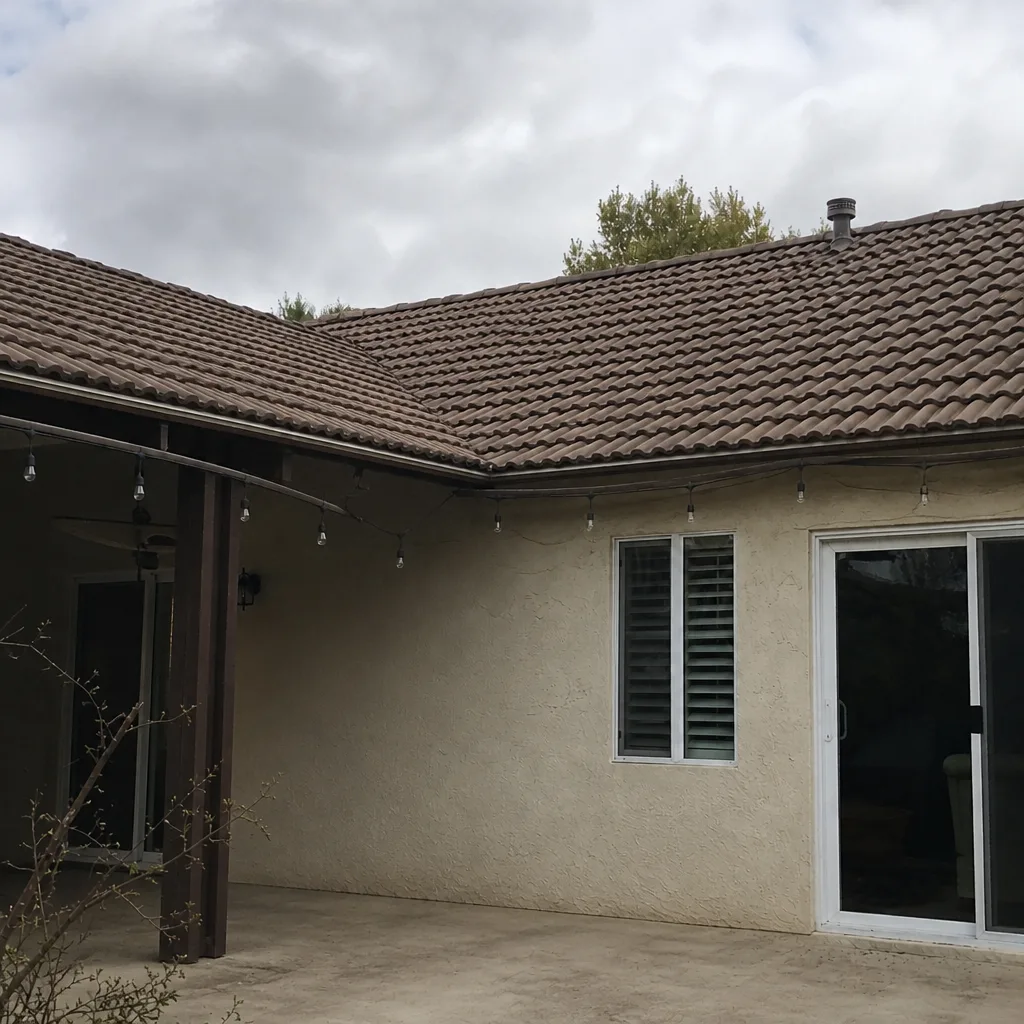
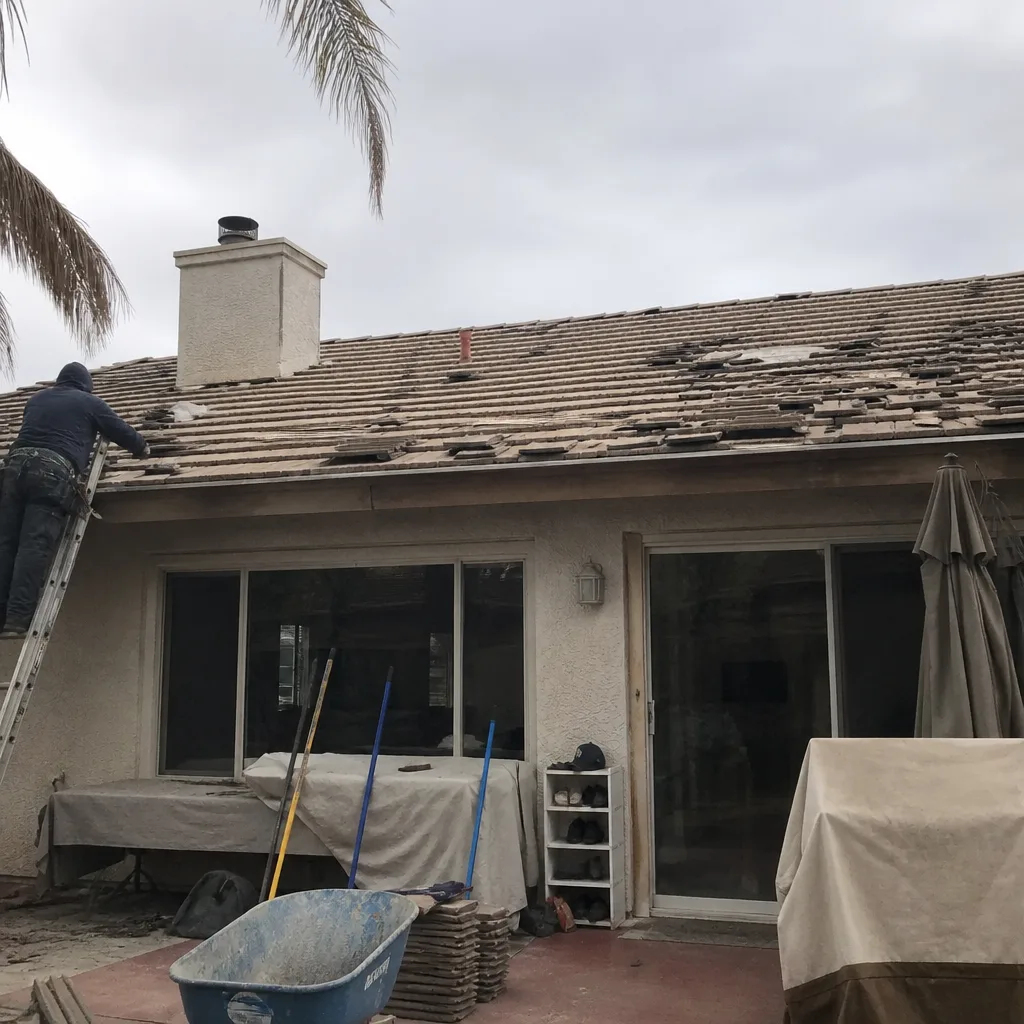
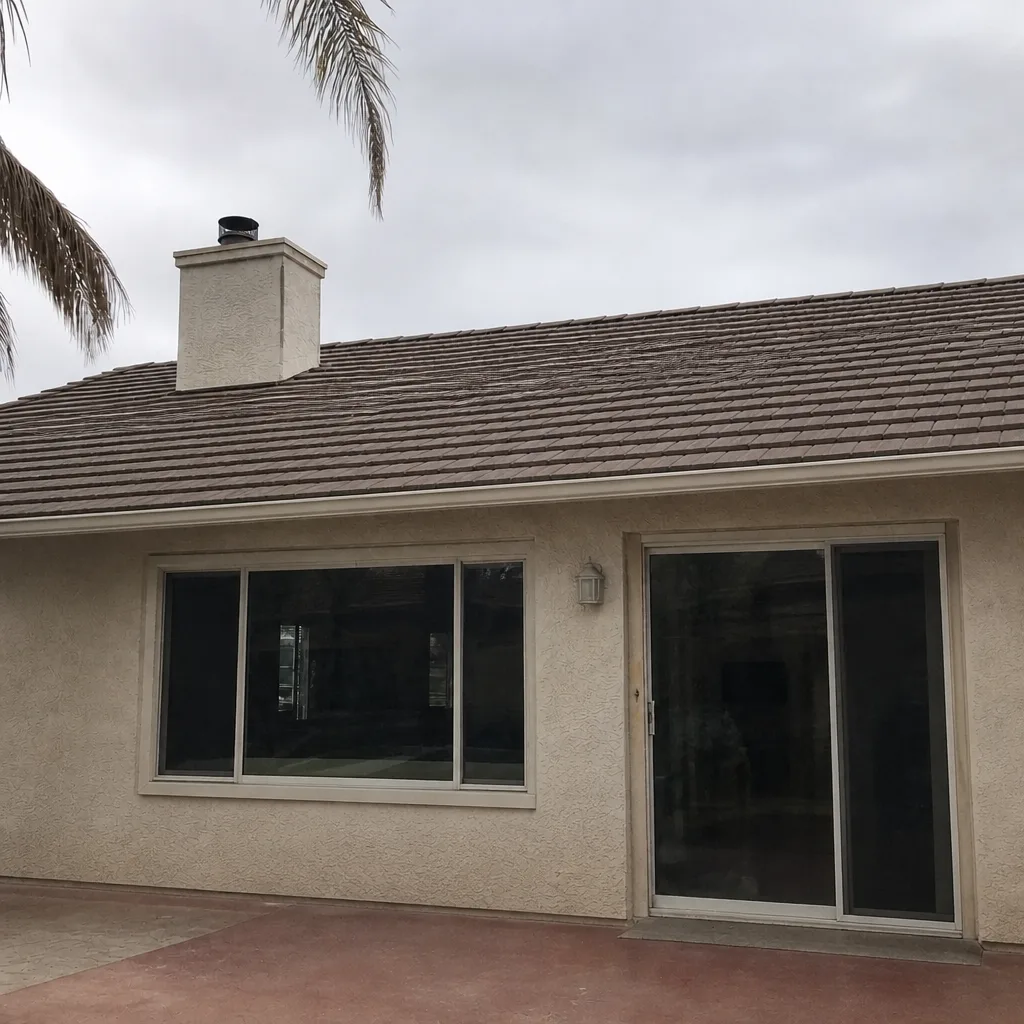
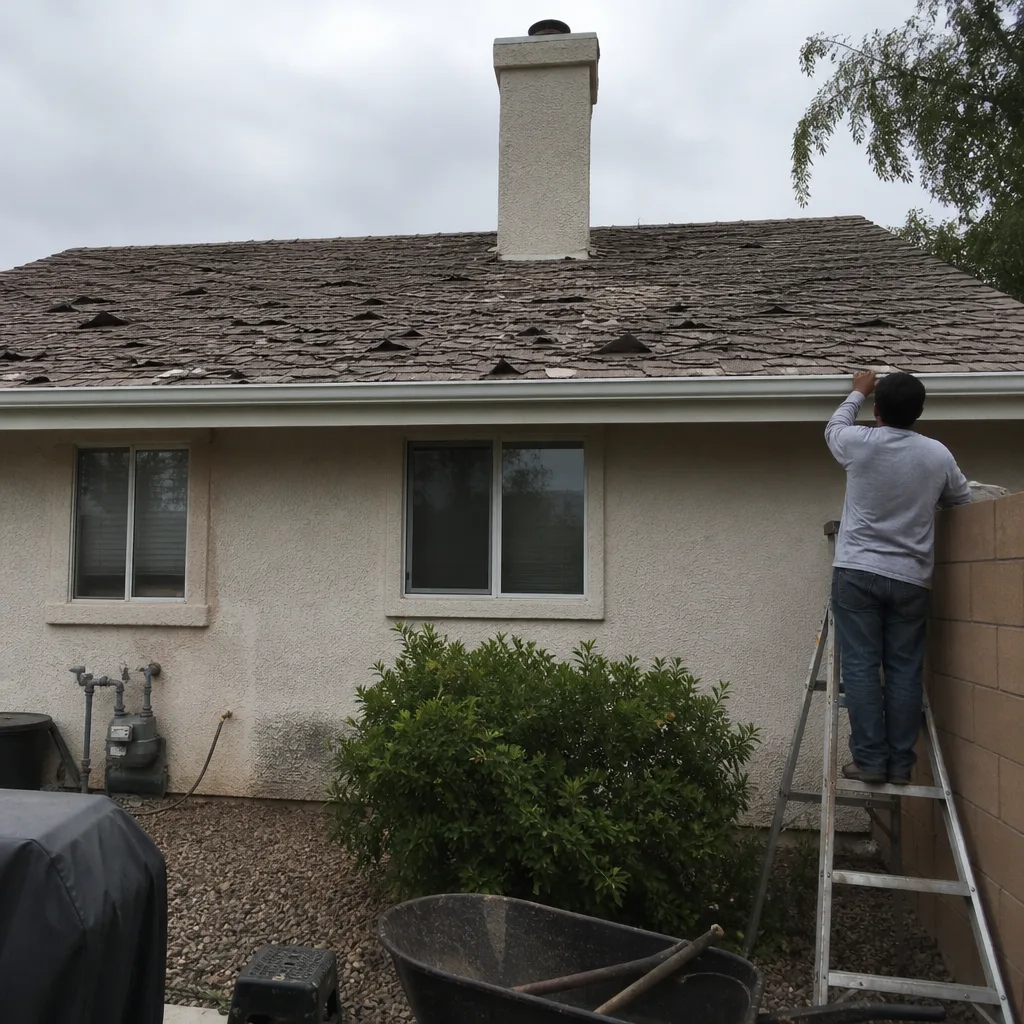
See the difference
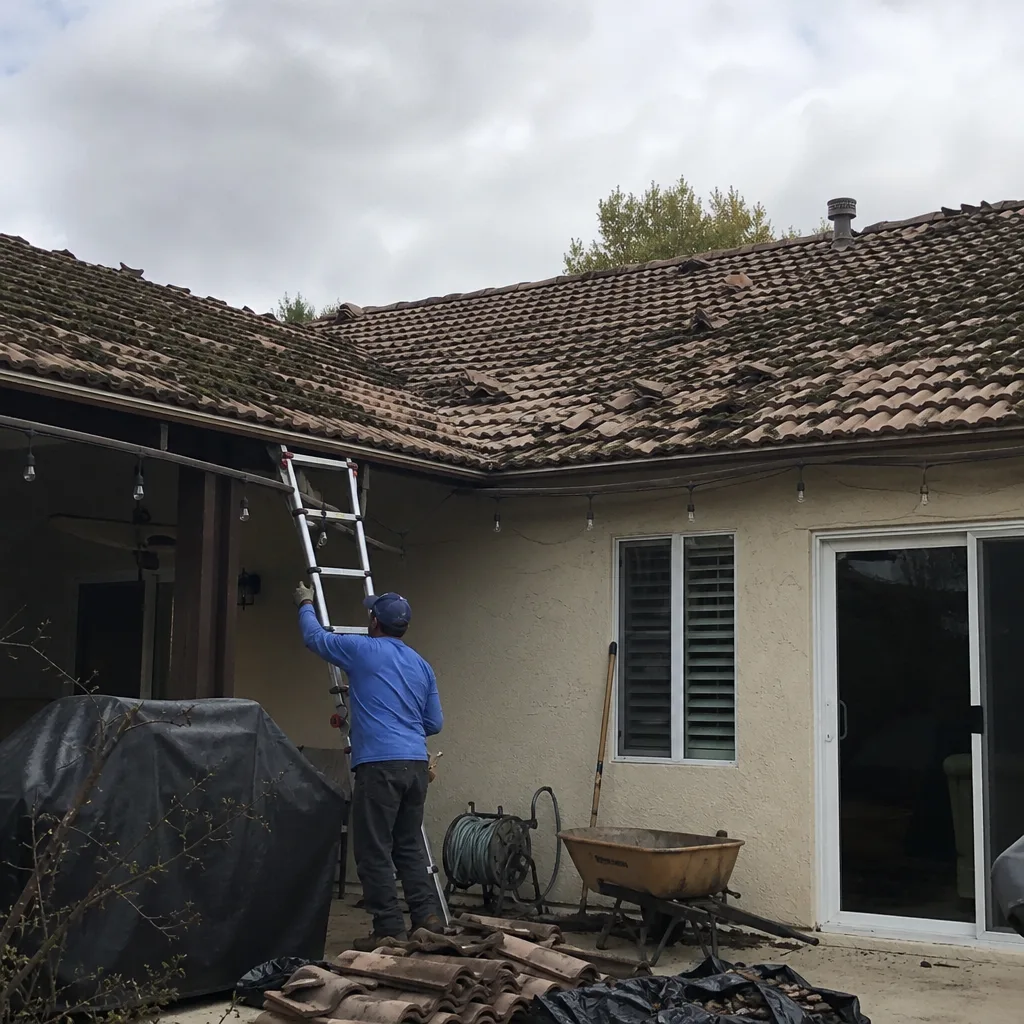 Before
 After
 Before
 After
 Before
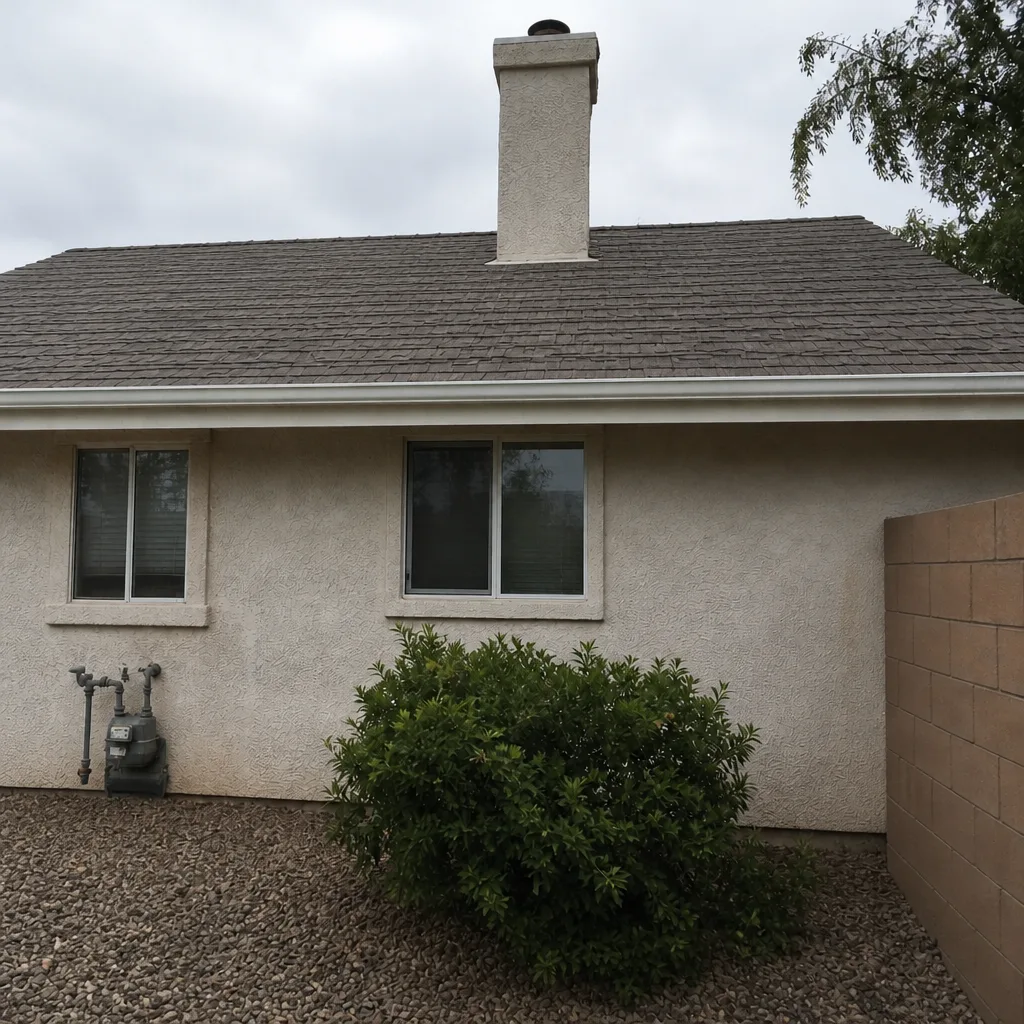 After