
Last updated November 18, 2026
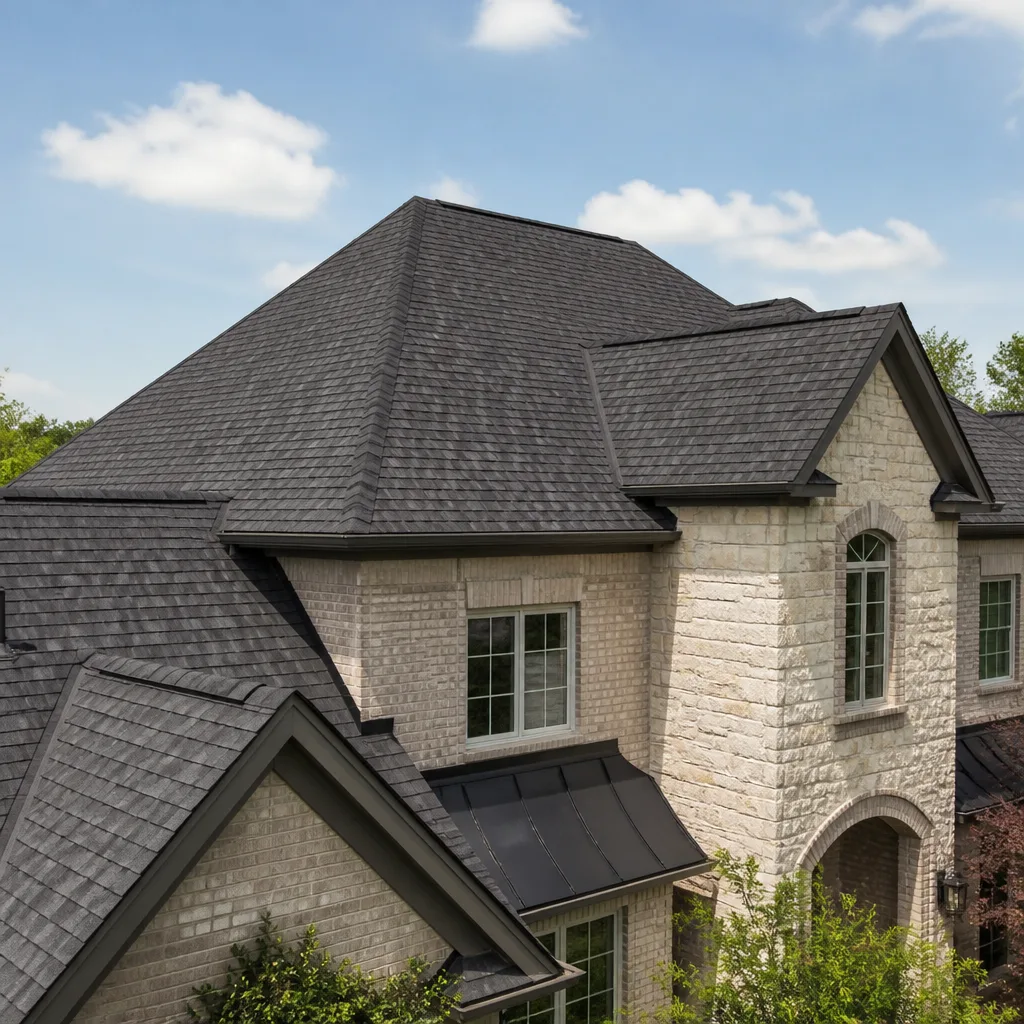 Architectural shingles
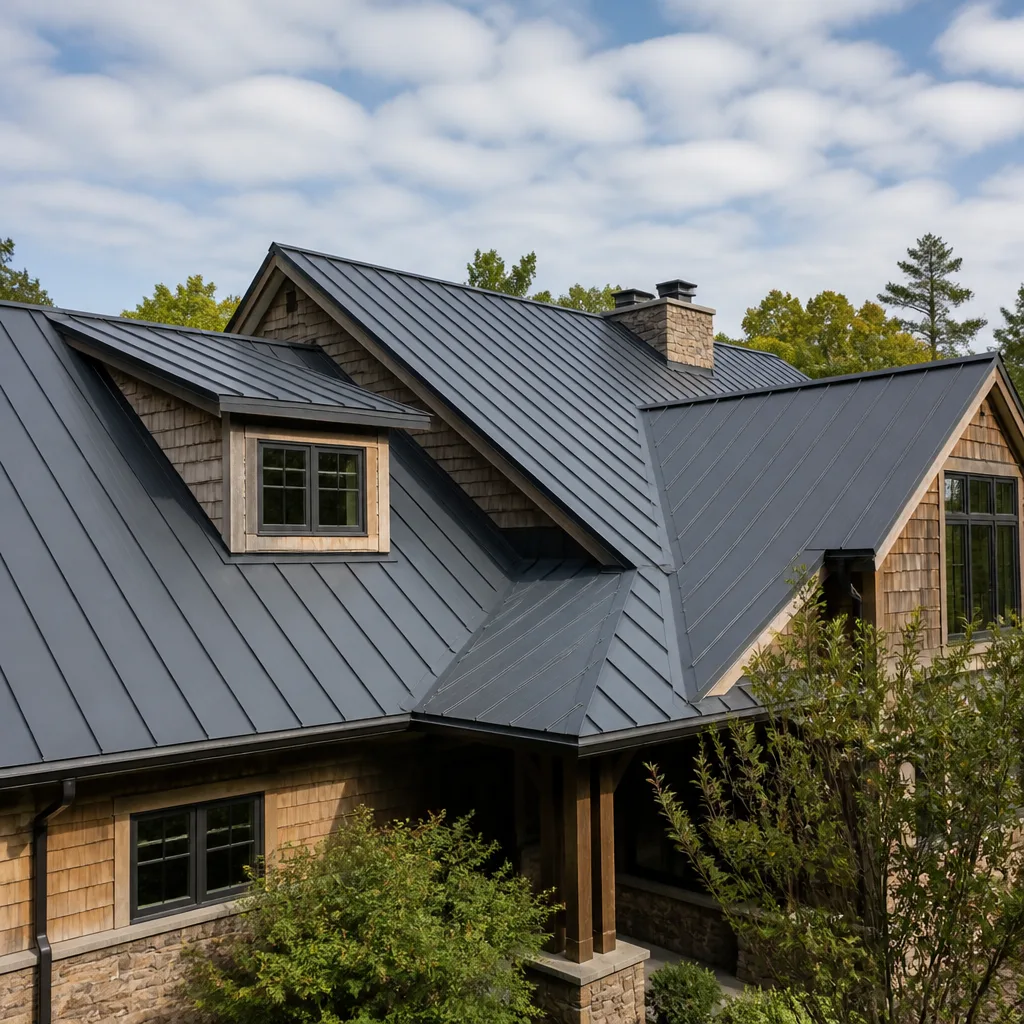 Metal roofing
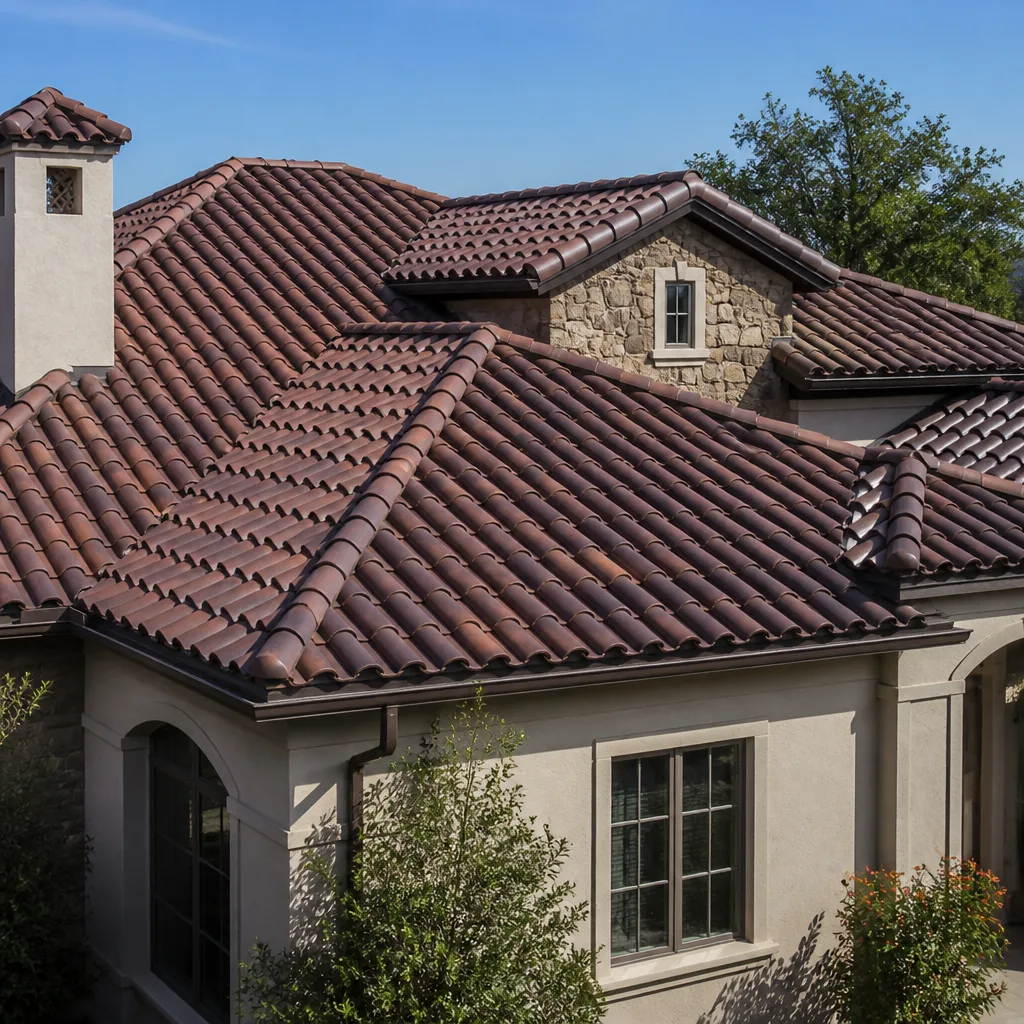 Tile roofing
 GAF
 Owens Corning
 Flat & low-slope
Free roof inspection with deck photos before we talk money - GAF and Owens Corning certified installation
DIY vs Professional Roof Repair: What’s Safe to Do Yourself
Three of the last five “I’ll just re-seal the flashing myself” calls we got turned into full flashing replacements. Not because the homeowner did sloppy work, but because they used the wrong sealant on a surface that needed mechanical fastening, and the patch failed in the first monsoon. That’s the pattern we see over and over in Summerlin: a careful, capable homeowner gets burned not by laziness but by a product choice no one warned them about. This guide gives you the honest list, split cleanly into what’s safe to do yourself, what quietly voids your warranty, and what has put people in the ER.
Quick Answer
The repairs you can safely do yourself are limited to ground-level and low-risk work: clearing debris from the roof and gutters, replacing a single cracked tile in a reachable low-slope area, and applying approved gutter sealant. Anything involving flashing, roof decking, pipe and vent penetrations, or any slope steeper than 4:12 belongs to a professional. On Summerlin’s tile roofs, DIY sealant repairs are the single most common cause of a secondary failure six to twelve months later.
Styles & brands we work with
- Architectural shingles
- Metal roofing
- Tile roofing
- GAF
- Owens Corning
- Flat & low-slope
Table of Contents
- What Repairs Are Actually Safe for a Homeowner to Do?
- The Non-Negotiable “Call a Pro” Category
- Why DIY Sealant on Summerlin Tile Roofs Fails
- The Warranty Trap Most Homeowners Never Hear About
- Ladder Safety Reality Check: One Story vs. Two
- A Simple Inspection Checklist That’s Safe
- DIY vs Professional: What Each Really Costs
- Common Mistakes to Avoid
- When to Call a Professional
What Repairs Are Actually Safe for a Homeowner to Do?
We’re not going to tell you never to touch your own roof. There are real jobs a careful homeowner with a stable ladder and a reasonable comfort with heights can handle, and we’ll name them plainly. The key is that every one of these jobs lives in the bottom two feet of risk: nothing that requires you to kneel on a slope, walk a ridge line, or break a watertight seal.
Here’s the short list we’d give a friend:
- Clearing debris. Pine needles, palm fronds, and the small branches that pile up after a wind event. Use a leaf blower from the ground or a long-reach pole. On a low-slope section you can stand on, sweeping is fine. This is preventive maintenance, and doing it yourself is genuinely worthwhile in the Las Vegas Valley, where windblown desert grit fills valleys and low spots fast.
- Replacing a single cracked tile in a reachable low-slope area. Matching the tile matters more than the repair. Tile profiles vary, and a mismatched piece is a cosmetic and water-shedding problem. If you have spares from the original install, this is doable. If not, call us to identify the profile first.
- Applying approved gutter sealant. A weeping gutter joint at the end cap or a seam is the classic safe DIY job. Clean the surface, let it dry fully, and use a gutter-rated sealant, not a general-purpose silicone. Re-caulk every couple of years and this saves the fascia board behind it.
- Clearing gutter troughs and downspout inlets. A clogged downspout is the number one cause of fascia rot and soffit staining we see in Summerlin, and it’s a job you can absolutely do from a ladder with a helper at the base.
Notice what’s not on that list. No caulking around the chimney. No smearing sealant over a suspect valley. No pulling and resetting a shingle. Those jobs look simple and aren’t.
The Non-Negotiable “Call a Pro” Category
There are four categories where we tell every homeowner, without exception, to put the ladder away and pick up the phone. These aren’t the jobs where experience helps. These are the jobs where inexperience can hurt you or cost you thousands in a follow-up repair.
- Anything involving flashing. Flashing is the metal work that keeps water out at wall-to-roof junctions, chimneys, skylights, and valleys. It fails at the fasteners, not the surface. A bead of sealant over the top of failing flashing hides the problem for one season and then leaks into the structure.
- Anything involving the decking. Roof decking is the structural sheathing under the shingles or tile. A soft spot means water has been getting in for a while. You don’t know how far it spreads until the surface comes up, and that’s a professional assessment.
- Anything involving a penetration. Pipe boots, vents, swamp cooler platforms, solar mounts. Every penetration is a hole in your roof. Resetting one correctly requires the right boot, the right sealant under and over, and the right overlap sequence.
- Any slope steeper than 4:12. A 4:12 pitch rises 4 inches for every 12 inches of run. Beyond that, walking the surface without proper footwear and rope is a fall waiting to happen, and we won’t do it without fall protection either.
One more that doesn’t fit the four but belongs on the list: any repair that requires removing more than one or two tiles. We’ve fixed enough “small” tile jobs gone sideways to say it plainly. The roof is a system, and lifting a run of tile to reach one spot means knowing how to set the run back so it sheds water the way the original did.
Why DIY Sealant on Summerlin Tile Roofs Fails
Summerlin sits at the edge of the Mojave, and that means two hard seasons every year: a dry, sun-baked summer that pushes surface temperatures on a tile roof well past 140°F, and a monsoon stretch in July and August that drops sudden, hard rain. Your roof is asked to do something contradictory: expand and bake, then get hit with fast water. Sealant is the material that gets this wrong most often.
Here’s what actually happens. A common DIY move is to spot the leak, dry the area, and run a tube of general-purpose silicone or roofing caulk over the flashing edge. That works for the first rain. But the summer heat bakes the sealant and the metal at different rates. The silicone loses adhesion to the metal first, and the next monsoon, water gets under the lip and into the same spot. Worse, the failed sealant hides the real failure. When we lift that flashing, we usually find a fastener that backed out or a nail that’s been rusting since the last repair. The sealant masked the mechanical problem.
On Summerlin’s tile roofs, this pattern is nearly universal. Tile itself is durable. It’s a GAF, CertainTeed, or Boral tile underlayment and the flashing at the perimeters and penetrations that do the real work of keeping water out. Those layers are where the failures live, and they’re all in the “call a pro” column. If you want the fuller picture of what a proper repair looks like, our page on Roof Repair in Summerlin walks through it.
The Warranty Trap Most Homeowners Never Hear About
This is the part nobody tells you at the hardware store. Manufacturer warranties on roofing materials frequently include language that voids coverage if the material is altered, repaired, or installed by someone who isn’t a licensed contractor. That’s a big deal, because a tile roof in Summerlin is built to last decades, and the warranty is part of what you paid for when the roof went on.
How to check yours:
- Find the original paperwork from the roofing company that installed the roof. Most leave a warranty packet or a sticker on the electrical panel, the water heater, or inside a garage cabinet.
- Look for the manufacturer’s name (GAF, CertainTeed, Owens Corning, IKO, Atlas, Tamko, Boral) and track down the warranty document for that specific product line.
- Read the section on “exclusions” and “conditions of coverage.” This is where the unlicensed-repair language usually hides.
- If you can’t find the paperwork, call the original installer if they’re still around. A legitimate local roofer will still have records.
If you’re not sure, don’t guess. Have us read it with you. We install these products and we know the language. A five-minute call now can save you a whole roof later.
Ladder Safety Reality Check: One Story vs. Two
We’re not going to give you ladder technique tips. We’re going to give you the flat numbers that should shape your decision, because the statistics on falls are not gentle.
Falls from ladders and roofs send hundreds of thousands of people to emergency rooms in the United States every year, and the injuries skew older. For homeowners in their 50s, 60s, and 70s, a fall from a two-story roof is frequently a life-altering event: broken hips, spinal injuries, traumatic brain injuries. We say this because the person most likely to climb a ladder in Summerlin on a Saturday morning to check a leak is the person who owns the home and feels they can handle it. That’s the profile that ends up in the ER.
Here’s our practical read:
- Single story, low-slope, reachable from a sturdy ladder: debris clearing and gutter cleaning are reasonable. Have someone home. Keep the ladder footed and angled properly. Don’t lean past the rails.
- Two story, any slope: do not go up. The math on fall height doesn’t favor you, and the repairs you’re going up to check are almost certainly in the “call a pro” category anyway.
- Roof over a tile or steep shingle surface: don’t. Tile breaks underfoot, and steep shingle is a slip surface even for people who do this weekly and wear the right boots.
- After a storm or wind event: wait. Wind-damaged roof surfaces are unpredictable, and your footing is worse than it looks.
We’d rather give you a free second opinion on a written estimate than hear you fell. A call is always cheaper than a hospital bill.
A Simple Inspection Checklist That’s Safe
You can do a real, useful inspection of your roof without ever getting on it. Most of the serious problems we find in Summerlin are visible from the ground with a good pair of binoculars and a walk around the property. Here’s the list we’d give a neighbor.
- Walk the perimeter from the ground. Look at the fascia, soffit, and gutters. Water stains, rot, or peeling paint tell you water is getting behind them, and the source is almost always the roof edge above.
- Binoculars on the roof surface. Look for missing, cracked, or shifted tile, granules piling up in valleys, or granule loss on shingles. On metal, look for loose fasteners and lifted panels.
- Check the attic. This is the most useful DIY inspection point you have. Look for dark water stains on the decking, daylight showing through, sagging sheathing, or a musty smell. Insulation stains are a tell.
- Look at the ceilings inside. Discolored ceiling paint, bubbling, or a stain that grows during a rain are all early warning signs. A stain is late, not early. Better to catch it at the decking.
- Check the gutters after a rain. Overflowing at one spot means a clog or a sagging section. Water running down the outside of the downspout means a break.
- Look at penetrations and terminations. The chimney, the swamp cooler or HVAC platform, the solar array, and the ridge caps. Lifted caps or missing pieces at any of these are worth a call.
If you find something on this list that concerns you, note where it is and call. We’ll come out, and if it’s a small thing, we’ll tell you that. That’s how we’d want a neighbor to treat us. For a full menu of what we handle, see Shepherd & Sons Roofing Summerlin home.
DIY vs Professional: What Each Really Costs
Cost is where the DIY decision actually gets decided. The parts are cheap. The consequence of getting it wrong is not. Here’s the honest accounting.
| Job | DIY parts cost | Typical professional repair | The catch |
|---|---|---|---|
| Debris clearing / gutter cleaning | $0 – $50 | $150 – $350 (yearly maintenance) | DIY is genuinely reasonable on a single story |
| Single cracked tile replacement | $15 – $60 (if you have matching spares) | $200 – $450 | Mismatched tile is a cosmetic and drainage problem |
| Gutter seam sealant | $10 – $25 | $150 – $300 | Allowed; use gutter-rated sealant, not silicone |
| Flashing repair (chimney, wall, valley) | $20 – $150 in sealant and screws | $400 – $1,200 | DIY sealant versions fail in one season and mask the real failure |
| Pipe boot / penetration repair | $10 – $40 | $250 – $500 | Wrong boot or wrong overlap is a guaranteed leak |
| Tile underlayment repair | Not a DIY job | $600 – $2,000+ depending on area | Requires lifting runs of tile and resetting them correctly |
The pattern is obvious once you see it. The jobs you can do yourself you can do for under a hundred dollars in parts. The jobs that cost real money to fix professionally are the same jobs that go wrong for a homeowner in a way that costs multiples to undo. If you’re staring down a repair that isn’t on the safe list, that’s the moment to call. Our crew has up to 30 years of experience, and we’ve seen how these repairs fail when they go wrong.
Common Mistakes to Avoid
- Using silicone on flashing. Silicone is the wrong product for metal-to-tile and metal-to-shingle transitions, and it’s the single most common DIY mistake we see in Summerlin. It bakes, loses adhesion, and hides the fastener failure underneath.
- Walking a two-story roof to “take a look.” The injury risk is real and the repair almost always needs a pro anyway. Use binoculars from the ground.
- Pulling tile to reach a leak without spares. Tile profiles vary and match years don’t always match. If the original set is gone, a pulled tile may not go back cleanly, and now you have two problems.
- Assuming a rain isn’t the real test. The monsoon in Summerlin tests your roof in a way a hose never does. A repair that holds under a garden hose can still fail in a hard monsoon. Test under real conditions and inspect after.
- Ignoring the manufacturer warranty language. An unlicensed repair can void coverage on a roof that has decades of life left. Read the exclusions before you get up on the ladder.
- Letting a clogged downspout sit. This is the cheapest thing on the list to fix and the most expensive to ignore. It’s how fascia and soffit rot start.
- Getting a bargain quote from an out-of-town crew after a windstorm. The repair may not be around in six months. Ask for a local address, a license number, and a written promise you can hold them to.
When to Call a Professional
The list of “call a pro” jobs is longer than the DIY list, and that’s the honest answer to the whole question. Call us when you’ve found a leak you can’t trace from the ground, when flashing, decking, or a penetration is involved, when your roof is two stories tall, when a tile repair requires lifting a run to reach it, or when a written warranty hangs in the balance. Call us after a wind or hail event before you climb anything. Call us when you’re selling or buying and the inspection report flagged something. And call us when you’ve already tried a repair and it failed, because the fix is usually simpler than the guesswork that followed.
Shepherd & Sons Roofing Summerlin offers free estimates in Summerlin. Call (844) 951-4545 to schedule yours, and if you already have a written estimate from another roofer, we’ll give you a free second opinion on it. No trip charge inside our own county.
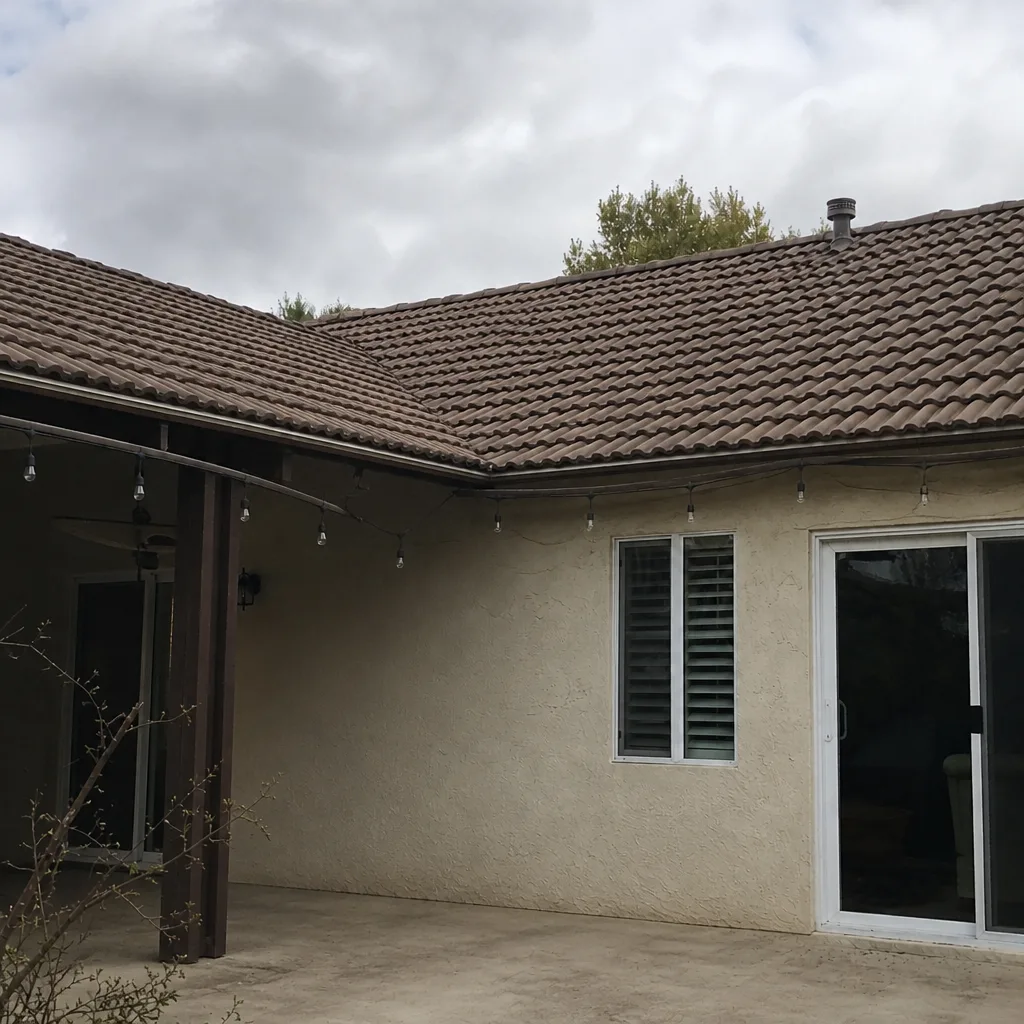
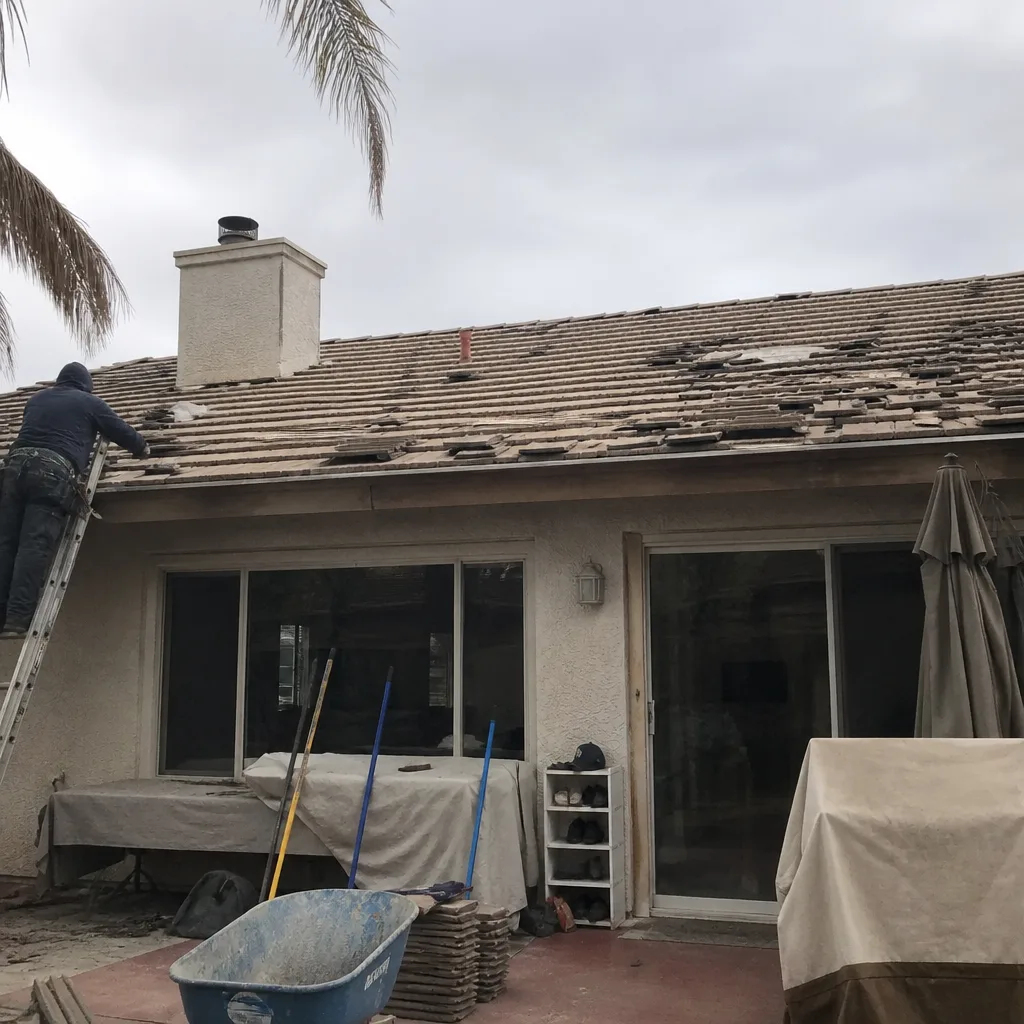
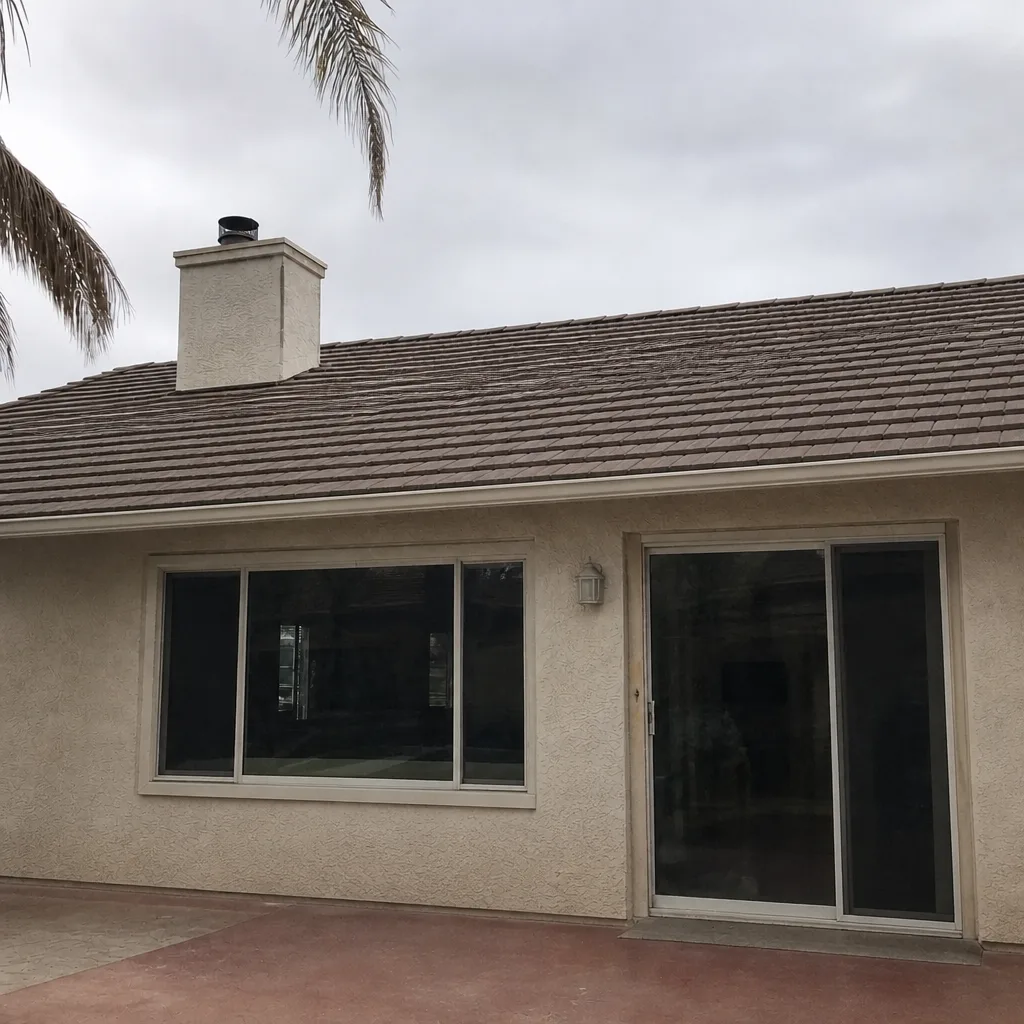
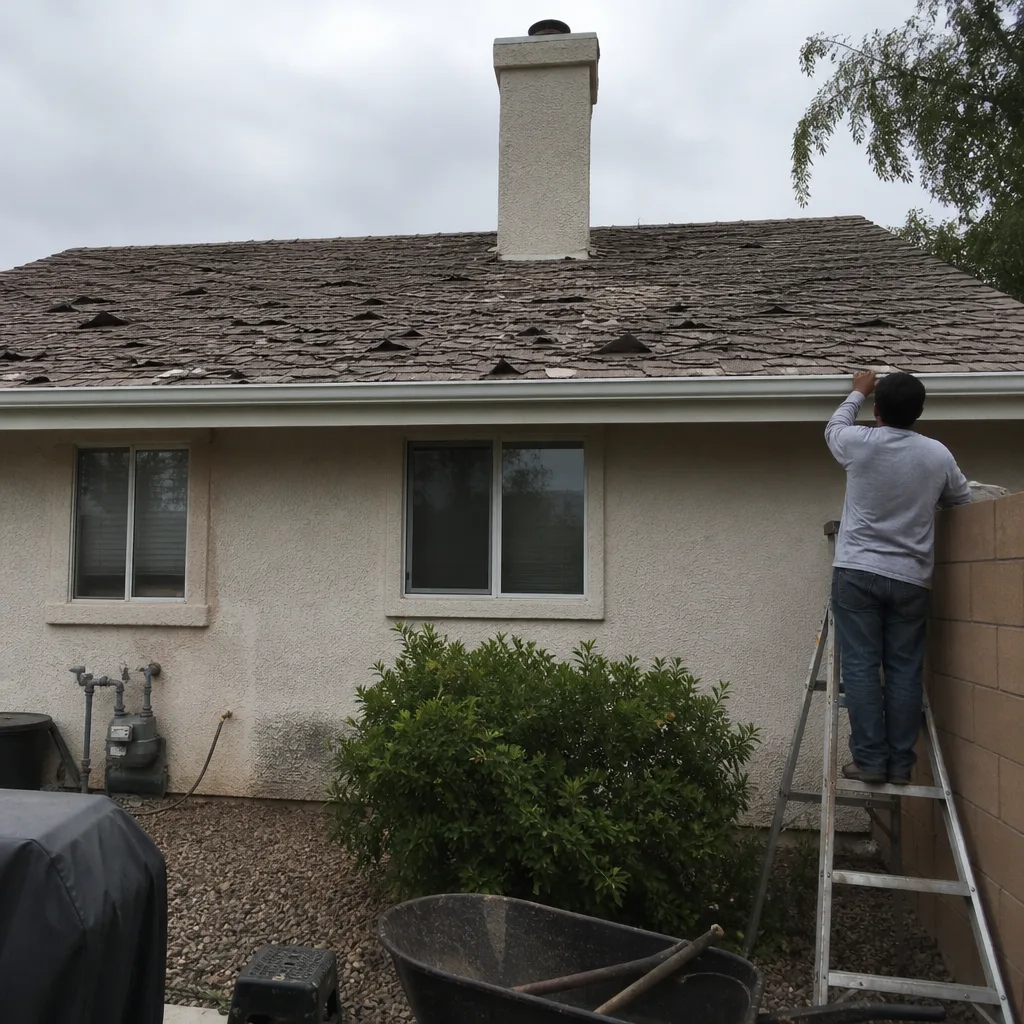
See the difference
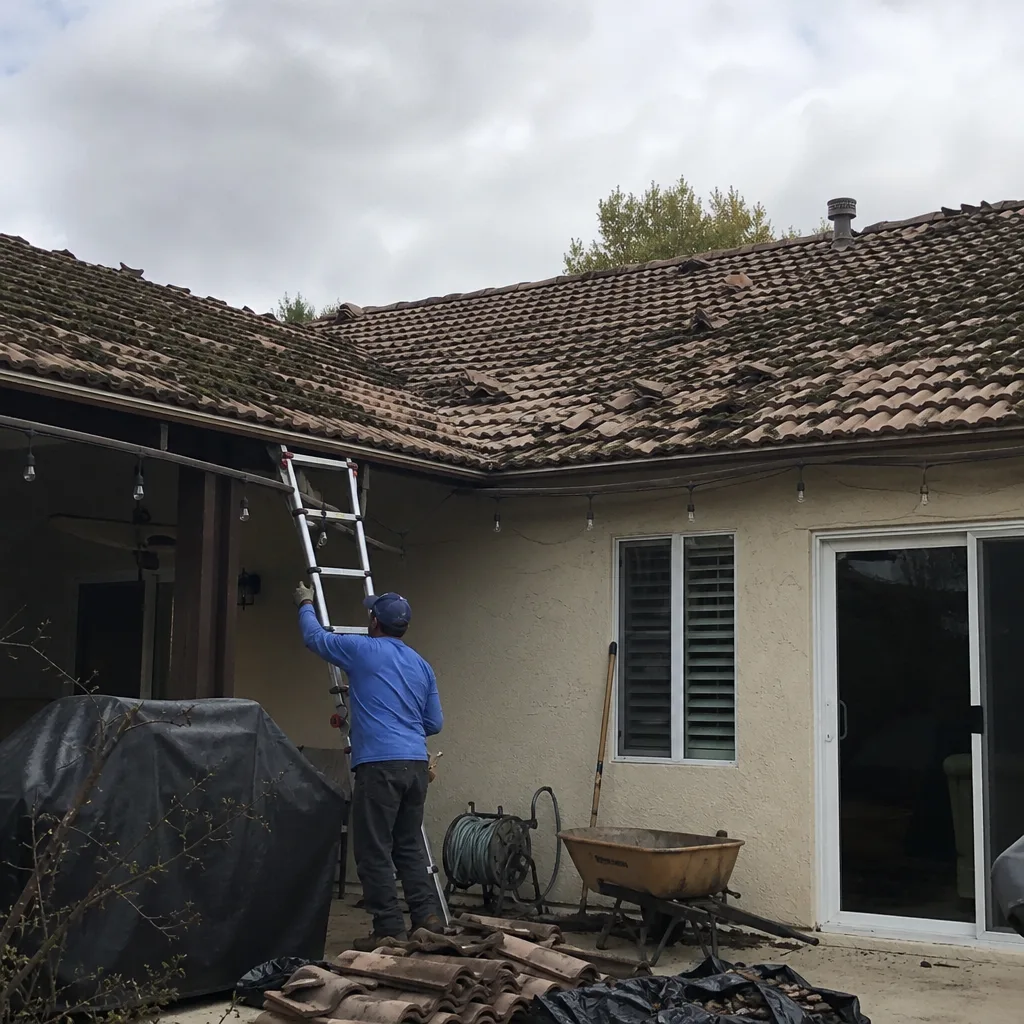 Before
 After
 Before
 After
 Before
 After
Frequently Asked Questions
You can safely handle debris clearing, gutter cleaning and sealant, and a single cracked tile replacement in a reachable low-slope area. Anything with flashing, decking, penetrations, or a slope over 4:12 needs a professional. On Summerlin’s tile roofs, the DIY-safe list is short on purpose, because tile repairs almost always involve lifting runs to reach the failure.
Often yes. Many manufacturer warranties on GAF, CertainTeed, Owens Corning, Boral, and Tamko products include exclusions for work performed by someone who isn’t a licensed contractor. Check your warranty document’s “exclusions” section, and if you can’t find it, call us and we’ll read it with you.
Because the sealant and the metal or tile expand and contract at different rates under the desert heat, and the sealant loses adhesion by the next monsoon. Worse, the failed sealant hides the real problem, which is almost always a loose fastener or a failed underlayment layer underneath.
On a single story, low-slope section, with a sturdy ladder and a helper at the base, it’s reasonable for a careful homeowner. On a two-story roof or any tile or steep shingle surface, don’t. Falls from ladders and roofs send hundreds of thousands of people to emergency rooms every year in the U.S., and the injury severity climbs fast with height.
Many local roofers, including us, offer free estimates and free second opinions on written estimates. A full inspection that leads to a repair typically falls in the $150 – $500 range, and that cost is often folded into the repair itself. Call (844) 951-4545 for an exact quote, and we’ll walk the roof with you.
No. Water travels, and by the time a ceiling stain appears, the decking has usually been wet for weeks. A small flashing repair today is hundreds of dollars. A decking repair behind it is over a thousand. Call us before you wait a season.
The Bottom Line
There’s a real DIY list and a real pro list, and the difference isn’t a matter of willpower or courage. Debris clearing, gutter cleaning and sealant, and a single reachable cracked tile are jobs a careful homeowner can handle. Flashing, decking, penetrations, any slope over 4:12, and any two-story roof belong to a professional, because the failure mode isn’t a slow leak, it’s water into the structure and a warranty you can’t use. If you’re not sure which side a repair sits on, that’s the moment to call us. A free estimate costs nothing, and our crew has up to 30 years of experience. If you want to know what a full replacement looks like versus a repair, our page on Roof Replacement & Installation in Summerlin breaks down the decision. And if you’re considering a longer-life roof, Metal Roofing in Summerlin covers what holds up under the desert sun.
Shepherd & Sons Roofing Summerlin is here to answer the phone when you call, day or night, and the schedule is always open. Our technicians have up to 30 years of experience, and every job is backed by the written 90-Day Done Right Promise. Call (844) 951-4545 for a free estimate, and we’ll come out, look at the roof with you, and tell you honestly whether you can do it yourself or whether it needs us.
Written by the team at Shepherd & Sons Roofing Summerlin.