
Last updated November 18, 2026
 Metal roofing
 Architectural shingles
 Tile roofing
 GAF
 Owens Corning
 Flat & low-slope
Free roof inspection with deck photos before we talk money - GAF and Owens Corning certified installation
Seasonal Roofing Care for Summerlin: Year-Round Homeowner’s Guide
If you schedule a full re-roof in August in Summerlin, you’re asking a crew to work on a surface that hits 170°F by noon. That heat changes things. Tile mortar sets too fast, underlayment turns gummy underfoot, and anybody at hour six in that sun is moving slower than they should. Summerlin doesn’t run on four equal seasons. It has a punishing UV summer, a violent monsoon window, mild winters with surprise wind events, and a spring that’s the only true ideal stretch for the big jobs. This guide walks you through the whole year, month by month, so you’re doing the right task at the right time.
Quick Answer
In Summerlin, the best time for major roof work is March through May, before the heat and before monsoon season. Summer is for inspections and small repairs done early in the morning, June is for pre-monsoon sealing, fall is for post-storm triage, and winter is when you watch for wind-driven ridge and hip tile damage. Matching the task to the season is what keeps a roof here lasting instead of failing early.
Styles & brands we work with
- Architectural shingles
- Metal roofing
- Tile roofing
- GAF
- Owens Corning
- Flat & low-slope
Table of Contents
- Why March Through May Is the Gold Window
- The June Pre-Monsoon Checklist
- Post-Monsoon Damage Triage
- Winter Wind Events and What They Do
- Timing Repairs Around Your HOA Review
- Managing a Summer Inspection
- Common Mistakes to Avoid
- Frequently Asked Questions
Why March Through May Is the Gold Window for Major Roofing Work in Summerlin
Spring is the season that lets a crew do its best work in Summerlin. Daytime highs sit in the comfortable range, the material behaves the way the manufacturer expects, and you’re not fighting a clock before the afternoon heat rolls in. If you’ve been putting off a roof replacement or installation in Summerlin, this is the stretch to get on the calendar. Tile and shingle both set cleaner when the temperature isn’t working against the crew.
There’s a timing problem most homeowners don’t see coming. The weeks right after a big storm anywhere in the valley fill a reputable roofer’s schedule fast, because storm work jumps the line. Booking in February or early March, before that rush, is how you keep your job from sliding into June. Here’s the order we’d suggest:
- Late winter: Get a written inspection so you know the scope before you start calling around.
- Early March: Request estimates and compare them line by line, not by the total at the bottom.
- Mid-March to April: Lock the date. Get the material order confirmed, especially if you’re choosing a specific profile.
- April through May: Do the work while the weather is cooperating and the crew isn’t rushed by heat or storms.
One thing worth knowing: a roof is measured in squares, and a square is 100 square feet of roof surface. Ask any bidder how many squares they counted. If two bids come back with wildly different square counts on the same house, one of them is guessing. That number drives the whole price.
The June Pre-Monsoon Checklist: Five Things That Must Be Sealed
Monsoon season here can drop a month of rain in an afternoon. The damage almost never comes from the rain itself. It comes from water finding a gap that was already there and running it straight into your decking. Before the first storm builds in June, these five spots need to be sealed or you’re gambling:
- Pipe boots and penetrations. The rubber collar around vent pipes cracks in our UV, and that’s the single most common leak source we find.
- Flashing at walls and valleys. Where the roof meets a wall or where two planes meet, the metal has to be tight and the sealant fresh.
- Chimney and skylight surrounds. These take wind-driven rain from an angle the shingles never see.
- Ridge and hip caps. Loose caps let water in sideways during a blowing storm.
- Gutter seams and downspout connections. A clogged or open seam sends water behind the fascia instead of away from the house.
This is a job for a trained eye on a ladder, not a weekend project. Walking a Summerlin roof in June heat with sealer in your hand is how people get hurt. The roof repair in Summerlin that prevents a monsoon leak costs a fraction of the repair after one. Get it sealed in May or early June and you’ll sleep through the storms.
Post-Monsoon Damage Triage: What Hail Does to Tile You Can’t See
After the storms pass in September and October, the roof looks fine from the street. That’s the trap. Hail and wind-driven debris crack and bruise concrete tile in ways that don’t show until later. The damaged spots hold a little moisture, and then our freeze-thaw cycles do the rest. Yes, Summerlin gets freeze-thaw. Winter nights drop below freezing often enough that water sitting in a hairline crack expands, widens the crack, and by the next season you’ve got a broken tile and a wet underlayment beneath it.
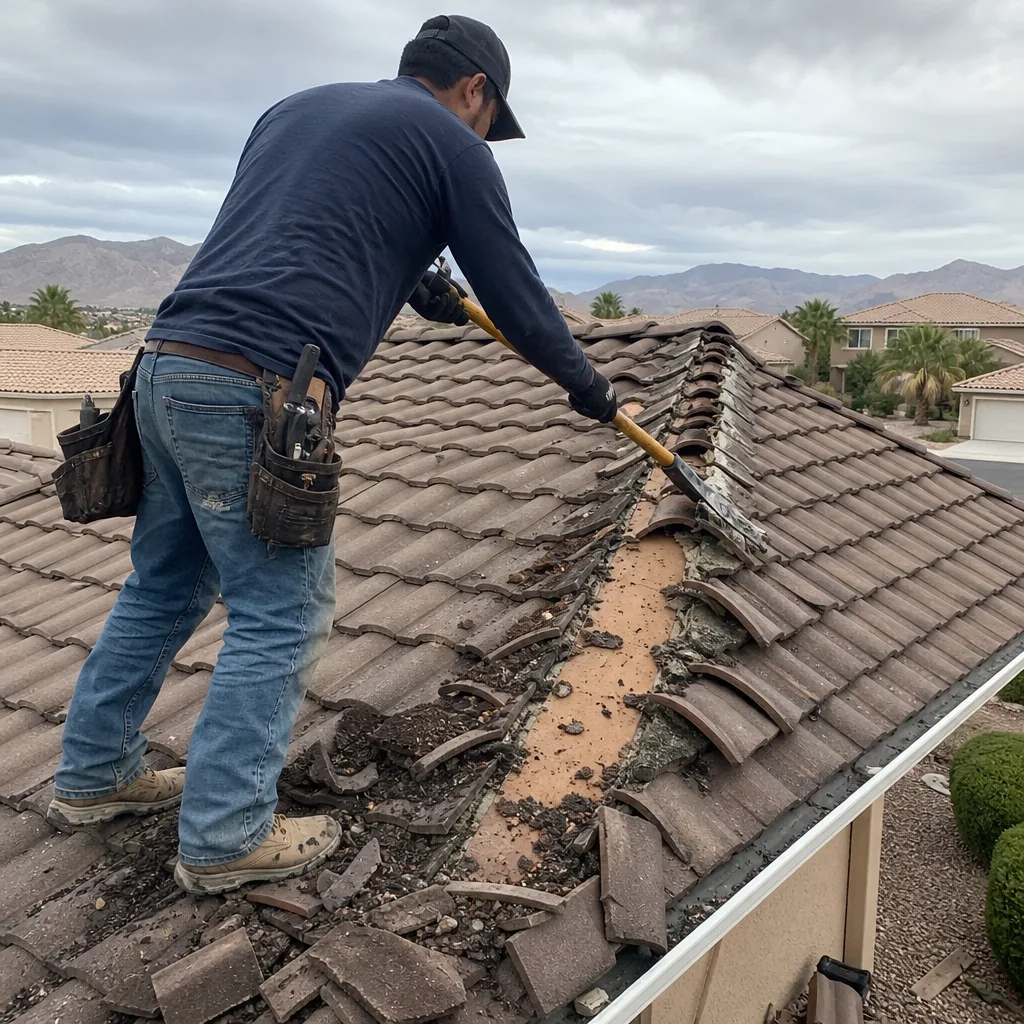
This is where the roof repair service matters. When we’re up there after a storm, we look for the things a casual glance misses:
- Hairline cracks and spider-webbing on concrete tile, especially on south and west-facing slopes that bake all summer.
- Displaced or lifted tiles that let the next wind get under them.
- Granule loss on shingles, which shows as dark patches or bare spots.
- Dented or loose metal flashing and vent caps.
- Gutter dents and separations, which point to hail size.
If a contractor shows up at your door a day after a hail event with a clipboard and a “today only” price, slow down. Ask to see the deck photos before anybody talks money. A real inspection means getting on the roof and photographing what’s actually there.
Winter Wind Events: Why January Matters More Than You’d Think
Summerlin sits at elevation, and that changes the winter story. Cold air funnels down off the mountains and across the valley, and a stiff January or February wind event can walk ridge cap and hip tiles right out of place. Most homeowners never look up until a tile lands in the yard. By then the fasteners underneath may have been loosening for a whole season.
Wind ratings don’t come from the shingle wrapper. The nailing pattern earns the wind rating. A crew that nails to the manufacturer’s spec for high-wind areas, with the right number of fasteners per shingle in the right spots, gives you a roof that stays put. A crew that rushes and skips fasteners gives you a call-back. After a wind event, the things to check are the ridge line, the hips, the gable-end rakes, and any loose or lifted edge. If you hear a tile rattling overhead on a breezy night, that’s your signal to call before it’s gone.
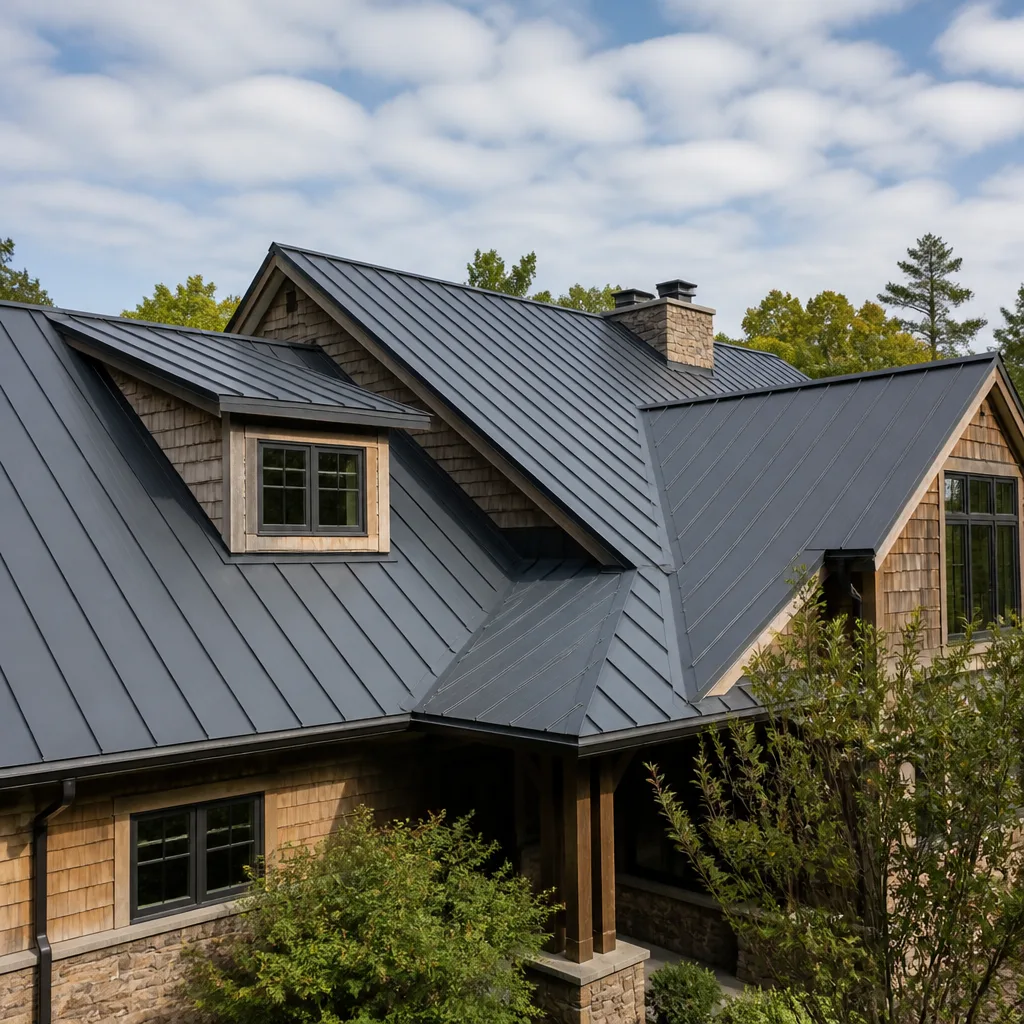
Winter is also a good time for the small stuff. Mild days let a crew replace a cracked tile or reseat a cap quickly, without the summer heat or the spring rush. If you’re weighing a longer-term upgrade while you’re thinking about weather, a metal roofing system in Summerlin handles wind and UV differently than tile does, and it’s worth understanding the trade-offs before you commit either way.
Timing Your Roof Work Around Your HOA’s Architectural Review
Many Summerlin communities run architectural review cycles, and a roof repair or replacement that changes the appearance of your home can trigger a compliance notice if you do it out of order. This is one of the most overlooked timing details in the valley. Get it wrong and you’re answering a letter instead of enjoying a dry house.
The fix is simple sequencing:
- Ask for the review calendar first. Know when your community’s architectural committee meets and how far ahead applications are due.
- Get the inspection and written scope before you file. The application usually needs to describe the work and materials.
- Confirm the material and color. Some associations specify approved profiles. Naming the shingle or tile up front saves a round of back-and-forth.
- File early in the spring window so approval lands before you’re asking a crew to work in the heat.
Aligning the repair with the review keeps a simple fix from becoming a paperwork problem. If you’re not sure whether your project crosses the line into “review required,” ask before you start. It’s cheaper than the alternative.
Managing a Summer Inspection Without Cooking the Crew
Summer in Summerlin isn’t the season to schedule heavy work, but it’s a fine time for an inspection and minor repairs if you plan around the heat. Roof surface temps climb well past the air temperature, and the smart move is early morning. A roof that gets inspected in July when it’s 170°F up top is no place for anyone to spend an afternoon. We’d tell you the same thing we’d tell our own family: get the inspection done in the morning, and keep the big jobs for spring.
What’s actually worth doing in summer:
- A walk-through to catch loose flashing or a cracked boot before the fall storms.
- Gutter cleaning, especially where cottonwood and desert dust collect.
- Small tile repairs on shaded or east-facing slopes that don’t hold the heat as long.
- A written condition report so you know what to budget for the fall and spring.
The UV here is unforgiving. Even a good roof ages faster in Summerlin than it would in a milder climate, and an annual summer look keeps small issues from becoming a spring replacement. That’s the rhythm: inspect in summer, seal before monsoon, triage in fall, watch in winter, and build in spring.
Common Mistakes to Avoid
- Scheduling a full re-roof in July or August. The heat makes mortar set wrong, underlayment lay badly, and crews work slower and less carefully. Wait for spring.
- Waiting for a leak to prove you need a repair. By the time water shows on a ceiling in Summerlin, it’s been running along the decking for a while. Seal the five monsoon points before June.
- Skipping the post storm inspection because the roof “looks fine.” Concrete tile hides hairline cracks until freeze-thaw turns them into broken tiles. Look after every hail or wind event.
- Hiring the door-knocker with the today-only price. Storm chasers come and go after every hailstorm. Ask for a published address and a license number you can look up, and see the deck photos before you talk money.
- Ignoring the HOA review calendar. Doing the work out of sequence can trigger a compliance notice and a do-over. Check the calendar first.
- Comparing bids by the total only. Ask how many squares each bidder counted. A low number on the same roof usually means the scope is thin, not that you got a deal.
- Forgetting the winter wind check. Ridge and hip tiles loosen quietly. A rattle on a breezy night is an early warning, not background noise.
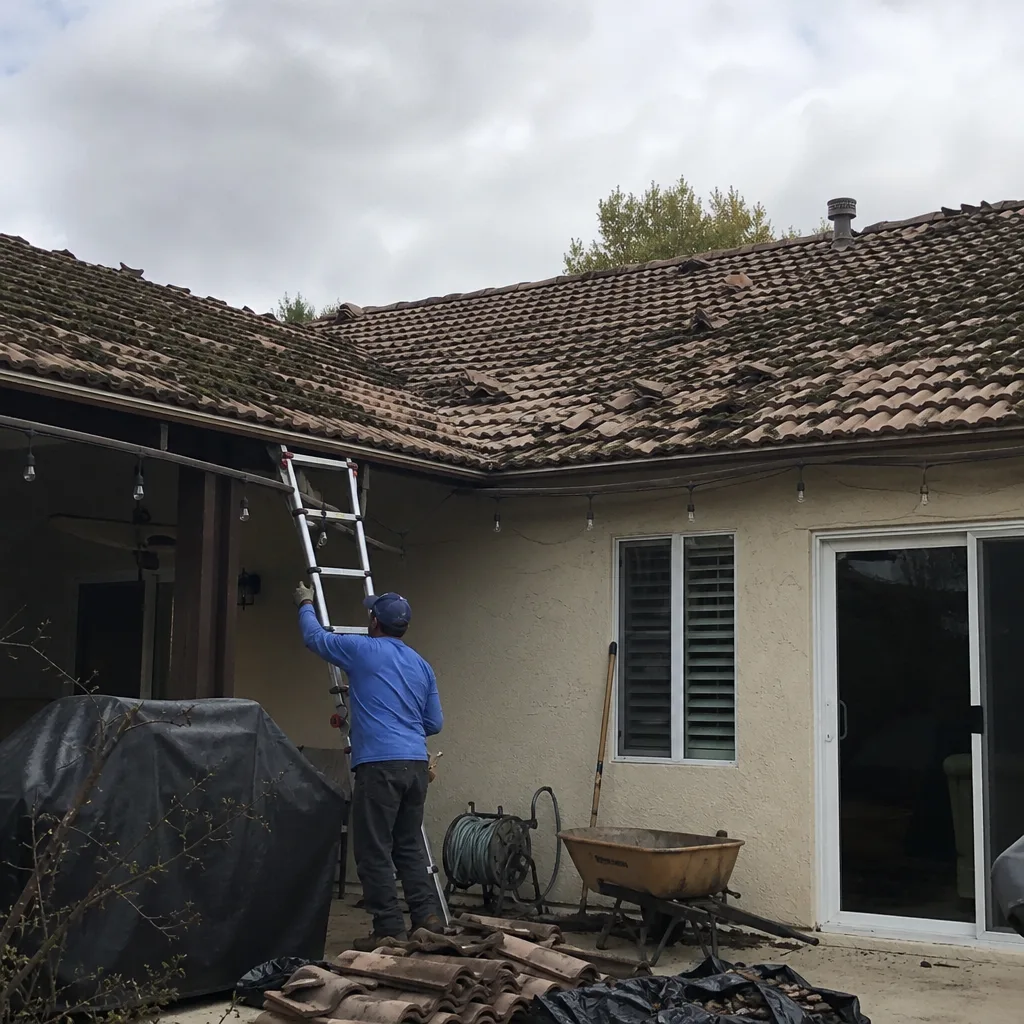
See the difference
 Before
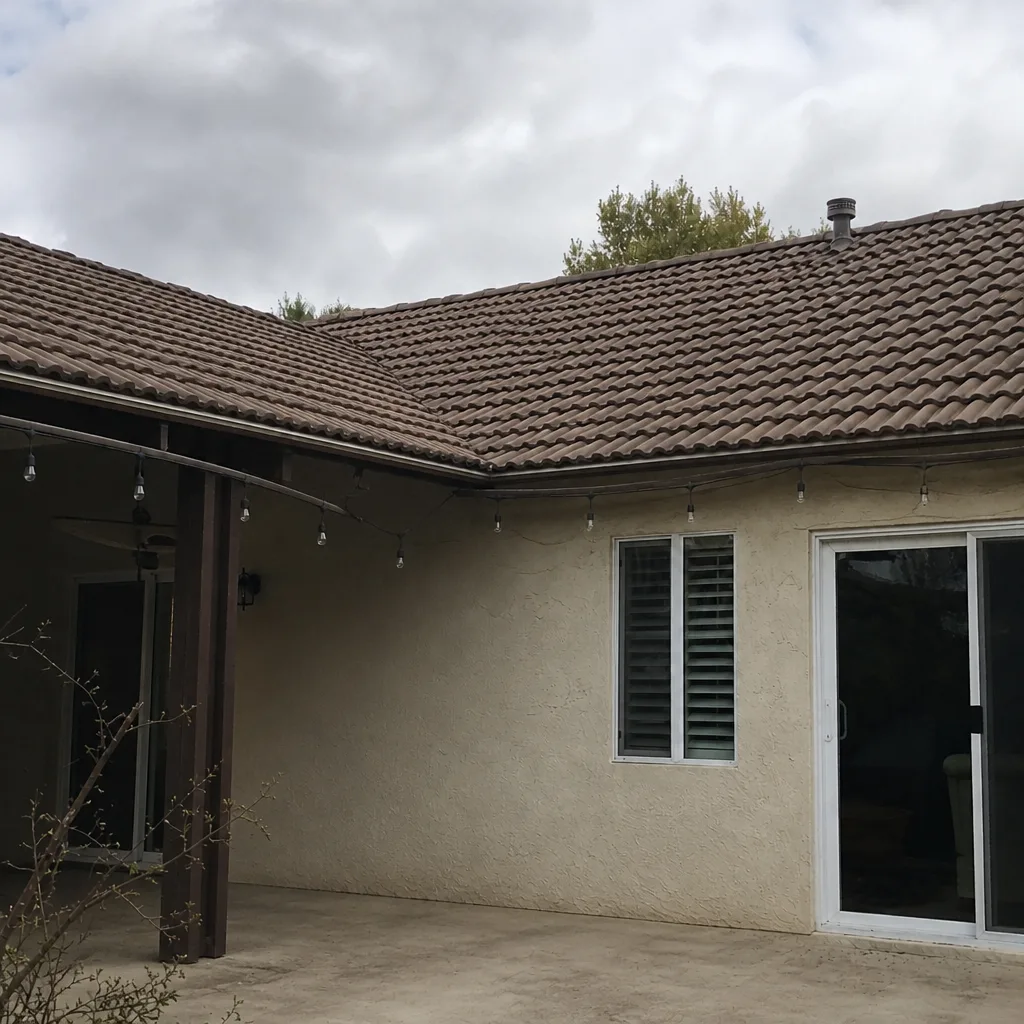 After
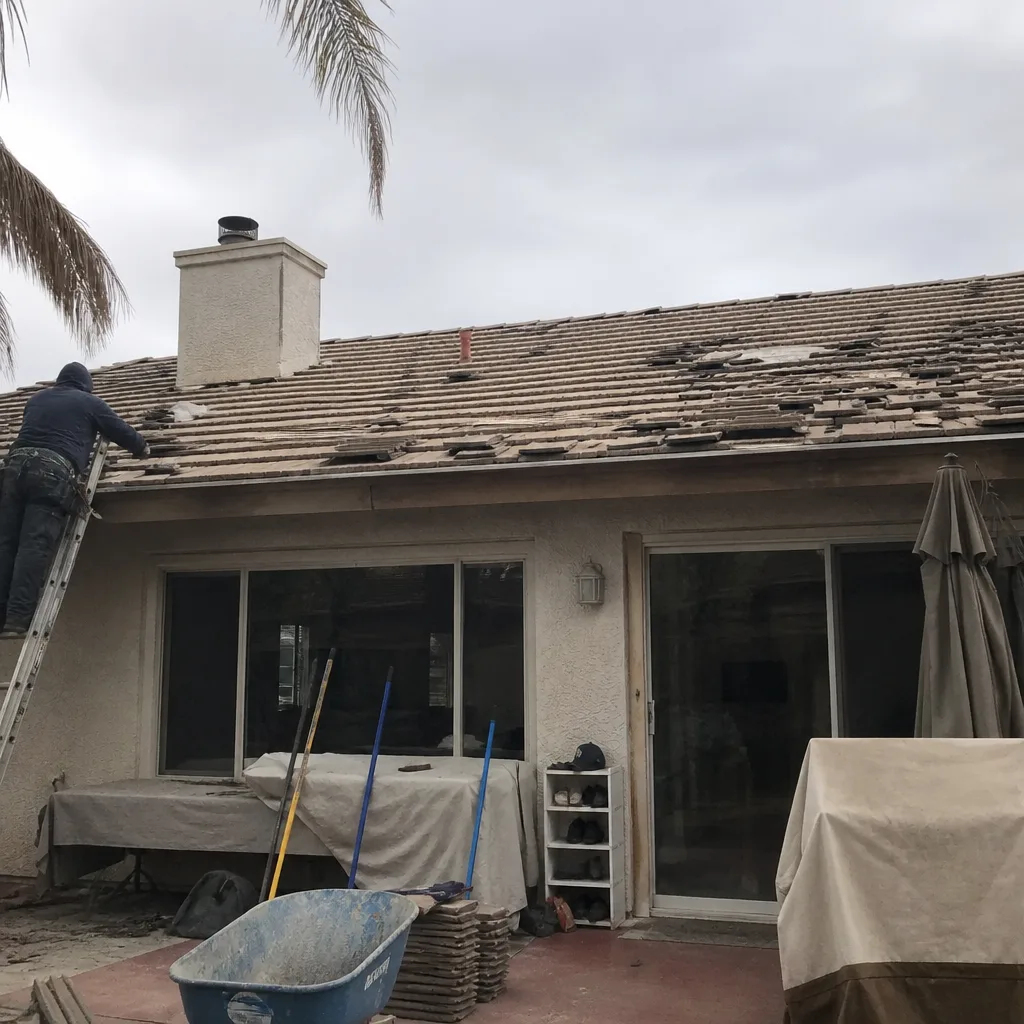 Before
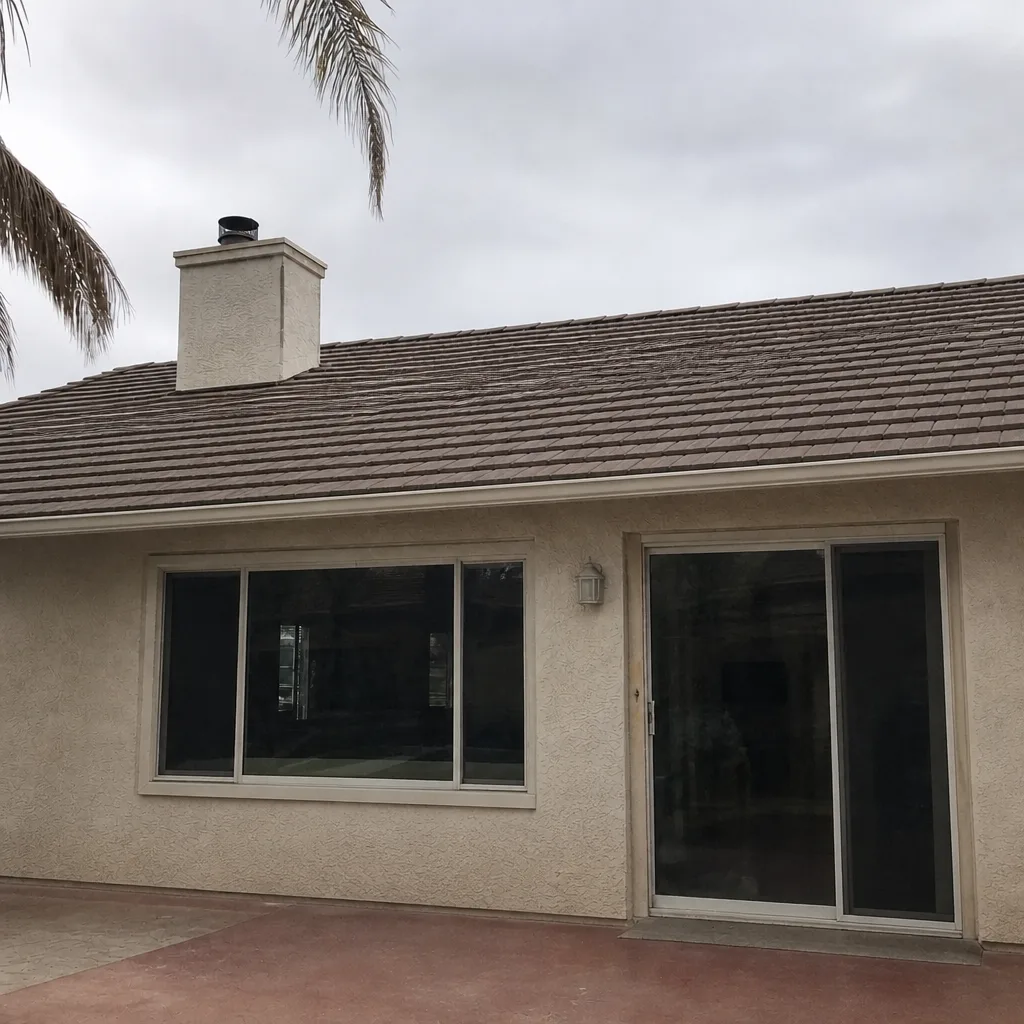 After
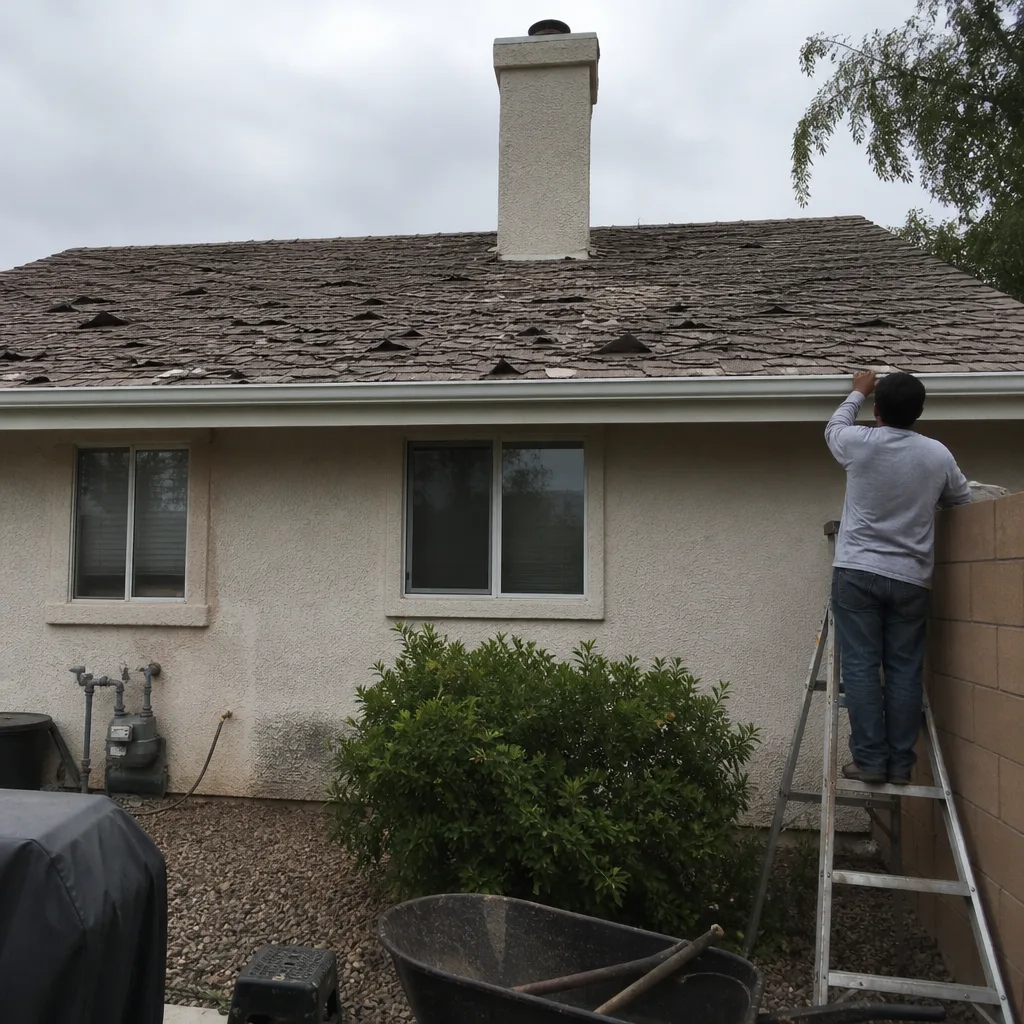 Before
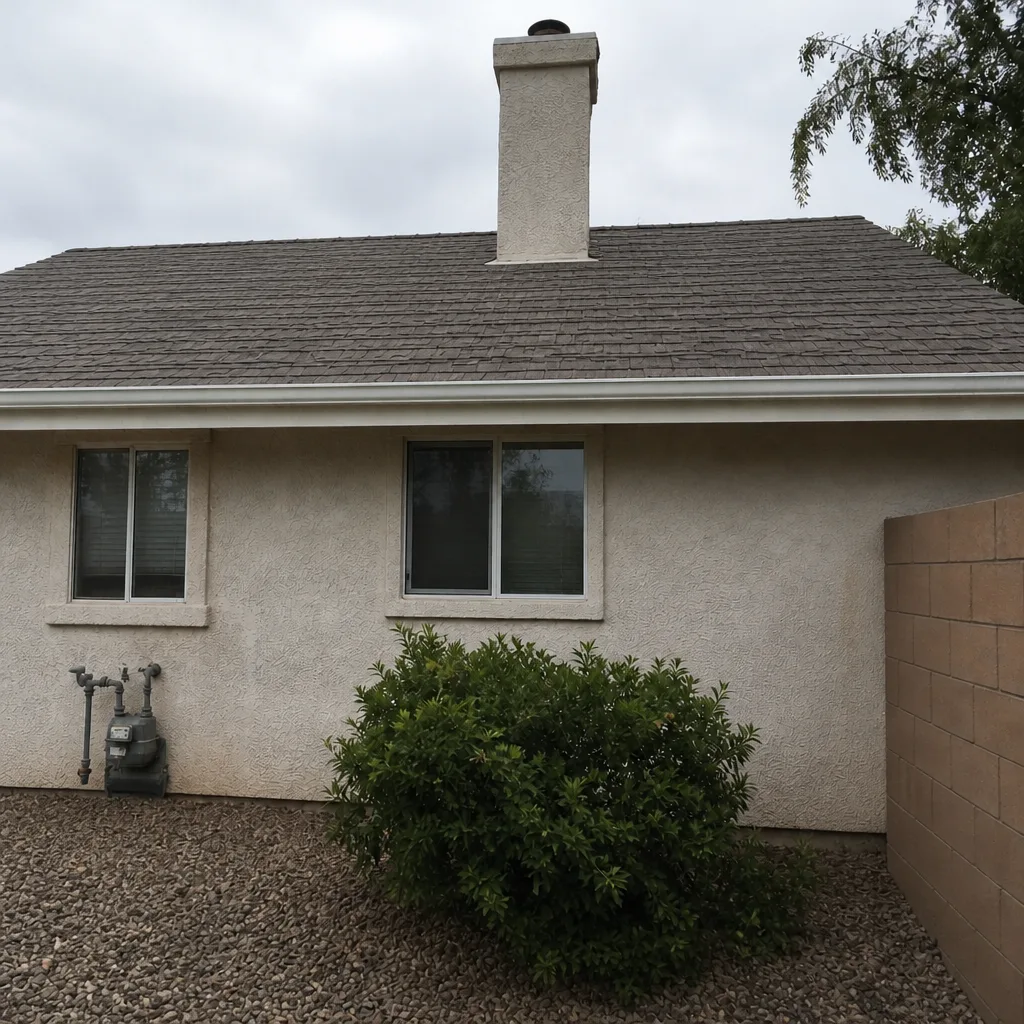 After
When to Call a Professional
Some things you can handle yourself. Roofs in Summerlin aren’t one of them, especially when the work is up high or near the heat. Call a pro if you see cracked or missing tiles after a storm, water stains on a ceiling or in the attic, granules collecting in the gutters, or loose flashing around a chimney or skylight. Call if a wind event has moved tile on the ridge or hips, or if you’re past the point of patching and starting to think about a whole roof. And call before you file an HOA request if you’re not sure what the scope should say. Going up on a hot Summerlin roof yourself is how a small repair turns into an injury. Shepherd & Sons Roofing Summerlin offers free estimates in Summerlin, and our technicians have up to 30 years of experience. Call (844) 951-4545.
Frequently Asked Questions
March through May is the best window for a full replacement in Summerlin. The temperatures let materials set correctly, crews work at full speed, and you finish before the summer heat and the monsoon season. Book early, because storm work can fill a good roofer’s schedule fast.
Small repairs like a pipe boot or a few tiles usually run a few hundred dollars, while larger repairs involving flashing or a section of underlayment cost more. The only way to know your number is a written, line-item estimate after someone gets on the roof. Call (844) 951-4545 for an exact quote. Estimates are free, and standing offers include $40 off any repair over $200.
For an active leak during or right after a storm, we treat it as an emergency and get someone out as quickly as we can. Routine repairs get scheduled, so you’ll have a real date, not a maybe. A live person answers our phone around the clock, including nights and weekends after a storm.
Yes. Summerlin’s elevation means winter nights drop below freezing often enough that water trapped in a hairline tile crack expands and widens it. That’s why post-storm tile inspection in the fall matters so much here: the crack you can’t see in September becomes a broken tile by January.
We handle the permitting and can walk you through what your community’s architectural review needs, so the work is done to code and doesn’t trigger a compliance notice. If a project needs review, the time to sort that out is before the crew shows up, not after.
No. We give you a written line-item estimate and fixed pricing with no change orders for the agreed scope. If we find something hidden once we’re on the roof, like soft decking, we show you the photos and talk it through before anyone touches it. That’s the 90-Day Done Right Promise in writing: if it’s not done right, we make it right, and one call brings us back.
The Bottom Line
Summerlin doesn’t give you four equal seasons, and your roof care shouldn’t pretend it does. Build the big jobs in spring while the weather cooperates. Seal the five monsoon points before June. Triage tile and flashing after every storm in the fall, before freeze-thaw gets a head start. Watch the ridge and hips through the winter wind. And line your work up with your HOA review so a simple repair doesn’t turn into a letter. Do those things in that order and a Summerlin roof lasts like it should. If you’re not sure where to start, a free estimate is the easy first step. Call (844) 951-4545, and either way you can start on the Shepherd & Sons Roofing Summerlin home page.
Written by the team at Shepherd & Sons Roofing Summerlin.