
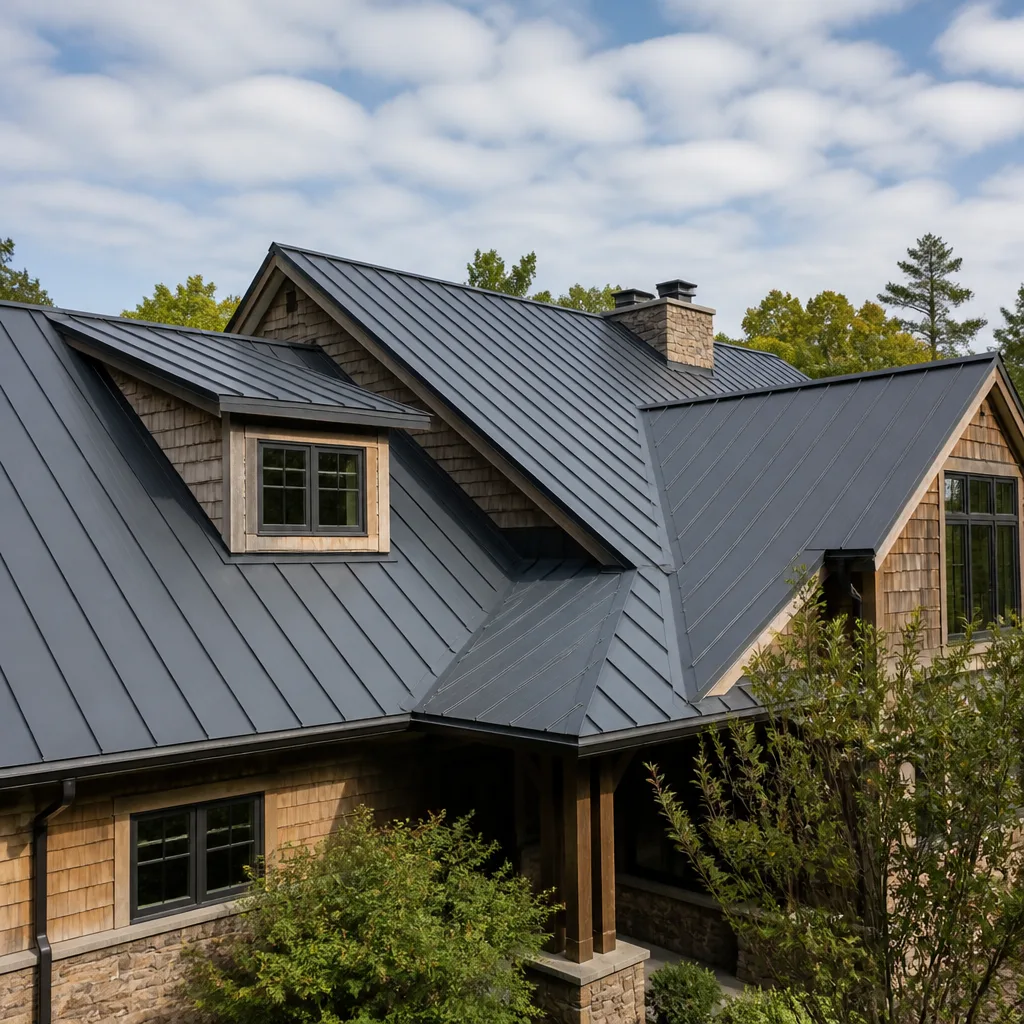
 Metal roofing
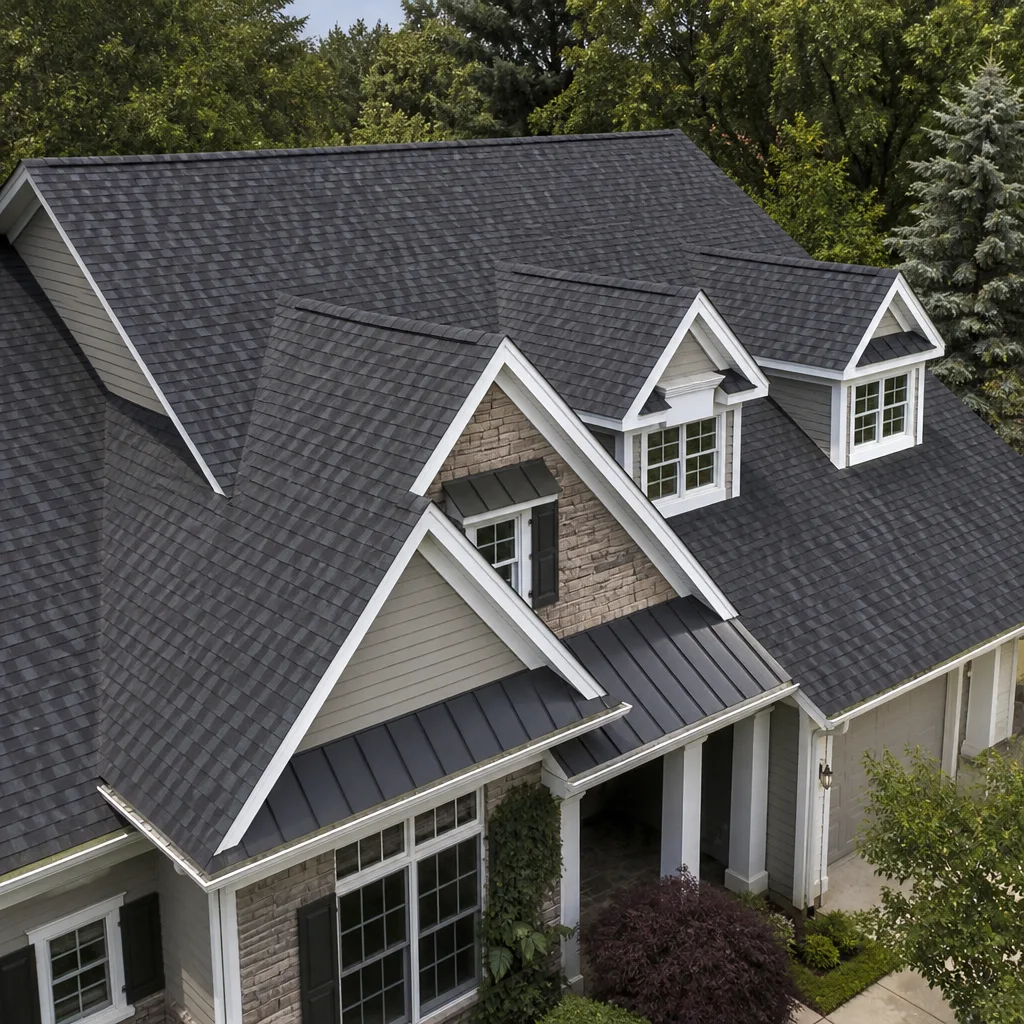
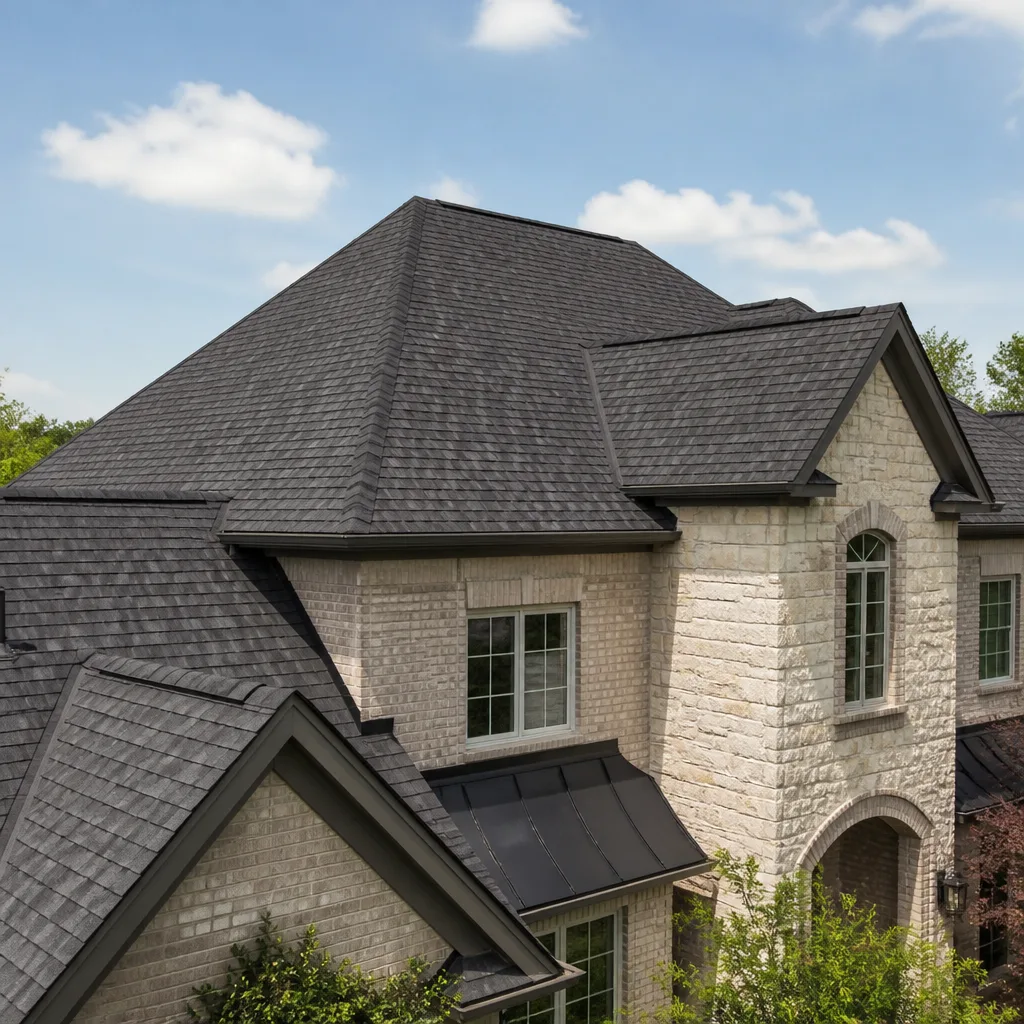 Architectural shingles
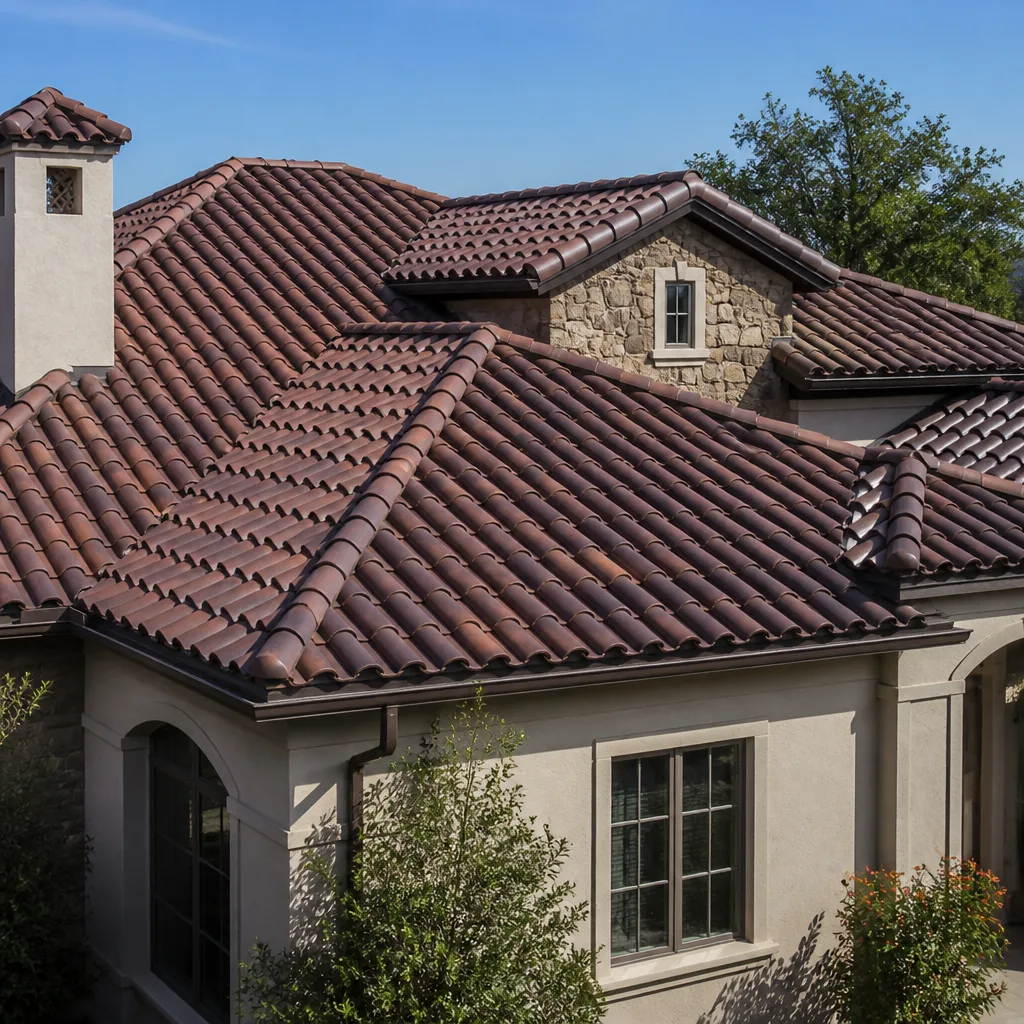 Tile roofing
 GAF
 Owens Corning
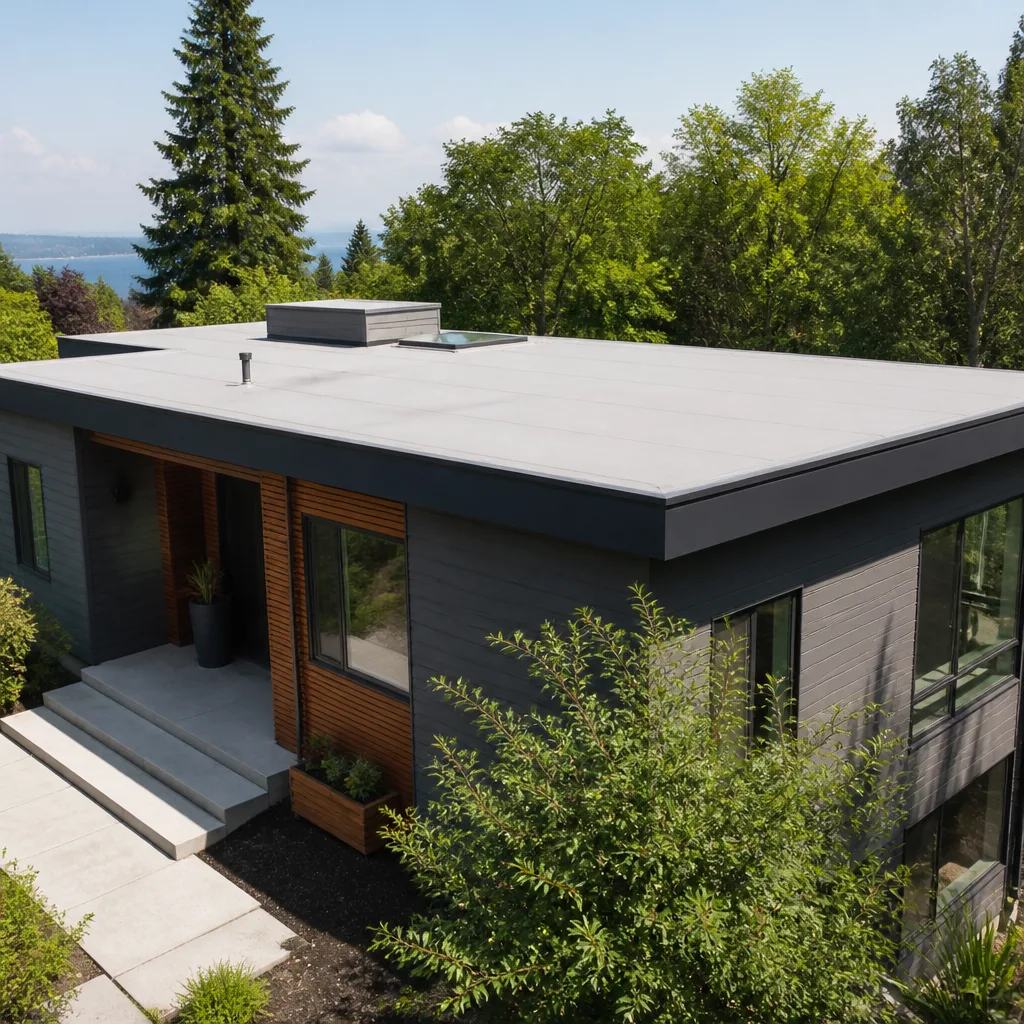 Flat & low-slope
Free roof inspection with deck photos before we talk money - GAF and Owens Corning certified installation
Styles & brands we work with
- Architectural shingles
- Metal roofing
- Tile roofing
- GAF
- Owens Corning
- Flat & low-slope
See the difference
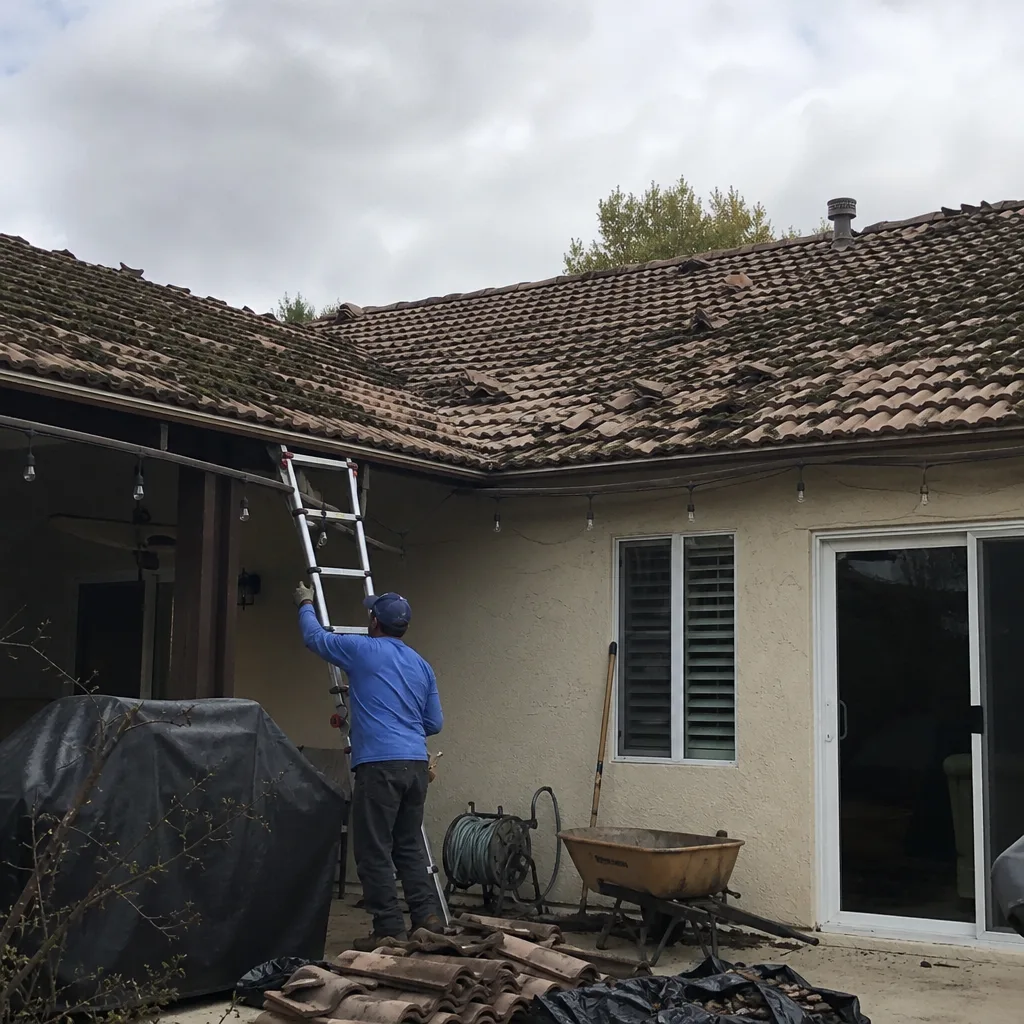 Before
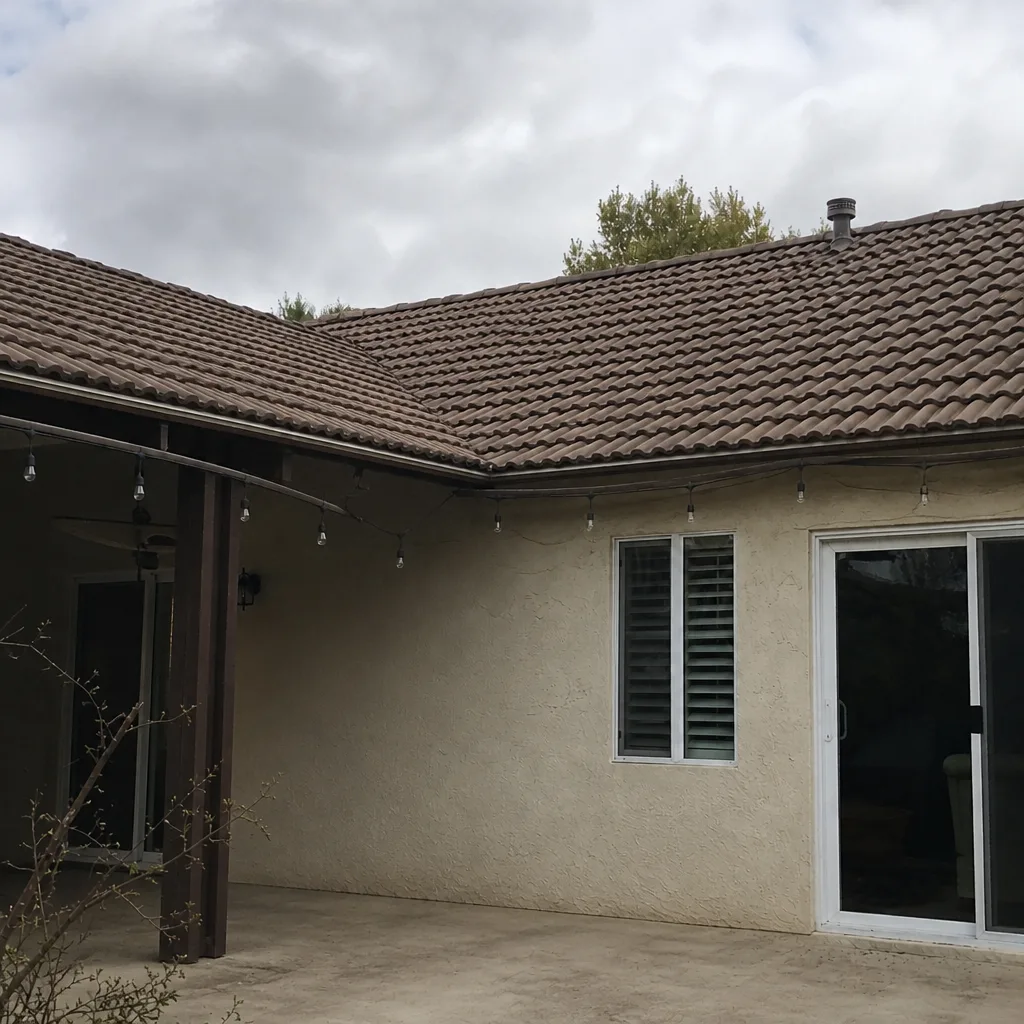 After
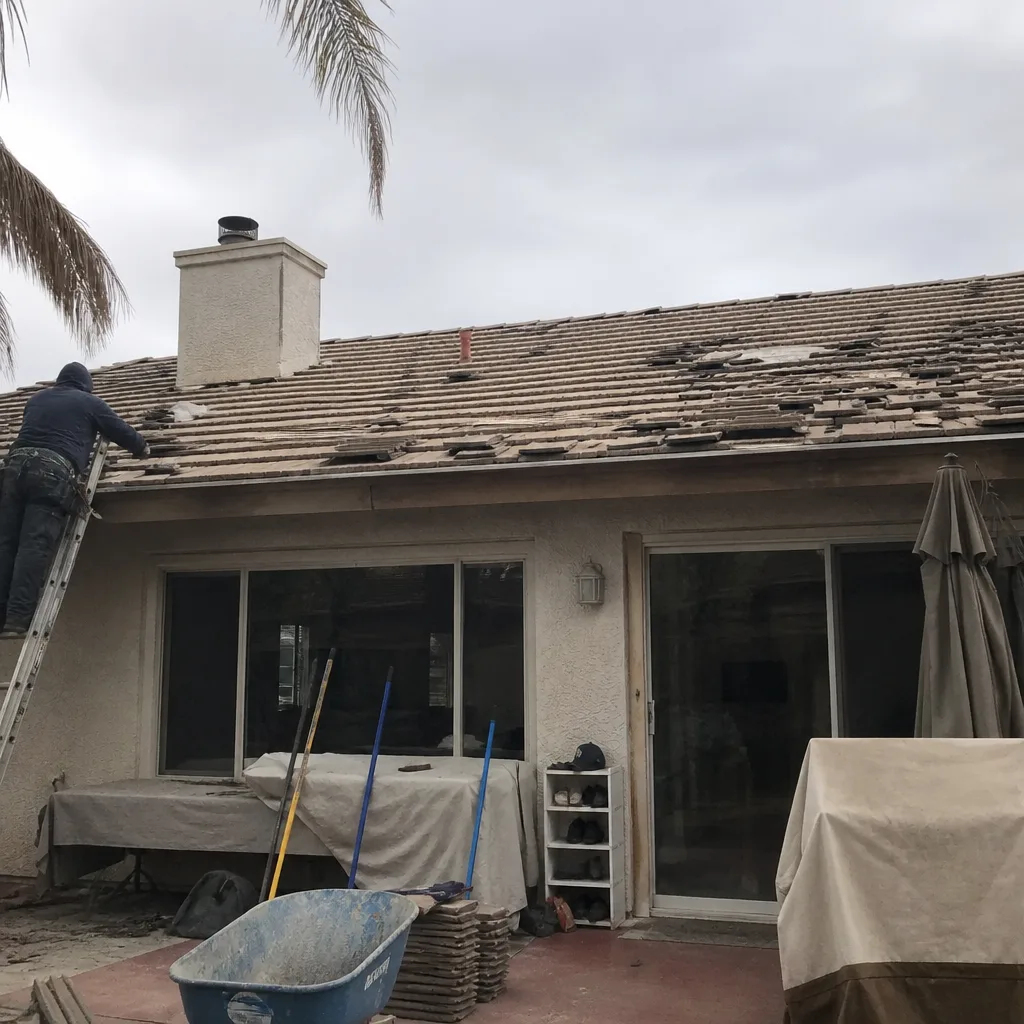 Before
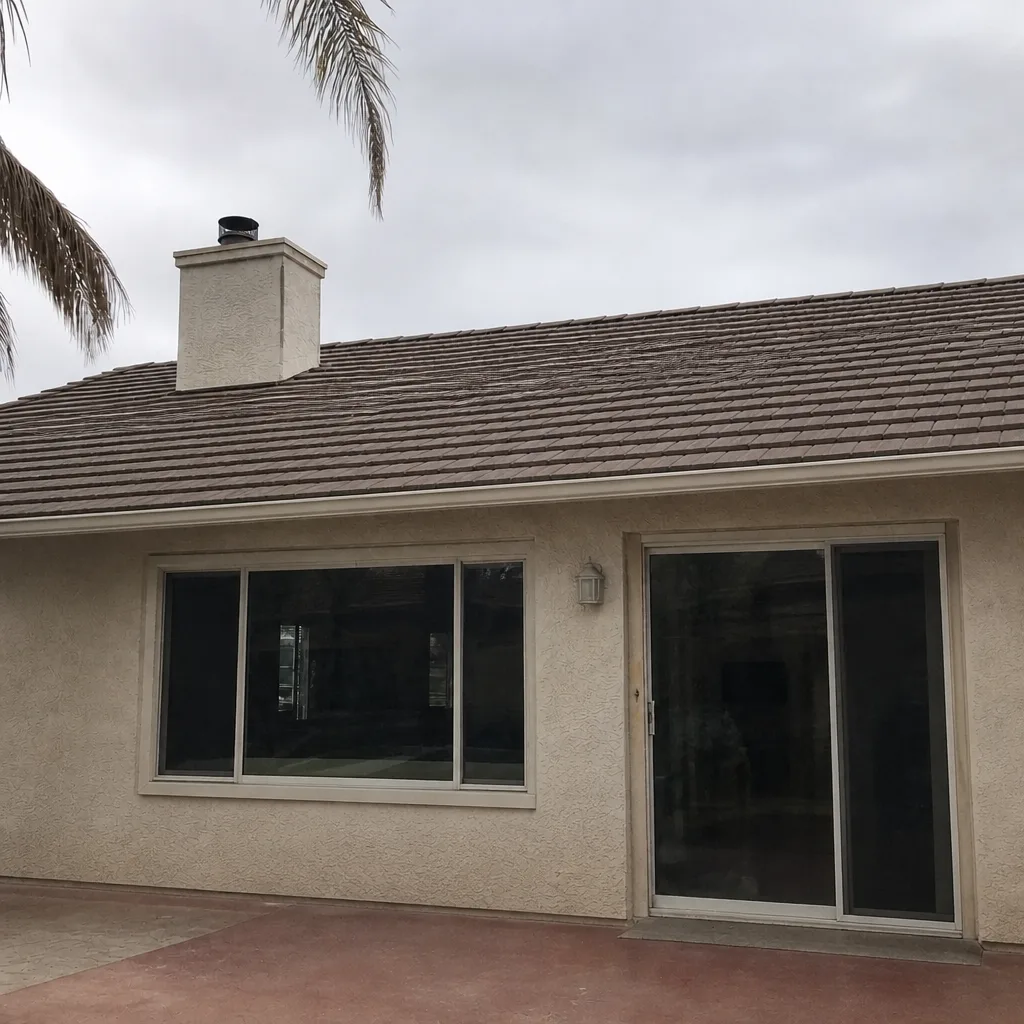 After
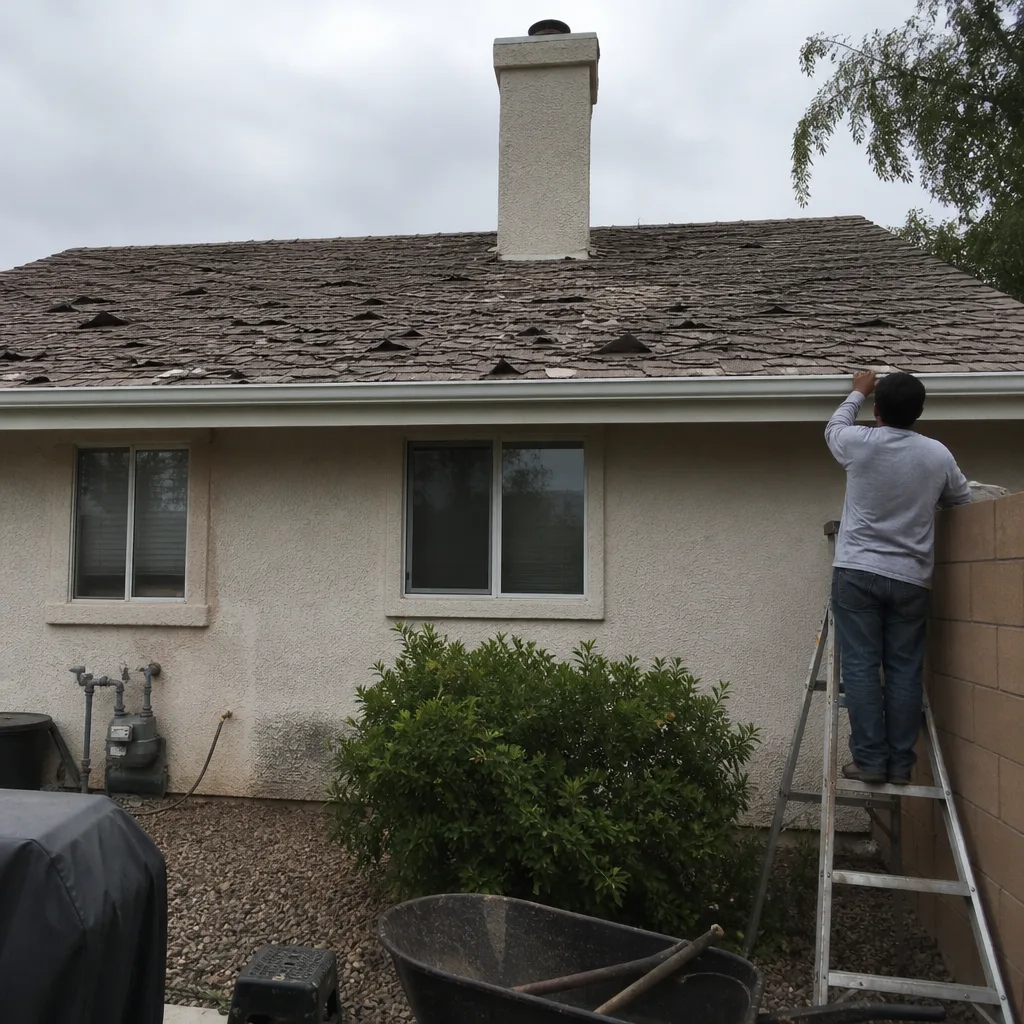 Before
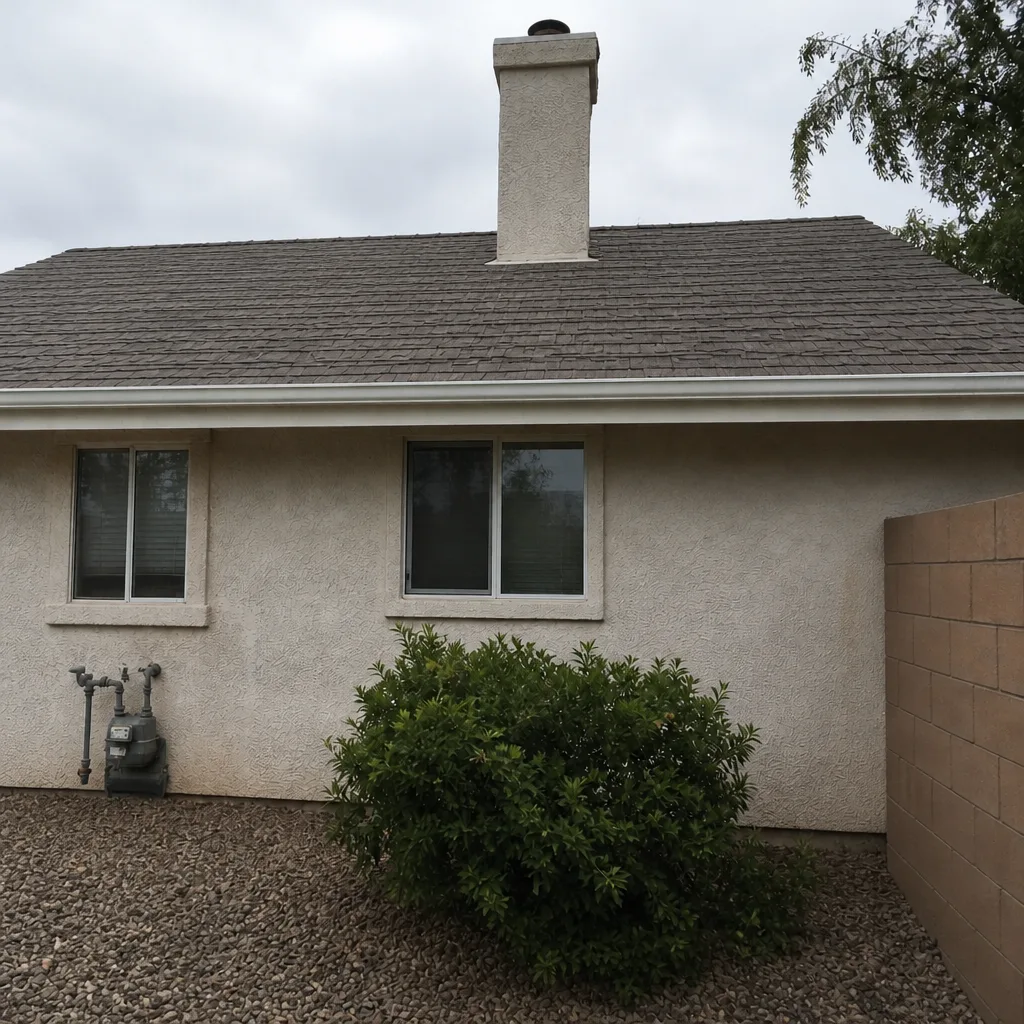 After
Roof Hail Damage Signs in Summerlin, NV: What Concrete Tile Hides After a Monsoon
The clearest sign of hail damage on a Summerlin tile roof is a hairline fracture running along the crown of a concrete barrel tile, not a chip on its face. Most homeowners look for dents and missing pieces, find neither, and assume they’re fine. In Summerlin, the roofs that leak six months later are usually the ones where the tile looked clean from the driveway and the underlayment underneath was already punched through. If you want a trained set of eyes on it, call (844) 951-4545 and we’ll come look.
Summerlin is a master-planned community built almost entirely in Mediterranean and Spanish Colonial Revival styles, which means concrete barrel tile as far as you can see. Summer temperatures here push past 110°F, and roof surfaces bake well above that. When a monsoon hailstorm hits, it doesn’t hit a healthy roof. It hits a roof that’s been heat-cycling for 20 to 30 years. That’s the part most hail-damage guides leave out.
Key takeaways
- Real hail damage on Summerlin tile shows up on the crown ridge, not the flat face.
- A face chip is cosmetic. A crown fracture breaks the weather seal.
- Underlayment under cracked tiles in 1990s villages is often dried 15-lb felt that punctures on impact.
- Dark water staining on deck boards is the leak indicator that matters most.
- HOA design review in Summerlin affects how you document and file a claim.
Where hail actually cracks a Summerlin barrel tile
Picture a barrel tile in cross-section. The crown is the high curve facing the sky. The face is the flatter side. Hailstones hit the crown first, at the point of highest curvature, and that’s where the stress concentrates.
On a newer, healthy tile, a monsoon hailstorm might scuff the surface. On a tile that’s already been through 25 summers and thousands of heat cycles, it fractures. We see this constantly in The Trails and The Willows, where the original roofs are hitting that 25-year mark. The tile doesn’t shatter. It cracks along the crown in a line you can miss unless you’re up close with a straight edge. From the driveway, it looks perfect.
How to tell a crown fracture from a face chip
Get on a ladder with good light and look at the top curve of several tiles. Run your eyes along the ridge line, not across the middle. A face chip is a surface scar. A crown fracture is a break that extends through the tile body. Only the crown fracture lets water past. If you can slide a fingernail into the line, water can get in too.
We photograph both and show you the difference side by side before anyone talks about money. That’s just how we work.
Why Summerlin hail damage is cumulative, not just this storm
Hail gets blamed for damage the sun did first. Here’s the pattern we see in Summerlin villages built through the 1990s: the tile develops micro-cracks from years of expanding in 110°F afternoon heat and contracting overnight. Those cracks are invisible. Then a hailstorm rolls through, and the already-weakened tiles are the first to fully fracture. The storm was the last straw, not the whole story.
That matters when you document damage for insurance. An adjuster who only credits the hailstorm may miss the thermal failure that made the fracture possible. We assess both, because the fix has to address both.
The underlayment is where the real leak risk lives
Concrete tile is a rain screen, not a waterproof layer. The waterproof layer is the underlayment beneath it. On Summerlin roofs from the 1990s build-out, that’s frequently dried-out 15-lb felt. After 20 to 30 years in this UV and heat, it’s brittle. Hail that wouldn’t hurt the tile can punch straight through the felt.
You can’t see this from the ground. The tell is dark water staining on the deck boards underneath, and you only find it by pulling a cracked tile and looking. When we inspect a Summerlin roof after a storm, that’s the step that separates a real answer from a guess. If we find staining, the fix is underlayment replacement, not a few swapped tiles.
This is also where a lowballed estimate gets expensive. If an adjuster writes up a tile swap and skips the underlayment, you’re paying later. Our free second opinion on any written estimate gives you an independent, documented look at what’s actually under the tiles before you sign anything. If you’d rather just get it handled after the storm, our Emergency & Storm Damage service is built for exactly that call.
What to check after a Summerlin hailstorm
- Tile crowns, not faces. Walk the perimeter with binoculars or get a roofer up top. Look along the high curve for hairline lines.
- Granule or surface loss. Hail can pit and loosen the top surface of older tiles, which speeds up the next failure.
- Broken pieces in the gutters or at the base. A tile that cracked on the crown often sheds a sliver.
- Dark streaks on fascia or soffit. Water backing up under dried felt shows up there before it shows up inside.
- Ceiling stains or musty smell in the attic. By the time water reaches the drywall, it’s been leaking underneath for a while.
How Summerlin HOA design review changes a hail claim
Summerlin’s village architectural review boards enforce tile-roof color and profile standards. You can’t just swap in a replacement tile of a different profile or color, and every re-roof has to clear design review before a permit is issued. When a hail claim calls for partial re-roofing, the replacement has to match the original approved color and profile exactly. That means the claim documentation has to be specific: tiles by profile, color, and count, plus underlayment scope, so the approved match goes in and the claim covers it.
We know which villages are strict and which have the original underlayment still on them. That knowledge the adjuster doesn’t have. It’s part of what we bring when we come out.
When it’s cosmetic and when to call
A single face chip on an otherwise sound tile, with no staining underneath, is usually a watch-and-wait. A crown fracture over compromised underlayment is a repair. A field of crown fractures with staining on the deck boards is a conversation about replacement. A roof is measured in squares, and the count tells you which of those three you’re in. Ask any bidder how many they counted and whether they pulled a tile to look underneath.
We install from GAF, CertainTeed, Owens Corning, and Boral, so matching the approved tile in your Summerlin village is a phone call, not a hunt. Every job we do is backed by our written 90-Day Done Right Promise. If it’s not done right, one call brings Bill back.
What it typically costs in Summerlin
| Scope | Typical range |
|---|---|
| Hail inspection with a pulled tile | No charge inside our county |
| Isolated tile replacement (a few tiles) | $200-$450 |
| Section underlayment repair | $600-$1,800 |
| Partial re-roof (matched tile, one slope or village section) | $3,500-$9,000 |
Free second opinion on any written estimate. No trip charge inside our own county. And our team answers the phone live, 24/7, including the night after a storm.
FAQs
The first real sign is a hairline fracture along the crown ridge of a concrete barrel tile, plus dark water staining on the deck boards when a cracked tile is pulled. Face chips are cosmetic and common; crown fractures are what break the weather seal. Call (844) 951-4545 for a look that goes past the driveway view.
Yes, and it usually does. The tile body may look intact while its 15-lb underlayment has punctured or dried out from decades of heat. You only find it by pulling a cracked tile and checking the deck underneath. Estimates are free, so it’s worth having it checked.
Each Summerlin village’s architectural review board enforces specific tile color and profile standards, so the replacement has to match the approved original and clear design review before a permit is issued. That’s why documentation has to list tile profile, color, and underlayment scope. We can help you document it before you file.
Often, yes. We answer the phone live around the clock, so after a storm call (844) 951-4545 and we’ll schedule a visit, no trip charge inside our county. The first step is always a documented look at the tile crowns and what’s underneath.
If you’d rather have it looked at, Shepherd & Sons Roofing Summerlin offers a no-pressure assessment in Summerlin. Same address since 1996, a live person on the phone at (844) 951-4545, and a free second opinion on any written estimate before you sign anything.
Written by the team at Shepherd & Sons Roofing Summerlin, serving Summerlin, NV.