
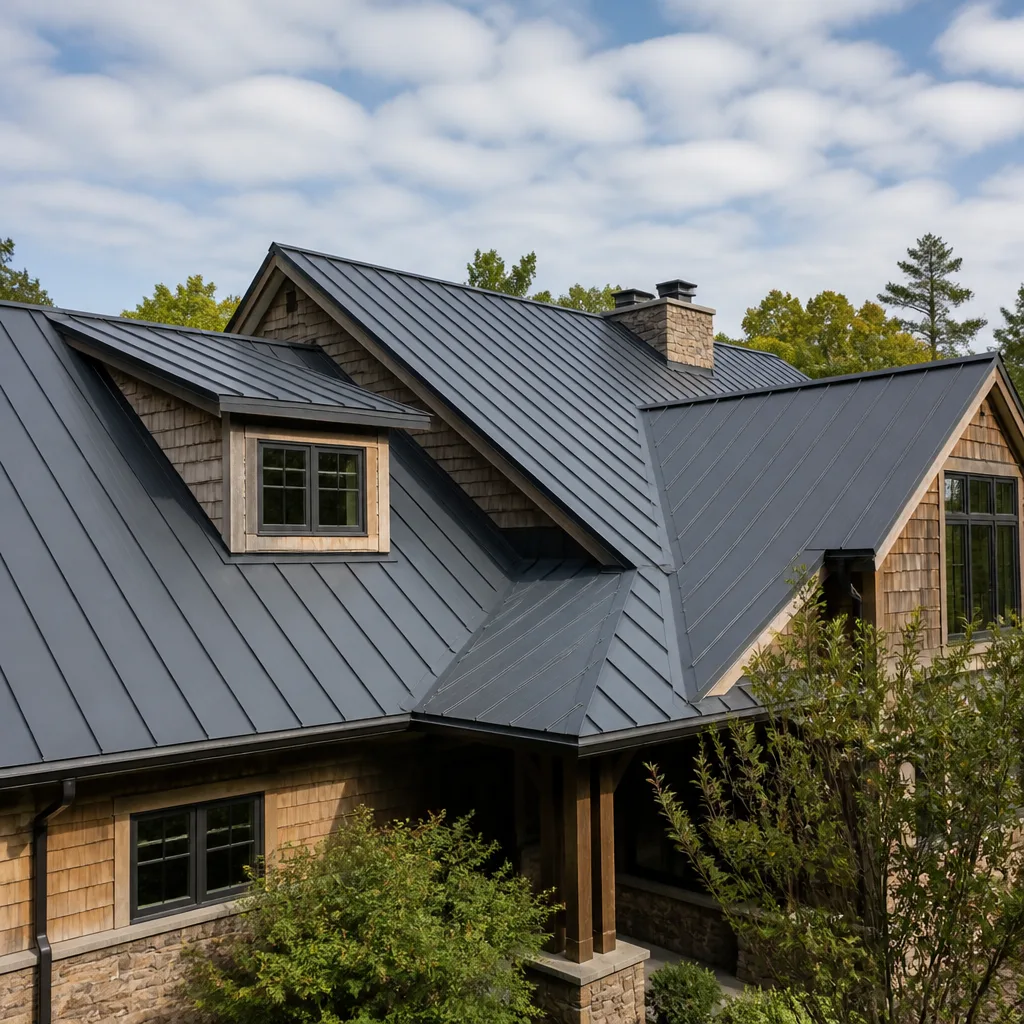
 Metal roofing
 Architectural shingles
 Tile roofing
 GAF
 Owens Corning
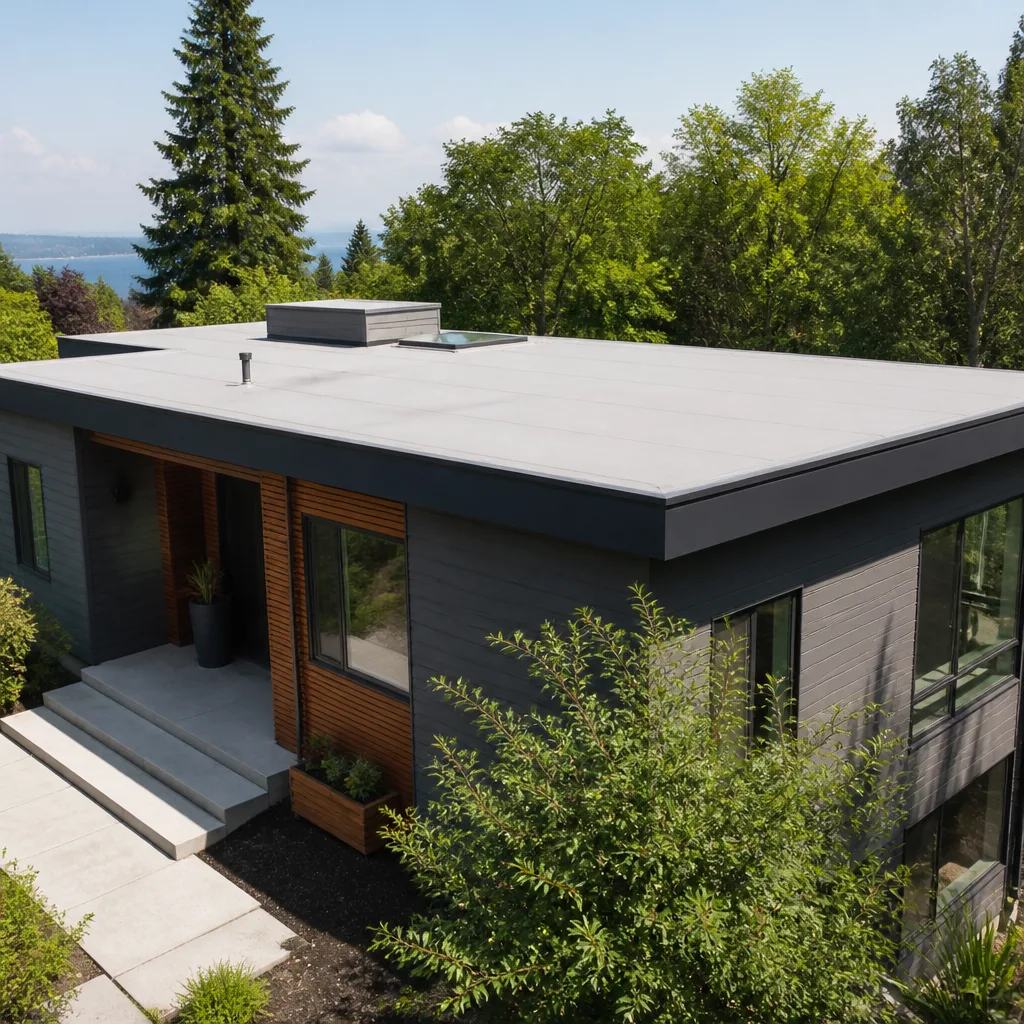 Flat & low-slope
Free roof inspection with deck photos before we talk money - GAF and Owens Corning certified installation
Styles & brands we work with
- Architectural shingles
- Metal roofing
- Tile roofing
- GAF
- Owens Corning
- Flat & low-slope
See the difference
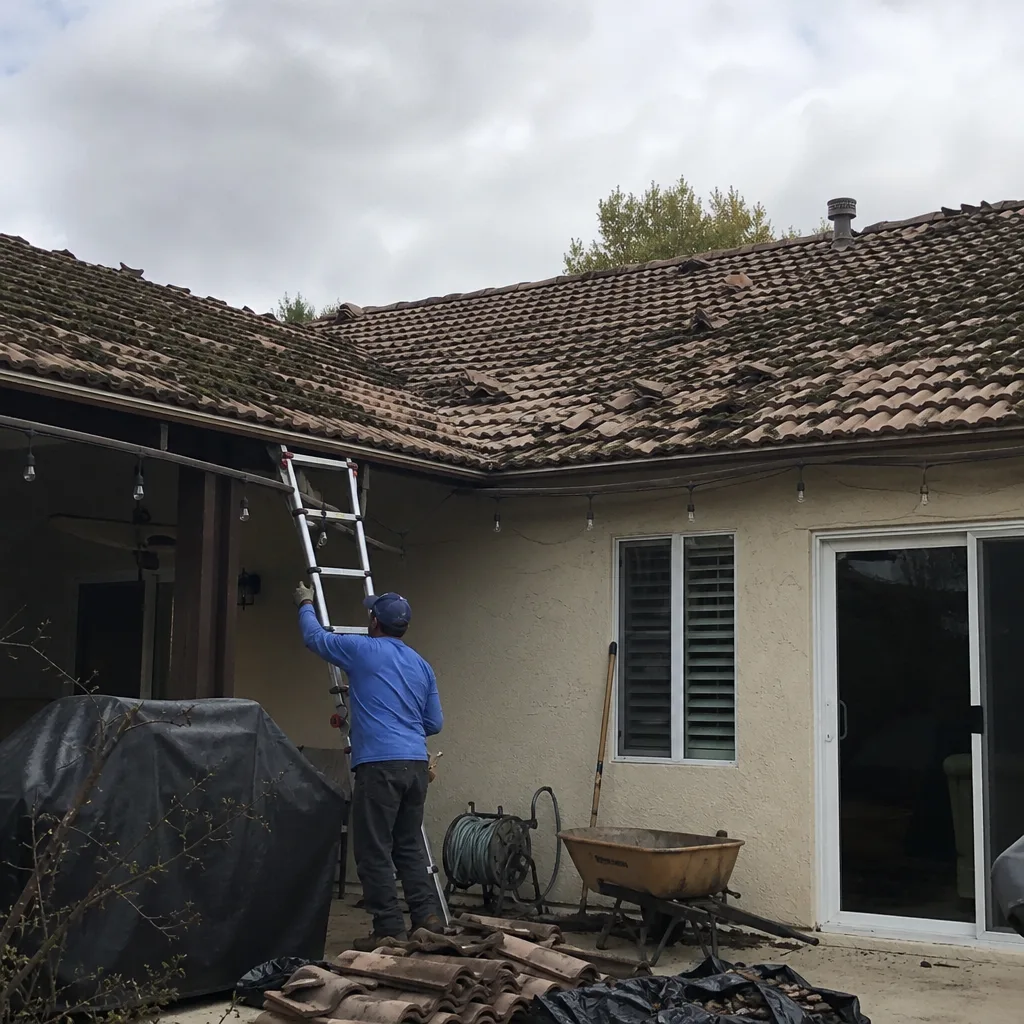 Before
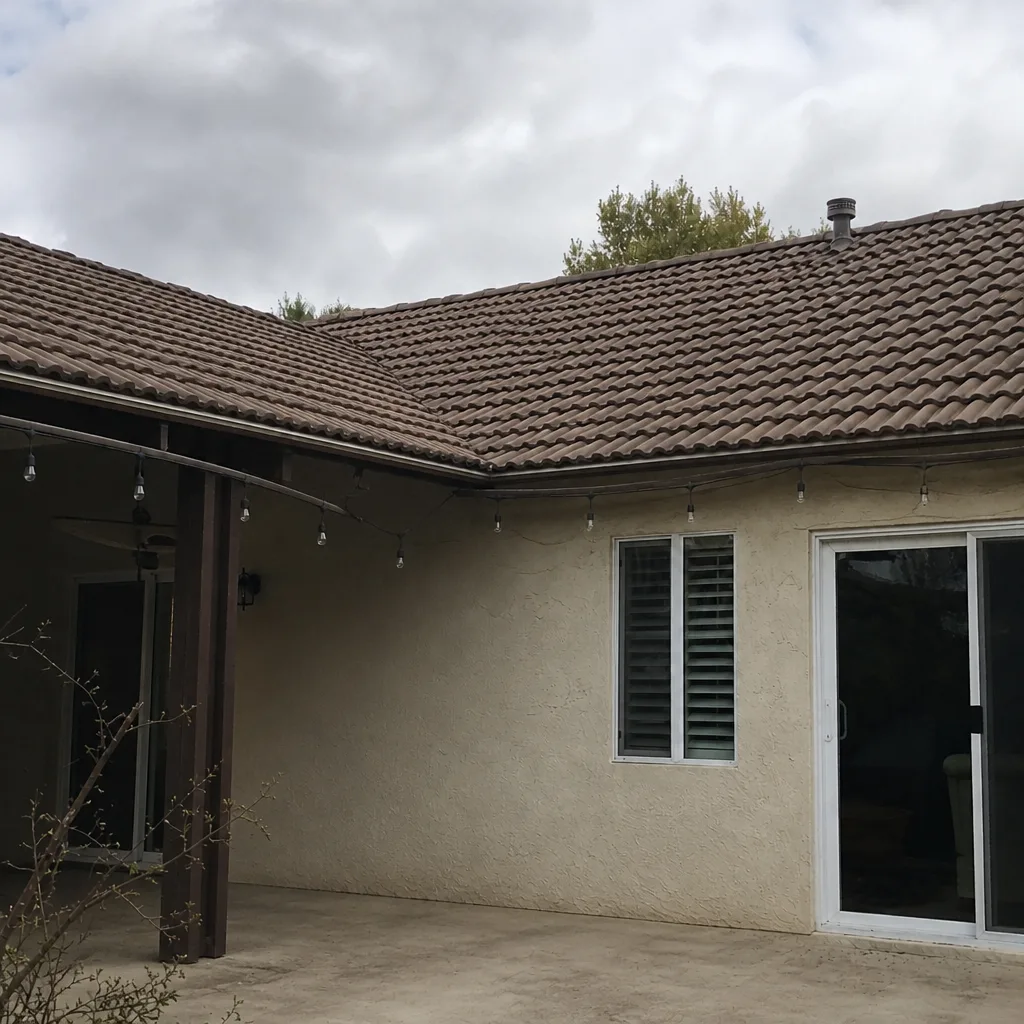 After
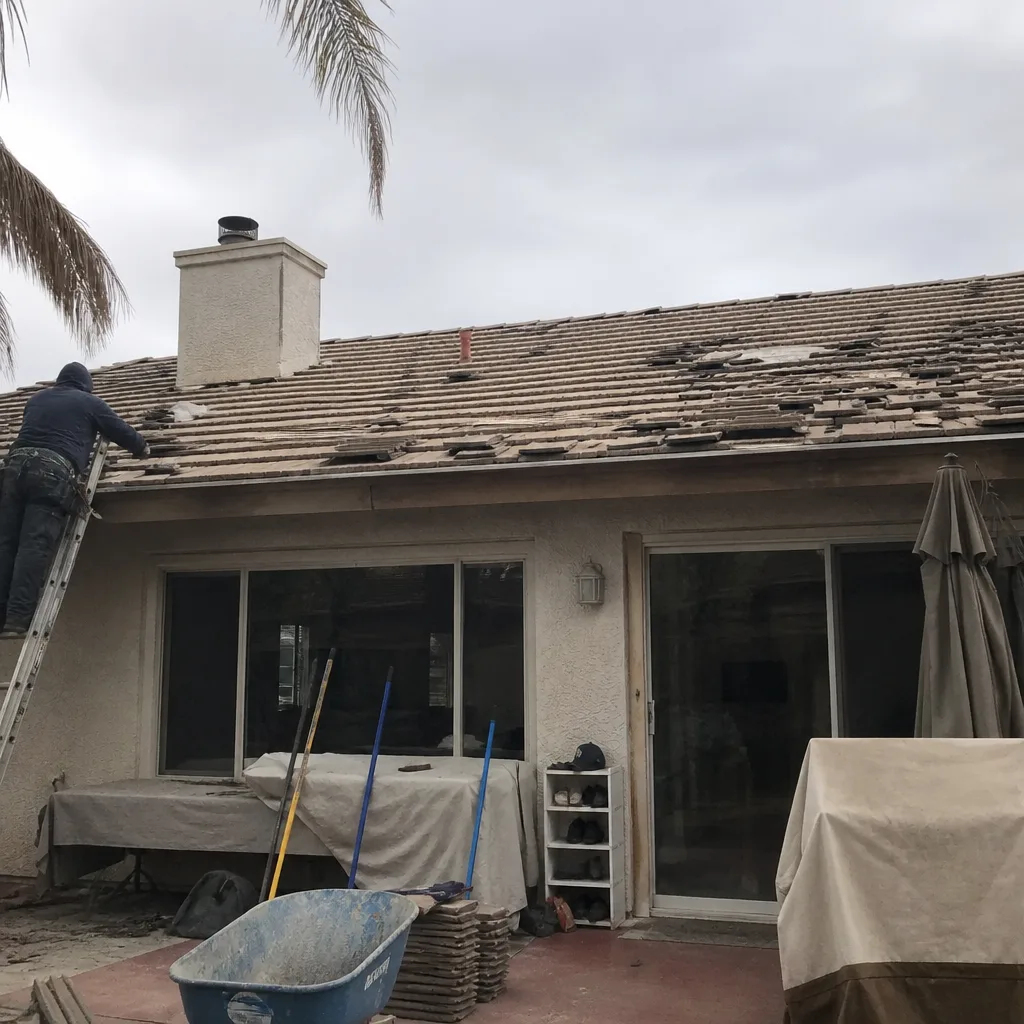 Before
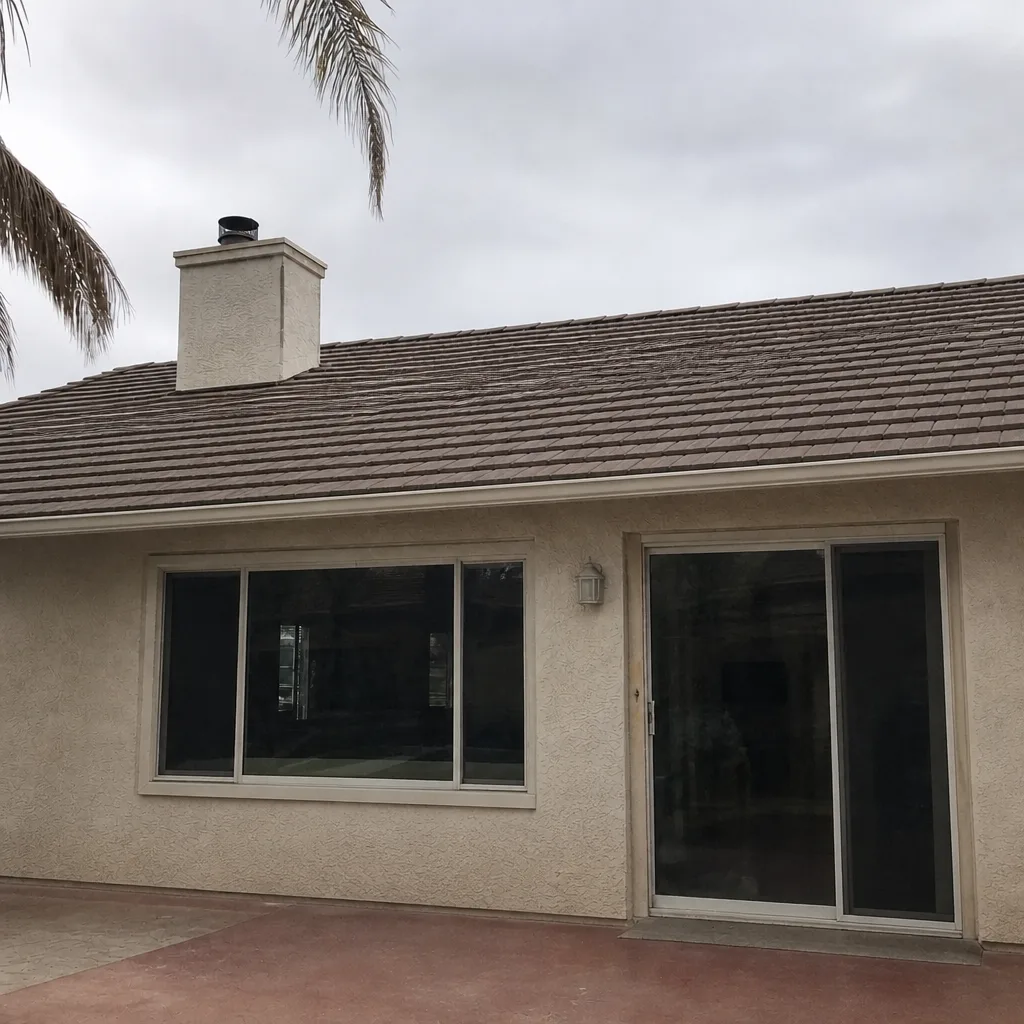 After
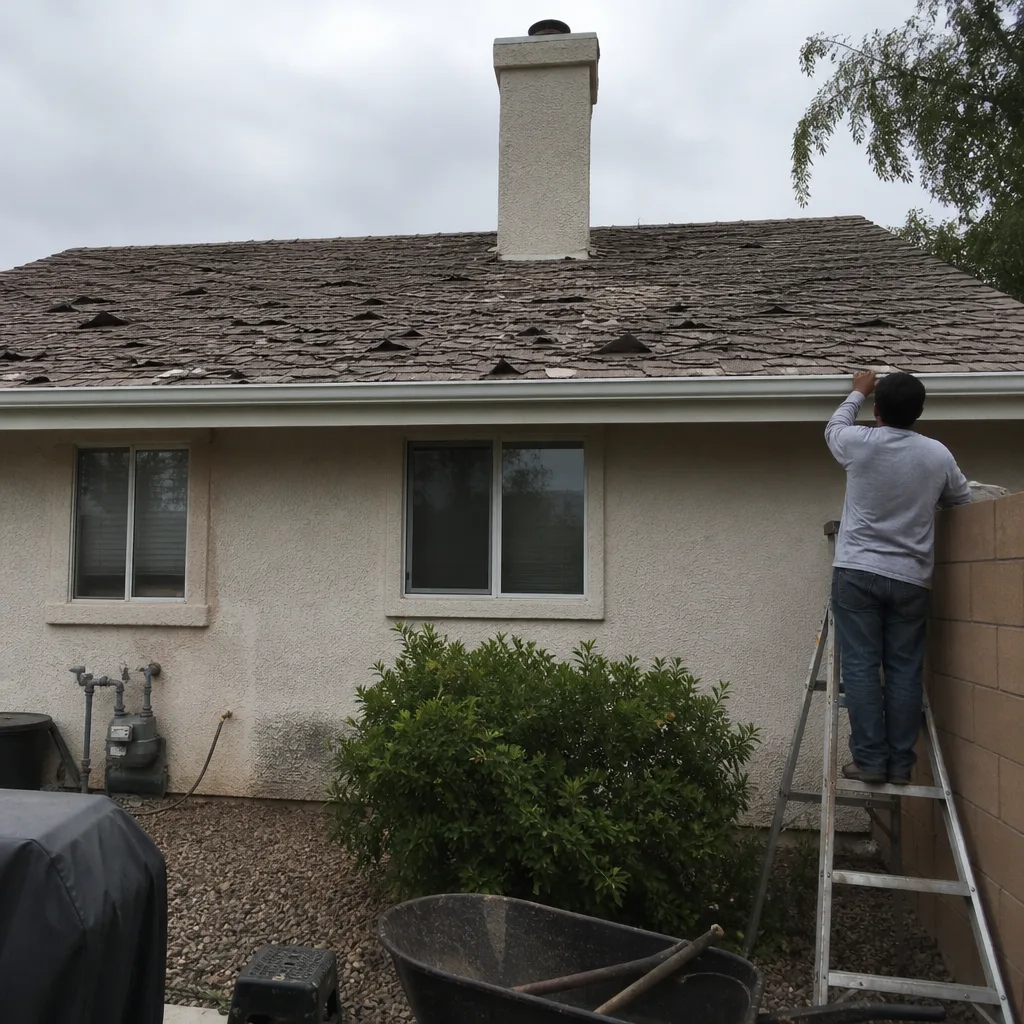 Before
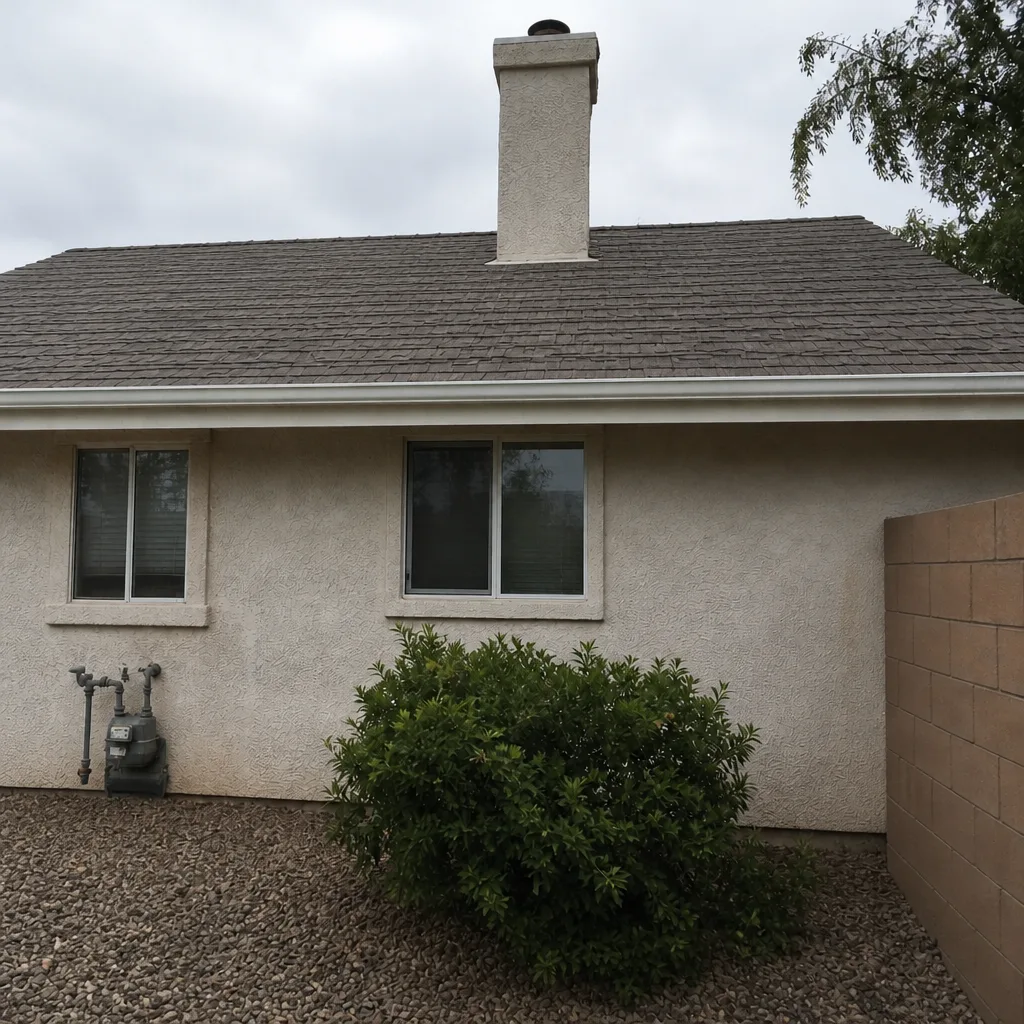 After
How to Find a Roof Leak in Summerlin, NV: Start in the Attic, Not at the Ceiling Stain
To find a roof leak in Summerlin, stop looking where the water lands and start tracing where it got in. On the concrete barrel tile roofs that cover most of this community, water enters through a cracked or lifted tile, runs sideways along the tile’s channel, and drops through the deck several feet from the ceiling stain. The short answer: find the highest wet spot in the attic, then work uphill from there. A live person at Shepherd & Sons Roofing Summerlin answers around the clock, so if you’ve got a bucket under a drip and a stain spreading, call (844) 951-4545 and describe what you see.
The Ceiling Stain Is Rarely the Entry Point
If you’re using the ceiling stain to find a tile roof leak, you’re probably looking in the wrong place. Water enters under a cracked tile on the south slope, runs down the tile channel, hits a low point, and drips through the deck six feet away from where it got in.
That’s the part outsiders get wrong. A barrel tile isn’t a shingle. It’s a concave trough, and the trough is a water highway. A hairline crack or a tile nudged out of line lets water under the surface, but the channel then steers it laterally across the slope until it finds a deck penetration, a seam, or a soft spot to pass through. By the time it reaches your ceiling, the entry point and the stain have been decoupled by several feet. On the tile roofs we see in The Trails and The Willows, that gap is often four to eight feet.
So the ceiling stain tells you roughly which slope to examine. It does not tell you which tile to fix.
How Do You Tell a Monsoon Leak From a Slow Leak?
A leak that only shows up during hard, wind-driven rain during monsoon season and stays dry the rest of the year is almost never a cracked field tile. It’s nearly always a flashing failure at a hip, ridge, or penetration, where the mortar has cracked or the caulk has dried and checked out.
That distinction saves you a lot of wasted searching. Vertical rain falls straight down and the tile channels drain it fine. Wind-driven rain gets pushed uphill and sideways into every open joint. The weak points are always the places where the roof changes direction or where something pokes through it:
- Hip and ridge caps. Mortar cracks as it ages and thermal-cycles under Summerlin’s summer sun. Once it fails, wind-blown rain walks right underneath.
- Pipe boots and vent stacks. The rubber or lead collar perishes. Look for a pulled or torn boot.
- Skylight and chimney flashing. Seams and caulk lines dry out and separate.
- Valley and ridge intersections. Where two planes meet, debris collects and water lingers.
If your leak only fires up when the weather turns sideways, start your search at those spots, not in the middle of a clean-looking slope.
What Can You Check on Your Own Before Calling?
There are three safe diagnostic steps that work for a tile roof, and none of them involve walking across the tile face. For anything short of these, it’s worth having a professional take over - this is a job that rewards the right method.
- Walk the perimeter at ground level. Look up at the hips and ridges for missing, slipped, or cracked caps. These are the most common entry points, and you can spot them from the yard without putting a foot on the roof.
- Check the penetrations from a ladder. Look at every vent, pipe, and skylight for cracked caulk, pulled flashing, or a boot that’s torn. Stay on the ladder, not the roof.
- Go into the attic with a flashlight. Find the water staining on the deck boards and trace the stain uphill, not toward the ceiling stain below. Water runs down the topside of the deck and along rafters before it drops. The real entry is upslope from where you see the wet spot on the ceiling.
If the attic doesn’t show you a clear trail, that’s the point to call. When a leak hides behind finished ceilings or inside a wall cavity, guessing gets expensive.
Why You Should Not Walk a Summerlin Tile Roof
Don’t walk across tile to find the leak. Concrete barrel tile cracks under foot traffic at high temperatures, especially when the surface has been baking at 110°F or more. A diagnostic visit to save a few dollars can turn into several broken tiles and a bigger repair, so the search is best done with the right footing and the right approach.
At Shepherd & Sons, the guys on the roof use foam knee pads and walk the mortar lines, not the tile face. Spreading weight across the web of mortar between courses instead of the unsupported curved surface is what keeps a full course of tile from cracking just because somebody went looking. That’s a small thing that says whether a roofer actually works tile or just works asphalt shingles.
When the source isn’t obvious from an attic inspection and a perimeter walk, Bill’s diagnostic process means lifting tile in the suspect zones, photographing the underlayment underneath, and showing you those photos before anyone talks about repair scope. You see the deck before you see a number. If you already have a written estimate from someone else, we’ll give you a free second opinion and a straight read on it. Roofing work here is backed by our written 90-Day Done Right Promise, and one call brings Bill back if something isn’t right.
What Should You Add to the List While You’re Up There?
Age matters as much as the leak itself. Many of the tile roofs in Summerlin’s older villages are now running 25 to 30 years old, and the underlayment beneath the tile is the part that actually keeps water out. Tile can look perfectly fine while the felt underneath it has dried out and split with thermal cycling. That’s why a leak that keeps coming back in different spots can point to a tired underlayment rather than a single bad tile. It also means the roof may be due for replacement rather than another patch, and a roofer should tell you which honestly.
While you’re hunting, note two things that help any good roofer: the tile profile and the shingle brand already in use. We install products from GAF, CertainTeed, Owens Corning, and IKO, so if a repair is needed, matching what’s up there goes faster when we know what we’re matching. And if a re-roof is on the table, remember that Summerlin isn’t a regular permitting town - each village’s architectural review board enforces its own tile color and profile standards, so the design review has to clear before a permit is issued. That’s unique to Summerlin, and we know the path.
For a closer look at what a repair involves once you’ve found the source, see our Roof Repair page and our full Roof Repair in Summerlin service. Start with our home page to see how we work. Homeowners can also ask about metal roofing, roof replacement, emergency roof repair, storm damage roof repair, gutter services, roof inspections, and our maintenance plans. We also help nearby neighborhoods with roof repair in Henderson and roof repair in North Las Vegas, and you can compare our services in our tile roofing guide.
FAQs
You trace it uphill from the attic staining, not from the ceiling stain below. Water travels along the tile channel and drops through the deck several feet from where it entered, so the real leak is usually several feet upslope of the stain you see in the room.
Often, yes, once the source is found. A live person answers our phone 24/7, including nights and weekends after a storm, and can tell you whether what you’re describing needs immediate attention or can wait for daylight. Call (844) 951-4545 for an exact answer.
Wind-driven leaks almost always come from a hip, ridge, or penetration flashing where mortar has cracked or caulk has dried out, not from a cracked field tile. Vertical rain drains off fine; sideways rain gets pushed into those open joints. Call (844) 951-4545 and we’ll get eyes on it.
Repair is cheaper when a single flashing or a few tiles are the cause, but once the underlayment itself is 25 years old and failing across a slope, patching throws good money at a tired roof. An honest inspection tells you which you’re facing before you spend either way. Call (844) 951-4545 for a free estimate.
If you’d rather have it looked at, Shepherd & Sons Roofing Summerlin offers a no-pressure assessment in Summerlin. We’ll show you the deck photos first, give you a free second opinion on any written estimate you’ve got, and take $40 off any repair over $200, with no trip charge inside our county. Call (844) 951-4545.
Written by the team at Shepherd & Sons Roofing Summerlin, serving Summerlin, NV.