
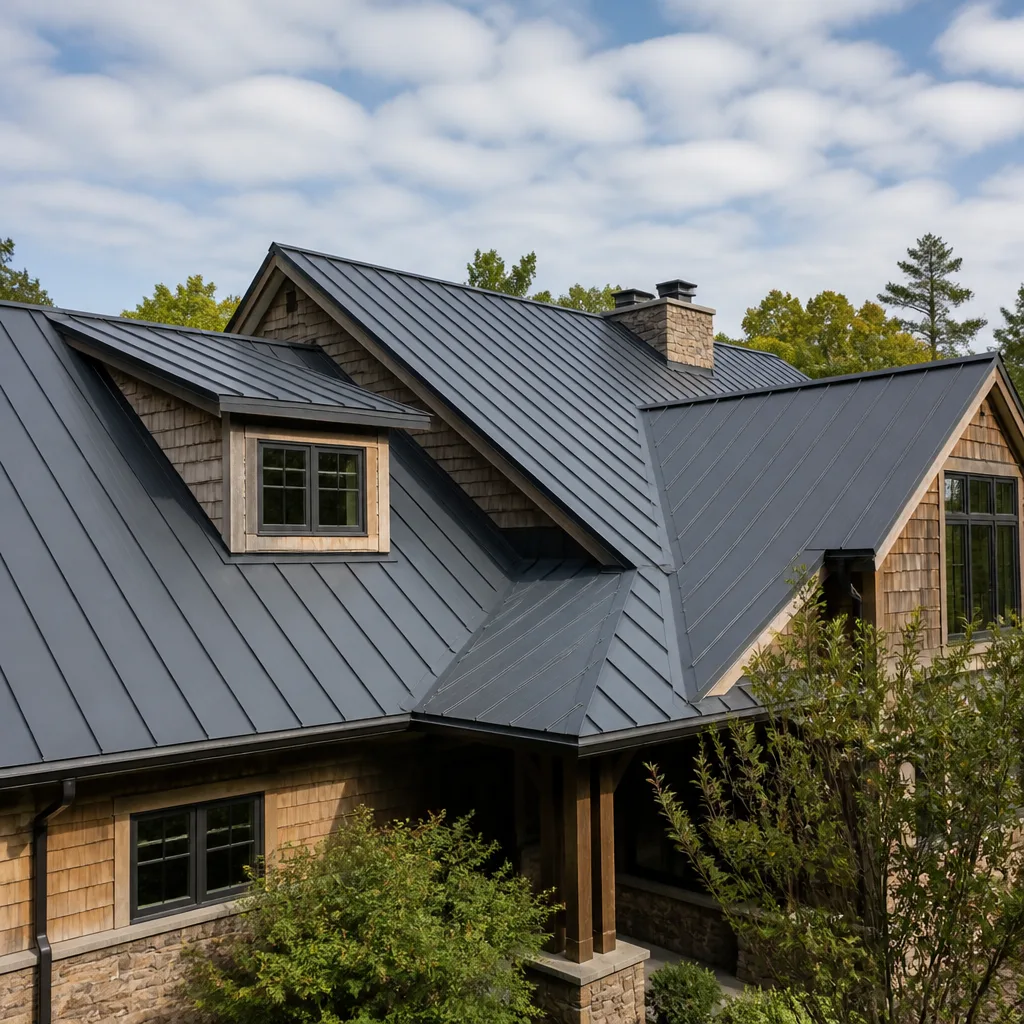
 Metal roofing
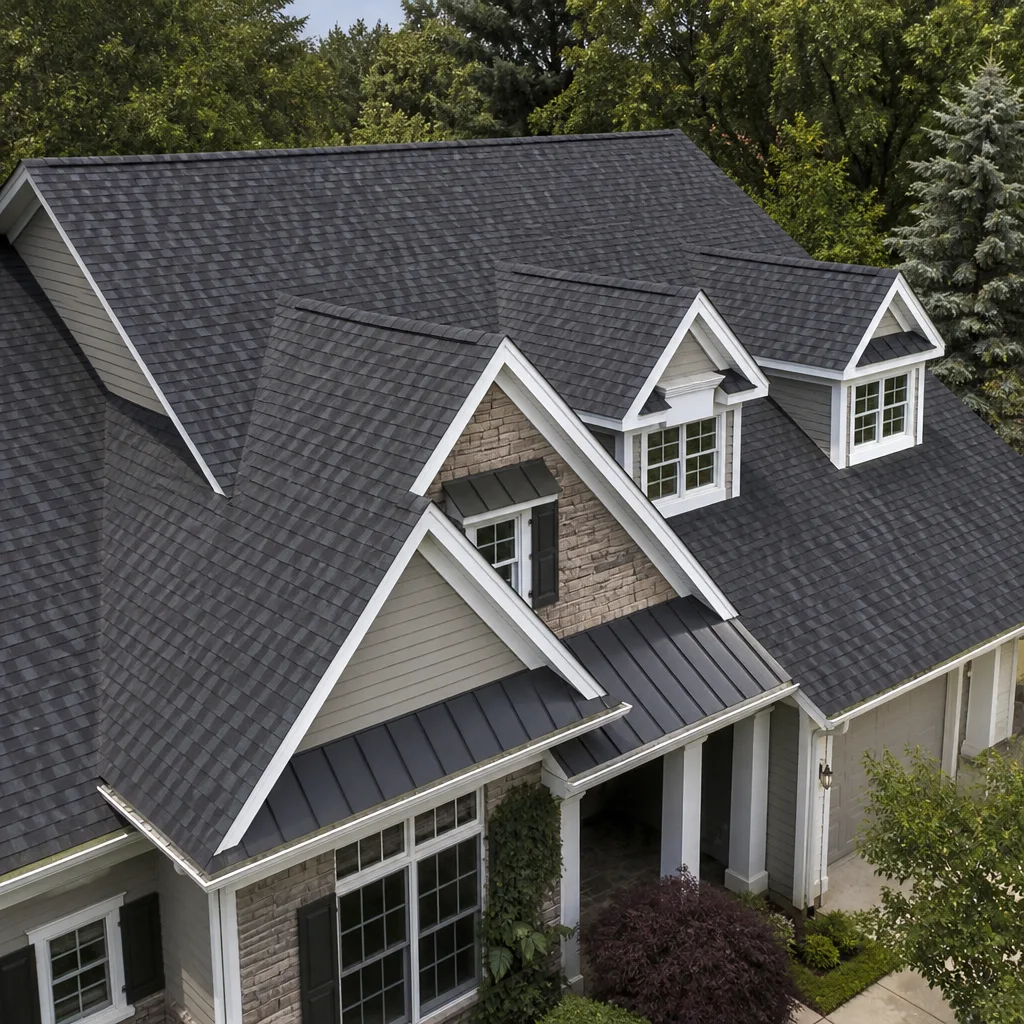
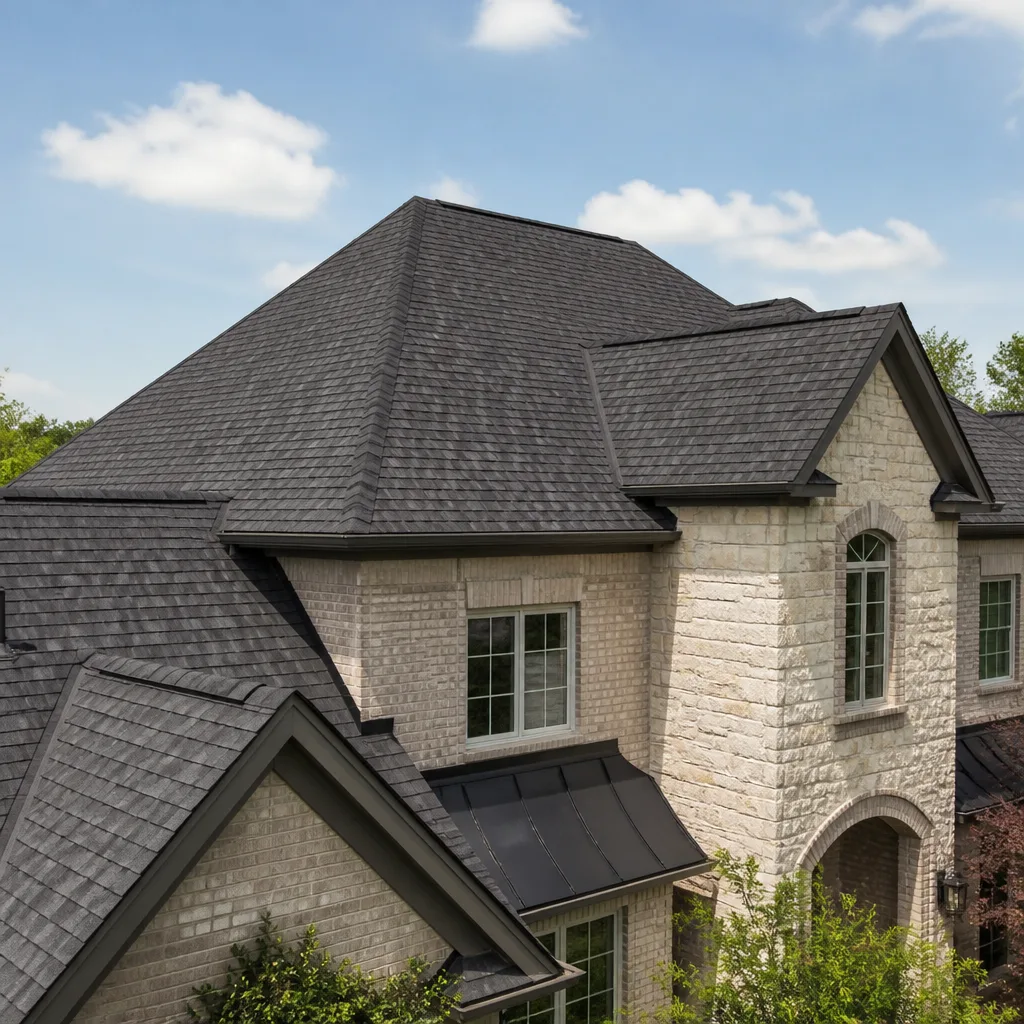 Architectural shingles
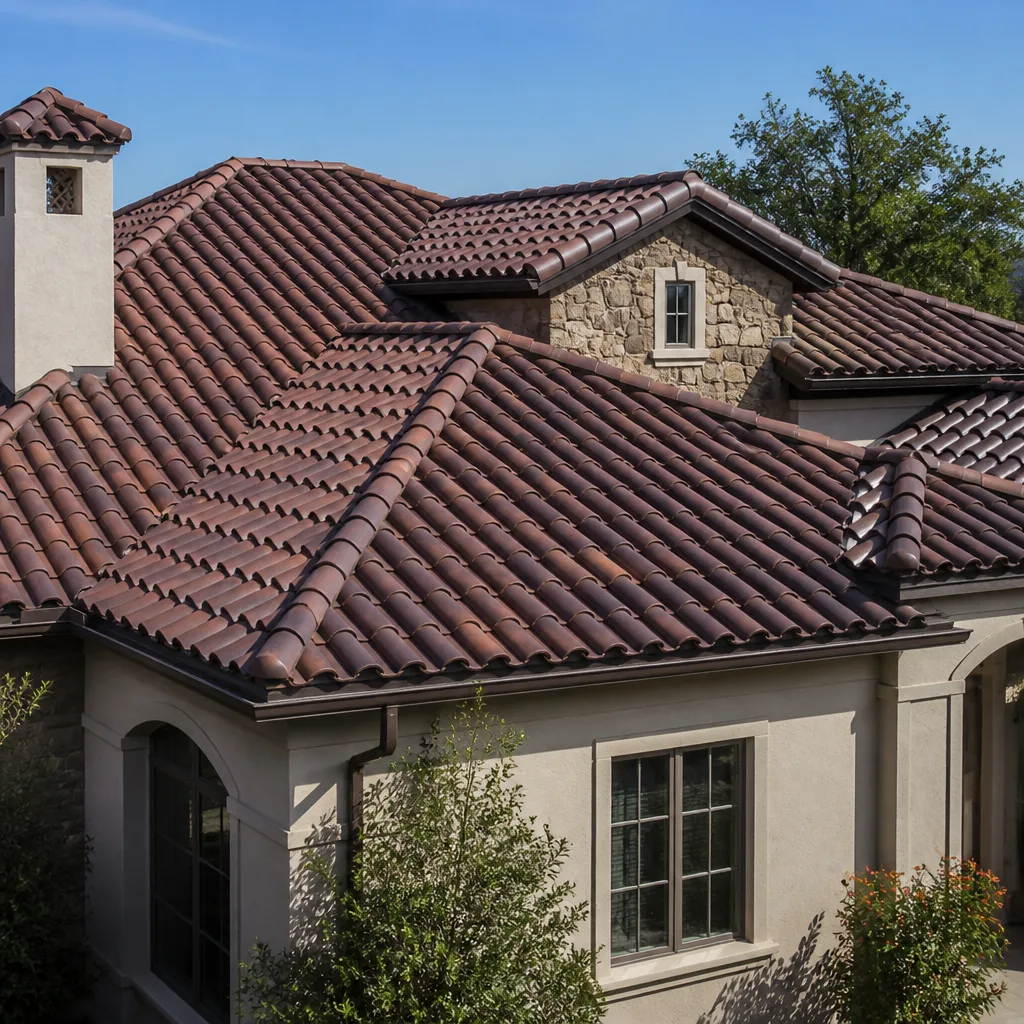 Tile roofing
 GAF
 Owens Corning
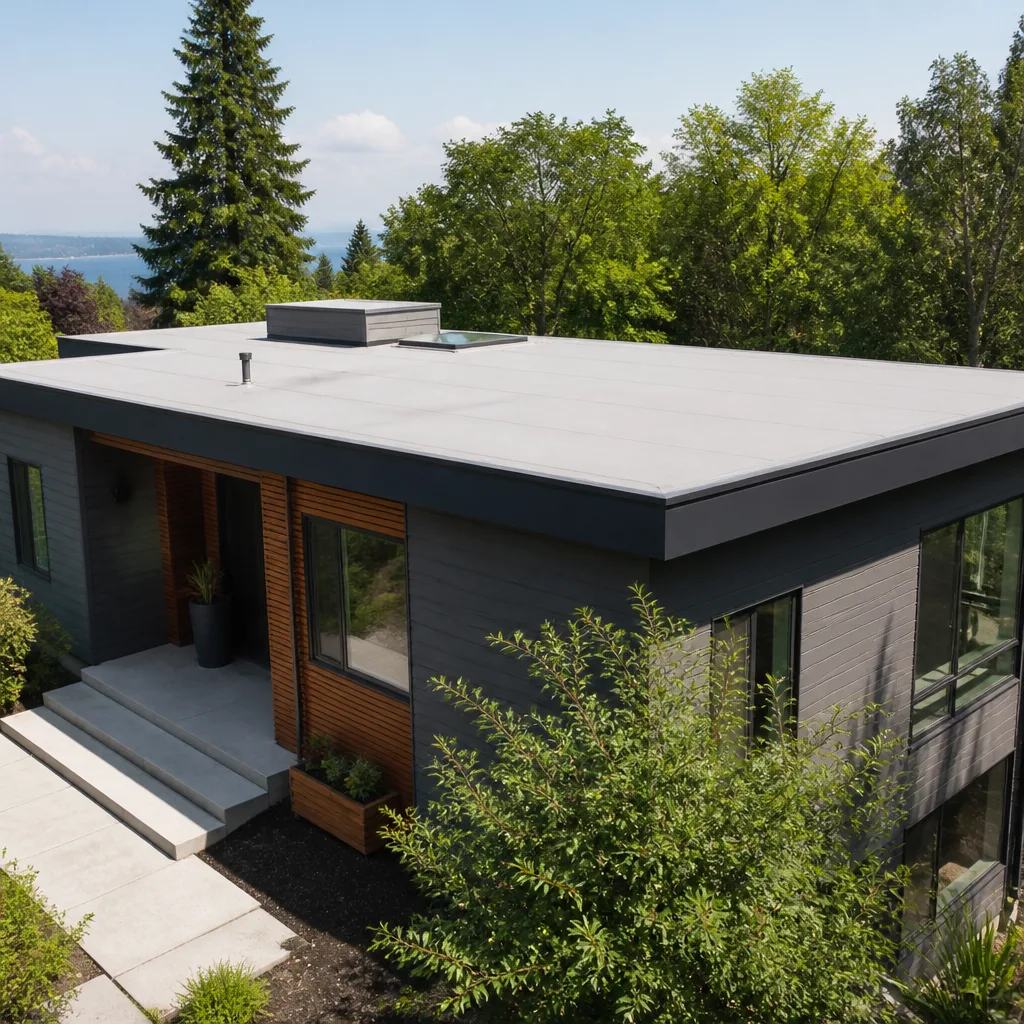 Flat & low-slope
Free roof inspection with deck photos before we talk money - GAF and Owens Corning certified installation
Styles & brands we work with
- Architectural shingles
- Metal roofing
- Tile roofing
- GAF
- Owens Corning
- Flat & low-slope
See the difference
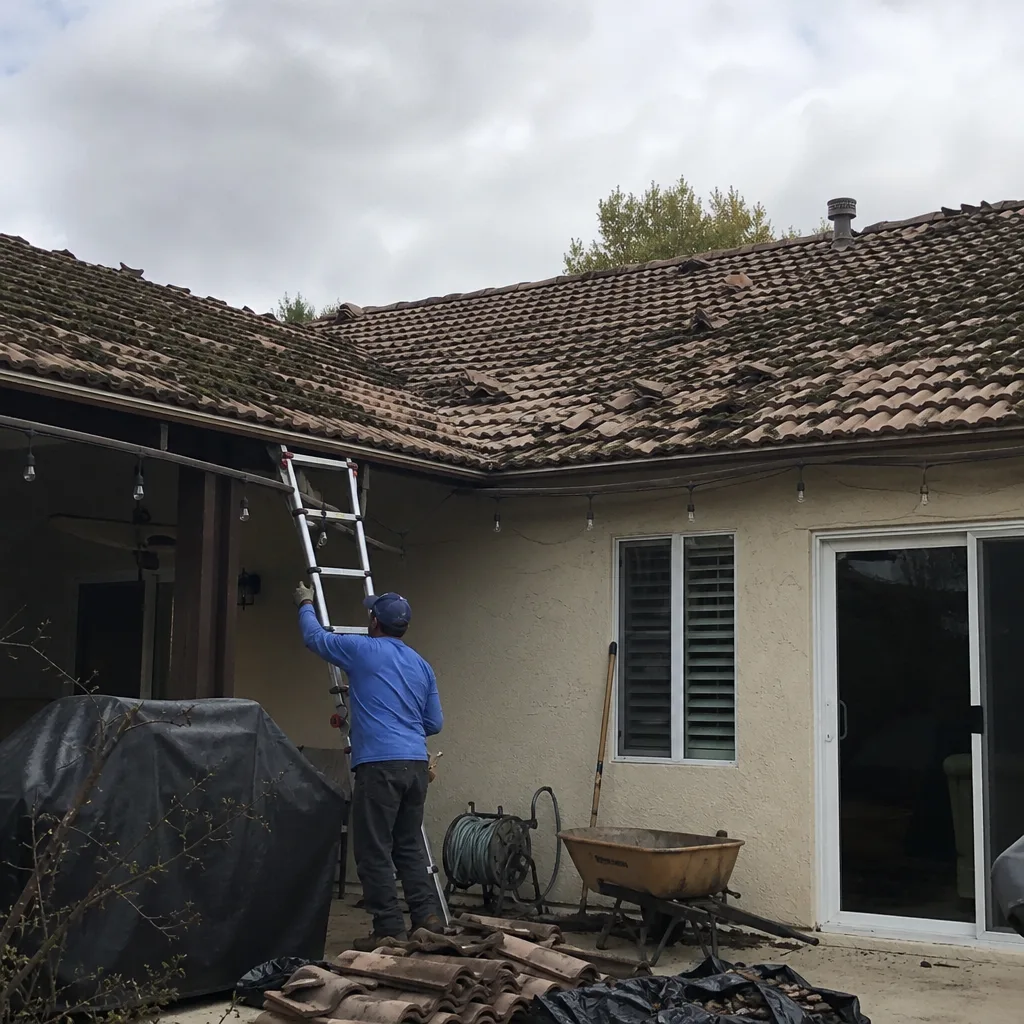 Before
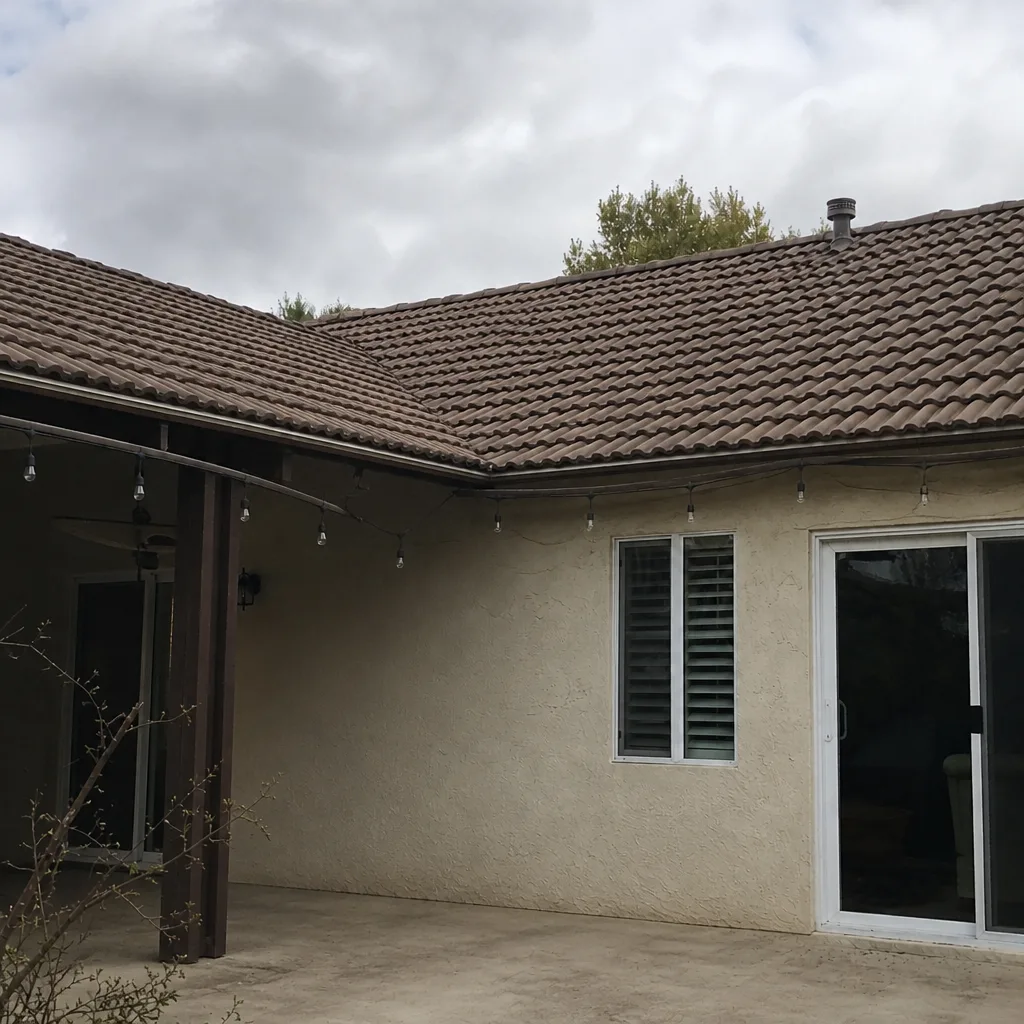 After
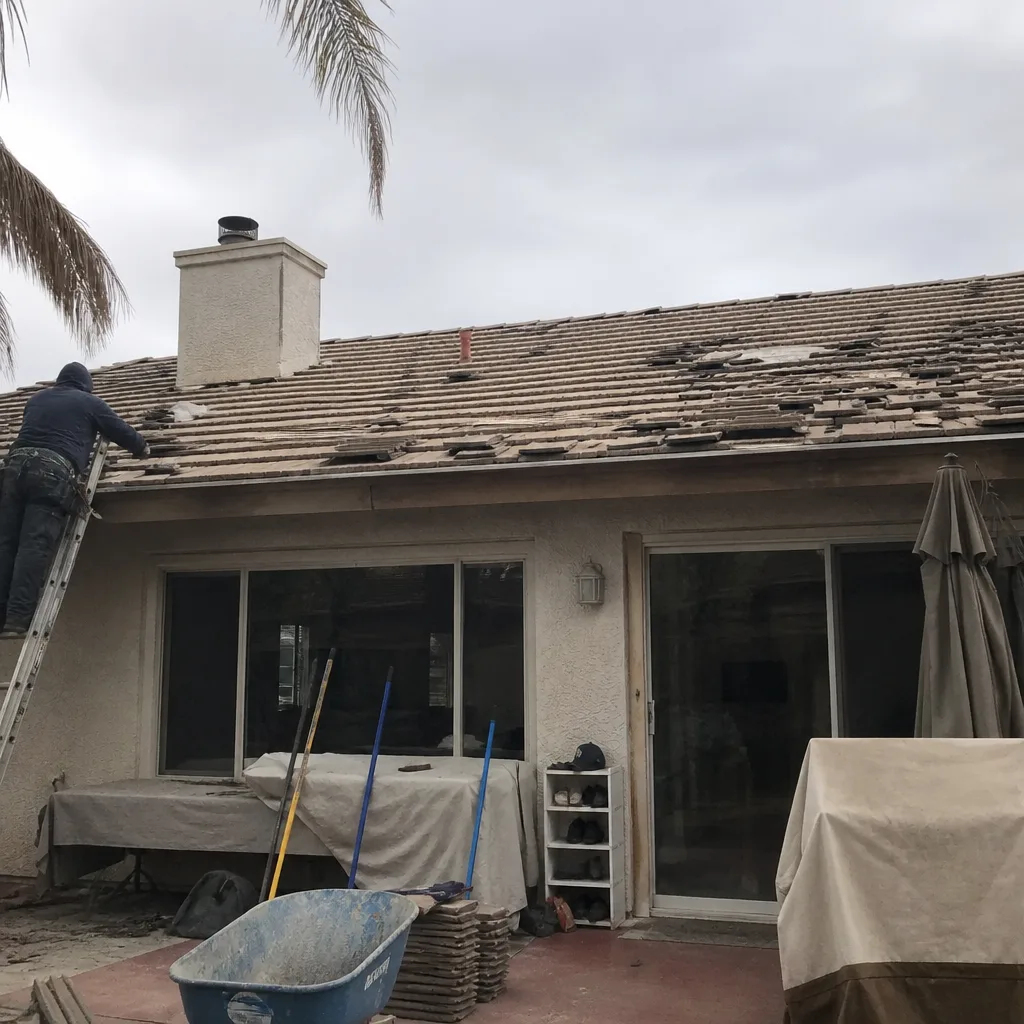 Before
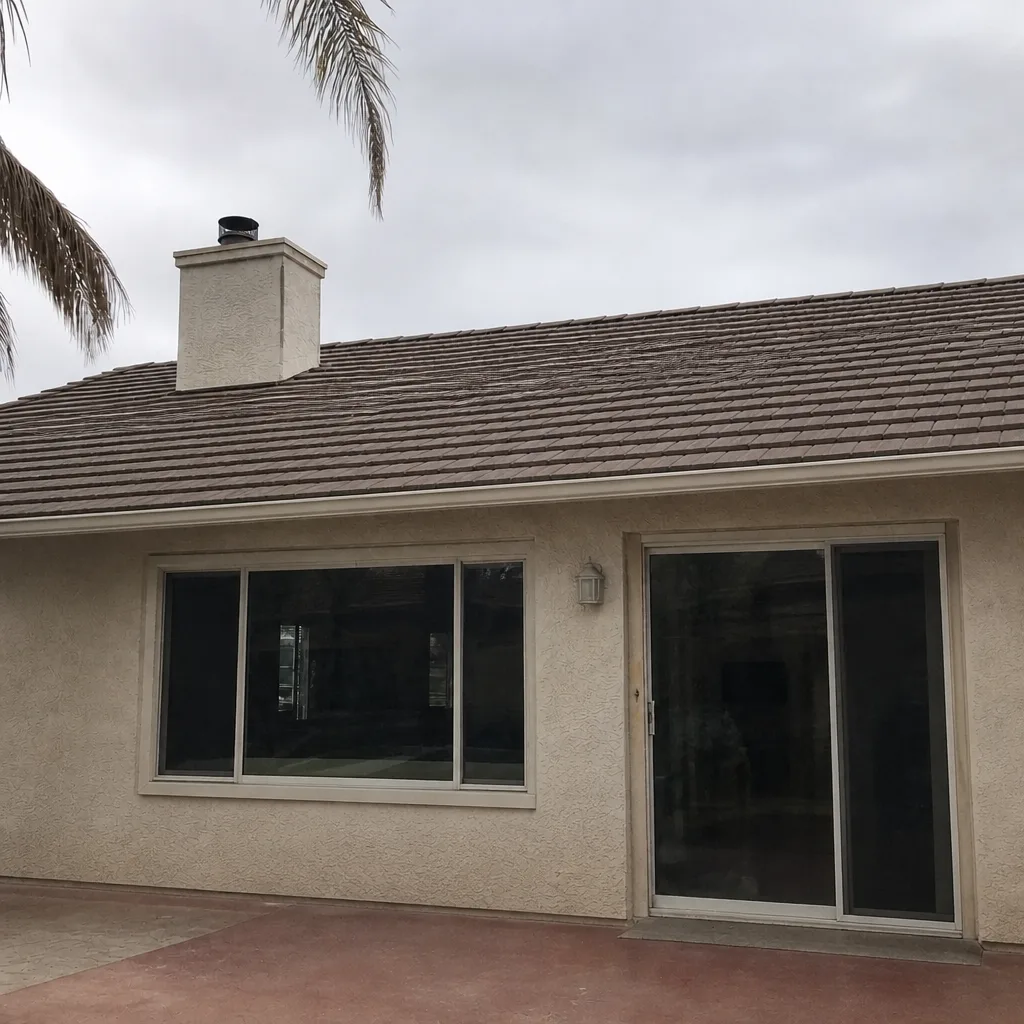 After
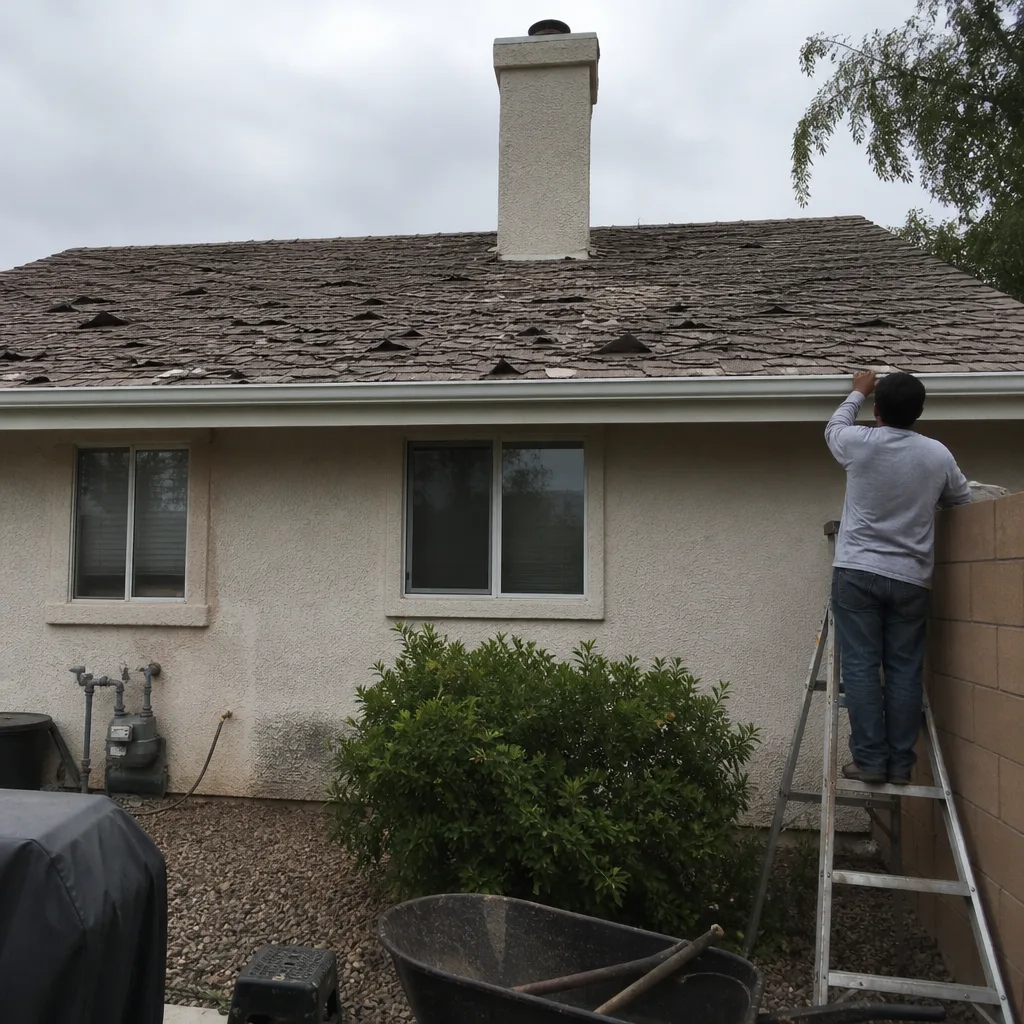 Before
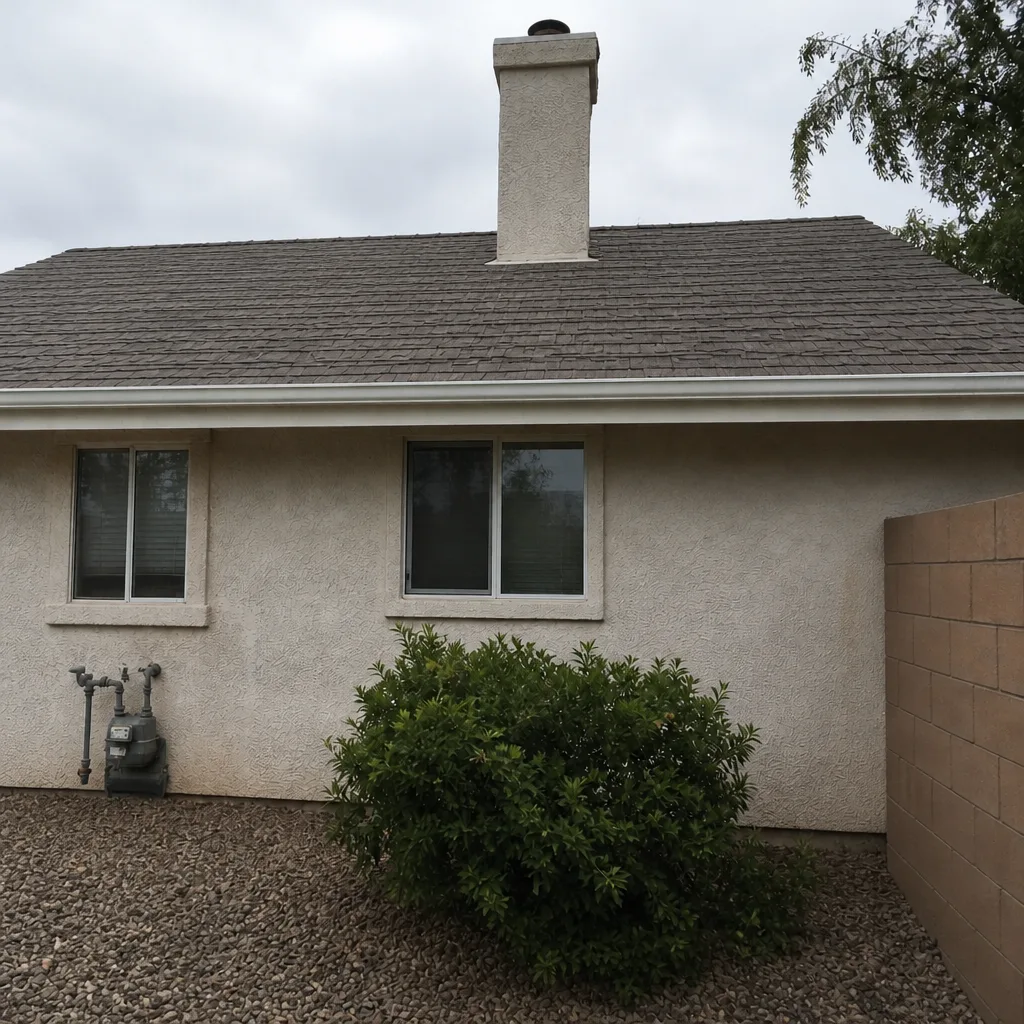 After
How Long Does a Roof Last in Summerlin, NV? The Honest Answer
Take whatever lifespan a national guide gives you and subtract five to eight years. That’s the short answer for Summerlin, where 110°F summers, relentless UV, and daily thermal swings age every roofing material faster than a climate-controlled chart assumes. Concrete barrel tile bodies can genuinely reach 50 years or more, but the original felt underlayment beneath them typically lasts 15 to 20 years under Summerlin’s heat load. So the real question isn’t how long the tile lasts. It’s how long the layer hiding under it lasts.
If your Summerlin roof was built in the 1990s and hasn’t had the underlayment replaced, it’s time to have it looked at. Call (844) 951-4545 for a free, no-pressure assessment.
Key Takeaways
- Original 1990s felt underlayment under Summerlin tile: realistically a 15 to 20 year material in this valley, not the 20 to 25 years it gets elsewhere.
- The tile body outlives the underlayment by decades, which is why an ugly top layer is rarely the real problem.
- Modern synthetic underlayment (50+ year rated, temperature-rated past 250°F) will outlast the tile in Summerlin’s climate.
- Mortar-set hip and ridge caps from the 1990s are now failing from thermal cycling, no matter how the field tile looks.
- Every village HOA design review has to clear before a permit issues, so plan on that step before ordering tile.
Why National Guides Get Summerlin Wrong
Most “how long does a roof last” articles are written by people who’ve never stood on a 110-degree deck. Their numbers come from moderate climates where temperatures stay in a narrow band and UV is a fraction of what it is here at the western edge of the Las Vegas Valley. In Summerlin, summer days swing 30 to 45°F between afternoon peak and overnight low. That daily expansion and contraction is what actually kills materials, and it happens roughly 120 days a year, every year, for decades.
Summerlin’s housing stock is almost all Mediterranean and Spanish Colonial Revival, mostly concrete barrel tile installed through the 1990s as the villages were plotted out. Walk through The Trails or The Willows right now and you’ll find roofs hitting the 25-year mark. Many look fine from the street. Many are already in trouble underneath.
The Underlayment Is the Roof: What Summerlin Homeowners Really Need to Know
Here’s the part the national guides skip. The concrete tile itself is genuinely rated for 50-plus years, and in Summerlin that body will often carry on for 10 to 20 more if it’s given new underlayment. But the felt installed under those tiles in the 1990s was a 20 to 25 year material in normal conditions. Under our UV and heat, it’s really 15 to 20 years. Tile outlives its underlayment by decades. That gap is where Summerlin’s real roof failures live.
Once felt breaks down, water gets past it, and the roof starts leaking while the tile above still looks perfectly healthy. That’s also why a contractor who only looks at tile from ground level can miss the whole problem. The relevant lifespan benchmarks for a Summerlin roof look like this:
| Roof Component | Realistic Summerlin Lifespan | Status for Many Homes Today |
|---|---|---|
| Original 1990s felt underlayment | 15-20 years (vs. 20-25 elsewhere) | Past due; inspect now |
| Concrete tile body | 50+ years | Likely 10-20 more years if re-laid on new underlayment |
| New synthetic underlayment | 40-50 years | The right call for a 2020s re-roof |
| Mortar-set ridge & hip caps (1990s) | Now at active failure | Re-seat or replace regardless of tile appearance |
The generation of roofs being replaced in Summerlin right now is teaching contractors here a clear lesson: felt was the wrong material for this climate. Synthetic underlayment is UV-stable and rated well past 250°F, which means it should outlast the tile above it. That’s the correct build for a valley that cooks roofs.
Thermal Cycling and the Mortar Crack Nobody Sees From the Street
That 30 to 45°F daily swing doesn’t just wear on underlayment. It works on every mortar joint holding the ridge and hip caps in place. Original mortar-set caps from the 1990s are now hitting active failure across Summerlin, and the standard fix is a dry-set system that flexes with the roof instead of fighting it. Loose ridge caps are also the first thing a monsoon gust grabs. Summerlin’s monsoon thunderstorms bring sudden high wind that lifts and cracks tile, and a cap that’s already fatigued is the easiest target on the roof.
Shepherd & Sons Roofing Summerlin has watched this pattern play out on homes Bill first worked on in the late 1990s. Returning to a house a couple of decades later and seeing which layers aged and which held up is a kind of feedback no storm-chaser outfit that showed up after last year’s hail can offer. Our technicians have up to 30 years of experience, and the view is longitudinal: this is what the valley does to a roof over time.
What Bill and his crew check on a Summerlin tile roof:
- Deck photos of the felt, not a street-level glance, before any money gets discussed.
- Ridge and hip mortar, flexed by hand to see what’s actually holding.
- Tile count by the square. A roof is measured in squares, so ask any bidder how many they counted.
- Where the monsoon wind load lands on that particular village’s roof profile.
Spanish Tile, Design Review, and the Summerlin Step Most Bids Forget
Summerlin is master-planned, which changes the paperwork on any re-roof. Each village’s architectural review board enforces tile color and profile standards, so every re-roof has to clear design review before the permit gets issued. That step is unique to Summerlin, and it’s the reason a bid that ignores it tends to run late. When it’s time to plan that work, our Roof Replacement & Installation in Summerlin page breaks down the sequence, and our main Roof Replacement & Installation page covers the materials and process in depth.
Products come from name brands we’ve set many times: Boral, GAF, Atlas, Tamko. Name the shingle or tile and there’s a good chance we’ve installed it. For Summerlin’s concrete tile roofs, a quality GAF or Boral tile underlayment system is the layer doing the heavy lifting, and the brand on the wrapper matters less than the nailing pattern and the deck prep under it. If you’d rather not guess, we’ll show you the deck photos before we talk money.
When to Stop Reading and Get a Second Opinion
Three things tell you it’s time to call in Summerlin. Your roof is from the 1990s and the underlayment was never replaced. You’re seeing loose ridge or hip caps. Or you’ve had a leak you can’t trace. Any one of those is a reason to get eyes on the deck, not the tile. If you’re already holding a written estimate, our Free Second Opinion costs nothing and you keep both bids. There’s no trip charge inside our own county, so the number you hear on the phone is the number you see on paper. Free estimates, no-hassle upfront pricing, and a free second opinion on any written bid are all standing offers.
For the bigger picture on a full re-roof, visit our home page.
FAQs
Concrete tile bodies last 50-plus years, but the underlayment beneath them realistically lasts 15 to 20 years in Summerlin’s heat and UV, so a 1990s tile roof is usually due for underlayment replacement right now even if the tile looks fine. Subtract five to eight years from any national lifespan figure and you’re close. Call (844) 951-4545 for a free assessment if your roof dates to the 1990s.
If the tile body is sound, you often only need new underlayment rather than all-new tile, which is the common repair in older villages like The Trails and The Willows. The only way to know is to see the deck. Our team pulls back tile and photographs the felt before talking money, then you decide. Call (844) 951-4545 to get it looked at, and the estimate is free.
Because daily summer temperature swings of 30 to 45°F and intense UV break down felt underlayment and mortar faster here than in moderate climates. That thermal cycling is the culprit, and it hits ridge and hip mortar as hard as the underlayment. It’s why we build with synthetic underlayment rated for 50-plus years and dry-set ridge caps.
Yes, in most villages the architectural review board has to approve tile color and profile before the permit is issued, and that’s unique to master-planned Summerlin. Plan for it in the schedule. We’ll walk you through what your village expects. Call (844) 951-4545 with your address and we’ll sort out the review step up front.
If you’d rather have it looked at, Shepherd & Sons Roofing Summerlin offers a no-pressure assessment in Summerlin. We’ll pull back a tile, show you the deck, and tell you straight whether you need new underlayment or a full roof, with a re-roof plan if it comes to that. Call (844) 951-4545 for a free estimate, and a live person answers day or night.
Written by the team at Shepherd & Sons Roofing Summerlin, serving Summerlin, NV.