
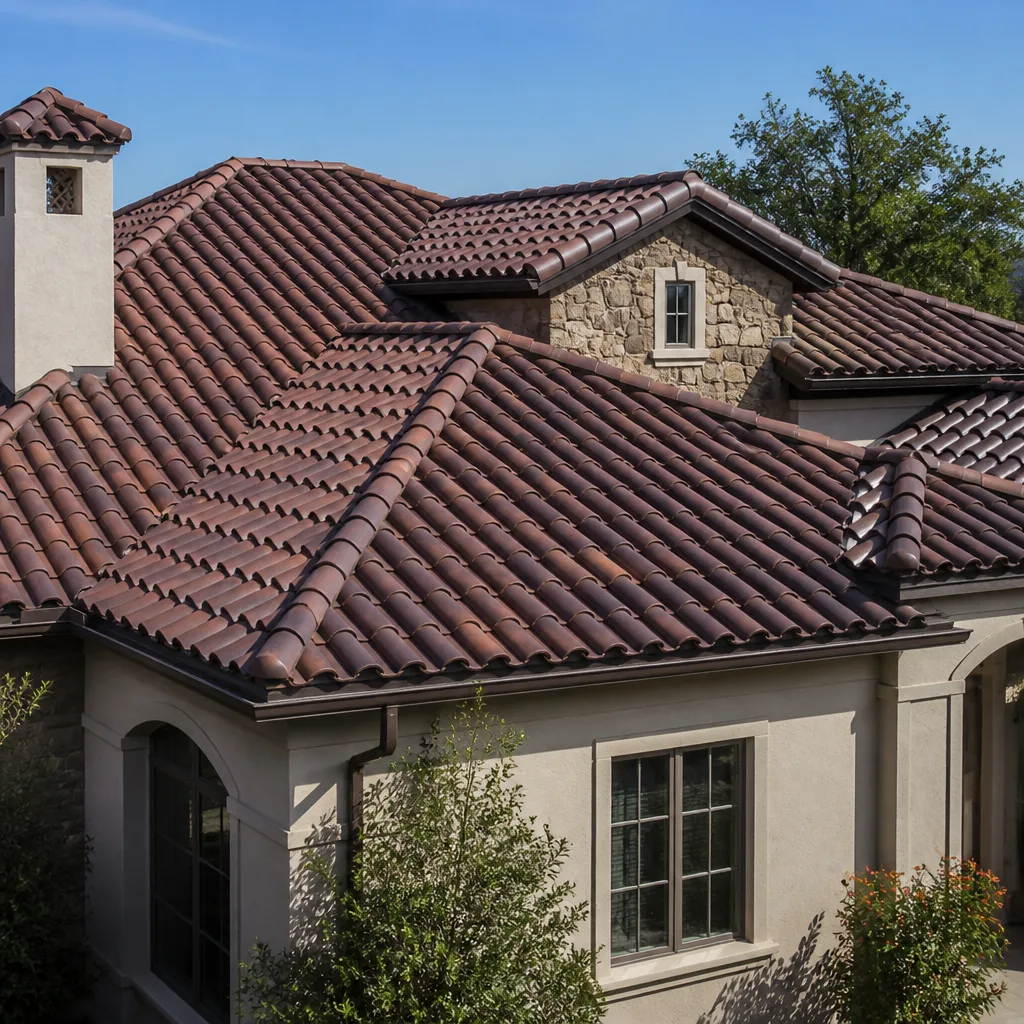
 Tile roofing
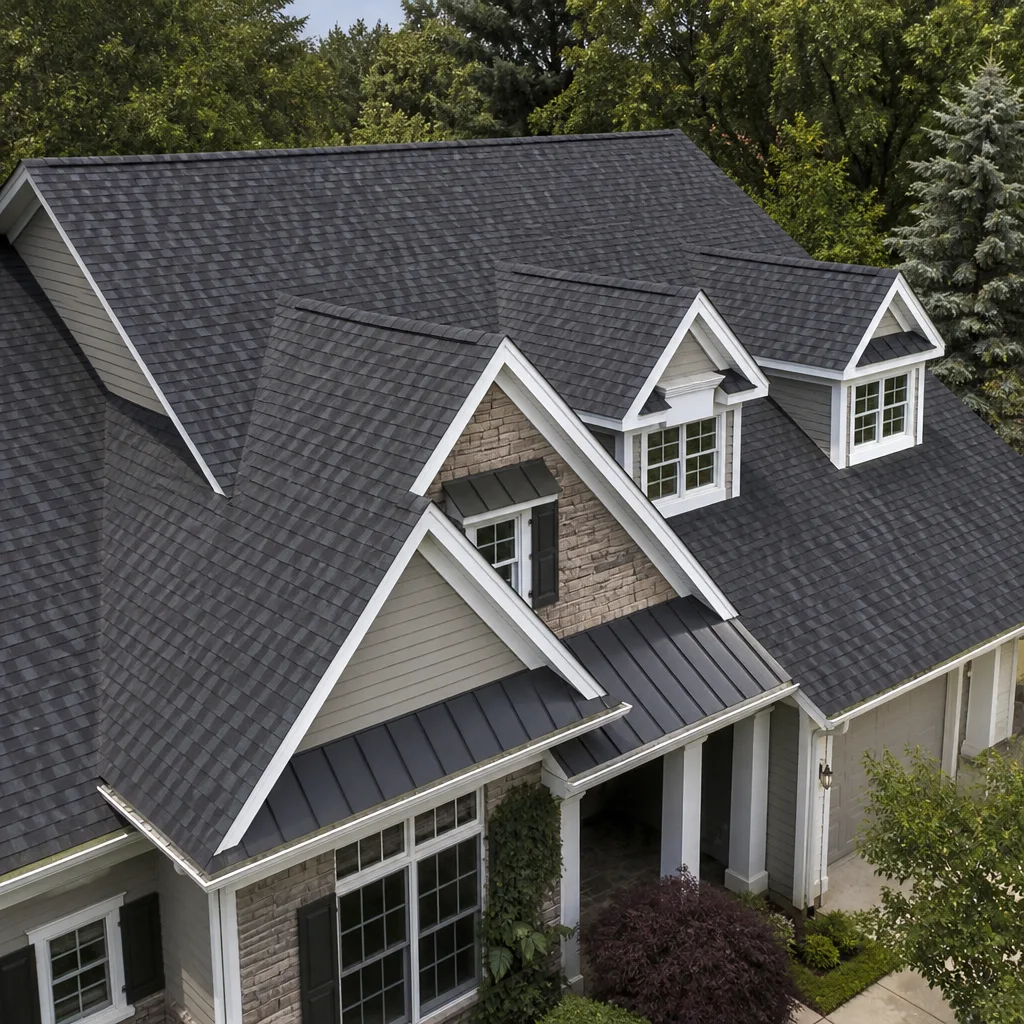
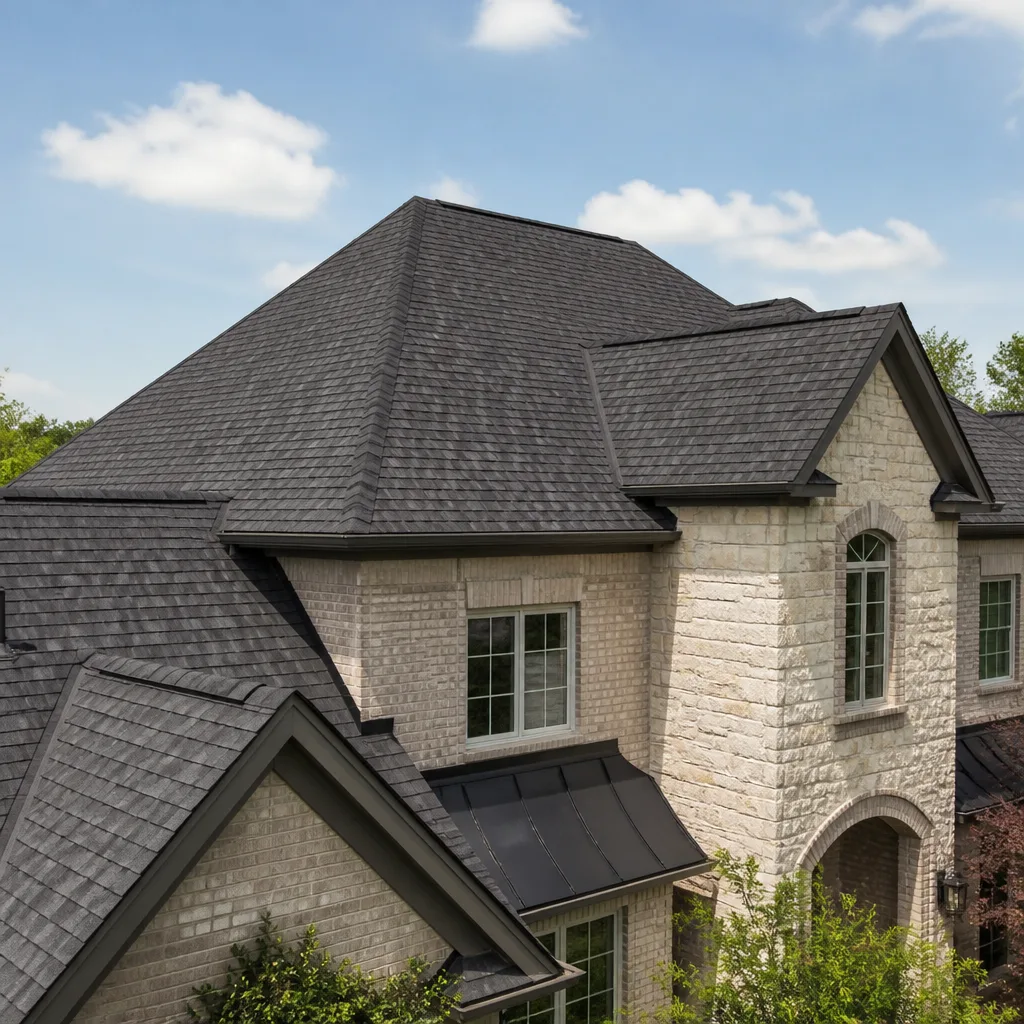 Architectural shingles
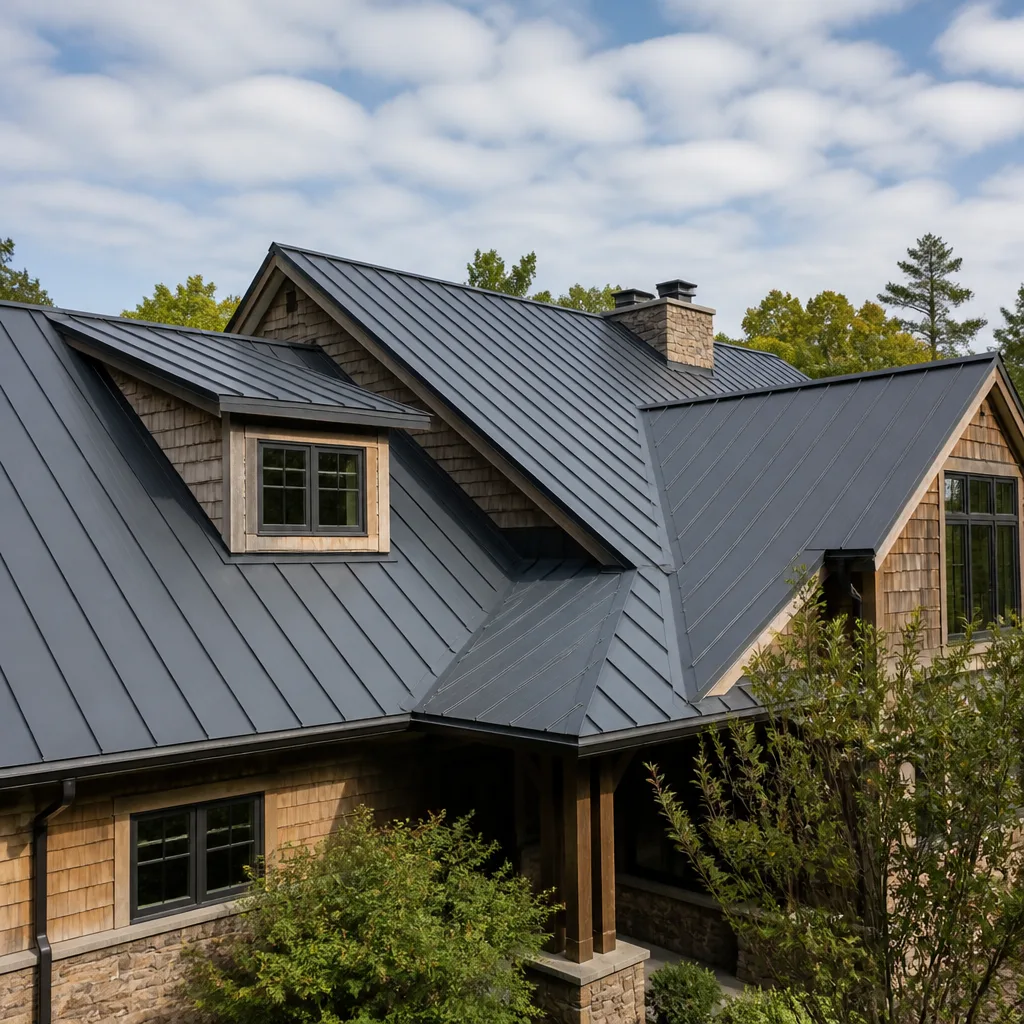 Metal roofing
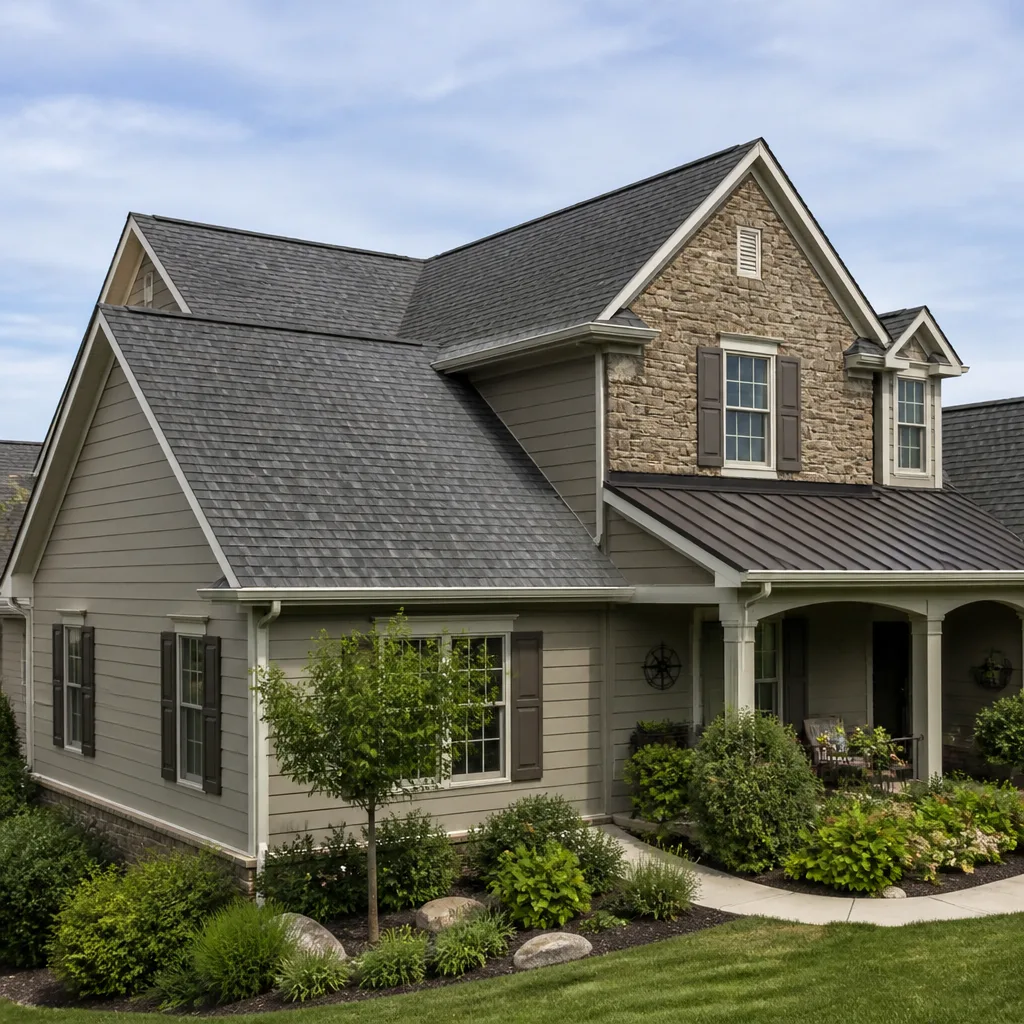 GAF
 Owens Corning
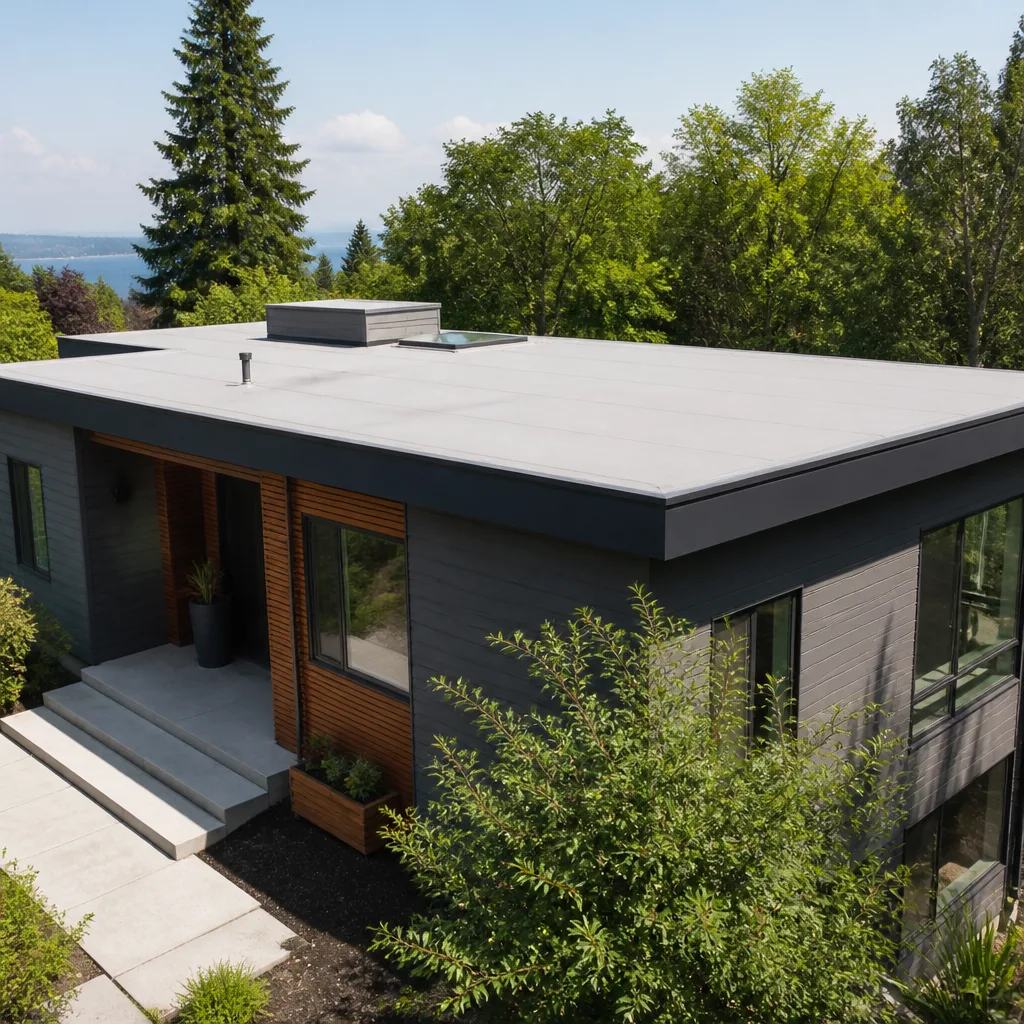 Flat & low-slope
Free roof inspection with deck photos before we talk money - GAF and Owens Corning certified installation
Styles & brands we work with
- Architectural shingles
- Metal roofing
- Tile roofing
- GAF
- Owens Corning
- Flat & low-slope
See the difference
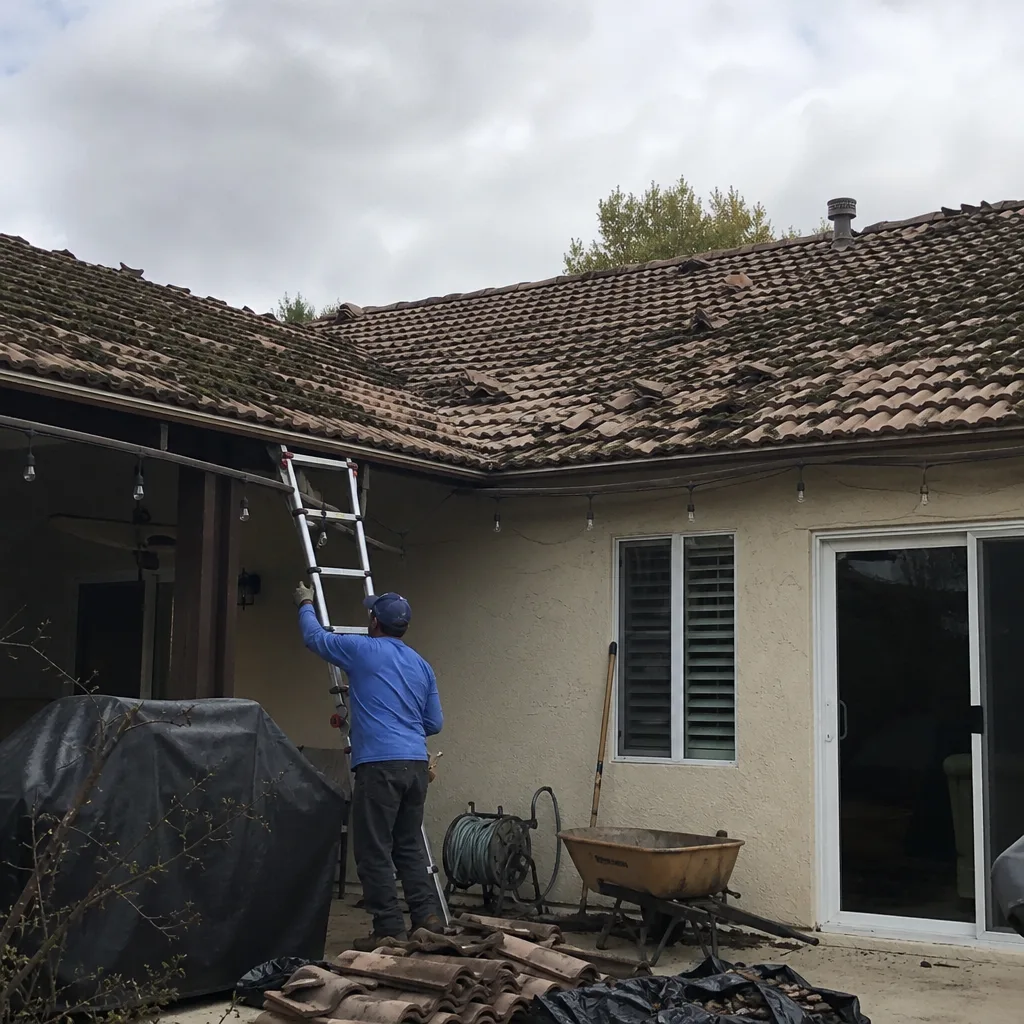 Before
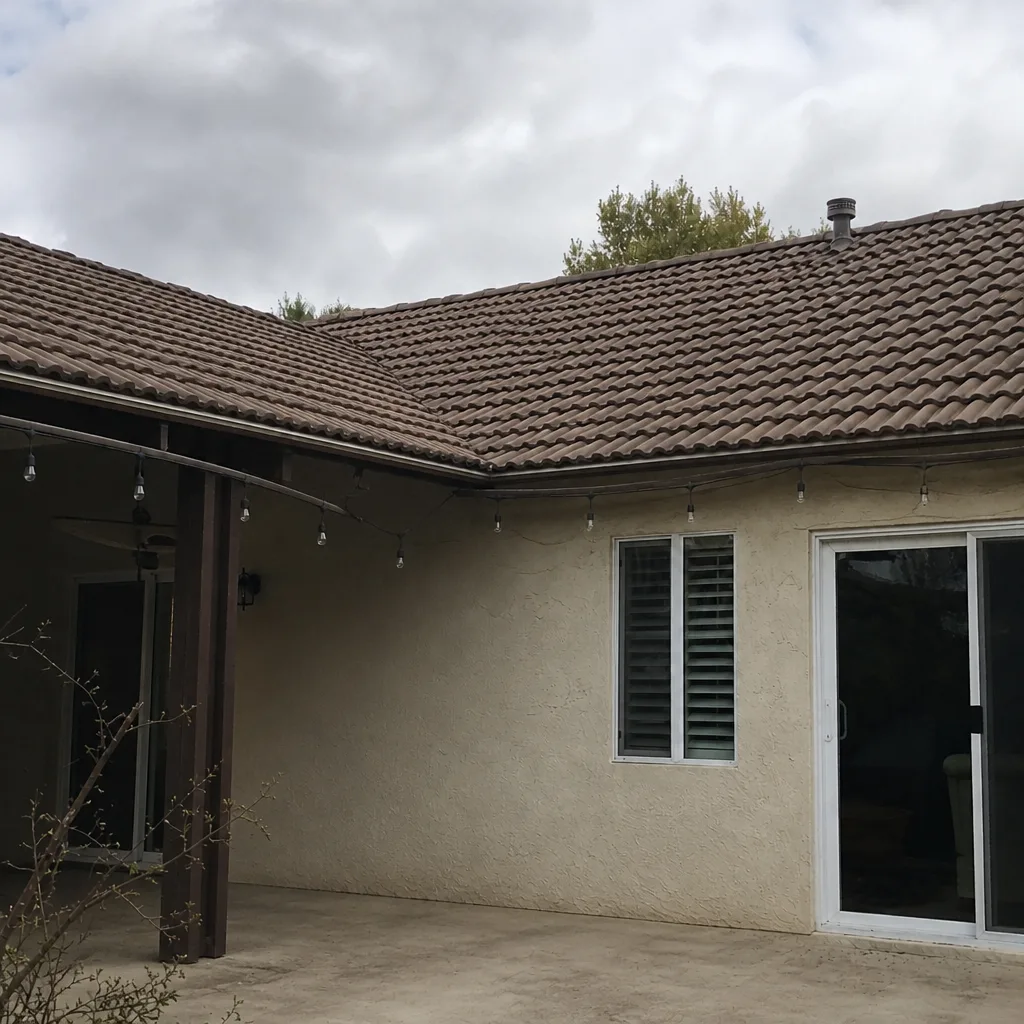 After
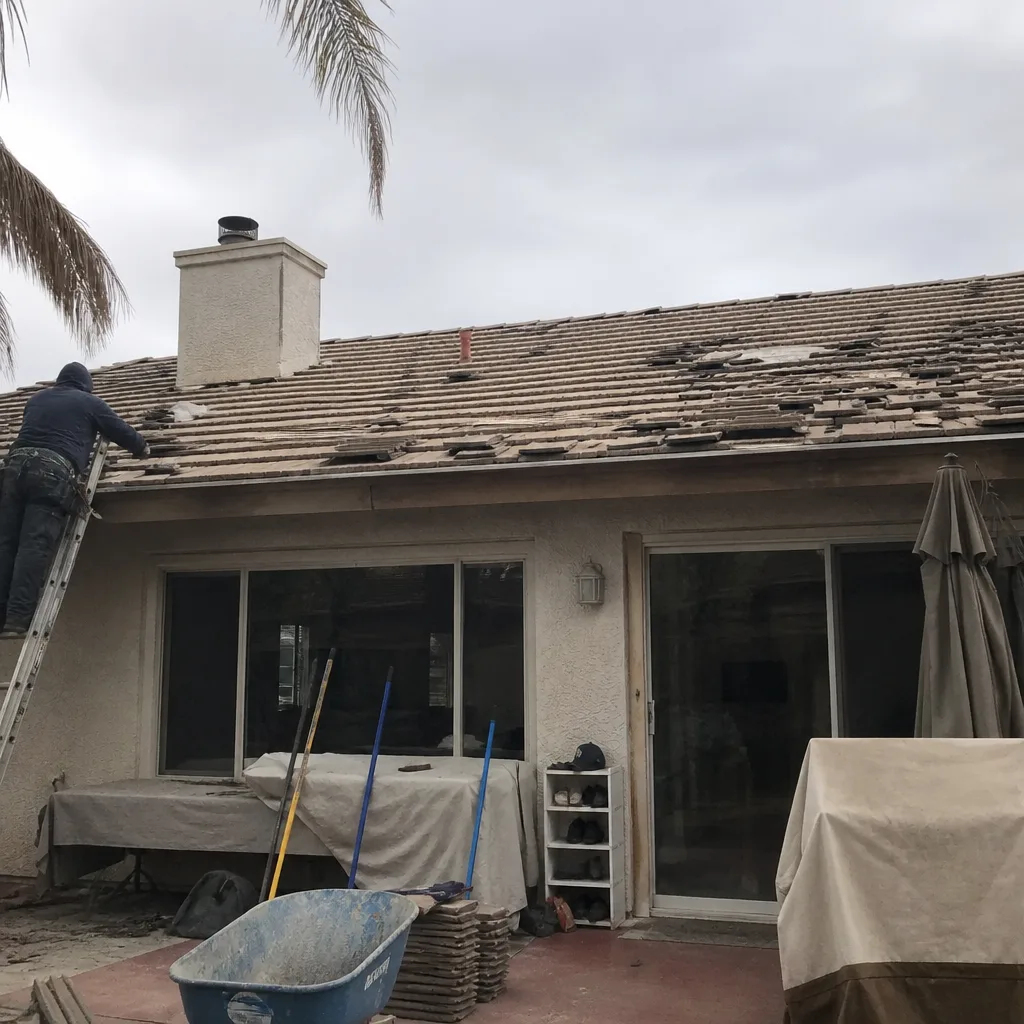 Before
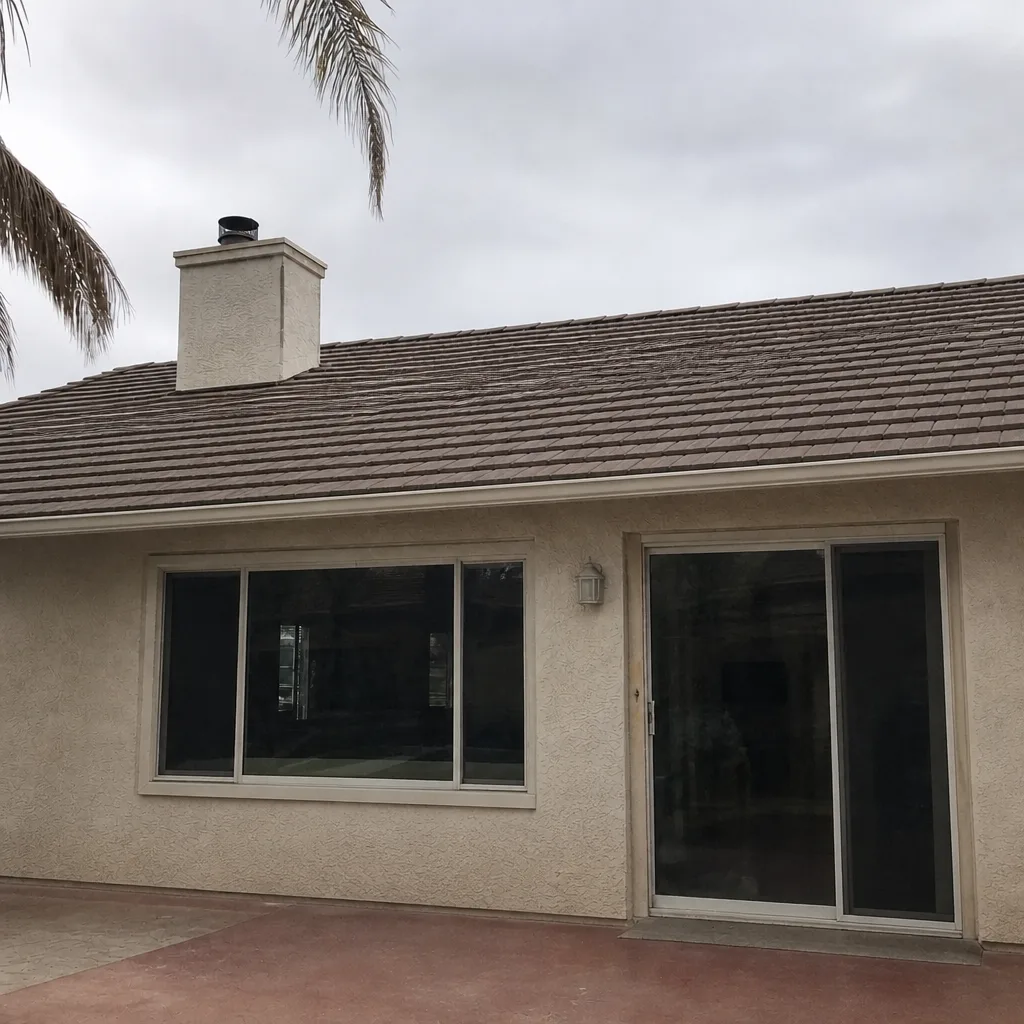 After
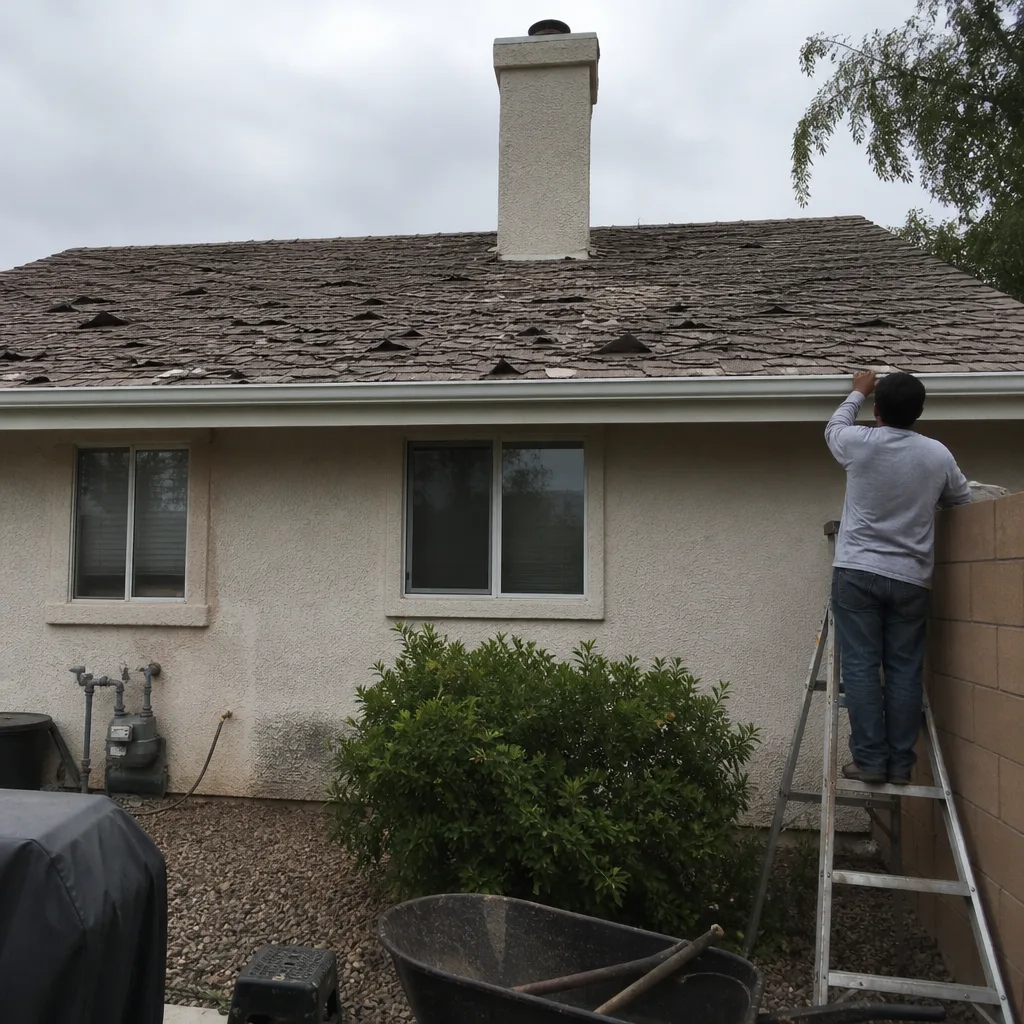 Before
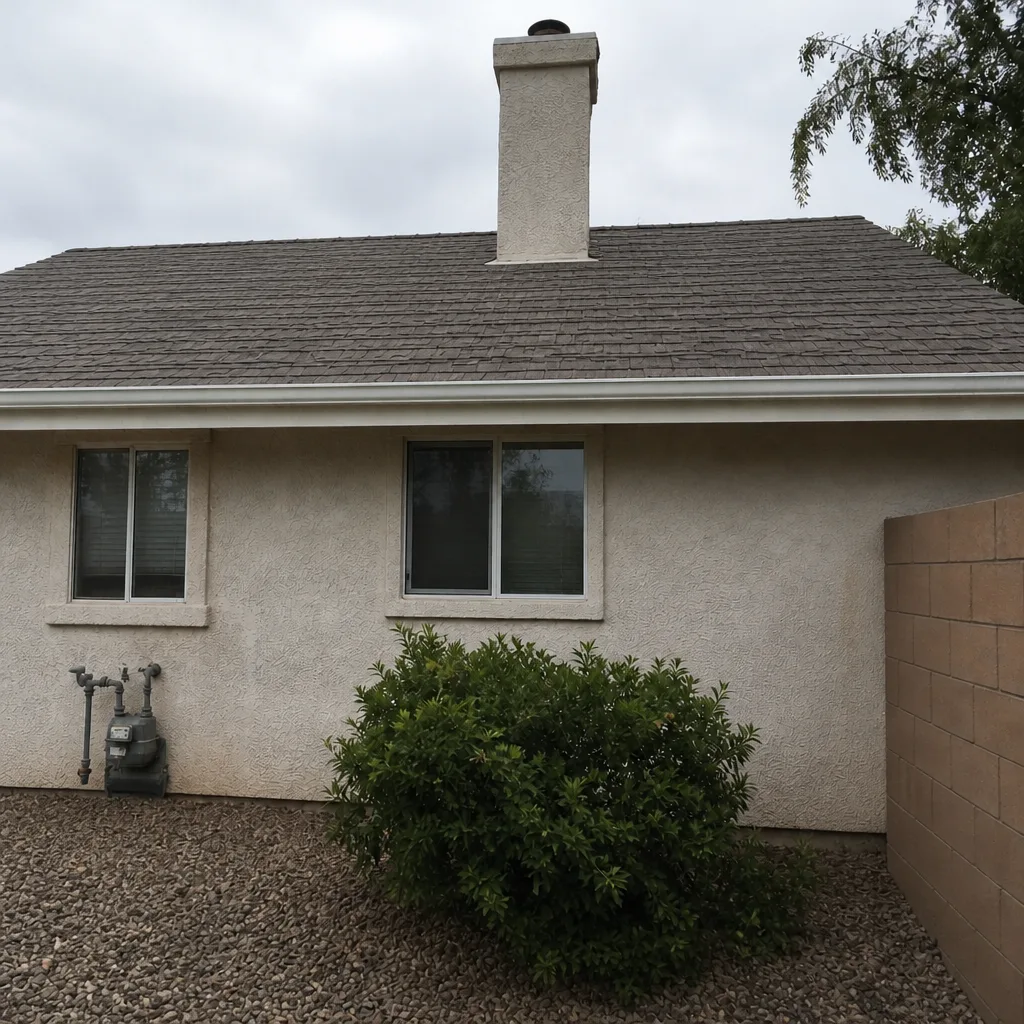 After
Clay vs Concrete Roof Tiles in Summerlin, NV: Which Should You Choose?
Choose concrete tile unless you specifically want the deeper fired color and lighter weight that clay gives you. For most Summerlin homes being re-roofed in 2026, staying with concrete barrel tile in your village’s already-approved profile is the faster, cheaper, lower-risk call. Clay looks great and holds its color longer, but switching to it in Summerlin means a design-review submission to your village architectural committee that can take weeks and may not get approved on your timeline. Call (844) 951-4545 and we’ll walk your specific village’s situation with you before you spend a dollar.
Clay and concrete tile both get called “tile roofs,” and from the street they look nearly identical. But in a Summerlin village where the HOA signed off on your original concrete profile decades ago, clay isn’t just a material upgrade. It’s a submission, a review, and a wait.
Key Takeaways
- Concrete stays in the approved profile; clay may need new architectural review approval.
- Clay holds its fired color longer; concrete in Summerlin’s UV fades on the surface within 10-15 years.
- Summerlin framing from the 1990s was built for concrete tile loads, so going lighter to clay buys you less here than it would on an old wood-frame house.
- The underlayment and ventilation under the tile matter more to summer heat than the tile material itself.
- Either way, the clock your project runs on is set by the village review board, not the tile truck.
What’s actually different between clay and concrete in Summerlin’s heat?
Here’s the part the generic comparison pages skip. Concrete tile is heavier and holds more heat mass, which means it releases heat more slowly into the evening. Clay tile is lighter with a slightly lower thermal mass. In a Summerlin summer that runs past 110°F for days at a stretch, that difference is real, but modest next to what the underlayment and attic ventilation are doing behind it.
We tell homeowners the same thing every time: a well-vented attic with fresh underlayment under concrete tile will run cooler than a poorly vented attic under clay. The tile is the hat. The underlayment and ventilation are the shade. Get those right and the material question becomes a design question, not a comfort question.
| Factor | Concrete tile | Clay tile |
|---|---|---|
| Weight | Heavier; matches the loads your Summerlin framing was built for | Lighter; less of a structural argument on 1990s Summerlin construction |
| Color over time | Surface color fades within 10-15 years under Summerlin UV | Color runs through the body of the tile; holds much longer |
| HOA profile matching | Likely already matches your village’s approved profile | May need a new profile and color approval |
| Heat behavior | More mass, slower evening cooldown | Less mass, slightly faster heat release |
| Design-review timeline | Minimal if profile matches | Weeks of review, no guaranteed outcome |
Why the Summerlin approval process is the real comparison axis
Summerlin is a master-planned community. Each village’s architectural review committee enforces tile-roof color and profile standards, and every re-roof has to clear that design review before a permit gets issued. That’s genuinely unique to Summerlin, where village covenants and HOAs dictate what goes on your roof. If your concrete tile already matches the approved profile, you’re mostly on the fast track. Switch to clay and you’re starting a fresh submission with no guarantee it lands.
The practical wrinkles:
- You submit the new clay profile and color to your village committee.
- Review can take several weeks, sometimes longer depending on the village.
- The tile often has to be ordered before approval is confirmed, so you’re carrying risk on a material you may have to return.
- Your install date moves with the approval date, not with the roofer’s calendar.
We’ve been working Summerlin villages since 1996 and know which committees move quickly and which ones take their time. That knowledge goes straight into the upfront pricing conversation. There’s no trip charge inside our own county and no surprise on the timeline, because we’ve watched these boards for years. If you want the full walk-through on installed options, our Tile Roofing in Summerlin page covers the build itself.
Is clay’s color durability worth it for HOA color-match rules?
It can be, and this is where clay earns its keep honestly. Concrete tile in Summerlin’s extreme UV will show surface fading within 10-15 years, because the color sits on the surface. Clay’s color is fired through the body of the tile, so it holds much longer. For an HOA that demands color-match compliance over the life of your roof, that’s a real advantage: a clay roof won’t drift off the approved color the way a faded concrete roof can.
So if you plan to stay in the house for decades and your village committee approves the clay, the color story is legitimately in clay’s favor. If you’re re-roofing to sell in the next few years, a fresh concrete tile in the approved profile gets you the same street look without the review gamble.
Does the lighter weight of clay matter on a Summerlin home?
Less than you’d think here. The Spanish Colonial and Mediterranean framing common in 1990s Summerlin construction was designed for concrete tile loads from the start. The structural case for switching to lighter clay, which is compelling on an older wood-frame house, is much weaker on a Summerlin home already carrying concrete. That argument just doesn’t carry the weight people expect.
What matters more is the underlayment underneath. In older villages like The Trails and The Willows, tile roofs are now hitting the 25-year mark, and we see the original underlayment failing under perfectly good-looking tile. Thermal cycling cracks it. Monsoon storms with high wind lift and crack tile. If your underlayment is shot, the clay-vs-concrete decision is secondary to getting that layer redone.
What does it cost, and how do we recommend deciding?
Pricing depends on your roof’s square count (ask any bidder how many squares they counted), the profile, and whether you’re changing material. As a rough guide for Summerlin:
| Scenario | Typical range |
|---|---|
| Re-roof, concrete tile, same approved profile | Standard replacement range; no review delay |
| Re-roof, concrete tile, with new underlayment and flashing | Replacement range plus underlayment portion |
| Switch to clay, approved profile upgrade | Higher material cost plus review time and possible sourcing risk |
| Single-tile repair or localized fix | $40 off any repair over $200 |
Our recommendation, stated plainly: stay with concrete in the approved profile unless you’ve got a strong reason (long-term color, a specific look, a committee that’s already comfortable with the change) to go clay. The lighter-weight benefit doesn’t apply much here, the color benefit is real but long-term, and the approval timeline is the wildcard. We install from Boral, IKO, and Atlas, so the right tile in the right profile is usually close at hand.
Every job we do is backed by the written 90-Day Done Right Promise, and a live person answers the phone 24/7.
FAQs
Not automatically. Clay holds its color longer and weighs less, but on Summerlin’s 1990s framing the weight advantage barely matters, and concrete usually matches your village’s already-approved profile with no review delay. For most Summerlin homes, concrete is the pragmatic choice. Call (844) 951-4545 for a free second opinion on any written estimate.
Yes. A material change means submitting the new clay profile and color to your village architectural committee, which can take weeks and may require sourcing the tile before approval is confirmed. That affects your schedule. We factor the committee’s pace into the upfront pricing, so there are no surprises. Call (844) 951-4545 to talk through your village.
Concrete in the same approved profile is the lower-cost path; switching to clay adds material cost plus the timeline and sourcing risk of a design-review submission. Exact numbers depend on your square count and profile. Estimates are free, so call (844) 951-4545 for a real number.
Many Summerlin tile roofs hit the 25-year mark and need the underlayment redone even when tile looks fine, since heat cycling and monsoon wind crack it over time. In villages like The Trails and The Willows, we see original underlayment failing now. Call (844) 951-4545 and we’ll tell you honestly whether you need a repair, underlayment, or full replacement.
If you’d rather have it looked at, Shepherd & Sons Roofing Summerlin offers a no-pressure assessment in Summerlin. Call (844) 951-4545 for a free estimate, and Bill will show you the deck photos before anyone talks money. Same address since 1996.
Written by the team at Shepherd & Sons Roofing Summerlin, serving Summerlin, NV.