
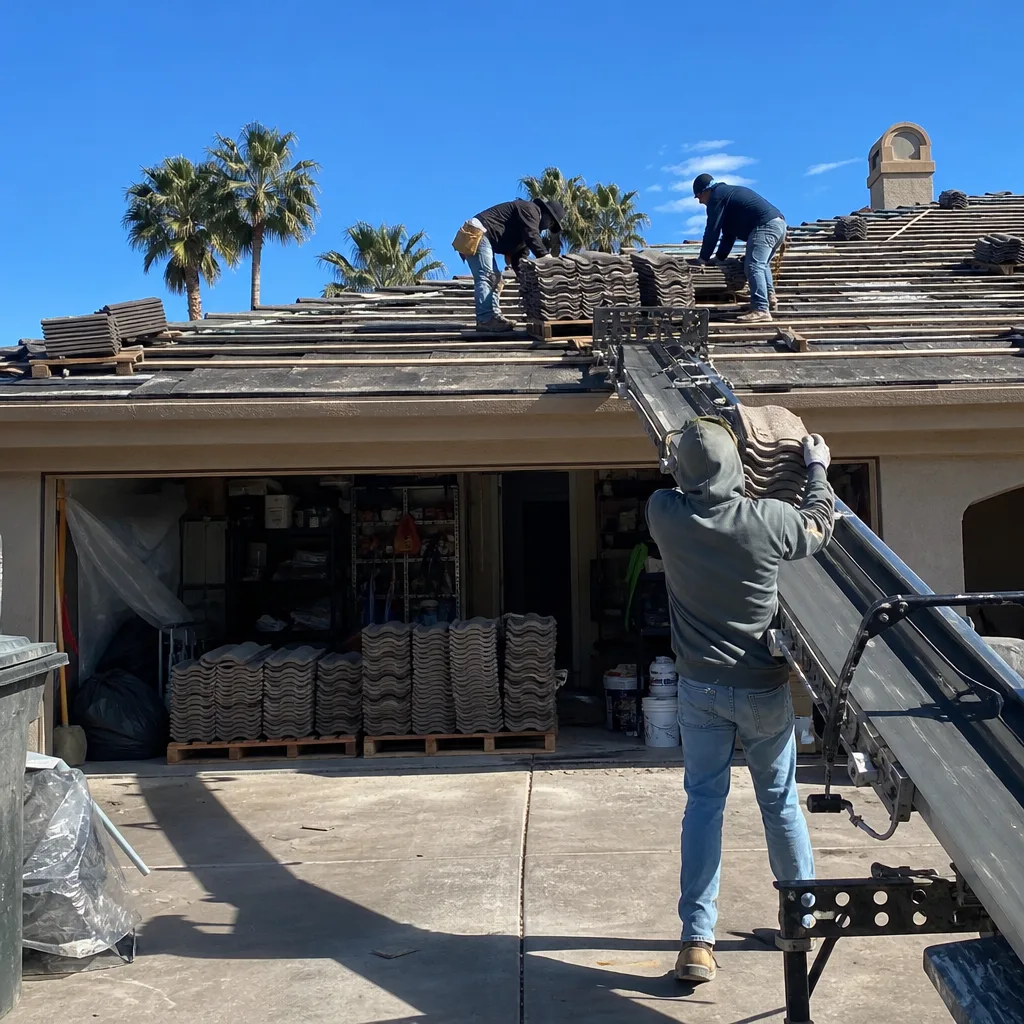
Last updated November 18, 2026
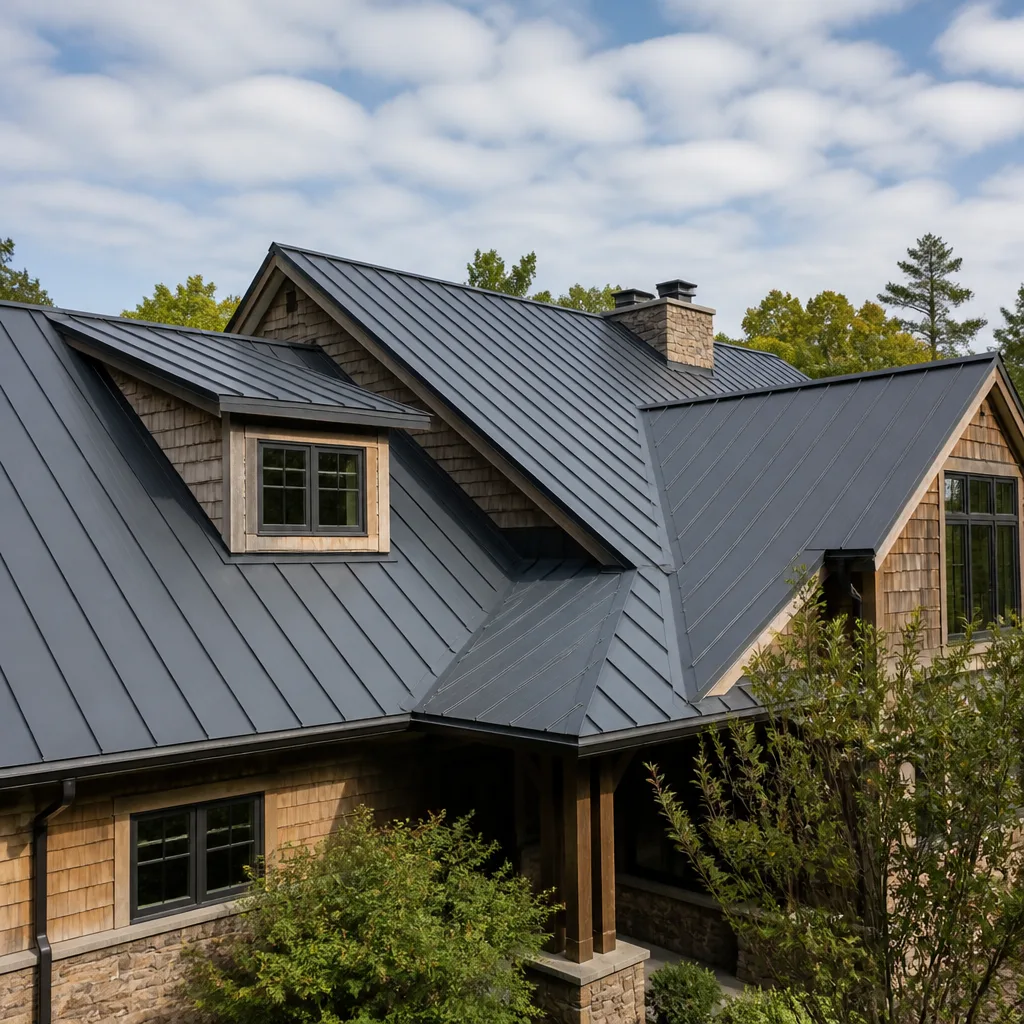 Metal roofing
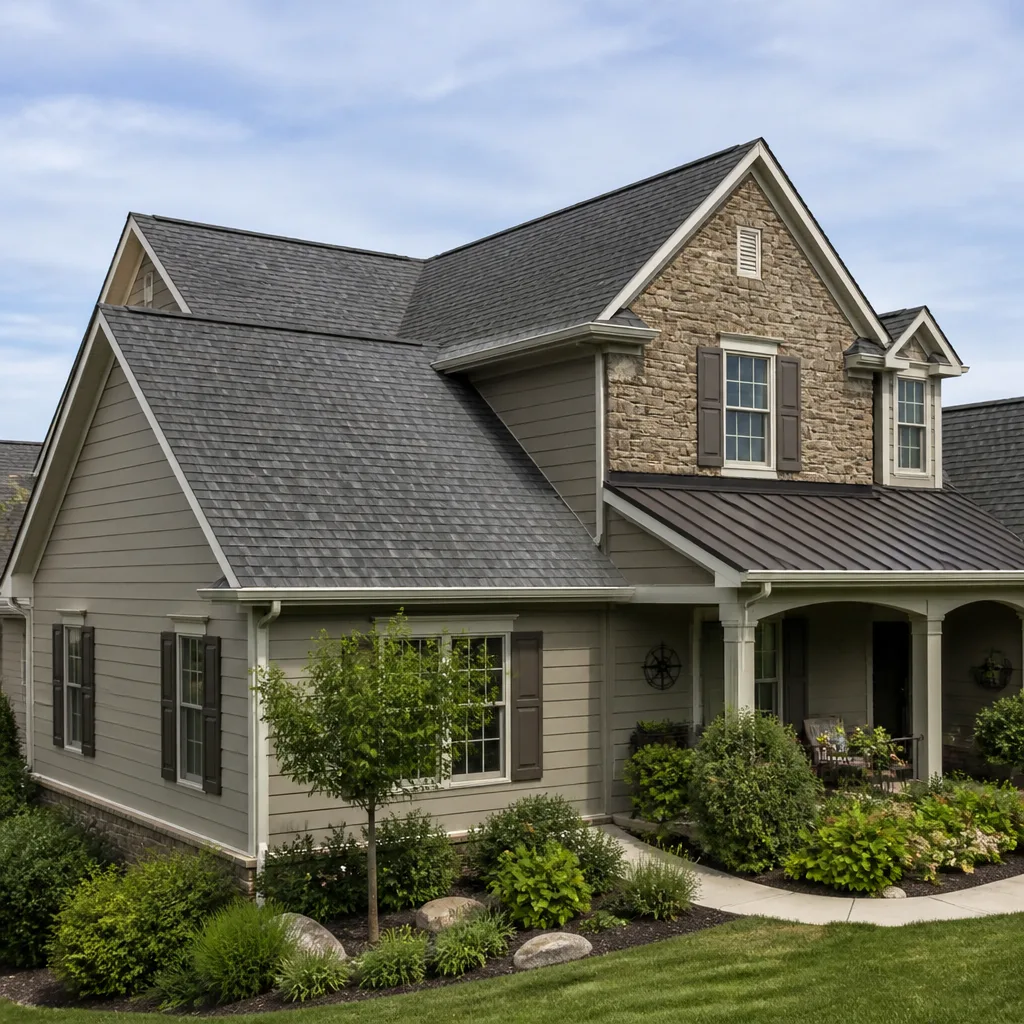
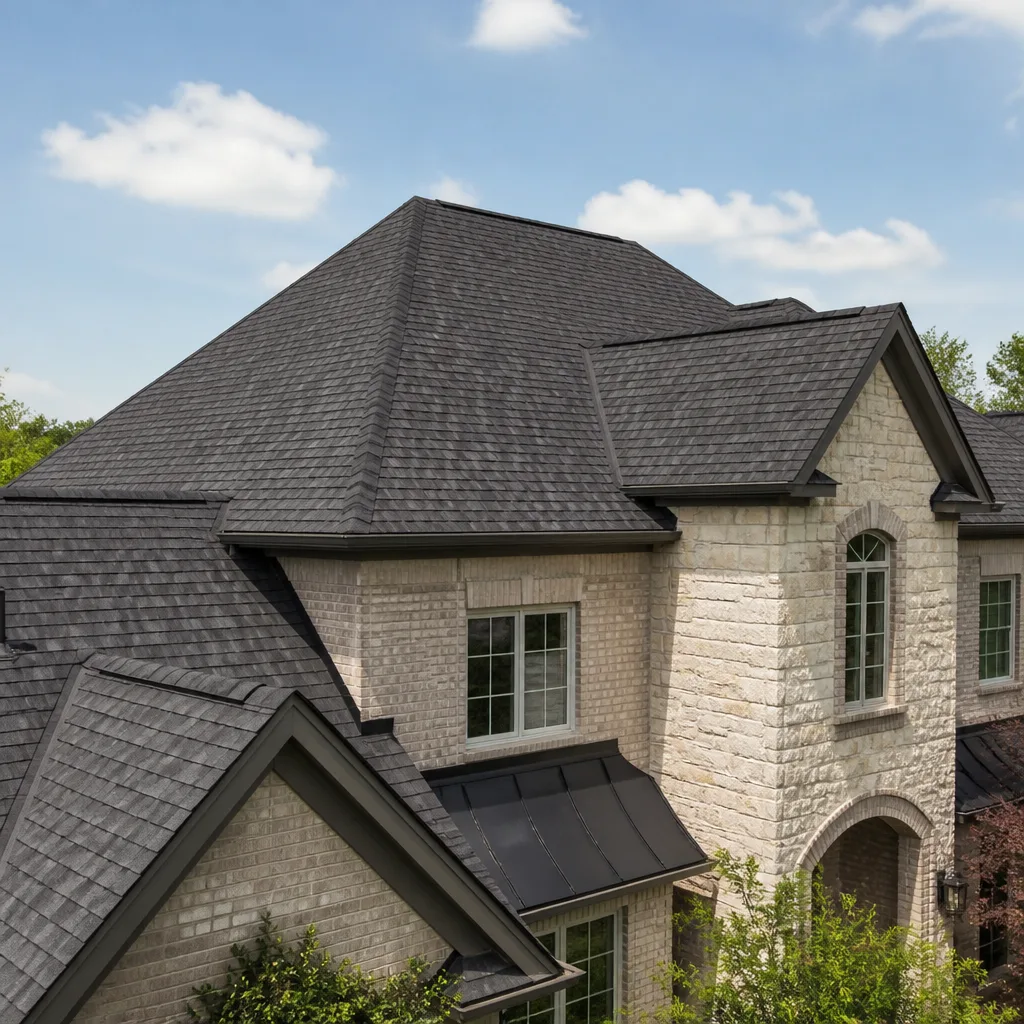 Architectural shingles
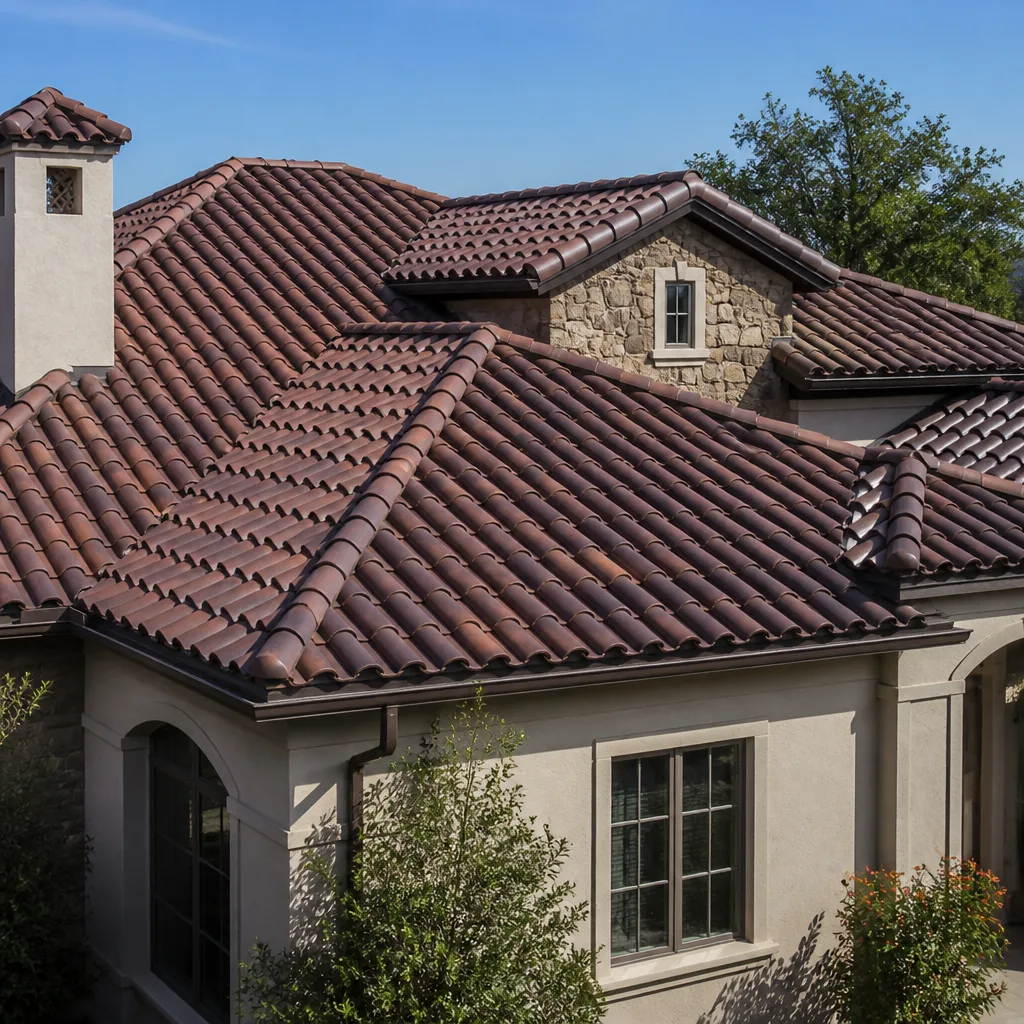 Tile roofing
 GAF
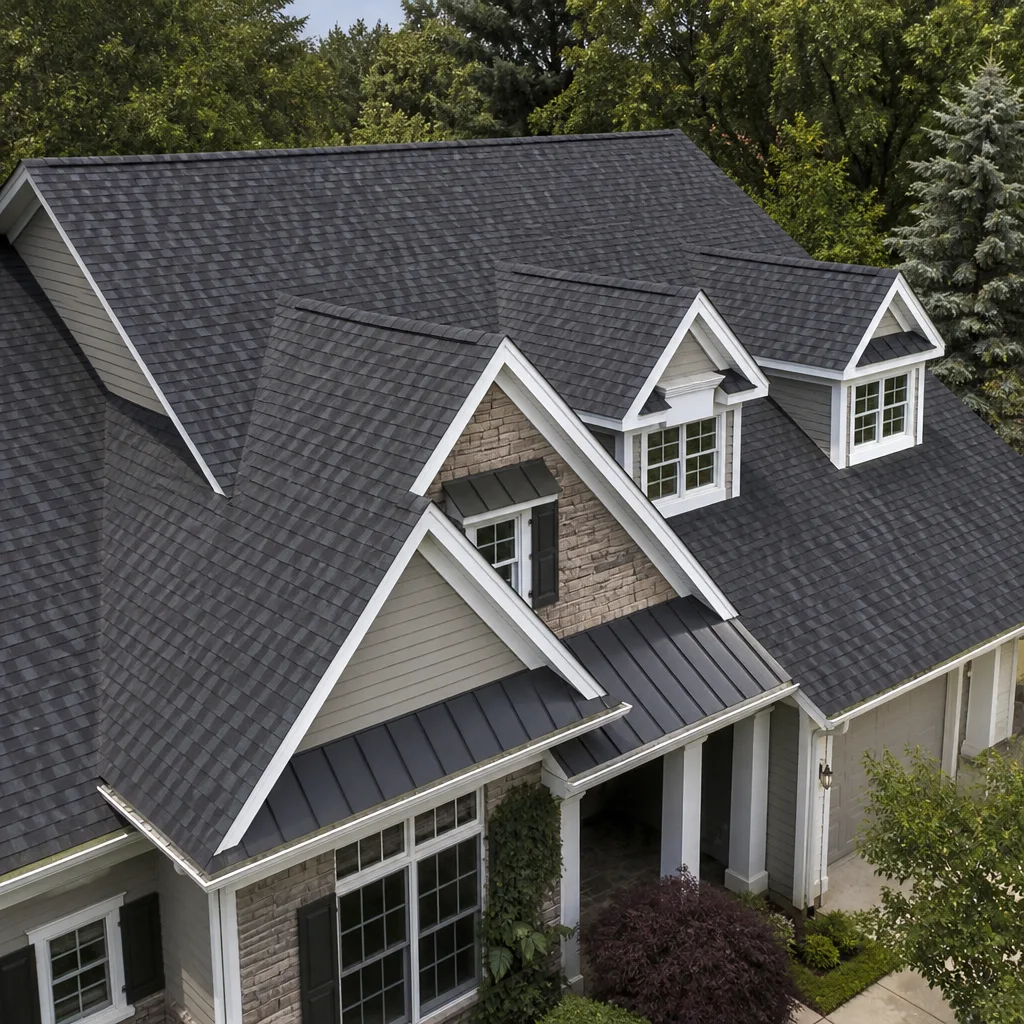 Owens Corning
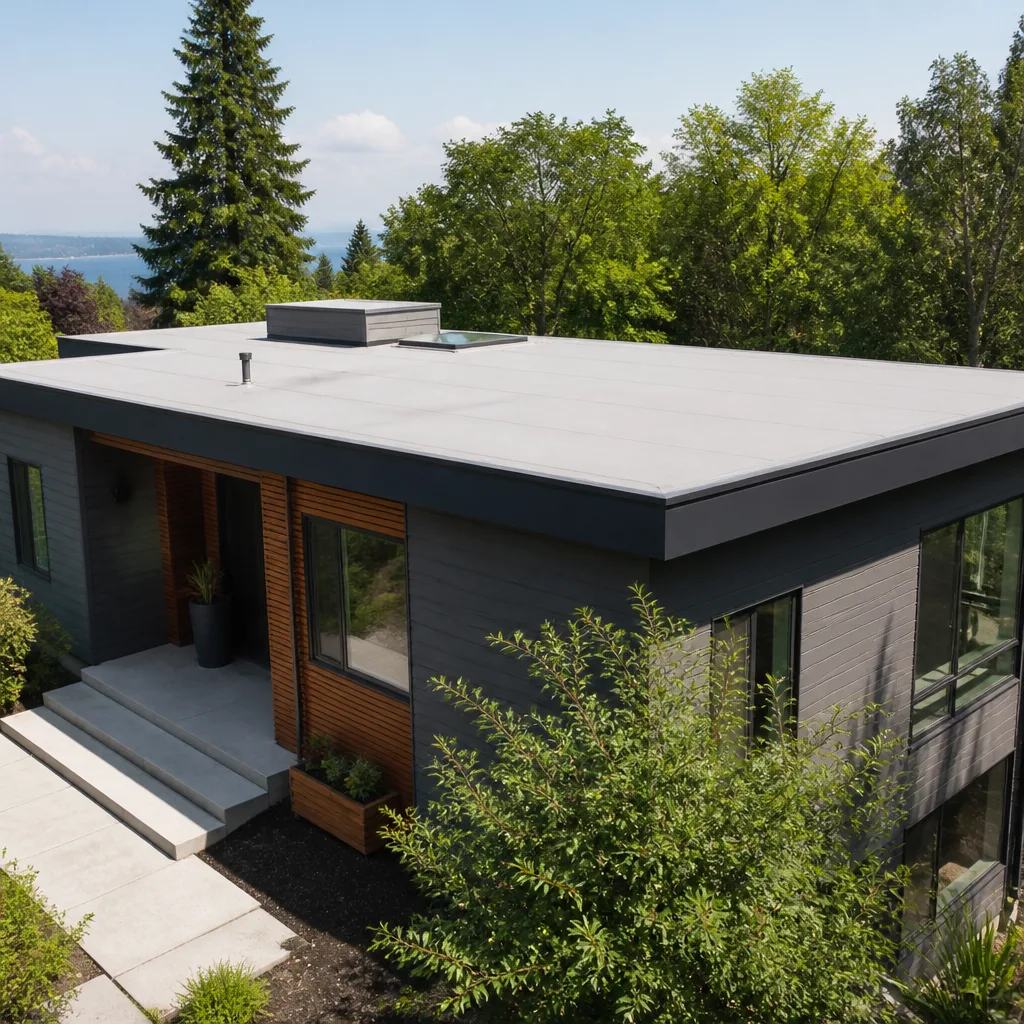 Flat & low-slope
Free roof inspection with deck photos before we talk money - GAF and Owens Corning certified installation
The Complete Specialty Roofing Guide for Summerlin Homeowners
There are more specialty roofing systems installed per square mile in Summerlin than anywhere else in Nevada, and more homeowners who don’t know what system they actually have until they need to repair it. That’s not a knock on anyone. Tile, slate-look composite, foam, and metal tile all look like “a roof” from the street, and the paperwork that told you what was up there is probably in a folder somewhere behind the warranty for the water heater. This guide fixes that. By the end you’ll know how to identify what’s on your house, how Summerlin’s HOAs handle a material change, which systems actually hold up under southern Nevada’s UV load, how to check a contractor’s manufacturer credentials in about 90 seconds, and how to do the cost-per-year math that no salesperson will do for you.
Quick Answer
The specialty roofing systems common in Summerlin are concrete tile, clay tile, slate-look composite, metal tile, and low-slope foam. The right one for your home depends on roof pitch, HOA approval, and how long you plan to stay. Concrete and clay tile and metal tile have the longest proven track record in Summerlin’s UV and heat environment, while slate-look composite and foam are newer to the desert and carry more installer-dependent risk. Whatever the material, hire a licensed local roofer who can show manufacturer certification and a published address you can drive past.
Styles & brands we work with
- Architectural shingles
- Metal roofing
- Tile roofing
- GAF
- Owens Corning
- Flat & low-slope
Table of Contents
- Which Specialty Systems Are Actually Common in Summerlin
- How to Identify the Roof You Already Have
- How Summerlin HOAs Approve or Reject a Roofing Change
- How Each System Performs in Summerlin’s Desert Climate
- Verifying a Contractor’s Manufacturer Credentials in 90 Seconds
- The Real Cost Per Year: Upfront Price Divided by Desert Lifespan
- Common Mistakes to Avoid
- Frequently Asked Questions
Which Specialty Systems Are Actually Common in Summerlin
Summerlin’s housing stock spans three decades of development, from the early villages to the newest ridge-line neighborhoods, and each wave brought its own roofing fashion. Here’s what you’ll actually find on homes in Summerlin, roughly in order of how often we see it.
- Concrete tile. The default for most Summerlin production and semi-custom homes. Heavy, long-lived, and forgiving of heat. Barrel, flat, and low-profile profiles all show up. This is the system most Summerlin homeowners have and don’t know they have.
- Clay tile. Less common, usually on higher-end custom homes and some Spanish and Mediterranean elevations. Genuinely beautiful and genuinely fragile under foot; broken tiles from foot traffic are the number one repair call.
- Slate-look composite. Synthetic shingles engineered to mimic slate. Popular in the newer villages where design guidelines lean toward a mountain-lodge look. Lighter than real slate and far cheaper, but the desert track record is shorter.
- Metal tile. Steel or aluminum panels stamped to look like tile or shake. Shows up on custom homes and where a homeowner wants tile looks without tile weight. Excellent in heat, but the coating quality decides everything.
- Low-slope foam. Sprayed polyurethane with an elastomeric coating, common on flat and low-slope sections, covered patios, and some contemporary elevations. Performs well in the desert when recoated on schedule. Skips recoating and it fails fast.
If you’re weighing a change from one of these to another, our Summerlin roof replacement and installation page walks through how a full swap is sequenced. For repairs on what you already have, the Summerlin roof repair page is the place to start.
How to Identify the Roof You Already Have
You don’t need to climb up there. Most Summerlin homeowners can pin down their roof type in ten minutes with binoculars and a look at the attic. Here’s the sequence we walk people through.
- Look at the profile from the street with binoculars. Barrel or curved pieces mean concrete or clay tile. Flat rectangular pieces with visible seams mean metal tile or slate-look composite. A continuous bumpy surface with no individual pieces means foam.
- Check the edges. Tile has visible ends at the eave and ridge. Metal tile shows folded or seamed edges. Composite shingles have a granular, sandpapery look. Foam has a smooth, slightly rubbery skin.
- Note the weight on your roof structure. Concrete and clay tile are heavy – often 900 to 1,200 pounds per square installed – and a home built for tile has the framing and trusses to match. Composite and metal are far lighter. If someone proposes swapping tile for something lighter or heavier, the structure matters.
- Look in the attic. Underlayment type, decking condition, and any visible fasteners tell you a lot. Tile roofs sit on a battens-and-underlayment system; shingle and composite roofs nail directly to the deck.
- Find the original paperwork. Your home’s disclosure packet, HOA design approval file, or builder documents usually name the system. In Summerlin, most of it exists; you just have to ask.
Once you know what you have, you can ask a real question: repair, or replace? On tile and metal, repairs are usually the right call. On foam, recoating on schedule often beats replacement. On composite past 15 years in Summerlin sun, replacement starts to make sense.
How Summerlin HOAs Approve or Reject a Roofing Change
This is the section most out-of-town roofers skip, and it’s where Summerlin homeowners get stuck. Summerlin is governed by a layered set of HOAs and master associations, and nearly every one of them requires written architectural approval before you change your roof’s material, color, or profile. Replacing like-for-like usually doesn’t require full approval, but a material change almost always does.
Here’s what a Summerlin HOA architectural review typically wants before it will sign off:
- A material sample and color chip. Physical samples, not photos. Many boards want to see the actual tile or panel against the house.
- A manufacturer specification sheet. Brand, product line, and color name, spelled out. This is where naming the exact shingle or tile matters; a vague “tile roof” won’t clear review.
- An elevation drawing or rendering. Especially for a profile change – flat to barrel, for example.
- A licensed contractor’s written scope and schedule. The board wants to know who’s on the roof and for how long.
- Confirmation of color compliance. Most Summerlin associations restrict the palette to desert-appropriate tones. The board will reject a roof that clashes with the neighborhood palette even if it’s a premium product.
Two rules of thumb: get the HOA approval in writing before you sign a contractor’s contract, and never let a contractor tell you the HOA “won’t care.” They will care. Our team has been through Summerlin’s review processes often enough to know what documentation clears the board; a real local roofer will help you assemble it before anyone touches the roof.
How Each System Performs in Summerlin’s Desert Climate
Summerlin sits at higher elevation than much of the Las Vegas valley, which means slightly cooler nights, more intense direct sun, and a UV load that punishes anything thin, plastic, or poorly coated. The performance story isn’t the same as what a manufacturer’s brochure – written for a temperate climate – will tell you. Here’s the real-world picture.
- Concrete tile. Proven 20-plus-year track record in Summerlin. Handles heat, UV, and the occasional freeze without drama. Fails at the underlayment first, not the tile; the underlayment is the part that ages.
- Clay tile. Also a strong long-term performer, with one caveat: it cracks under foot traffic, so every repair needs to be done by someone who knows how to walk a clay roof. The tile itself can outlast the house; the underlayment still needs replacement on a schedule.
- Slate-look composite. Newer to Summerlin. The better product lines hold up well, but the desert sun is a serious test and the long-term evidence isn’t there yet the way it is for tile. Material quality matters more than ever here.
- Metal tile. Excellent in desert heat. The coating system is everything. A quality painted steel or aluminum panel will hold color and reflect heat for decades; a cheap one will chalk and fade. In Summerlin, we’ve seen the difference between product lines show up in five years.
- Low-slope foam. Performs very well in the desert when recoated on schedule, usually every 5 to 10 years depending on the coating. The failure mode is skipping recoats, which lets UV chew through the protective layer. Then it gets expensive.
If you’re considering a metal upgrade, our metal roofing in Summerlin page covers what actually holds up when the summer hits 115 and the afternoon storms roll in.
Verifying a Contractor’s Manufacturer Credentials in 90 Seconds
Specialty roofing systems require more than a hammer and a truck. Manufacturer certifications exist because tile, metal, and composite installs go wrong in ways ordinary shingle work doesn’t. The good news for Summerlin homeowners: you can verify a contractor’s credentials in about a minute and a half. Here’s exactly how.
- Ask the contractor for their manufacturer certifications in writing. Any roofer installing GAF, CertainTeed, Owens Corning, Atlas, Tamko, or Boral systems should be able to name their certification tier and show it.
- Look up the contractor on the manufacturer’s own “find a contractor” page. GAF, CertainTeed, and Owens Corning all publish searchable contractor directories. If the contractor’s name isn’t listed under the certification they claim, they don’t have it.
- Check the National Roofing Contractors Association (NRCA) member directory. It’s a free public lookup. It doesn’t prove a specialty certification on its own, but membership is a real filter and a claim anyone can check.
- Verify the contractor’s state contractor’s license. The Nevada State Contractors Board publishes an online lookup. The license number should match the business name and address.
- Cross-check the address. This is the test out-of-town storm chasers fail. A real local roofer has a published address you can drive past. A business with a PO box and a phone number that connects to a call center is telling you something.
Ninety seconds of lookups will not waste any time, and it separates a Summerlin roofer from the guy who knocks on your door after a monsoon and won’t be back next year.
The Real Cost Per Year: Upfront Price Divided by Desert Lifespan
Manufacturer lifespans are written for a temperate climate. Summerlin’s UV exposure shortens realistic service lives on some systems and barely dents others. The way to compare bids fairly is to divide the upfront price by the realistic number of years the roof will actually last here, not the number on the brochure. Here’s how the math plays out in our experience in Summerlin.
- Concrete tile installed on a standard Summerlin roof: roughly $25,000-$40,000 upfront. Realistic life: about 40 years on the tile, though the underlayment typically needs replacement around year 20, budgeted separately at roughly $12,000-$18,000. Cost per year on the tile alone: about $625-$1,000. Blended across the underlayment cycle, closer to $900-$1,400.
- Clay tile installed on a Summerlin custom home: roughly $40,000-$70,000. Realistic life: 50-plus years, again with an underlayment cycle in the middle. Even with the underlayment, cost per year lands in the same range as concrete, sometimes lower on a larger roof.
- Slate-look composite on a Summerlin home: roughly $18,000-$35,000. Realistic life in desert UV: 25-35 years if it’s a quality product line. Cost per year: about $600-$1,100. The variability is real, and material quality drives it.
- Metal tile on a Summerlin home: roughly $30,000-$55,000. Realistic life with a quality coating: 40-50 years before recoating territory. Cost per year: about $600-$1,300. Foam and flat sections, if any, are budgeted separately.
- Low-slope foam on a Summerlin home: roughly $8,000-$16,000 for a typical section. Realistic life of the base foam: 15-20 years; recoats every 5-10 years run $2,000-$5,000 each. Blended cost per year: about $500-$1,000 if you keep up with recoats, doubling if you skip them.
These numbers move with square footage, pitch, access, and how much deck repair is hiding underneath. Any bidder should show you the roof square count they used – ask how many squares they counted. If they can’t answer, the bid isn’t real yet. Our Summerlin home services page is the easiest place to start if you’re early in the comparison.
Common Mistakes to Avoid
We’ve seen these patterns enough times in Summerlin to name them.
- Signing before the HOA has approved. A material change without written architectural approval can mean the board requires you to tear off and redo the roof, at your cost. Get the approval before the contract.
- Replacing tile because the underlayment failed. A great many Summerlin “tile replacement” jobs are really underlayment replacement jobs. Lifting the tile, replacing the underlayment, and re-setting the good tile often costs far less. Ask any bidder why the whole roof needs to go.
- Hiring by phone quote. A specialty roof cannot be priced honestly over the phone. A roofer who won’t come out, count squares, and look at the deck is not quoting your roof.
- Skipping the manufacturer certification check. A roofer without the certification on the specific product line may still install it, but the manufacturer warranty coverage may be reduced or void. We verify before we bid, and you should too.
- Letting foam recoating slip. In Summerlin’s sun, a missed recoating window on a foam roof means UV damage and a much bigger bill. Keep it on a schedule.
- Taking the cheap tile and the loudest salesperson. Summerlin tile and clay prices swing with product quality, and the failures show up 10-15 years in. The least expensive tile roof purchased today is often the most expensive one to own.
- Not asking for deck photos. Any specialty roofer should be willing to show you the deck before talking money. If they won’t, you don’t know what you’re buying.
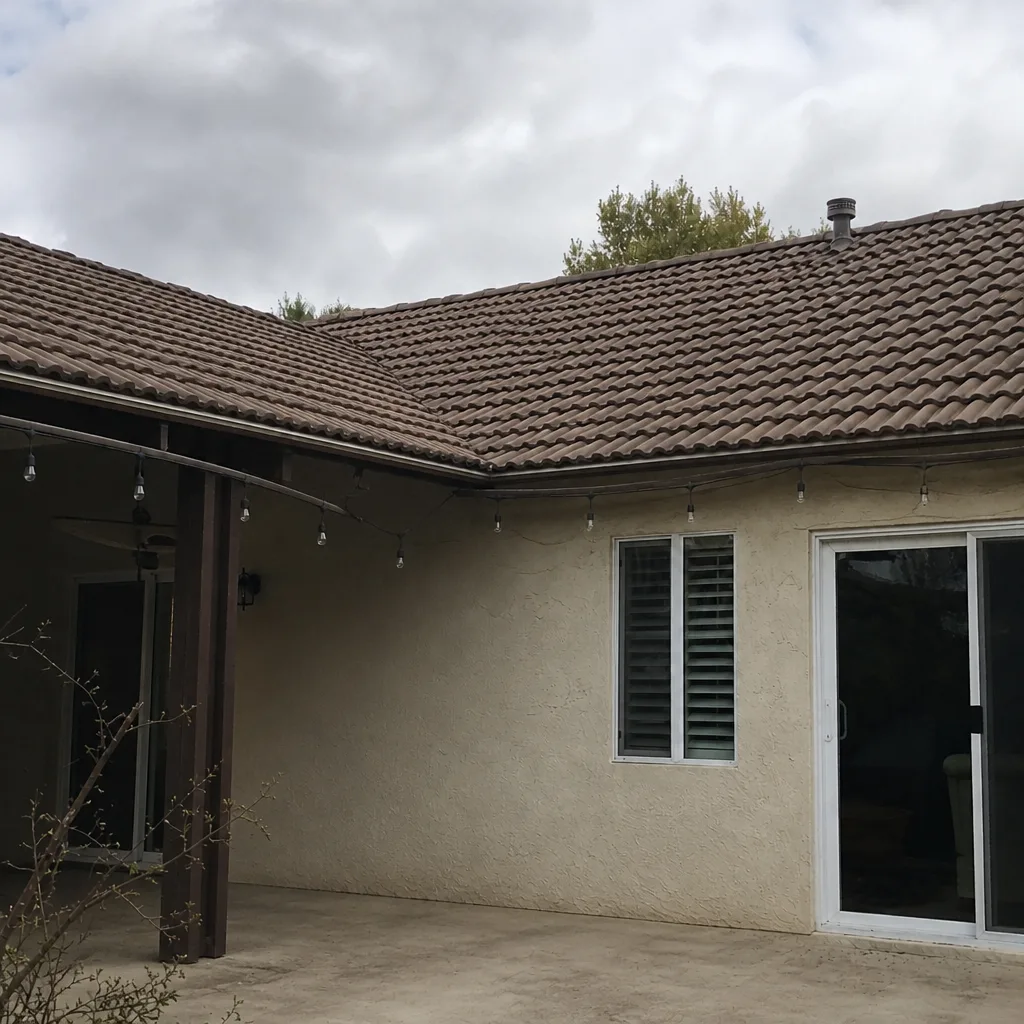
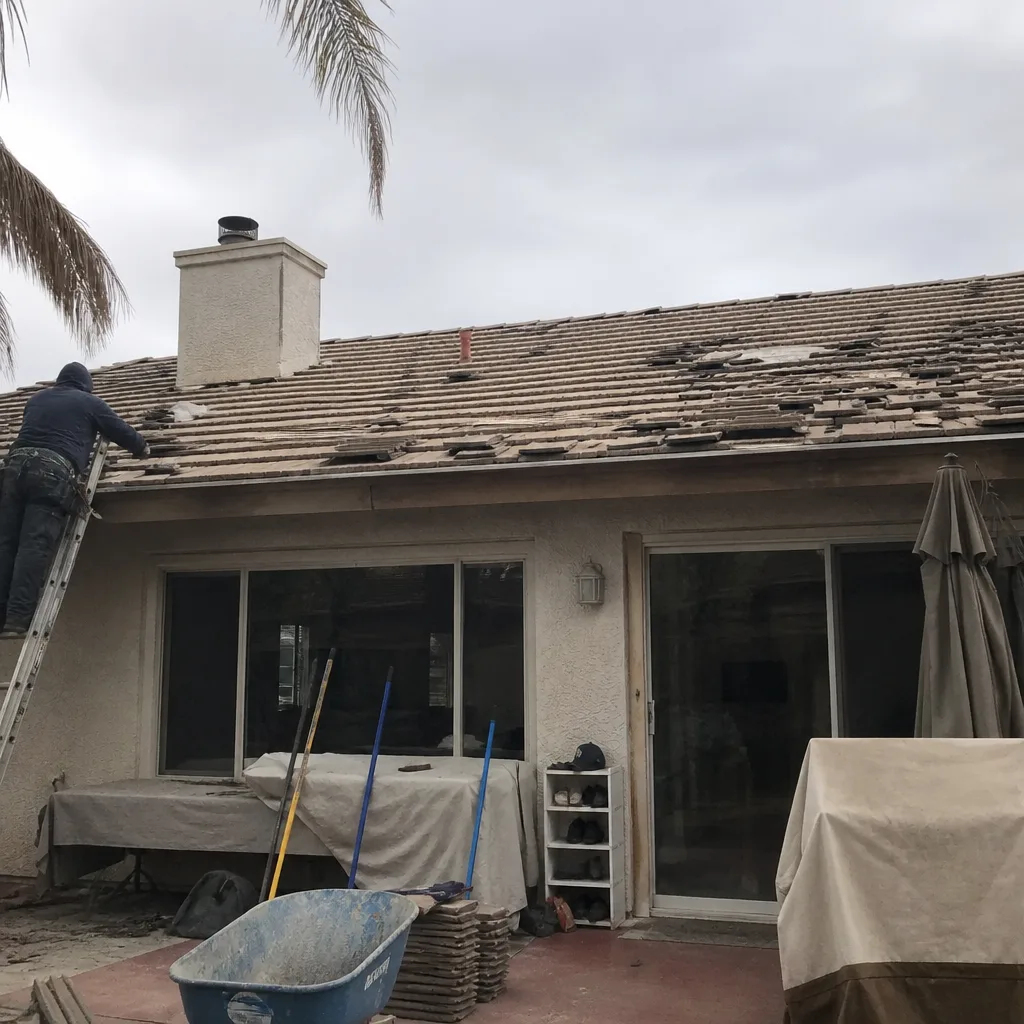
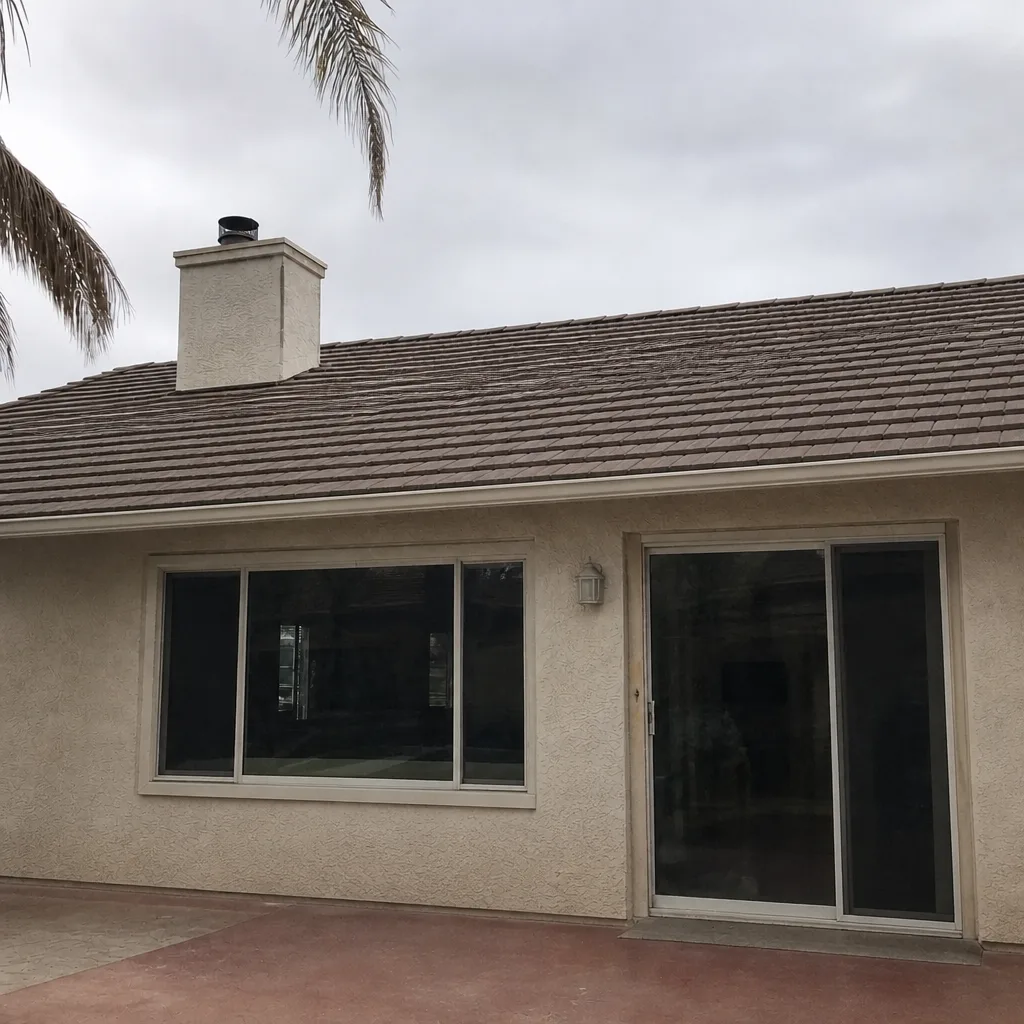
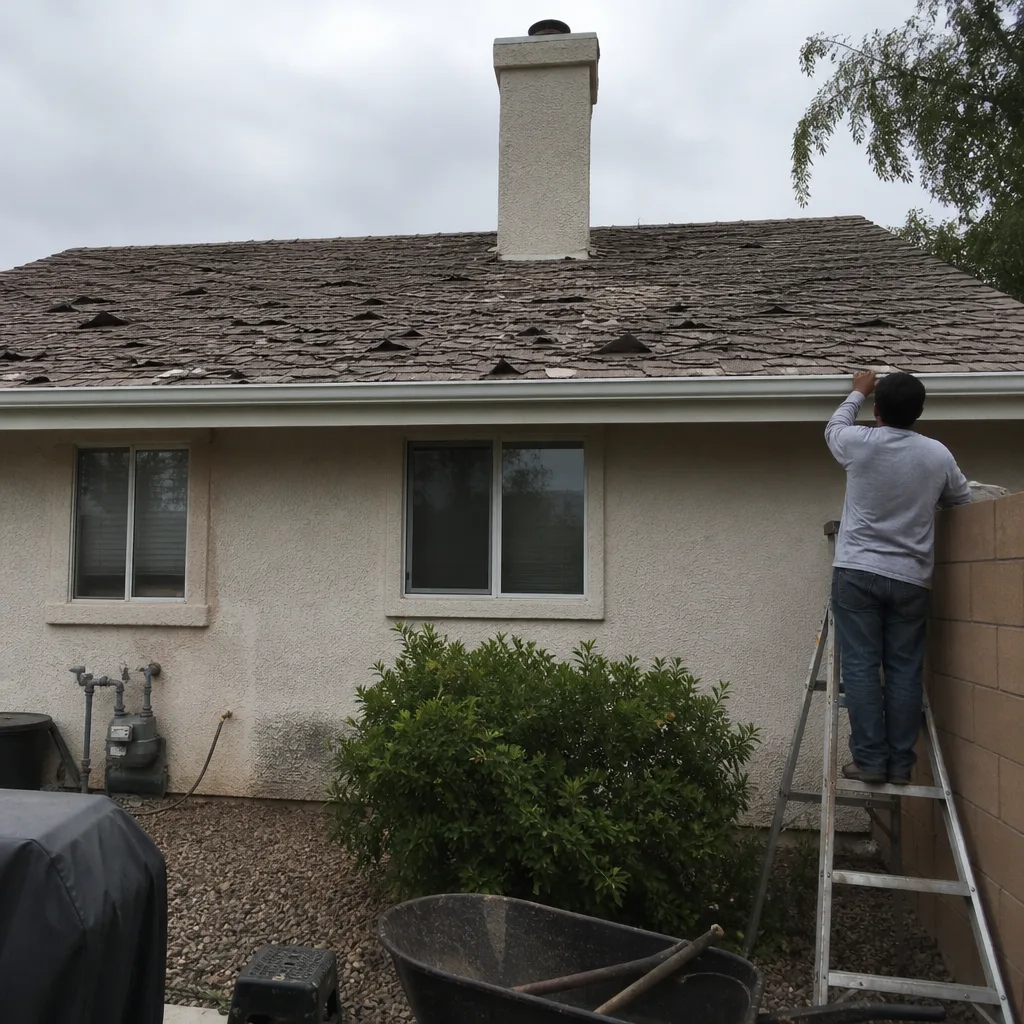
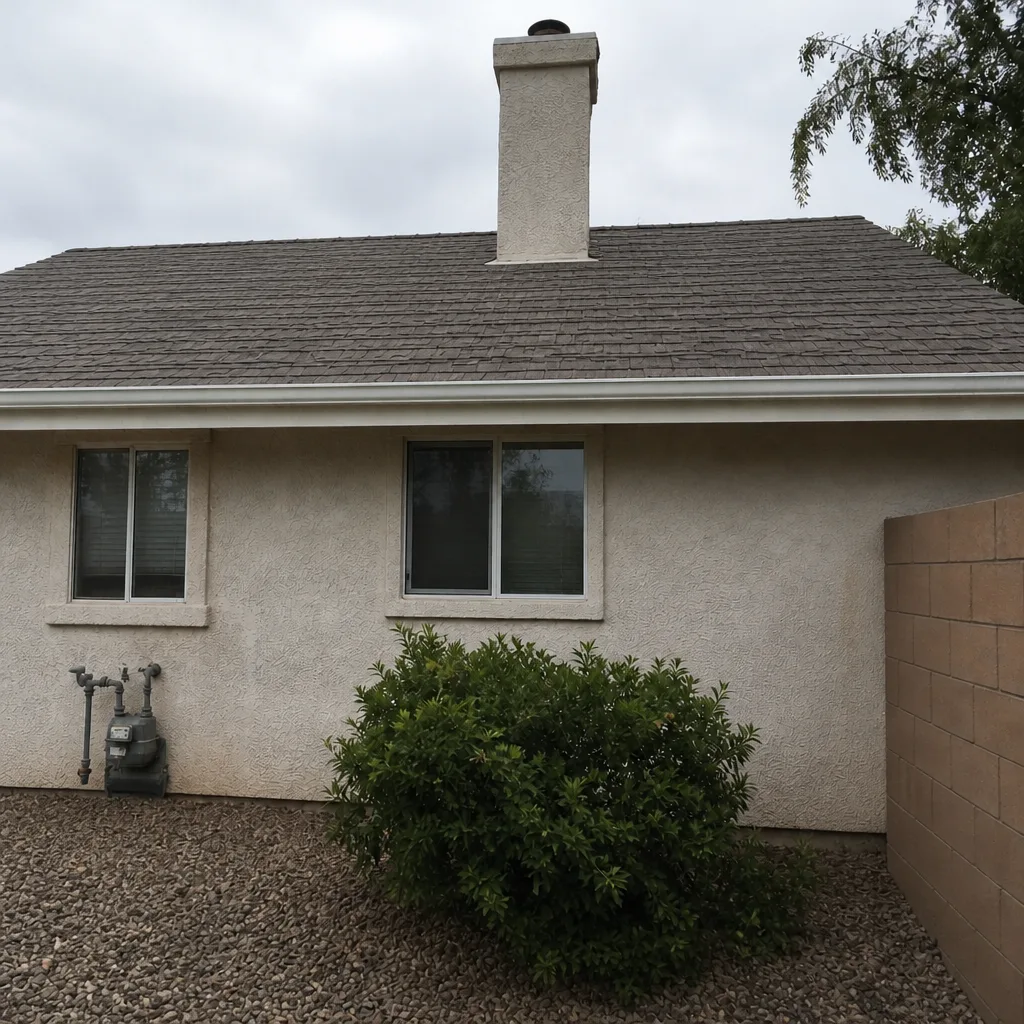
See the difference
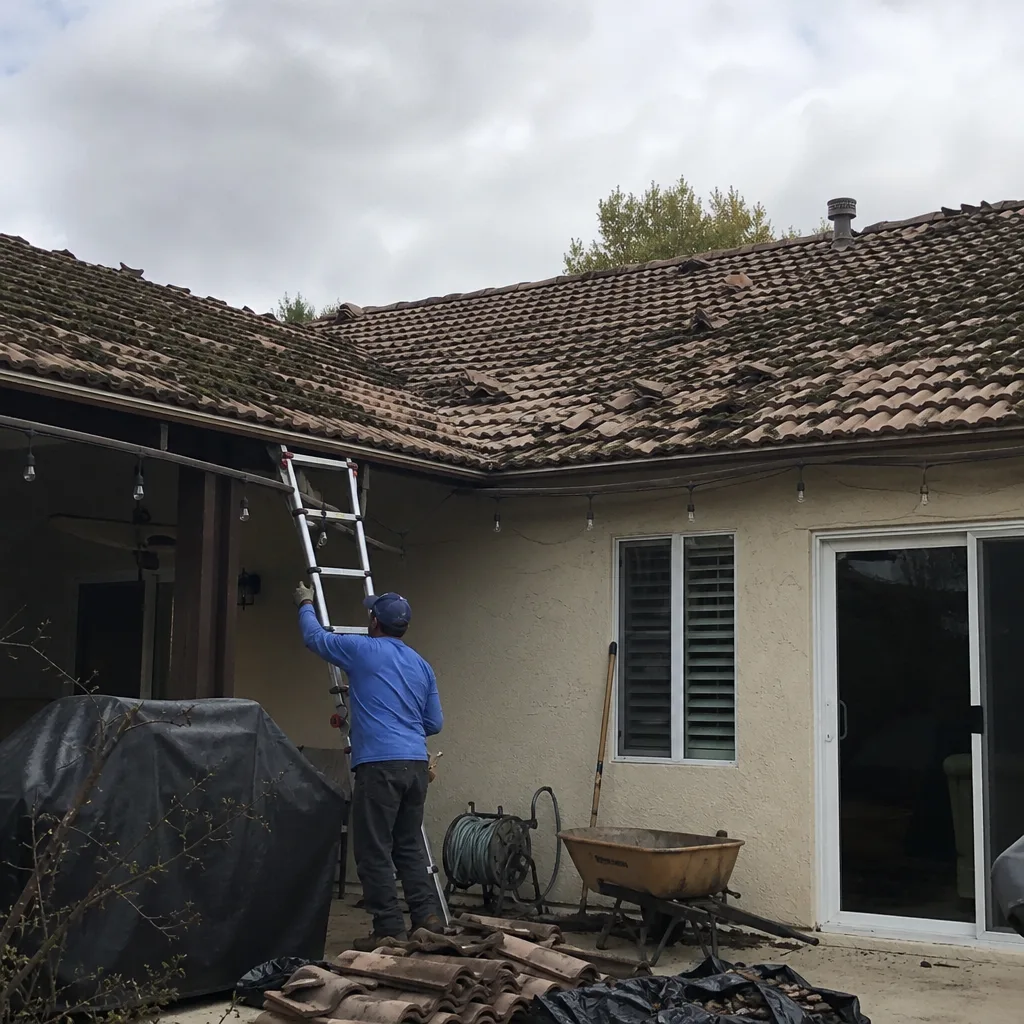 Before
 After
 Before
 After
 Before
 After
When to Call a Professional
Specialty roofing work involves real weight, high-tension components, sharp metal, and heights, and the failure modes are not DIY-friendly. Call a professional if any of the following are true:
- You see slipped, cracked, or missing tile or shingle pieces after a monsoon.
- Any foam section on your roof is due for a recoat or has visible UV damage (chalking, cracking, soft spots).
- The HOA is asking for documentation on a material change.
- You’re getting a bid on a specialty roof and want a second opinion before signing.
- Water is finding its way into the attic after a storm.
- Your roof is past 20 years and you’ve never had the underlayment inspected.
- You want a real number before deciding anything.
We’re Shepherd & Sons Roofing Summerlin, and we offer free estimates in Summerlin – call (844) 951-4545.
Frequently Asked Questions
Concrete tile runs roughly $25,000-$40,000 on a typical Summerlin home, clay tile runs roughly $40,000-$70,000, slate-look composite runs roughly $18,000-$35,000, metal tile runs roughly $30,000-$55,000, and low-slope foam on a section runs roughly $8,000-$16,000, not counting recoating. The broad range comes from square footage, pitch, access, and hidden deck repair. Call (844) 951-4545 for an in-person number; estimates are free and there’s no trip charge inside our own county.
Clay tile has the longest proven life in Summerlin’s UV environment, with concrete tile close behind – and in both cases the tile itself outlasts the underlayment underneath it, which typically needs replacement around year 20. Metal tile with a quality coating is next in line. Slate-look composite and foam are newer to the desert and depend more on the specific product and installation. Call (844) 951-4545 to talk through what fits your home and your time horizon.
Yes, in almost every case. Summerlin’s HOAs require written architectural approval before any change to your roof’s material, color, or profile, and the process typically requires a physical sample, a manufacturer spec sheet, an elevation drawing, and the contractor’s written scope. Replacements that match the original material usually don’t need full approval. Get it in writing before you sign a contractor’s contract. Call (844) 951-4545 if you’re not sure what your HOA will require.
Ask them to name their certification tier for the specific product line, then look up that contractor on the manufacturer’s own online contractor directory – GAF, CertainTeed, and Owens Corning all publish searchable lists – and cross-check the NRCA member directory and the Nevada State Contractors Board license lookup. A real certification takes 90 seconds to confirm; a fake one falls apart fast. Call (844) 951-4545 if you want us to walk you through it.
Yes, and on tile and metal it’s often the right answer. Many “replace the roof” bids on Summerlin tile roofs are really underlayment replacement – the tile is fine, the layer underneath is at end of life, and lifting and re-setting the good tile costs far less than a new roof. We show the deck photos before we talk money. Call (844) 951-4545 for a free second opinion on any written estimate.
Slate-look composite is a synthetic shingle engineered to mimic slate at a fraction of the weight and cost, and it matters in Summerlin because our UV load is a serious test of any synthetic product that hasn’t spent 20 years here yet. Real slate is rarely seen in Summerlin roofs. If composite is on your short list, material quality drives everything and the manufacturer certification on the product line is the thing to verify.
The Bottom Line
Specialty roofing in Summerlin runs by different rules from the rest of the valley – different materials, different HOA requirements, different climate math, different contractor credentials. The four things to hold onto: know what roof you actually have, get HOA approval in writing before you sign anything, verify the contractor’s manufacturer certification on the specific product line, and compare bids by cost per year in desert conditions, not by the sticker price. A licensed, local roofer with a published address and a real certification will walk you through all of it. Ask the questions, do the 90-second check, and get a written bid you can compare.
Ready for a real number? Call Shepherd & Sons Roofing Summerlin at (844) 951-4545 for a free estimate. We’ll show you the deck photos before we talk money, give you a free second opinion on any written estimate, and there’s no trip charge inside our own county.
Written by the team at Shepherd & Sons Roofing Summerlin.