
Last updated November 18, 2026
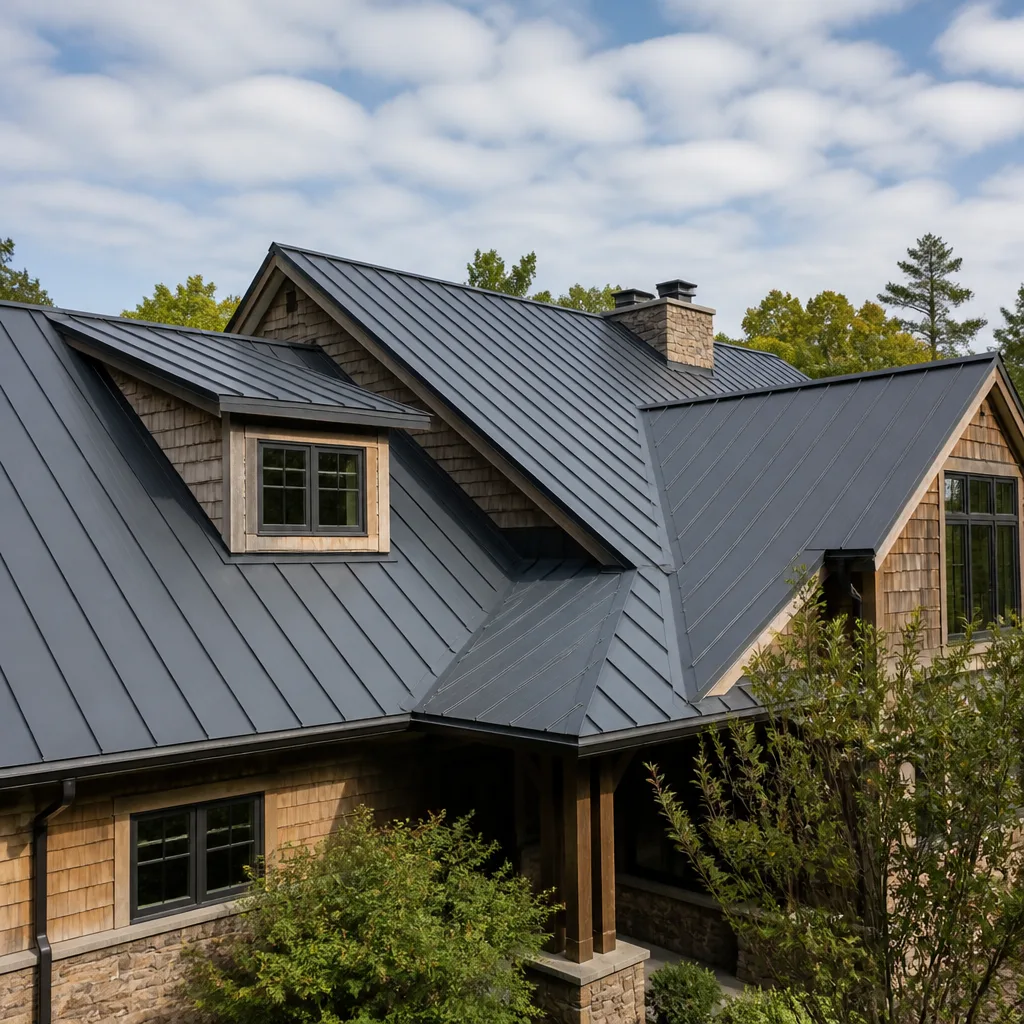 Metal roofing
 Architectural shingles
 Tile roofing
 GAF
 Owens Corning
 Flat & low-slope
Free roof inspection with deck photos before we talk money - GAF and Owens Corning certified installation
DIY vs Professional Metal Roofing: What’s Safe to Do Yourself
Bill will tell you straight: most metal roofing install videos on YouTube are filmed in mild climates by people working on simple gable roofs. Try that same approach on a 115-degree Summerlin afternoon with a hip roof and two valleys and you’ll be calling someone like him anyway, just with more damage to undo. The truth sits in the middle of two camps that both get it wrong: the DIY channels that pretend anything is doable, and the contractors who won’t admit a homeowner can safely do a thing. This guide draws a firm line. There are exactly three metal roofing tasks a careful Summerlin homeowner can handle safely, a few others that are genuinely tempting but dangerous, and one narrow repair scenario where doing it yourself makes real sense. We’ll cover all of it, with the Summerlin-specific hazards most guides never mention.
Quick Answer
You can safely inspect your metal roof from the ground after a storm, clear your gutters from a ladder, and touch up sealant at ground-accessible penetrations. You should not install metal panels, walk a Summerlin roof in summer, or attempt valley and hip work yourself; surface temperatures exceed 160°F, and most Clark County permits and manufacturer warranties require a licensed installer.
Styles & brands we work with
- Architectural shingles
- Metal roofing
- Tile roofing
- GAF
- Owens Corning
- Flat & low-slope
Table of Contents
- The Three Tasks You Can Safely Do Yourself
- Why Summerlin Is a Uniquely Dangerous Place to DIY a Metal Roof
- The Permit and Warranty Reality in Clark County
- The Honest Cost Comparison: What You Save vs. What You Spend Fixing It
- The One Scenario Where DIY Panel Replacement Makes Sense
- Tools and Products That Actually Matter
- Common Mistakes to Avoid
- When to Call a Professional
The Three Tasks You Can Safely Do Yourself
We’ve seen plenty of homeowners save money and headaches by handling the basics on their own metal roof in Summerlin. These three jobs don’t require walking the panels, don’t void a warranty, and don’t put you at risk of a fall or a burn.
1. Post-Storm Visual Inspection From the Ground
After a monsoon or a wind event, grab a pair of binoculars and walk the perimeter of your house. You’re looking for three things: loose or lifted panel edges, popped fasteners, and dents from hail. Note what you see and where. This inspection takes 15 minutes and gives you real information if you do need to call someone. What you’re not doing is climbing up to check it by hand. A ground inspection tells you plenty.
2. Gutter Clearing
Metal roofs shed a lot of debris in a big storm, and clogged gutters are the most common cause of fascia rot we see on Summerlin homes. Use a stable ladder on level ground, wear gloves, and clear the channel with a scoop. Do it in the early morning before the roof heats up, and never lean out past the ladder rails. If your gutters are two stories up or the pitch is steep, this becomes a professional job.
3. Sealant Touch-Up at Accessible Penetrations
Vents, pipe boots, and chimney flashings sometimes need re-sealing. If you can reach a penetration safely from a ladder without stepping onto the roof, you can handle it. Use a polyurethane sealant rated for exterior metal (not silicone, which doesn’t adhere well to metal), clean the surface thoroughly first, and apply a bead over the existing joint. Do not do this on a hot afternoon. Sealant cures poorly above 100°F, and you’ll be working next to a surface hot enough to burn your hands.
Why Summerlin Is a Uniquely Dangerous Place to DIY a Metal Roof
We don’t want to overstate it, but metal roofing in Summerlin is genuinely riskier to DIY than in most of the country. Three hazards do not exist in the tutorials you’ll watch online.
Surface Temperatures Above 160°F
A dark metal panel in direct July sun in Summerlin routinely hits 160°F to 175°F. Skin contact for a fraction of a second causes a burn. Standing on a panel transfers that heat through your shoes. No roofing crew works bare-handed on summer panels; a homeowner who doesn’t know that will learn the hard way.
Glare-Induced Disorientation
Bright metal panels reflect sunlight in a way asphalt shingles never do. The glare on a Summerlin afternoon can genuinely disorient you, and a moment of vertigo on a pitched roof is how falls happen. This is one of the reasons our crew works early shifts and takes midday breaks on summer jobs.
Thermal Expansion Makes Footing Unpredictable
Metal expands and contracts with heat. The panel you stepped on at 85°F may have shifted fractionally by noon at 115°F. Fasteners loosen and the panel surface changes subtly. On a low-slope shed, that’s manageable. On a hip roof with valleys, it’s a footing hazard that catches even experienced installers off guard.
The Permit and Warranty Reality in Clark County
Two things most DIY guides never mention: the permit and the warranty. Both are dealbreakers on a metal roof installation in Clark County.
The Permit
Most jurisdictions in Clark County require a licensed contractor to pull a permit for a metal roofing installation. If you install without a permit, you may be forced to remove the work later, and any future homeowner or buyer will discover the missing permit during inspection. That can stall a sale. If your project falls under an HOA in Summerlin, there may also be architectural review requirements on top of the county permit.
The Warranty
Nearly every major metal panel manufacturer (GAF, CertainTeed, Tamko, and others) voids the product warranty if the roof was installed by someone who is not a licensed installer. This is a hard fact, and it’s the one that should end the DIY installation conversation for most people. The panel itself often has a 30 to 50 year finish warranty; lose that on a $20,000 roof and the DIY savings evaporate.
The Honest Cost Comparison: What You Save vs. What You Spend Fixing It
We’ll give you real numbers, and we’re not going to pad either side. Here’s how DIY and professional metal roofing compare on typical Summerlin homes.
- DIY installation (materials only): $8,000-$14,000 on a typical single-story roof. Your labor is unpaid, and the project will take you 3-6 weekends if everything goes well.
- Professional installation: $18,000-$32,000 for a comparable roof, including permit, labor, ice-and-water underlayment, and a workmanship warranty.
- Correcting a failed DIY install: $10,000-$20,000, because a bad panel install often means tearing off panels to fix flashing, valleys, and underlayment that were done wrong.
- Ongoing leak and corrosion repairs from a bad install: An average of $400-$1,500 per year for the life of the roof.
So on paper you save $10,000-$18,000. In practice, most homeowners we’ve seen attempt a full DIY install ended up spending more than the professional bid, once the corrections were factored in. The panels are the cheap part. The skill is the expensive part, and it’s the part you can’t buy at Home Depot.
The One Scenario Where DIY Panel Replacement Makes Sense
There’s one repair we genuinely recommend homeowners try themselves: replacing a small number of damaged exposed-fastener panels on a simple, low-slope, shed-style addition. That’s a specific situation. A patio cover or sunroom with a shed roof, minimal pitch, panels held by visible screws, and damage limited to one or two panels. Not a valley. Not a hip. Not a main roof over living space.
If that’s your situation, here’s the sequence:
- Order matching panels. Pull the measurements off the damaged panel and order the same profile and finish. Boral and Tamko both have exposed-fastener profiles that match common patterns, but you’ll need the exact manufacturer and color code from the existing panel.
- Back out the fasteners on the damaged panel with a cordless driver. If any are stripped, work them out with a screw extractor and don’t force it.
- Slide the new panel into place, aligning the ribs with adjacent panels. Rubber-mallet the seam if it’s a ribbed profile.
- Fasten in the factory-specified pattern. Ask the panel manufacturer for the nailing pattern; do not improvise the spacing. The pattern earns the wind rating, not the panel wrapper.
- Re-seal the perimeter and any penetrations with a polyurethane metal-rated sealant.
If any step in that sequence feels uncertain, stop. That’s the point where a free second opinion on any written estimate becomes worth a phone call.
Tools and Products That Actually Matter
If you’re doing the three safe tasks, here’s what you need and what to skip. All of this fits in a small toolbox and costs under $200 total.
- Binoculars (7×35 or 10×42) for ground inspection
- A stable extension ladder rated for your weight, with a standoff stabilizer for gutter work
- Heavy work gloves rated for heat and cut resistance
- Polyurethane sealant rated for exterior metal roofing (not silicone, not latex)
- A cordless driver with a magnetic bit holder for fastener checks (not for installation)
- A rubber mallet for light panel alignment
For a full install you’d need a panel brake, a nibbler, sheet metal snips, a magnetic sweeper to catch dropped fasteners, safety harnesses rated for roof work, and far more. That’s $2,500+ in tools, and the harness alone is only safe if you know how to anchor it. Our technicians have up to 30 years of experience, and even they don’t shortcut the safety rigging. For more on what proper installation involves, see our Metal Roofing in Summerlin page.
Common Mistakes to Avoid
- Working midday in July. Surface temps above 160°F cause second-degree burns fast, and sealant won’t cure correctly. Early morning is the only safe window in a Summerlin summer.
- Skipping the permit to save $300. The permit costs a few hundred dollars; the forced removal of an unpermitted roof costs thousands, and can hold up a future sale.
- Using silicone sealant instead of polyurethane. Silicone doesn’t bond well to metal and fails within a season. Every leak we’ve seen at an improperly sealed penetration traced back to the wrong product.
- Stepping on a warm panel with the wrong shoes. Soft rubber soles grip unpredictably on hot metal. Even professional crews use specific footwear for metal panels, and this is not the place to test your sneakers.
- Assuming a hip roof is a starter project. Hip roofs with valleys are the hardest metal roofs to install correctly. No homeowner should attempt one, no matter how many videos they’ve watched.
- Replacing panels without checking underlayment. A damaged panel often means damaged underlayment beneath it. Slap a new panel over a wet deck and you’ll have rot within two seasons.
- Ignoring HOA architectural review. Many Summerlin HOAs have specific approval processes for roofing changes. Skipping that step is a fast way to a forced redo.
When to Call a Professional
Call a professional when the job involves any of the following: a full roof replacement or first-time metal installation, work on a pitched or hip roof, valley or chimney flashing, anything over two stories, visible water intrusion indoors, panels that have lifted or separated, or any repair on a roof older than 20 years where the underlayment condition is unknown. Call also if you’re not sure what you’re looking at. We’ve talked plenty of homeowners out of unnecessary repairs after a free second opinion, and we’ll do it again.
Shepherd & Sons Roofing Summerlin offers free estimates in Summerlin, call (844) 951-4545. Our roofers have been locally owned and owner-operated since 1996, and every job is backed by our written 90-Day Done Right Promise. See our Roof Repair in Summerlin page if you’re not sure whether your metal roof needs repair or replacement, or start at our Shepherd & Sons Roofing Summerlin home page for the full range of services.
See the difference
 Before
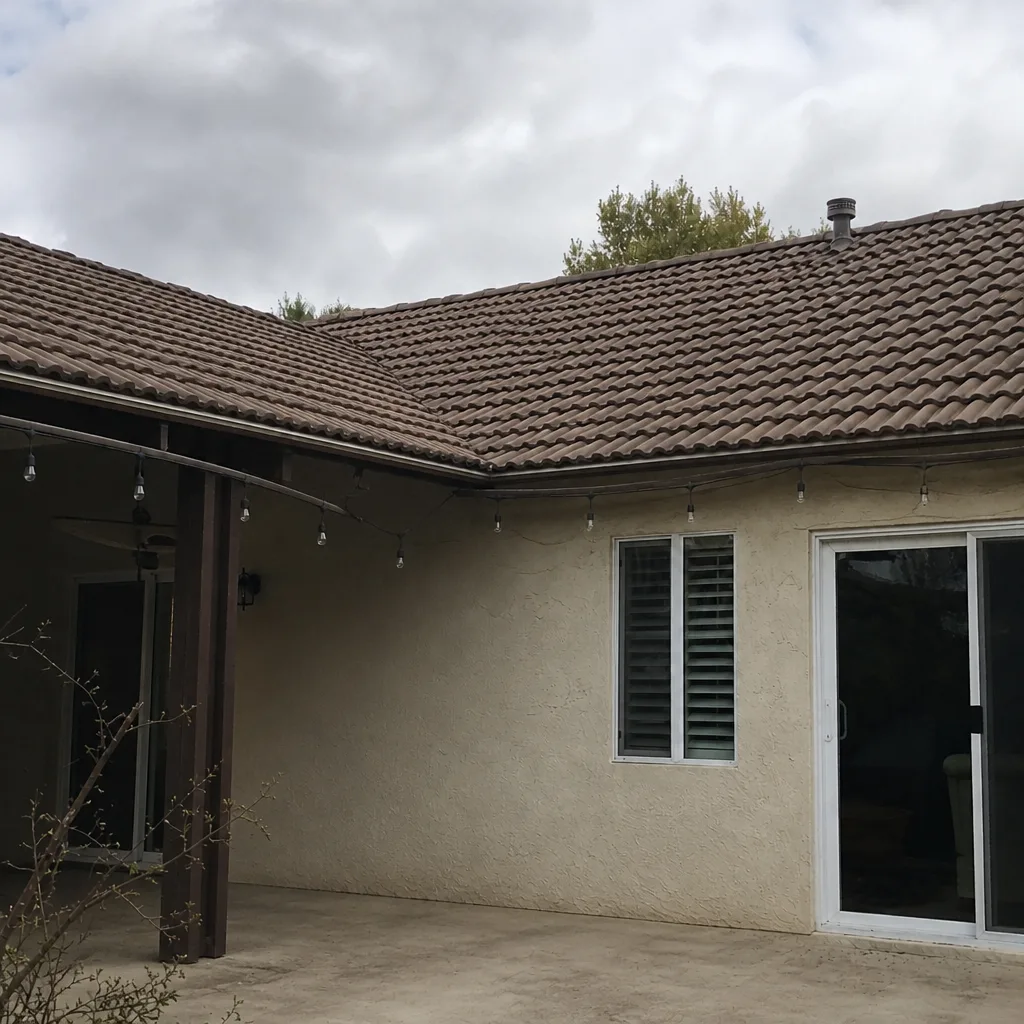 After
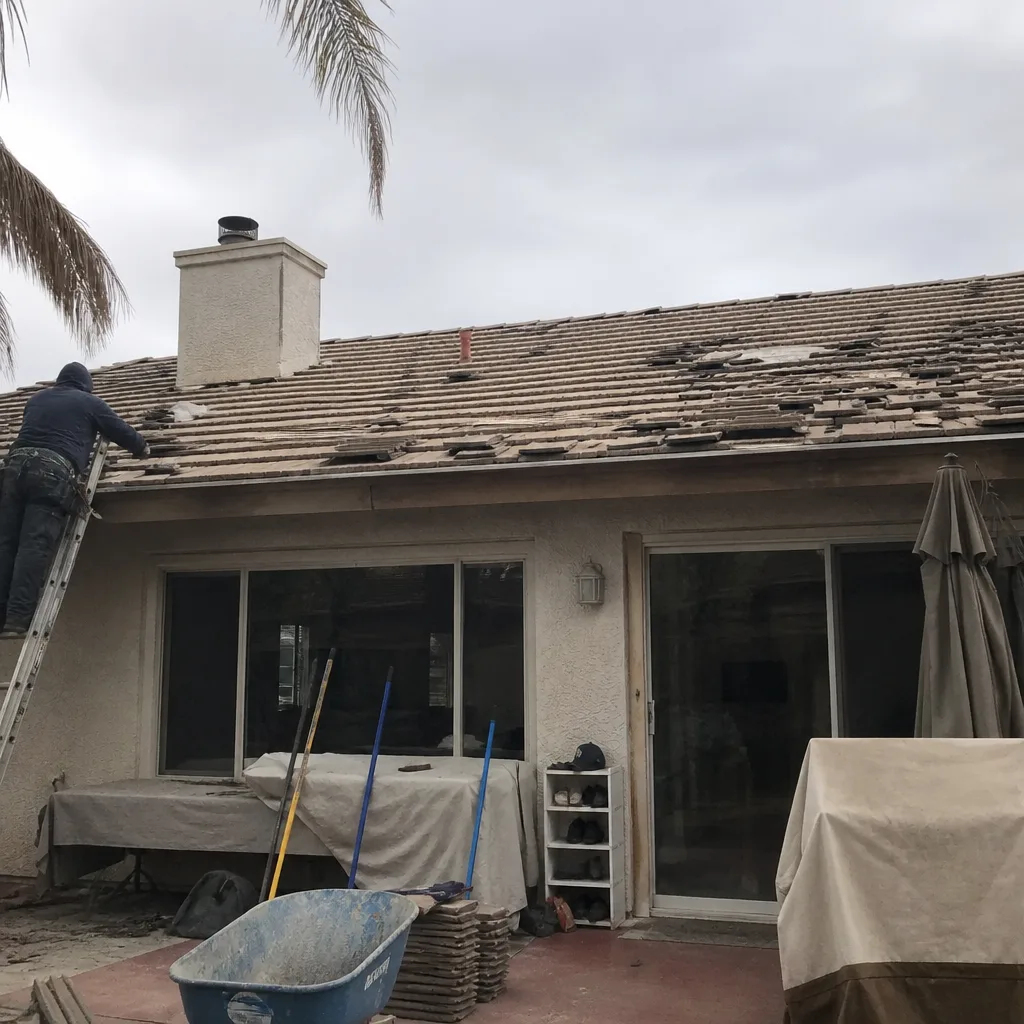 Before
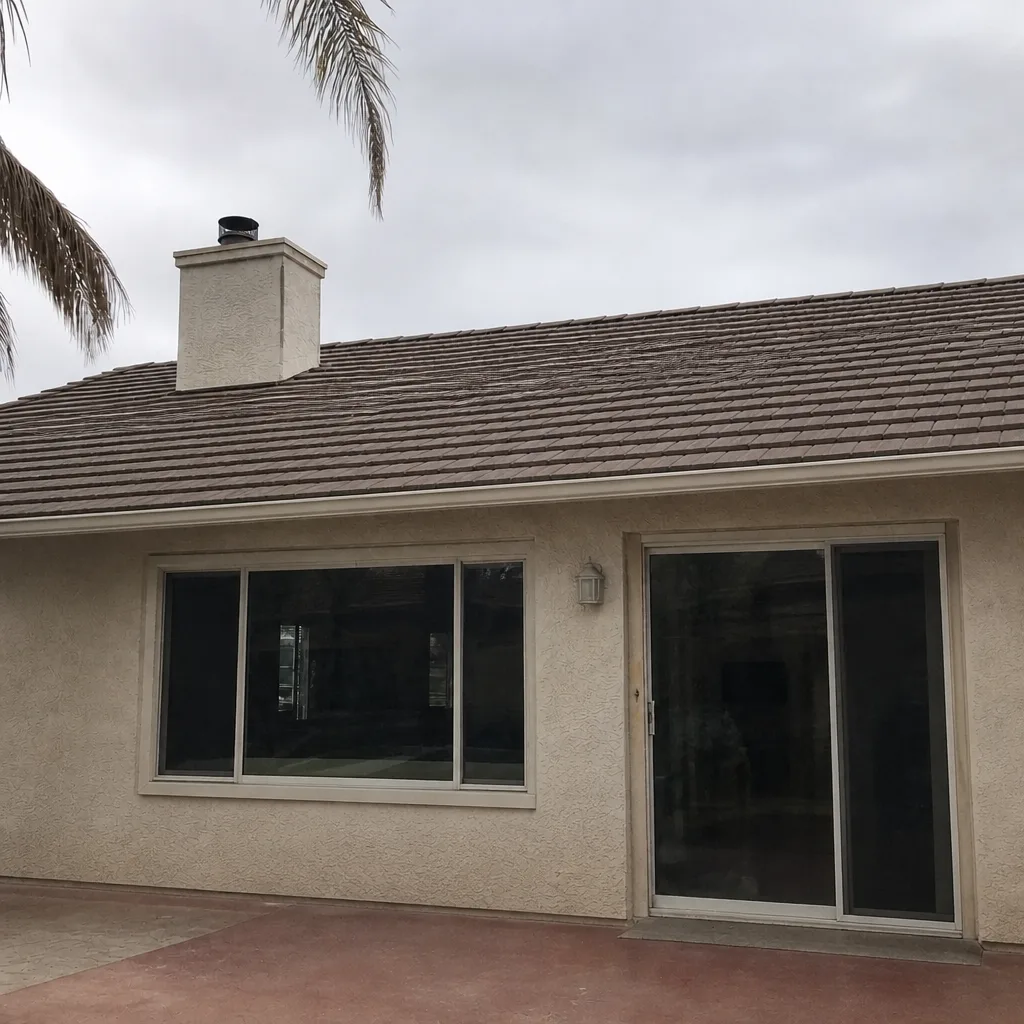 After
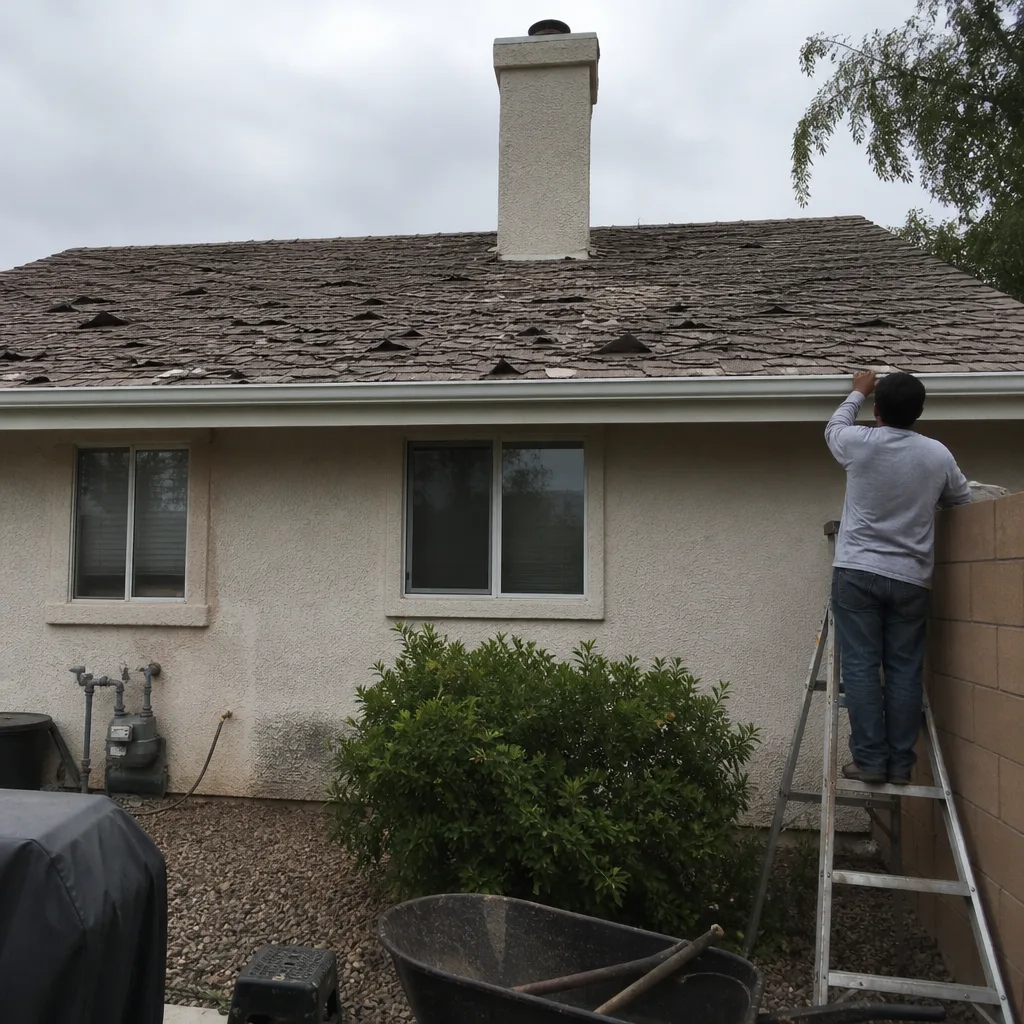 Before
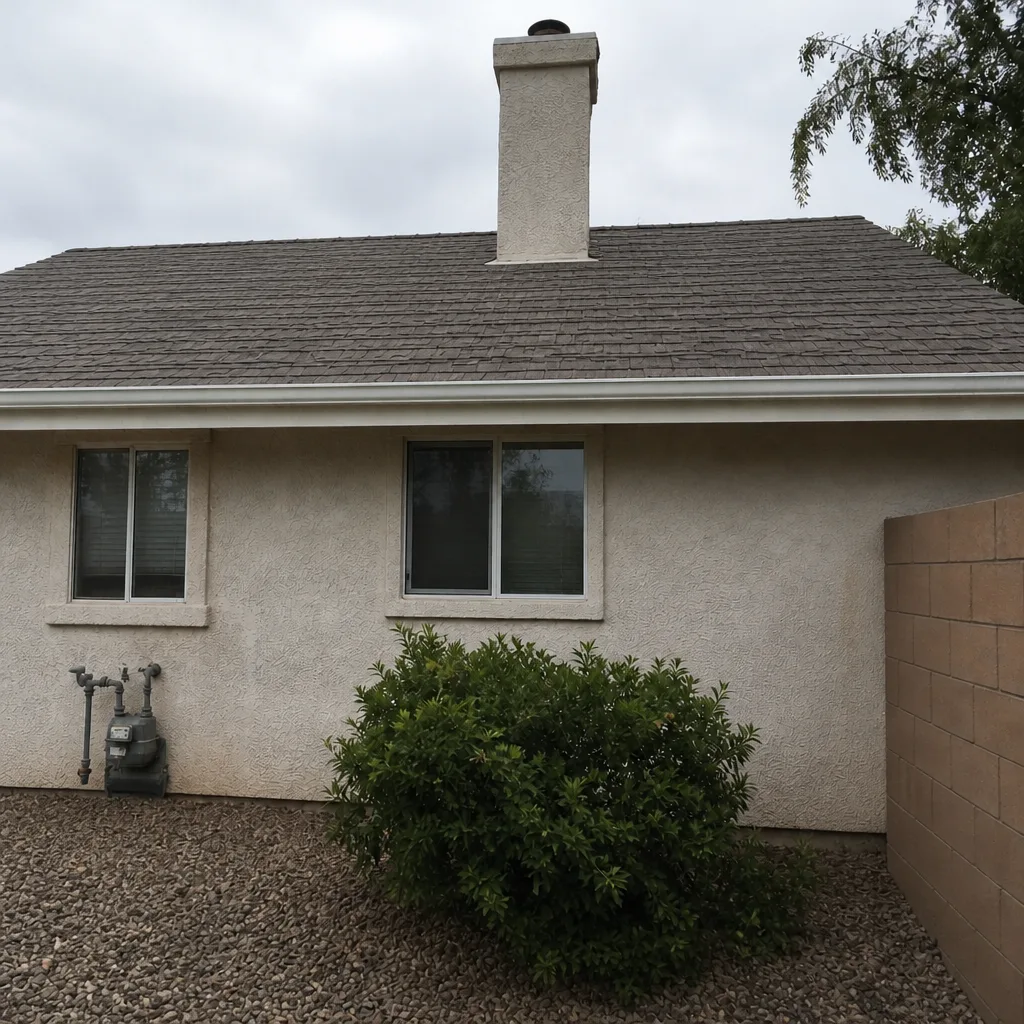 After
Frequently Asked Questions
Technically possible, practically not advisable. Clark County permits for metal roofing typically require a licensed contractor, and most manufacturer warranties (GAF, CertainTeed, Tamko) are voided by owner-install. You also face surface temperatures above 160°F in summer that make the roof unsafe to work on. Call (844) 951-4545 for a free estimate instead; the math on a proper install usually comes out closer than you’d think.
DIY materials for a typical Summerlin home run $8,000-$14,000, while a professional install runs $18,000-$32,000 including permit and workmanship warranty. On paper you save $10,000-$18,000, but a failed DIY install can cost $10,000-$20,000 to correct. Call (844) 951-4545 to get an exact number before you decide.
Usually yes, and usually a licensed contractor must pull it. Most metal roof installations in Clark County require a permit through the local building department, and most jurisdictions only issue it to licensed contractors. If your Summerlin HOA also has architectural review, that’s a separate approval. Call (844) 951-4545 and we’ll walk you through what your specific address needs.
Yes, for most major brands. GAF, CertainTeed, Tamko, and Boral all typically void their product warranties if the panel was installed by anyone who isn’t a licensed installer. That void applies to the finish warranty, which can be as long as 30 to 50 years. For a warranty-backed install, call (844) 951-4545 for a free estimate.
No, not on a hot Summerlin summer afternoon. Metal panel surface temperatures exceed 160°F in direct sun, hot enough to burn through thin-soled shoes and cause serious contact burns. Thermal expansion also makes footing unpredictable. Even professional crews work early shifts and avoid the hottest windows. Call (844) 951-4545 if you have damage you’re tempted to check by hand.
Three: inspect from the ground after a storm, clear your gutters from a stable ladder, and touch up sealant at ground-accessible penetrations using a polyurethane product. That’s the safe list. Anything involving stepping on the panels, valleys, or full panel replacement should go to a pro. Call (844) 951-4545 for a free second opinion if you’re not sure.
The Bottom Line
Metal roofing is a good fit for Summerlin’s climate and it lasts, but it’s not a homeowner project. The three safe DIY tasks are ground inspection, gutter clearing, and sealant touch-up at accessible penetrations, and those are worth doing. Everything else (installation, panel replacement on a pitched roof, valleys, and hip work) requires a licensed, insured installer for permit and warranty reasons as much as safety ones. If the job calls for more than the safe three, call a pro. See our Roof Replacement & Installation in Summerlin page for what a full metal roof project actually involves (GAF, CertainTeed, Owens Corning, and Boral are all products we install). We’ll show you the deck photos before we talk money, and the free second opinion on any written estimate costs you nothing.
Call (844) 951-4545 for a free estimate. A live person answers, 24/7. Same address since 1996. Ask the storm chasers where theirs is.
Written by the team at Shepherd & Sons Roofing Summerlin.