
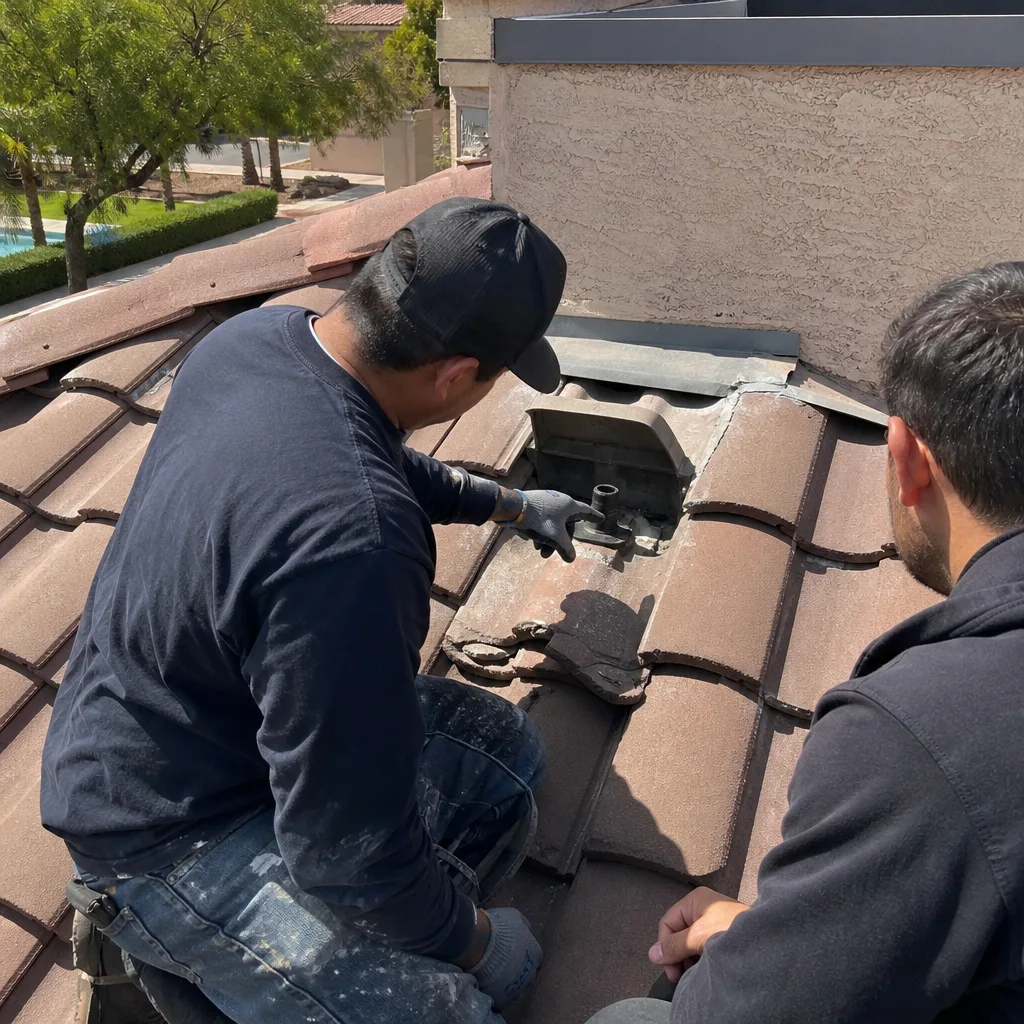
Last updated November 18, 2026
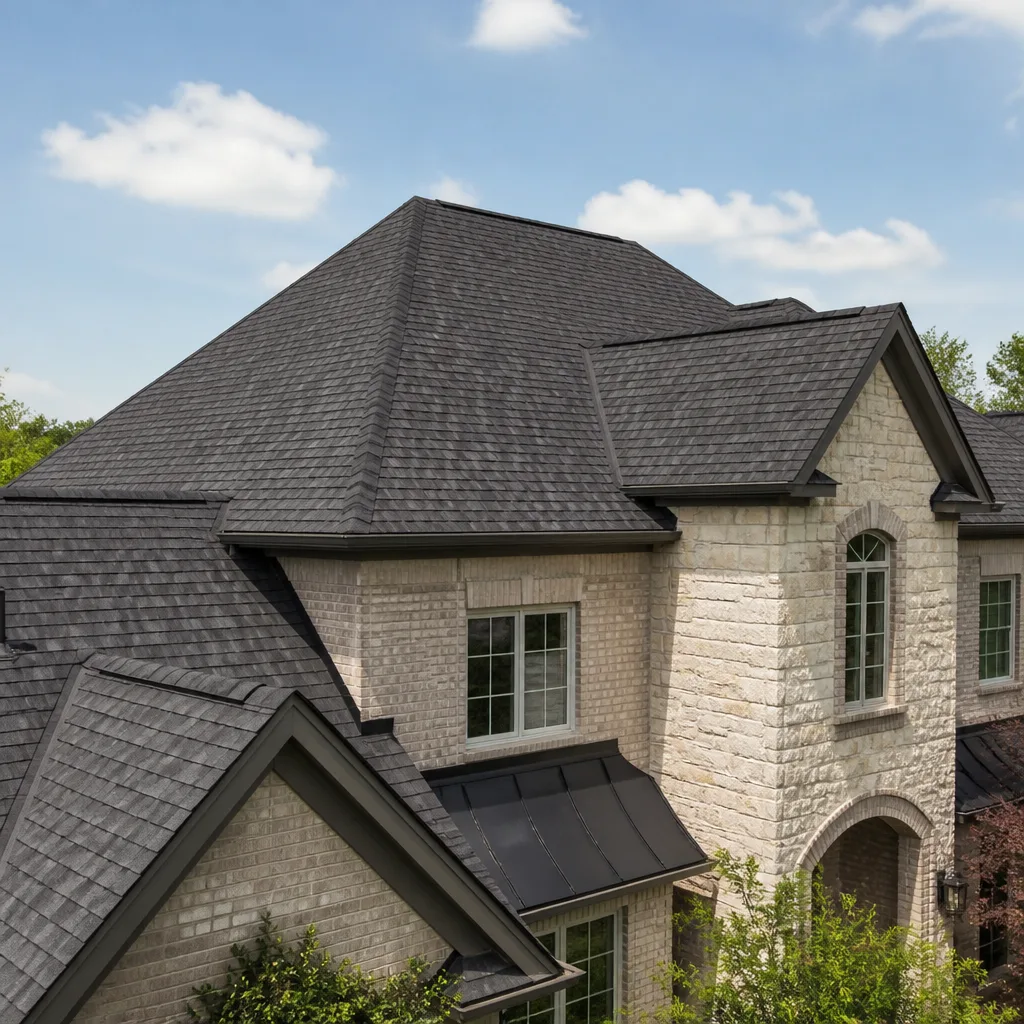 Architectural shingles
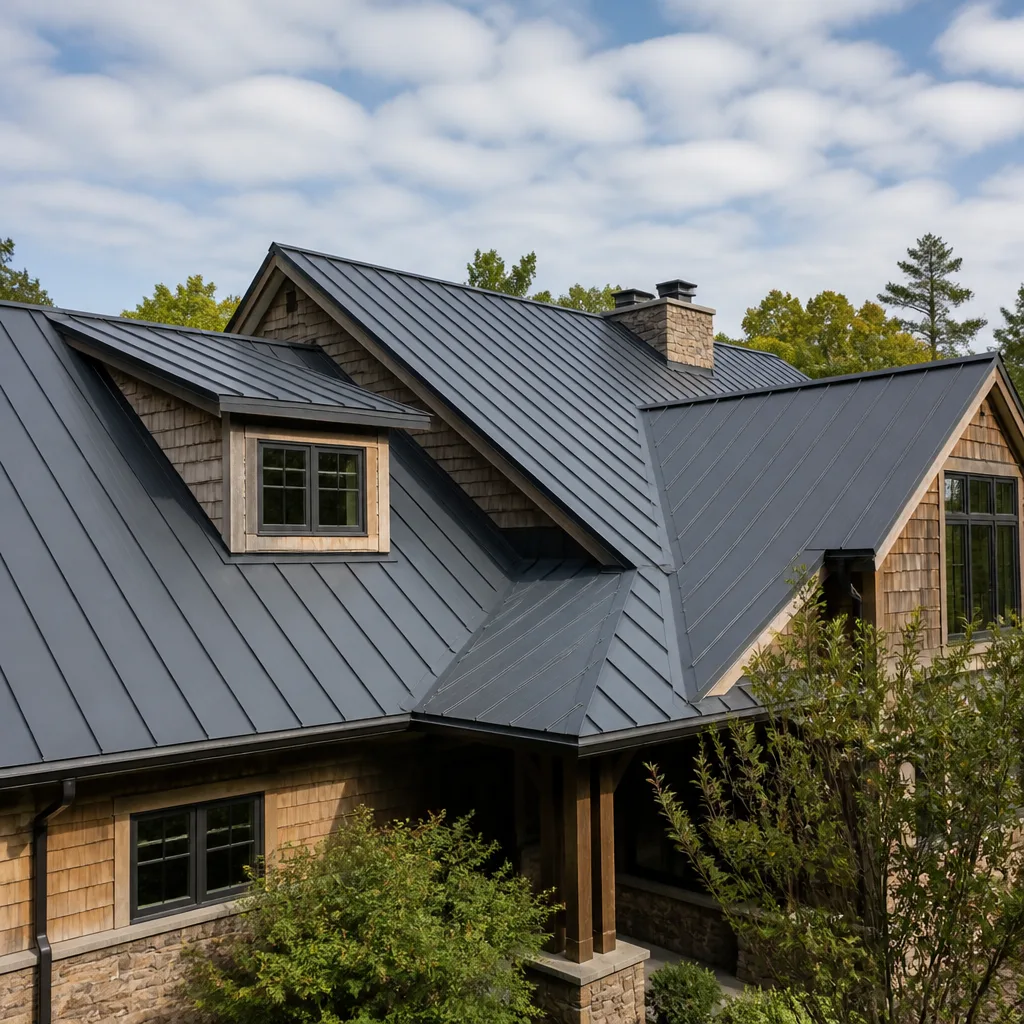 Metal roofing
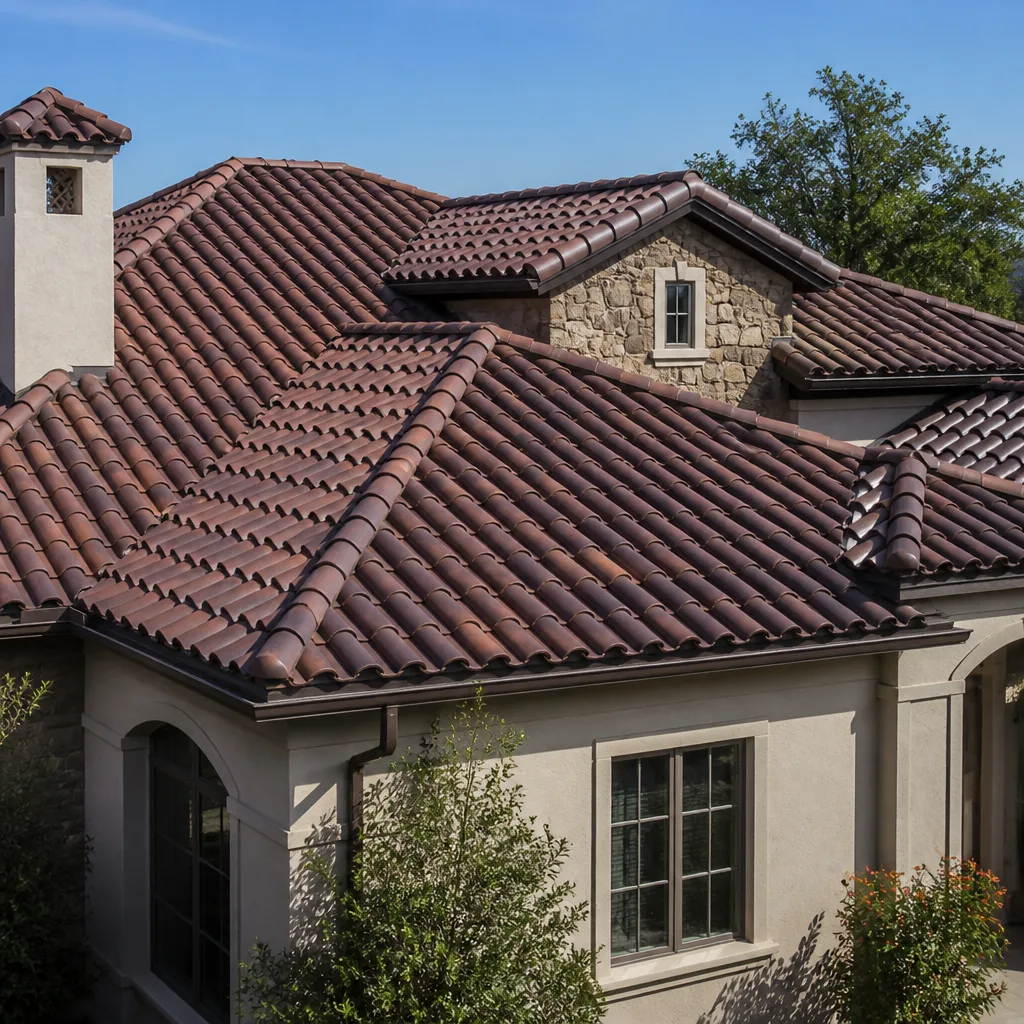 Tile roofing
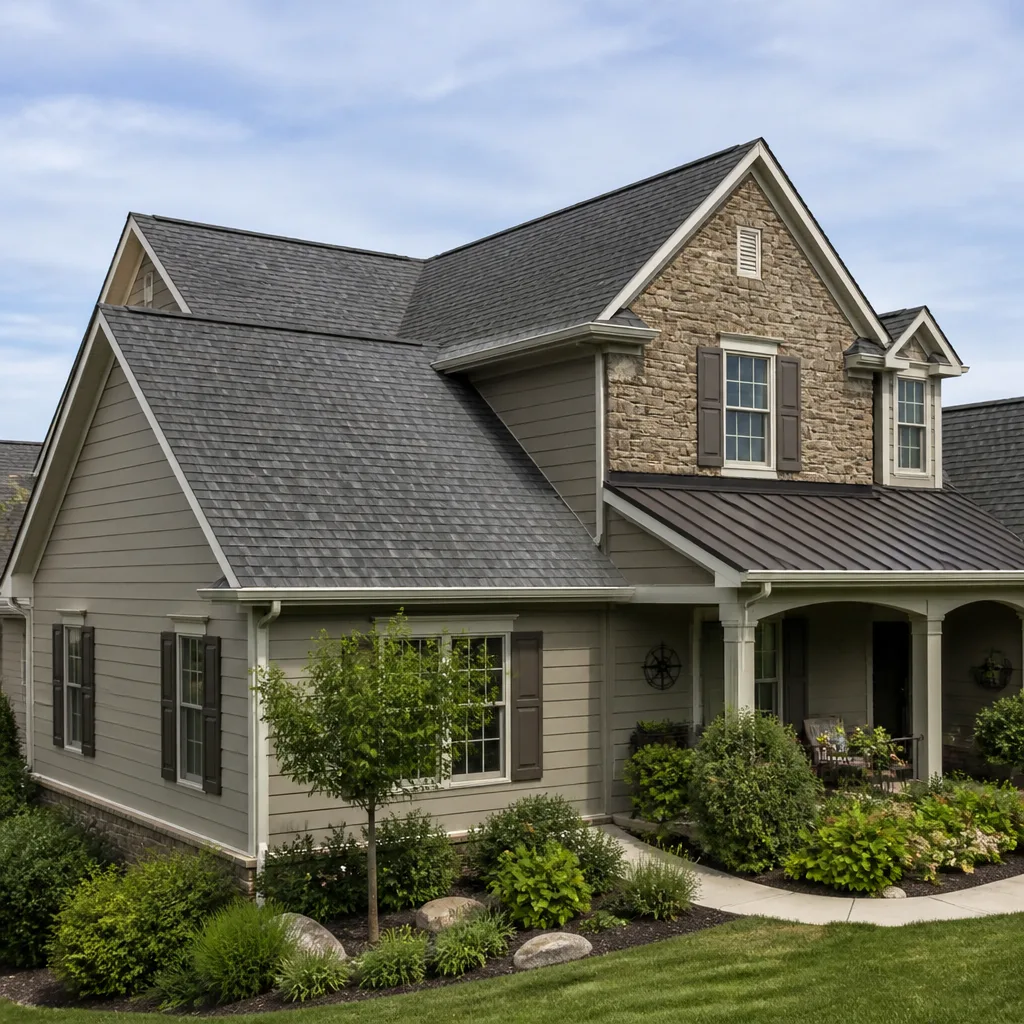 GAF
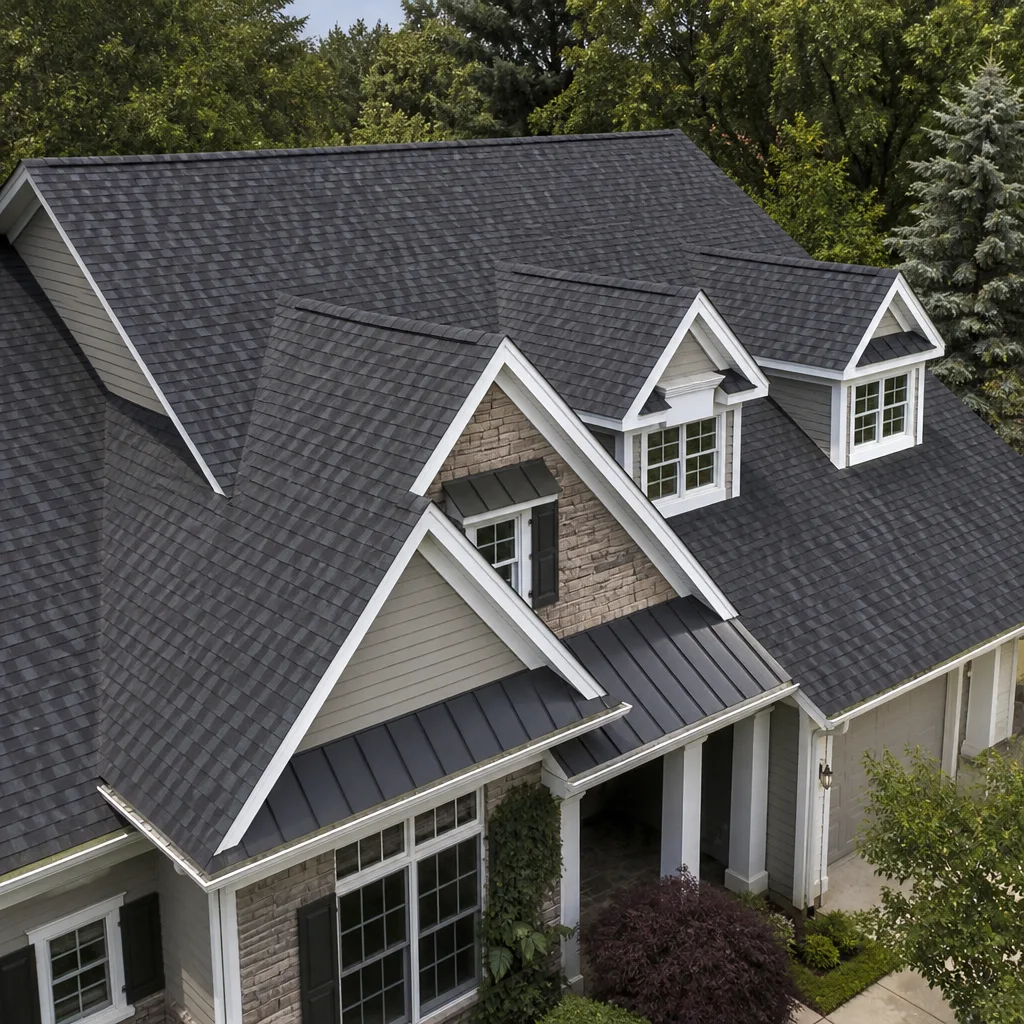 Owens Corning
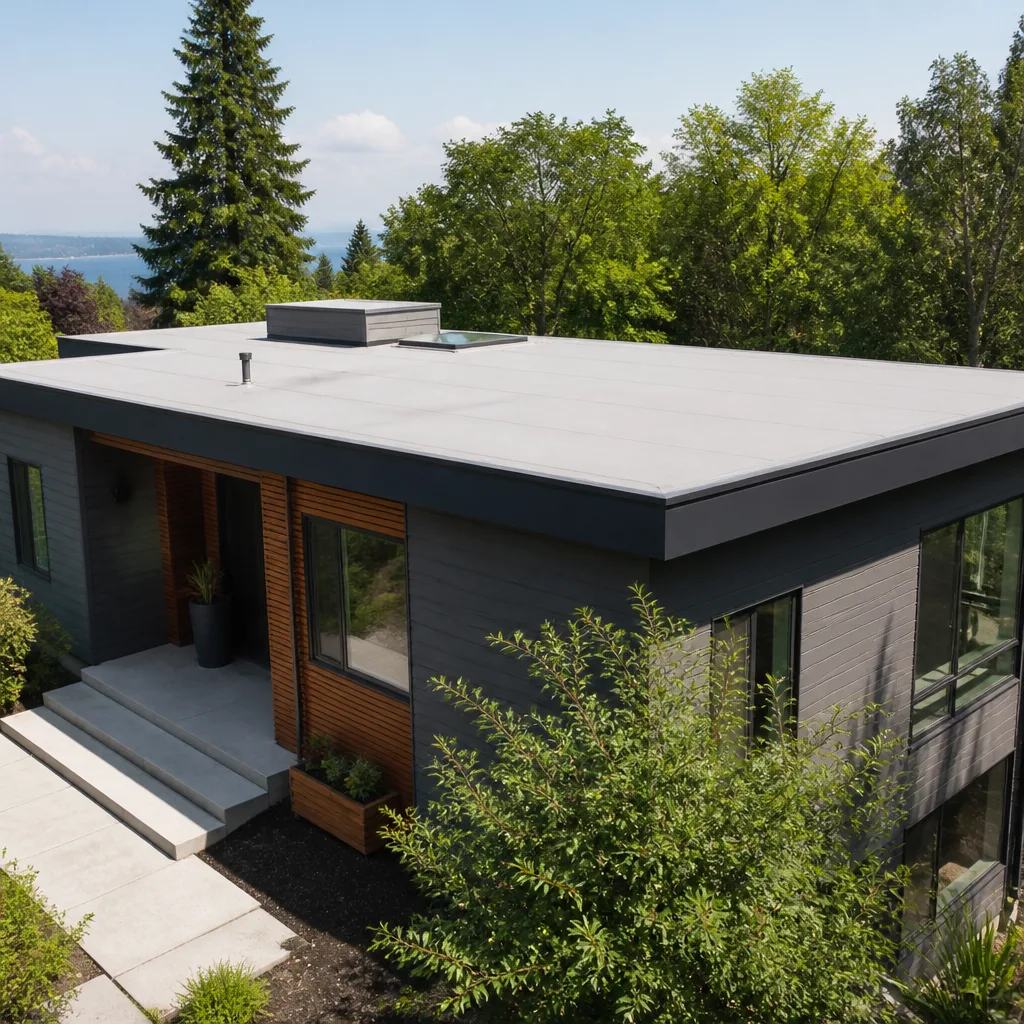 Flat & low-slope
Free roof inspection with deck photos before we talk money - GAF and Owens Corning certified installation
Roof Replacement & Installation Warning Signs Every Homeowner Should Know
Bill has re-done work behind six different contractors in the last three years alone. In every single case, the homeowner thought the job looked fine from the driveway. That’s the trap. A bad roof installation almost never announces itself from the street. The shingles look straight, the color matches, the cleanup was decent. The problems are hiding somewhere else: under the flashing, inside the attic decking, and in a thin folder of paperwork the homeowner never thought to read. In Summerlin, where afternoon winds and summer monsoon rain hammer new roofs within months of install, those hidden mistakes tend to surface fast. This guide shows you where to actually look, before and after the crew pulls away.
Quick Answer
The biggest warning signs of a bad roof installation are not on the shingles. They’re a missing permit, a warranty that was never put in writing, a license number absent from the contract, and sloppy flashing or fastening that only shows up in the first heavy rain. Check the paperwork first, then the ridge, the chimney and skylight details, and the attic after a storm. If any of those fail, you’re looking at a re-do, not a repair.
Styles & brands we work with
- Architectural shingles
- Metal roofing
- Tile roofing
- GAF
- Owens Corning
- Flat & low-slope
Table of Contents
- The Three Paperwork Red Flags Before a Nail Is Ever Driven
- What Bad Flashing Actually Looks Like Around Chimneys and Skylights
- Staples vs. Nails: The Summerlin Wind Problem
- The Ridge Cap Inspection You Can Do Yourself
- The First Heavy Rain Test: Where to Look Inside
- How to Tell a Real Local Roofer From a Storm Chaser
- What It Costs to Fix Someone Else’s Bad Install
- Common Mistakes to Avoid
The Three Paperwork Red Flags Before a Nail Is Ever Driven
Most bad roof jobs are bad before anyone climbs the ladder. The damage is decided in the office, on the contract and the permit desk. If any of these three are missing, walk. It doesn’t matter how friendly the bidder was or how good the price looked.
1. No permit pulled. A roof replacement is permitted work in Summerlin and throughout Clark County. When a roofer skips the permit, nobody inspects the decking, the underlayment or the fastening pattern. You find out years later, often when you go to sell and the buyer’s inspector asks for the sign-off. Ask for the permit number in writing. If the answer is “you don’t need one for a re-roof,” that’s your answer about the roofer.
2. No written warranty. A verbal promise to “stand behind it” is worth nothing the day the truck leaves the county. You want a written manufacturer warranty (GAF, CertainTeed, Owens Corning and Tamko all issue them when the install meets their spec) plus a written workmanship warranty from the company. If they only offer one, or neither, that roof has no paper trail.
3. No license number on the contract. The license number is the one thing you can look up in five minutes and the one thing a fly-by-night crew can’t fake for long. A roofer with a real license puts it on the estimate, the contract and often the truck. If it isn’t on the paperwork, don’t sign.
We publish our address and license number for exactly this reason. Same address since 1996. Ask the storm chasers where theirs is. If you want to see what a properly documented replacement looks like, our page on Roof Replacement & Installation in Summerlin walks through the full sequence, permits and inspections included.
What Bad Flashing Actually Looks Like Around Chimneys and Skylights
Flashing is the metal that seals the roof to anything sticking out of it: chimneys, skylights, vent pipes, wall junctions. It’s the number one place a new roof fails, and it’s the number one thing a homeowner can actually check from a ladder without touching a shingle. You’re not looking for perfection. You’re looking for these specific mistakes.
- Caulk where metal should be. Running a bead of caulk around a chimney is a shortcut, not a flashing job. Caulk cracks in one or two summers of Summerlin heat, and that’s when the leak starts. Proper step flashing is layered under each shingle course with a counter-flashing cut into the masonry.
- Flashing nailed through the face. Fasteners should never punch through the flat, exposed part of the metal. Every nail hole is a future leak. Look for nail heads sitting proud on the exposed face of a chimney flashing or skylight curb.
- Skylight curb gaps. The metal collar around a skylight should sit tight against the curb on all four sides with no daylight and no gap. Rust streaks already showing on a roof that’s a year old means water is sitting where it shouldn’t.
- Missing kick-out at walls. Where a roof meets a sidewall, a small kick-out flashing should divert water into the gutter. Without it, water runs down the wall and rots the siding or stucco. It’s a two-dollar piece of metal that gets skipped constantly.
- Sealant smeared everywhere. A little sealant at a termination is normal. Sealant glopped across a whole flashing detail is a roofer covering for a bad fit. If you can see a thick grey or black smear from the ladder, ask questions.
If any of that sounds like your roof right now, don’t wait for the ceiling to stain. Our Roof Repair in Summerlin page covers what a flashing repair involves and how quick the fix usually is when it’s caught early.
Staples vs. Nails: The Summerlin Wind Problem
This one matters more here than in most of the country. Roofers used to staple shingles down, and staples still show up on cheap jobs because they’re faster. Staples have roughly half the holding power of a proper roofing nail, and in Summerlin’s spring and summer wind, half the holding power is the difference between a roof that stays put and one that peels back at the first 60-mph gust.
Here’s the part most guides skip: you can often tell which was used after the fact, without tearing anything apart.
- Look at the exposed nail heads on the ridge and hips. A shank nail has a round head about the size of a pencil eraser. A staple leaves a thin rectangular pair of holes with a tiny bridge of shingle between them. On a hot day, look along the ridge line at a low angle. The pattern tells you.
- Check the attic side of the deck. Where the fasteners poke through the roof sheathing into the attic, you’ll see either round nail points or the bent legs of staples. Grab a flashlight after dark when the attic is cool. This is the most honest test there is.
- Ask for the install spec. A GAF or CertainTeed wind warranty depends on the nailing pattern and the number of nails per shingle, usually six in high-wind zones. The nailing pattern earns the wind rating, not the shingle wrapper. If the roofer can’t tell you the pattern in writing, they didn’t follow one.
If staples are what you find, the fix isn’t a full re-roof in every case, but the loose fields need to be addressed before the next wind season. That’s the kind of thing a free second opinion on any written estimate will surface fast, and it beats finding out the hard way in July.
The Ridge Cap Inspection You Can Do Yourself
Here’s the fastest quality check on the whole roof, and you don’t need a ladder for most of it. The ridge is the peak line where the two roof planes meet, and it’s capped with special shingles or, on metal roofs, a ridge cap. A straight, tight ridge is a good sign. A sloppy one tells you the crew rushed everything else too.
Stand at the end of the driveway or across the street and look up the roofline. What you want:
- A straight line. The ridge should run true from end to end with no sag, dip or wobble.
- Tight caps with no gaps. Each ridge shingle should overlap the last with no daylight showing through and no lifting edges.
- Nail heads driven flush, not sunk. A nail driven too deep cuts through the shingle and creates a leak point. A nail left proud can catch wind. Flush is right.
- No exposed underlayment or bare deck peeking out at the ends of the ridge.
If the ridge looks crooked or the caps are lifting after only a season, the rest of the roof deserves a closer look. A tight ridge is the mark of a crew that cared. Our Metal Roofing in Summerlin page shows how the ridge detail works on a standing-seam roof, which has its own set of checks and its own warranty spec from makers like Boral.
The First Heavy Rain Test: Where to Look Inside
The first monsoon storm after a new roof is the real inspection. That’s when the flashing and the fastening either held or didn’t. If water shows up inside, here’s exactly where to look first, in order.
- The chimney or skylight. Nine times out of ten a new-roof leak traces back to a penetration. A stain on the ceiling near a chimney chase or a skylight well is your first suspect. Look up at the flashing from the attic if you can safely.
- The valley. Where two roof planes meet and the water concentrates, the valley should be lined with a proper valley metal or a woven shingle pattern. A leak along a valley usually means the underlayment or the valley metal was cut short.
- Around vent pipes and the attic fan. Boot seals around plumbing vents crack, and a crew that reused old boots on a new roof is asking for it. Check for staining in a ring around each penetration.
- The ridge and the eaves. Water blowing under a ridge cap or backing up at an eave (especially if the ice-and-water shield was skipped) shows as staining along those lines.
- The attic decking. Before you even look at the ceiling, walk the attic on a dry day and look for water stains, dark streaks or sagging in the sheathing. That’s evidence the leak has been running longer than the ceiling stain suggests.
If the first big rain after install finds a leak inside, call the installer first and fast. If they’ve already left town, we answer the phone 24/7, including nights and weekends after a storm, and a live person picks up. A first-rain leak on a fresh roof is usually a small flashing fix, not a full re-do, if it’s caught before the decking soaks through.
How to Tell a Real Local Roofer From a Storm Chaser
After every major hailstorm or wind event, out-of-state crews roll through Summerlin and the surrounding counties. They knock doors, quote a price, collect a deposit, and are gone within weeks. By the time you notice the leak, the number is disconnected. The signals are not subtle once you know them.
- A real local roofer has a physical address you can drive past. It’s the same address year after year, not a P.O. box or a rental unit that changes once the season ends.
- They answer their own phone. Not a call center, not voicemail after hours. When we say a live person answers 24/7, that’s how you know who’s on the other end when the roof is leaking at 9 p.m.
- They’ll give you a written line-item estimate before you sign anything. No pressure, no “today only” pricing, no deposit taken at the kitchen table.
- They pull the permit and put their license number on the contract. Storm chasers don’t, because they aren’t planning to be around for the inspection.
- They back the work in writing. Every job we do carries the 90-Day Done Right Promise in writing, and one call brings Bill back if something isn’t right.
If you want to check a bidder, ask a neighbor on your street who they used and whether they’d use them again. The name on the truck is the name on the license. Locally owned and owner-operated, with the same address since 1996, is a fact you can verify. Head back to our Shepherd & Sons Roofing Summerlin home page if you want the full picture of what we do and how we document it.
What It Costs to Fix Someone Else’s Bad Install
Fixing a bad installation is almost always more expensive than doing it right the first time, and the reason is the hidden damage. Re-doing flashing is cheap. Replacing rotted decking under a leak that ran for two years is not. Here’s the rough line-item reality, so you can price a repair or a re-do before anyone touches the roof.
- Flashing re-do around a chimney or skylight: the smallest common fix, done as a targeted repair when the surrounding shingles are still good.
- Stapled or undernailed fields: often requires pulling and re-fastening affected sections, plus a re-inspection of the whole roof for the same problem.
- Rotted decking replacement: priced per sheet of sheathing, and the cost climbs with every additional layer of rot the leak fed.
- Full tear-off and re-install: the worst case, and the reason we always recommend a free second opinion on any written estimate before you commit to someone else’s work.
For exact numbers on a repair where you live, our Roof Repair in Summerlin page breaks down what each job involves. The short version: catch it early, and a bad install costs a fraction of what it costs a year later.
Common Mistakes to Avoid
- Judging a roof from the driveway only. The shingles are the least informative part of a new roof. The flashing, the nail pattern and the attic decking are where the truth is, and none of them show from the curb.
- Signing without a permit number. In Summerlin and across Clark County, a skipped permit means no inspection and no paper trail at resale. Always get the permit number in writing before work starts.
- Accepting a verbal warranty. A manufacturer warranty only applies when the install meets the maker’s spec, and a workmanship promise only matters if it’s on paper. Get both, in writing, on the contract.
- Assuming the cheapest bid is the same job. It’s not. A low bid often skips the ice-and-water shield, reuses old vent boots, or nails with staples. Ask every bidder how many squares they counted and what fasteners and underlayment they’re using.
- Paying a deposit to a crew with no local address. A storm chaser with a P.O. box and a rental truck can collect a deposit and be three counties away by the weekend. Pay a company you can drive past.
- Waiting for the ceiling to stain before you act. By the time water shows inside, the leak has been running behind the drywall for a while. After the first heavy rain, check the attic for stains, not just the ceiling.
- Letting a neighbor’s “great deal” roofer go uninspected. Even a good recommendation deserves a second look at the paperwork and the ridge line. We’ll take a free second opinion on any written estimate, including one from your neighbor’s guy.
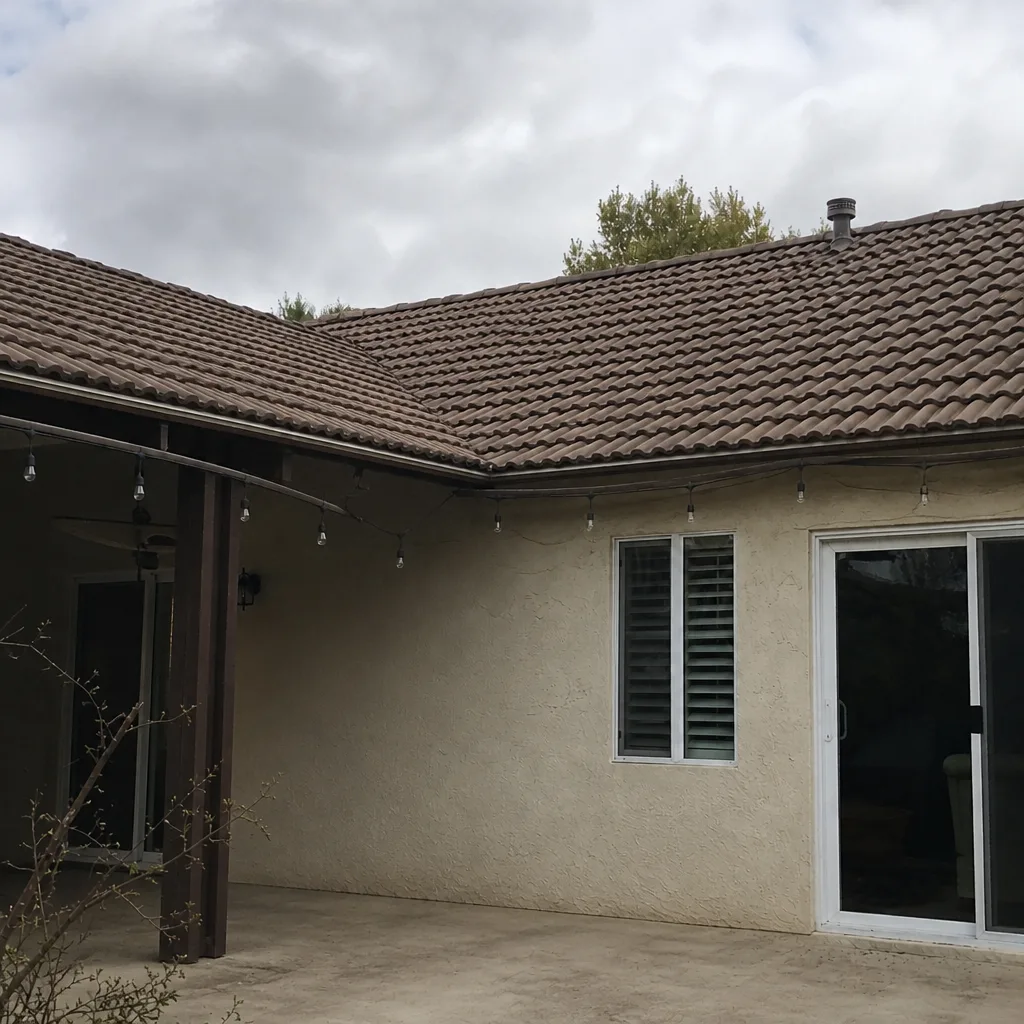
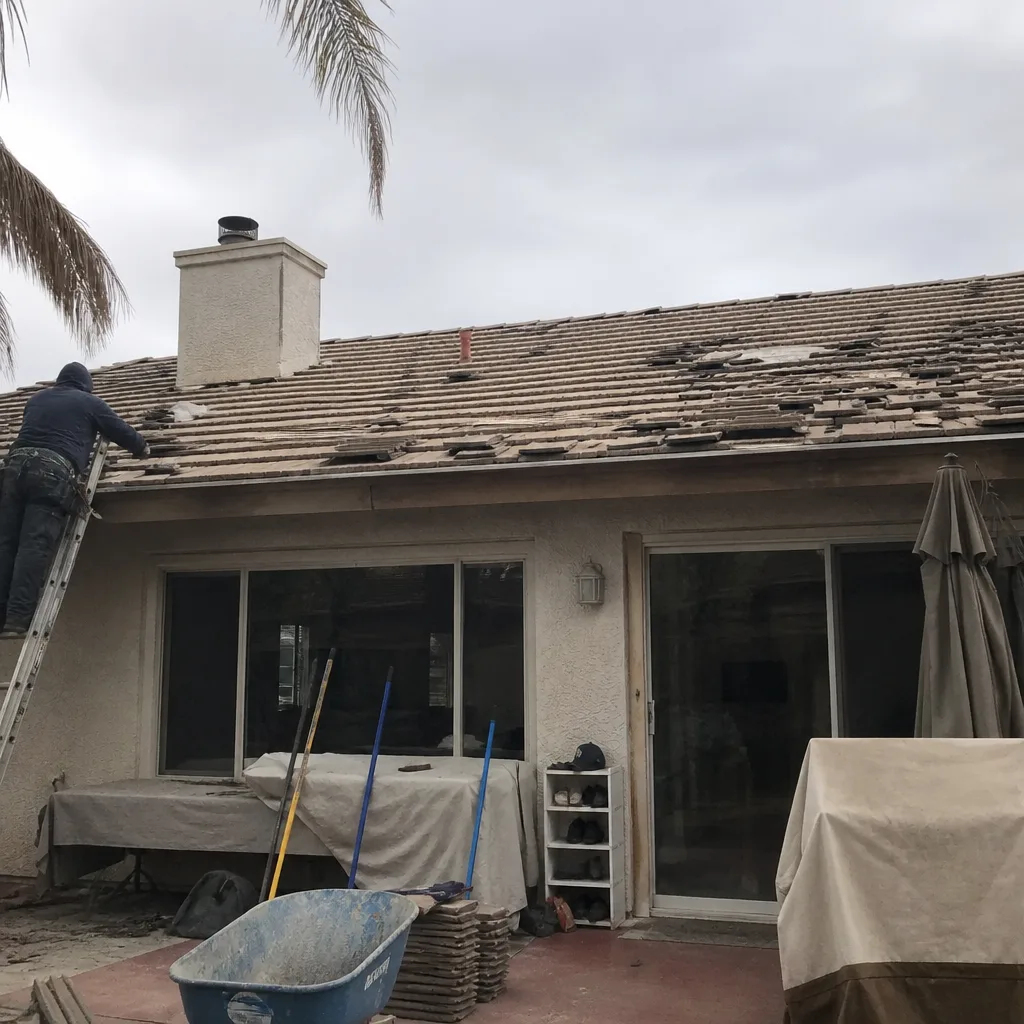
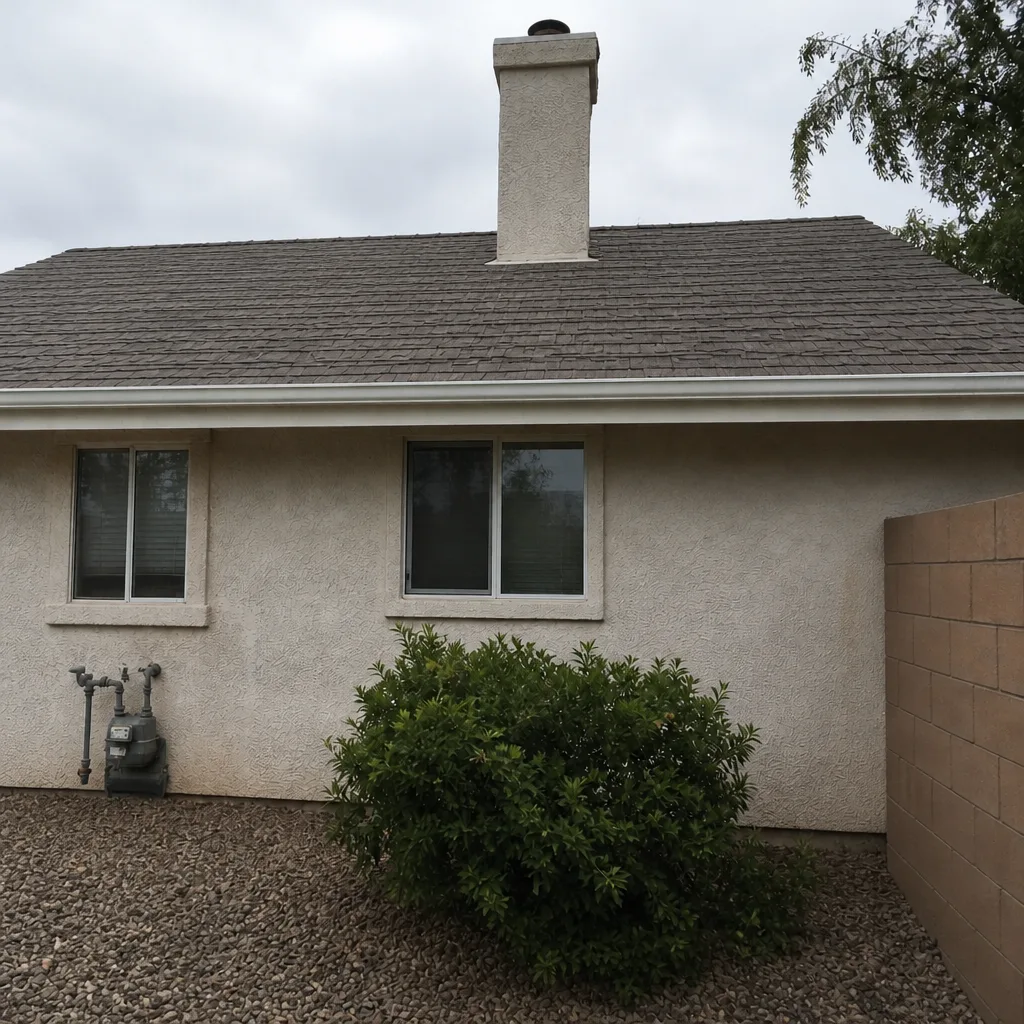
See the difference
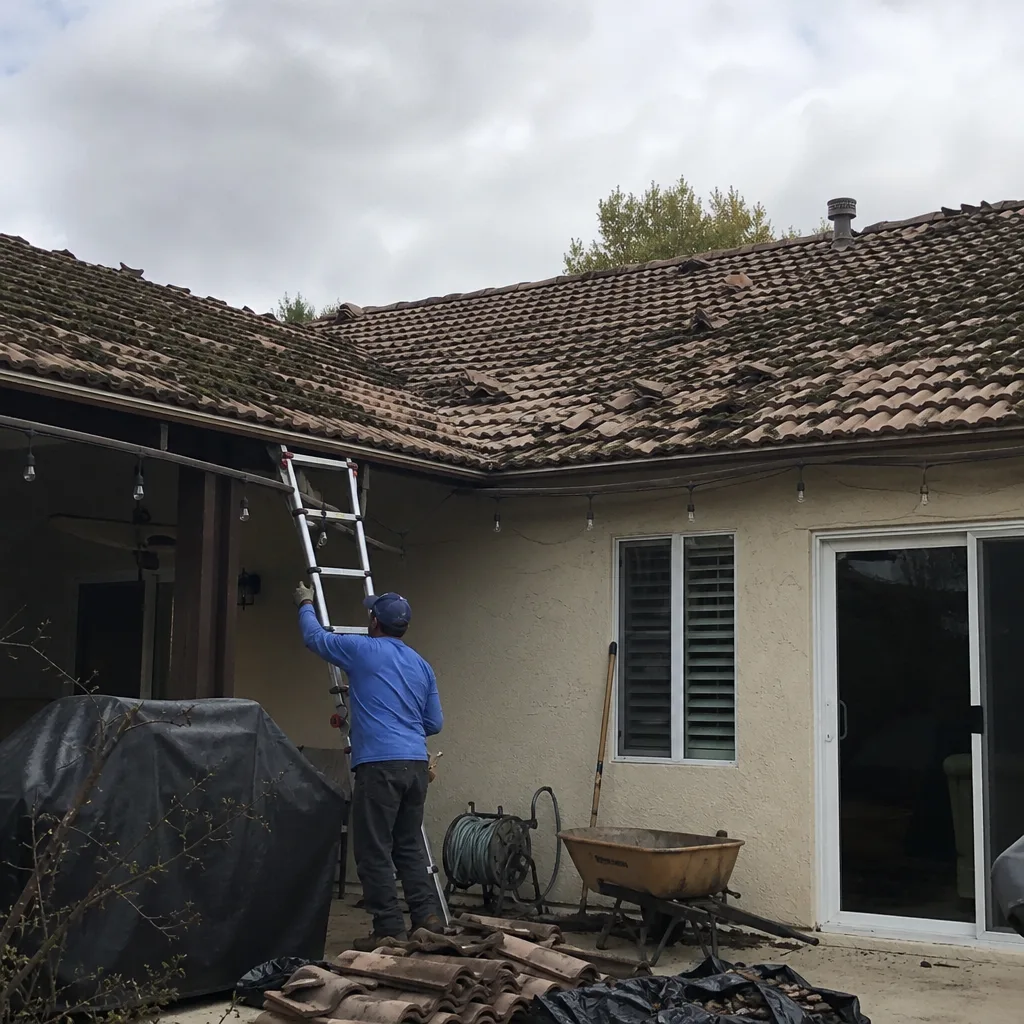 Before
 After
 Before
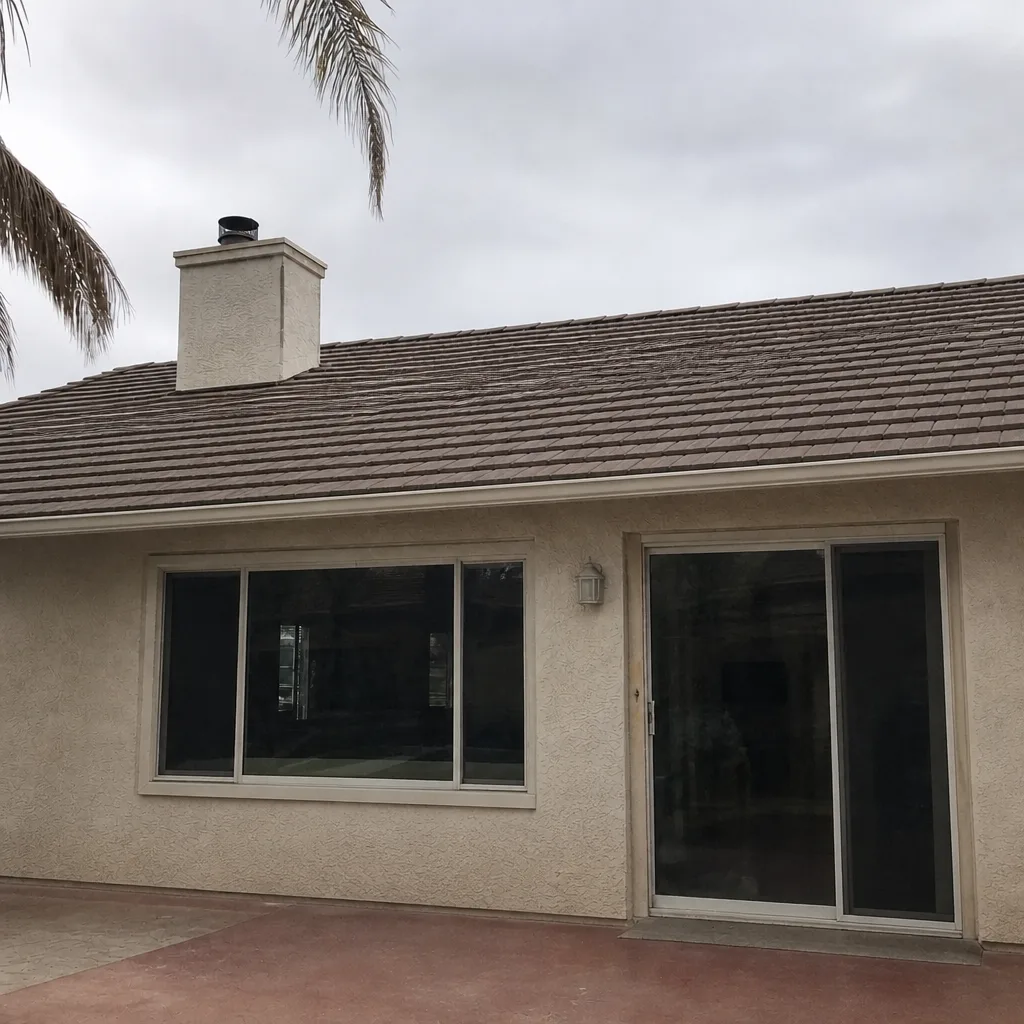 After
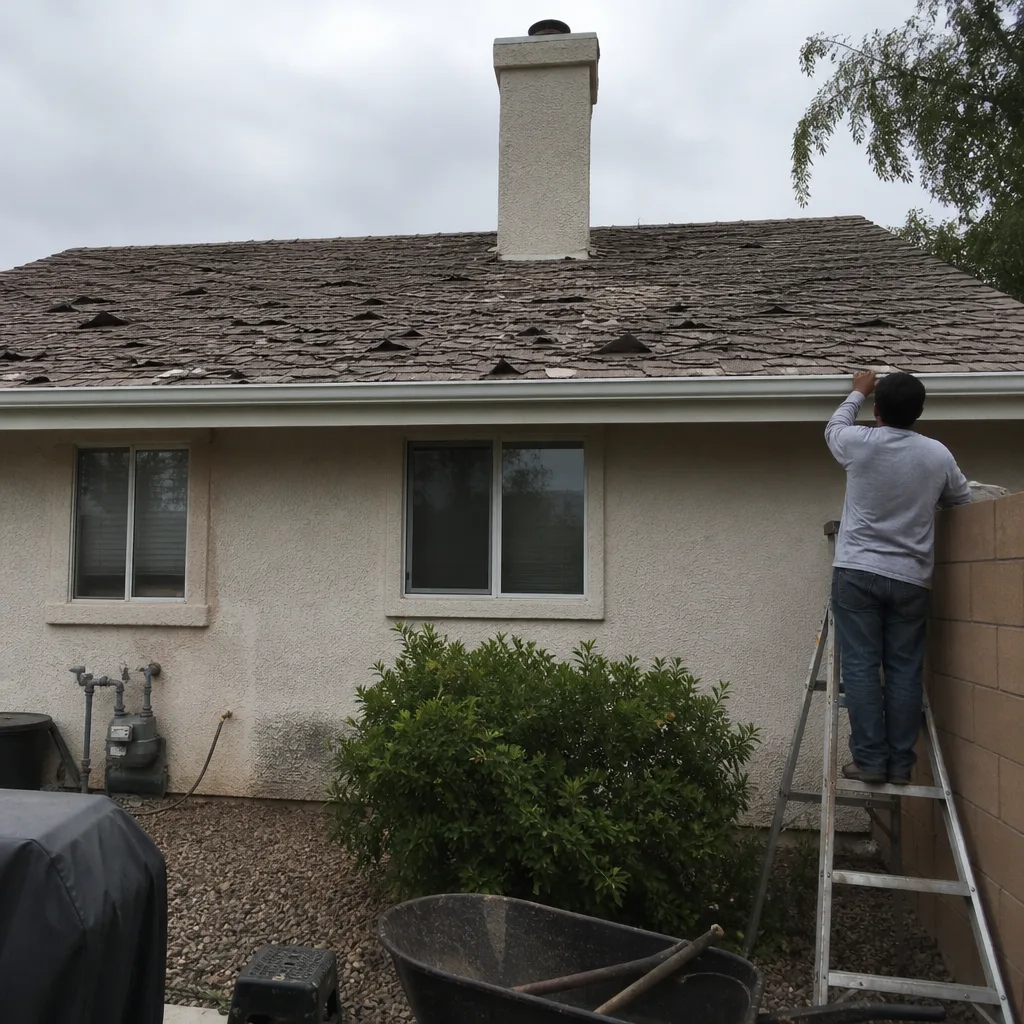 Before
 After
When to Call a Professional
Some of this guide you can check yourself: the ridge line, the paperwork, the stain on the ceiling. But the moment anything involves getting on a steep roof, climbing around a chimney, or cutting into flashing, stop and call a professional. Roofs are the most dangerous place on a home for a homeowner to be, a fall from a Summerlin two-story is a serious injury, and a bad flashing repair done by hand is worse than no repair at all. Call us if the first heavy rain found a leak inside, if your attic shows staining or soft decking, if you can spot caulk or exposed nail heads on a chimney or skylight, if a contractor you already hired won’t produce a permit or a written warranty, or if a storm chaser left work behind and you can’t get them back. Shepherd & Sons Roofing Summerlin offers free estimates in Summerlin. Call (844) 951-4545, a live person answers 24/7, and we’ll look at the roof and the paperwork before we talk money.
Frequently Asked Questions
The first signs are usually paperwork, not shingles: no permit pulled, no written warranty, and no license number on the contract. After installation, the first visible signs are caulk around a chimney or skylight where metal flashing should be, exposed nail heads, a wobbly ridge line, and water stains in the attic after the first heavy rain. Check the paperwork before work starts and the attic after the first real storm. Call (844) 951-4545 for a free second opinion if any of those turn up.
Look at the fastener points in the attic where they poke through the decking: staples leave bent, thin legs, and roofing nails leave round points. You can also look along the ridge line on a hot day, where round heads are nails and thin paired holes are staples. If staples were used in Summerlin’s wind zone, the affected areas should be re-fastened before the next wind season. Call (844) 951-4545 for an inspection and we’ll tell you honestly whether it needs a full re-do or a targeted fix.
Yes. A full roof replacement is permitted work in Summerlin and throughout Clark County, and a legitimate roofer pulls the permit before work starts. If your contractor says a re-roof doesn’t need a permit, that’s a red flag, not a discount. Ask for the permit number in writing and keep it with your contract. Call (844) 951-4545 if you want a straight answer on what your job requires.
Improper chimney flashing usually shows as a smear of caulk or sealant where stepped metal flashing should be, or as nail heads punched through the exposed face of the flashing. You may also see gaps at the base of the chimney where the metal should tuck into the masonry. Proper flashing is layered under each shingle course with a counter-flashing cut into the brick or stone. If yours looks smeared or gapped, call (844) 951-4545 for a free look before the next rain.
No. A properly installed roof shouldn’t leak in its first rain, and a leak that shows up that fast points straight at the flashing or fastening. Check the chimney, the skylight, the valleys and the vent pipes first, then look at the attic decking for staining. Call (844) 951-4545, a live person answers 24/7, including nights and weekends after a storm.
A real local roofer has a physical address you can drive past, answers their own phone, pulls the permit, puts a license number on the contract, and backs the work with a written warranty. A storm chaser has a P.O. box, a rental truck and a price that’s too good to be true. Ask a neighbor on your street who they used, then check the address and the license yourself. Call (844) 951-4545 if you want a free second opinion on any written estimate.
The Bottom Line
A bad roof installation is almost never a shingle problem. It’s a paperwork problem, a flashing problem, or a nailing problem, and all three are checkable before the crew pulls away. Ask for the permit number, the written warranty and the license number before anyone drives a nail. Look at the ridge line and the chimney details yourself. Walk the attic after the first heavy rain. And if a bid or a contractor feels off, get a free second opinion before you sign. In Summerlin, where the wind and the monsoon test every new roof within a season, those checks are the difference between a roof that lasts and one you re-do.
Call Shepherd & Sons Roofing Summerlin at (844) 951-4545 for a free estimate. A live person answers 24/7, we’ll look at the roof and the paperwork before we talk money, and every job carries our written 90-Day Done Right Promise.
Written by the team at Shepherd & Sons Roofing Summerlin.