
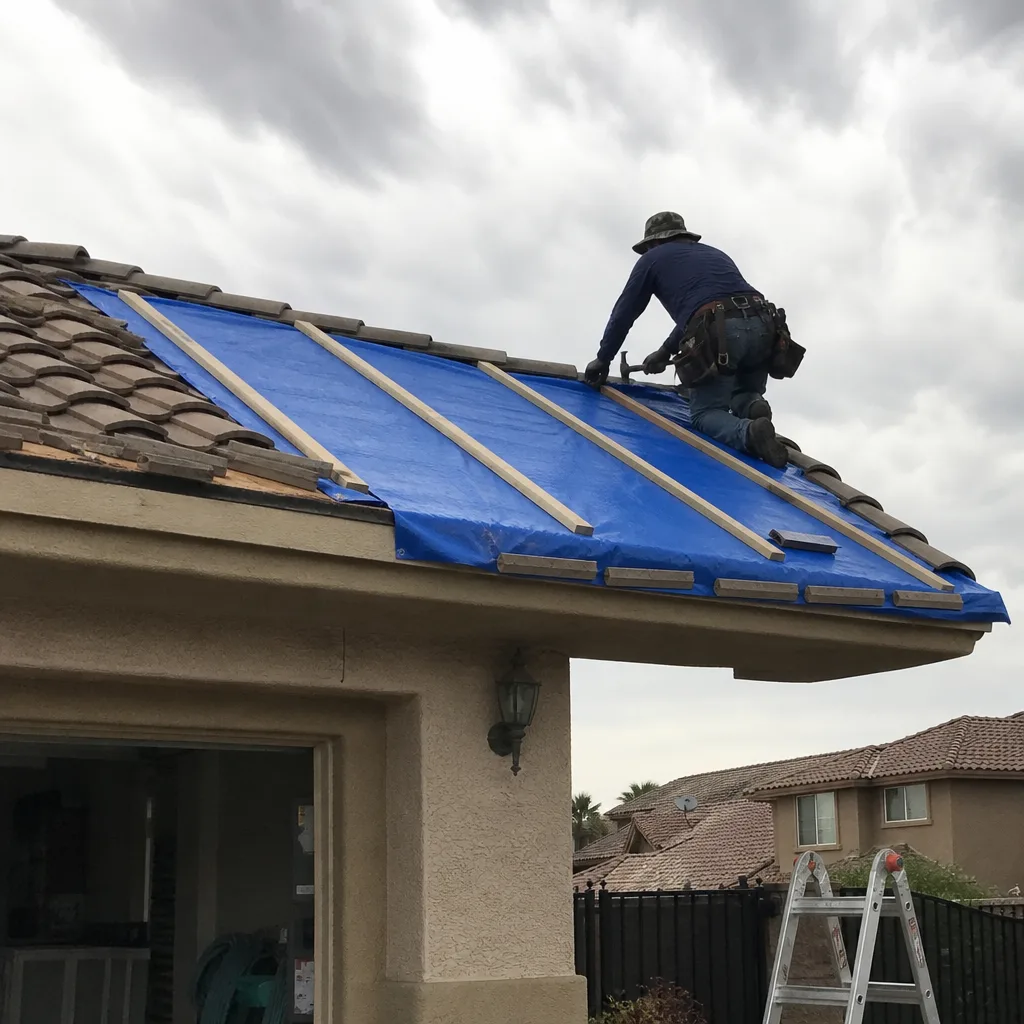
Last updated November 18, 2026
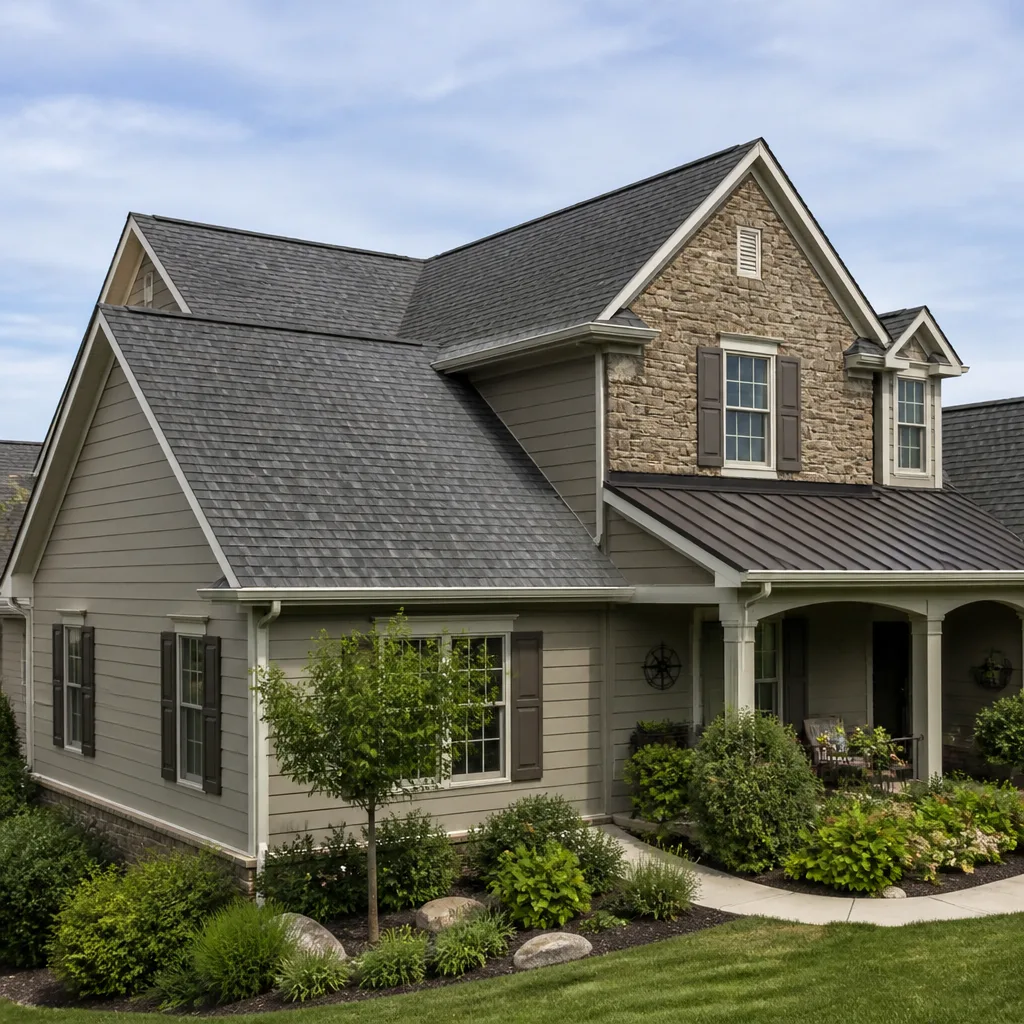
 Architectural shingles
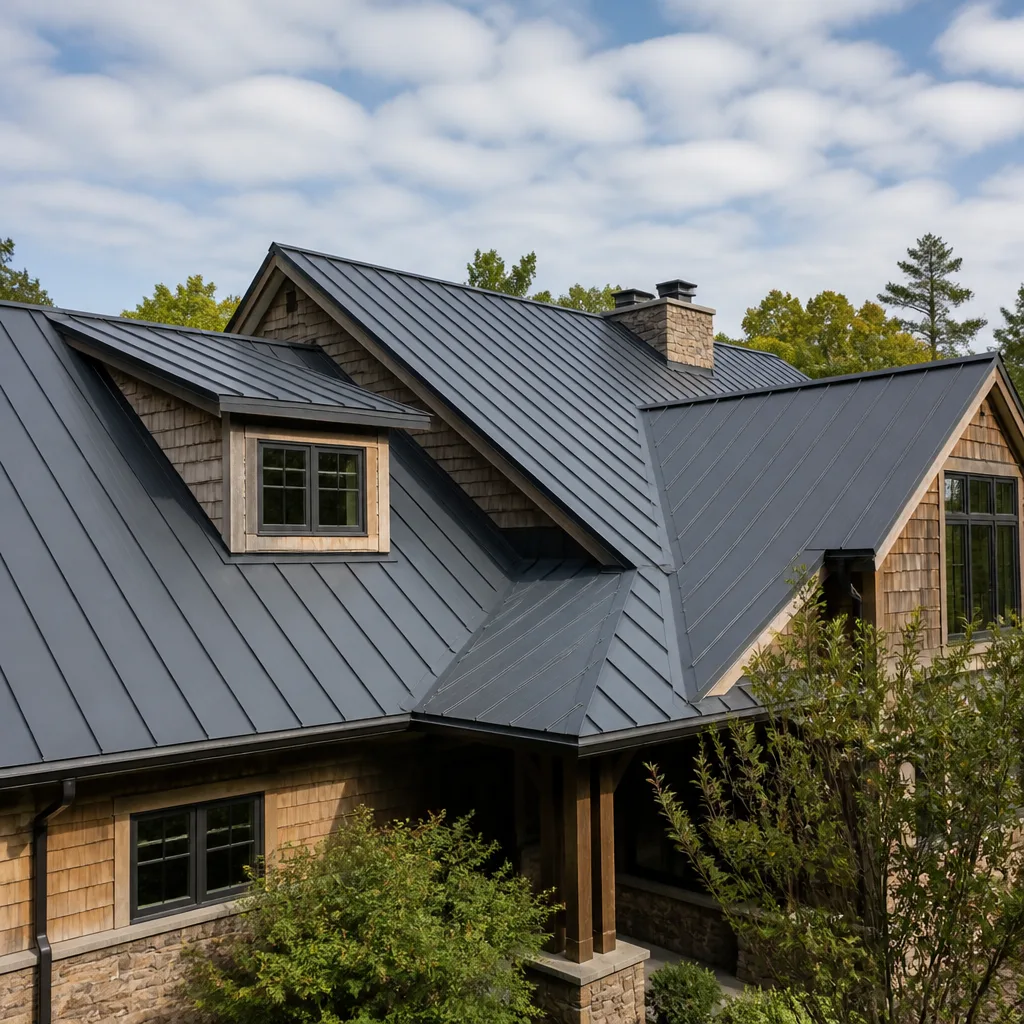 Metal roofing
 Tile roofing
 GAF
 Owens Corning
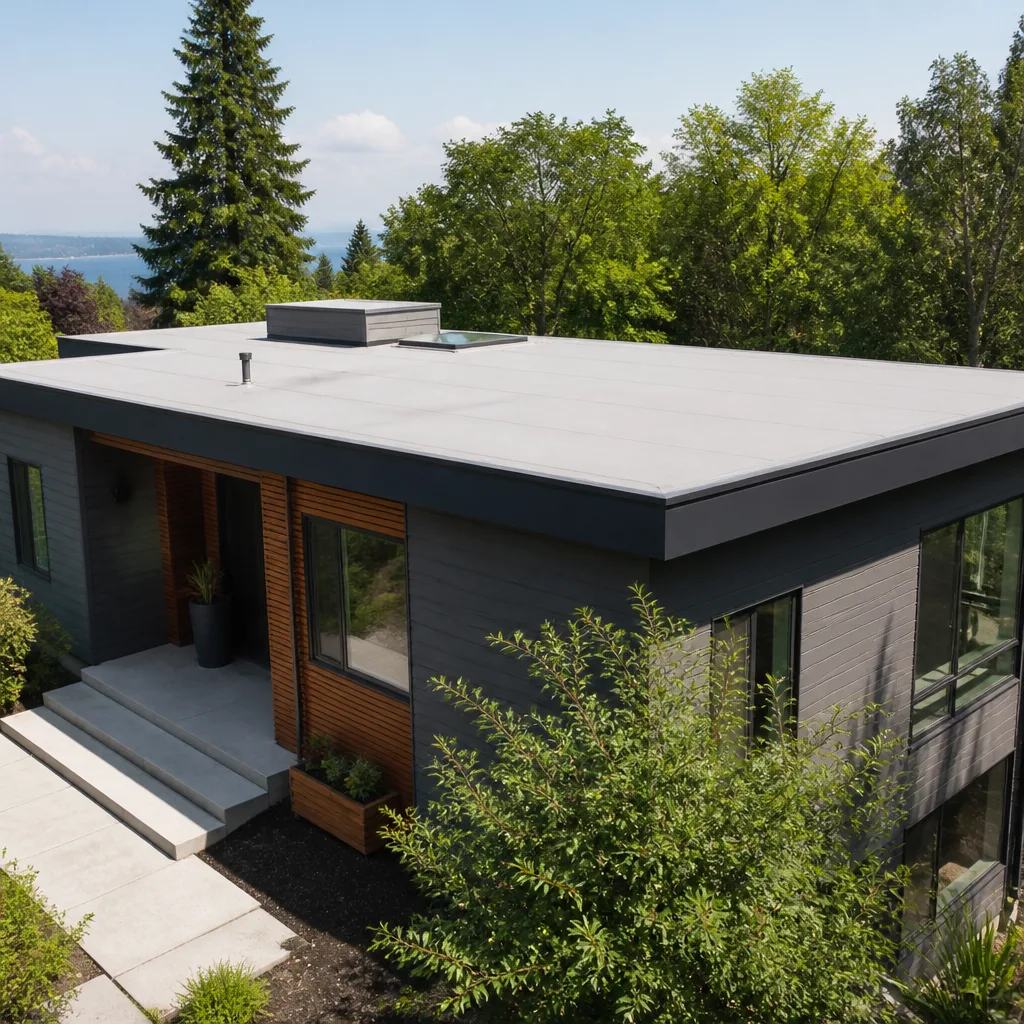 Flat & low-slope
Free roof inspection with deck photos before we talk money - GAF and Owens Corning certified installation
Roof Replacement & Installation Maintenance Schedule: What to Do and When
Manufacturer warranties on roofing materials commonly run 30 years. Workmanship warranties from most contractors run 1 to 2 years. The maintenance you do, and document, in that overlap window is what determines whether a future claim gets paid. Most homeowners treat a new roof like a closed chapter; they shouldn’t. A Summerlin roof lives through 100-plus degree summers, monsoon rain, and months of unrelenting sun, and the first 12 months after installation are when installation defects reveal themselves and when your window to hold the contractor accountable is still open. This guide is the maintenance schedule we’d hand a neighbor.
Quick Answer
After a roof replacement, do a visual walk at 30 days, keep a photo log and register your warranty cards in year one, check flashing and caulk every 5 years (or sooner in Summerlin’s heat), and treat every post-install issue in the first 12 months as a call-the-contractor matter, not a wait-and-see. The first year matters more than year five because that’s when installation flaws show up and when your workmanship window is still open.
Styles & brands we work with
- Architectural shingles
- Metal roofing
- Tile roofing
- GAF
- Owens Corning
- Flat & low-slope
Table of Contents
- The 30-Day Post-Installation Walk: What to Check Before the First Monsoon
- Year One: The Documentation Habit That Saves Your Warranty
- How Maintenance Differs: Concrete Tile, TPO Flat, and Architectural Shingle in the Desert
- The 5-Year Re-Caulk and Flashing Check: Highest-ROI Task on Any Summerlin Roof
- Workmanship vs. Material Warranty vs. Homeowner Negligence
- Seasonal Calendar for a Summerlin Roof
- A Print-and-Keep Maintenance Schedule
The 30-Day Post-Installation Walk: What to Check Before the First Monsoon
The 30-day walk is the single most important inspection a new roof gets, and almost nobody does it. By day 30, materials have expanded and contracted through several full heat cycles, fasteners have seated, and anything installed wrong has usually started to show. In Summerlin, that means you want this done before the summer monsoon pattern arrives in July and August. Here’s what to look at, from the ground first:
- Walk the perimeter and look up. Look for lifted shingle tabs (architectural shingle), displaced tile, and any visible sag along the ridgeline. Don’t get on the roof yourself after installation unless you’re certain the contractor finished and secured everything.
- Check the gutters and downspouts. New roofs shed a wave of granule loss and small debris in the first month. Clogged downspouts back water up under the eave, and that’s a leak that looks like a roofing problem but started as a drainage problem.
- Look at the attic from inside. If you can safely get into the attic, shine a light along the underside of the deck. Any daylight, staining, or damp spots need a call to the contractor, not a wait-and-see.
- Inspect the flashing at every penetration. Chimneys, vents, skylights, and the wall-to-roof transitions are where water gets in. Look for metal sitting flat and sealed, not popped up.
Any issue you find in the first 30 days is unambiguously the installer’s problem. That window is why we tell folks to do the walk early. It’s a hard-nosed reason, not a friendly one.
Year One: The Documentation Habit That Saves Your Warranty
You got a new roof. The contractor handed you a folder. That folder is worth more than most homeowners realize, and half of them lose it. The year-one documentation habit is simple, and it’s what wins claims later.
- Photograph everything. Take wide shots from the street on each side and close shots of the flashing, vents, and ridge. Do it on day one and again at month 12. Date the photos.
- Register the warranty cards. GAF, CertainTeed, Owens Corning, and IKO all have manufacturer registration processes, and some have deadlines (often 30 to 60 days after install). Miss it and your material coverage can drop to the base terms.
- Store the invoice, work order, and warranty packet together. Not in your phone. In a physical folder with the closing documents or in a shared cloud folder you’ll actually find. When you sell the house, that folder is a selling point.
- Keep a maintenance log. One page. Date, what you did, what you saw. When you call for a service later, that log gets you a faster, smarter answer.
We’ve seen more material warranty claims denied for missing purchase documentation than for actual wear. Paperwork is boring. It’s also cheaper than a new roof.
How Maintenance Differs: Concrete Tile, TPO Flat, and Architectural Shingle in the Desert
Summerlin roofs are not one thing. You’ll find concrete tile on most of the custom and semi-custom homes, TPO on the low-slope sections of newer builds, and architectural shingle under many of the tract homes in the surrounding neighborhoods. Each one wants different care.
- Concrete tile: Tough against UV and hail, but the tiles crack and shift with soil movement and thermal cycling. Check for cracked or slipped tiles after any wind event and re-seat loose ones before the next rain. Boral and similar tile products hold up well; the weak point is the underlayment and the fasteners, not the tile itself.
- TPO flat sections: Seams and terminations are where the water gets in. Look for bubbling, ponding water that stays more than 48 hours, and any lifting at the field seams. Desert heat is hard on seam adhesive.
- Architectural shingle: Granule loss is normal in the first months. Widespread bald patches are not. Check the ridge and hips for wind creasing after a gusty spring. IKO, Atlas, and Tamko all make solid architectural lines; the nailing pattern and the installer’s care matter more than the wrapper.
Knowing which roof you have, and which failure mode is most likely on it, is half the maintenance schedule in Summerlin.
The 5-Year Re-Caulk and Flashing Check: Highest-ROI Maintenance on Any Summerlin Roof
If you do one thing on a five-year cadence, do this. Flashing and caulk joints are the most common source of leaks on any roof, and they fail faster in Summerlin because the sun bakes sealant until it cracks. A $300 to $600 flashing check and re-caulk beats a $3,000 ceiling repair every time. Here’s the sequence:
- Inspect every metal-to-roof transition. Chimneys, vent boots, skylights, and where the roof meets a wall.
- Check the caulk at each. Look for cracked, lifted, or chalky sealant. That’s the tell it’s aged out.
- Remove and replace, don’t pile on. The right fix is to strip old caulk back to clean surface and lay a fresh bead, not to smear a second layer over a failed first one.
- Re-check the boot at any plumbing vent. Rubber boots dry-rot in desert sun faster than people expect.
If you’re not comfortable on a ladder or a sloped roof, this is a call-a-roofer job, not a homeowner job. Anyone past a certain age, or on a single-story with a low-slope section, should let a professional do the ladder work. Sherpherd & Sons Roofing Summerlin is happy to take a look; Roof Repair in Summerlin is exactly this kind of job.
Workmanship vs. Material Warranty vs. Homeowner Negligence
Before you call, know which bucket your problem falls in. It determines who pays, and it determines how fast the fix happens.
- Workmanship warranty: Covers installation error. Lifted shingles, misplaced fasteners, improper flashing, or a leak at a seam. This is the contractor’s responsibility, and the window is usually short (often 1 to 2 years). Call promptly and in writing.
- Material warranty: Covers the product itself. Premature granule loss beyond normal, manufacturing defects in tile or membrane, or shingle failure. This runs through the manufacturer and is longer (often 20 to 30 years on the product). You’ll need the paperwork.
- Homeowner negligence: Covers nothing, because it isn’t covered. Clogged gutters that back water under the eave, debris left on the roof that traps moisture, or damage from a tree limb you didn’t trim. Fix it and move on; the claim won’t stick.
Most disputes happen because a homeowner can’t tell which category the problem belongs to. The photo log and the invoice settle that quickly.
Seasonal Calendar for a Summerlin Roof
Summerlin weather runs on a cycle that’s worth respecting. Here’s how we plan maintenance through a year.
- Spring (March to May): Pre-monsoon inspection. Check flashing, sealant, and gutters. This is when you want any repair done, before the rain.
- Summer (June to September): Monsoon season. Watch for leaks after every storm, especially at the wall-to-roof transition and around skylights. Don’t put a ladder up on a wet roof; call us instead.
- Fall (October to November): Post-monsoon check. Clear debris from valleys and gutters. Re-seat any wind-lifted tile or shingle.
- Winter (December to February): Cooler, drier, and the easiest window to schedule restoration work. If a Summerlin roof needs caulk or flashing work, this is a comfortable time for it.
The other thing that earns a plan here is the wind. Spring gusts in the west valley can lift a loosened tile or crease a shingle, and the damage is invisible from the driveway.
A Print-and-Keep Maintenance Schedule
Here’s the whole schedule on one page. Post it in the garage.
- Day 1 after install: Take photos. Register warranty cards. Put the invoice and packet in a folder.
- Day 30: Perimeter walk, attic check from inside, gutter and downspout check, flashing inspection. Call the contractor with any issue.
- Month 12: Second full photo set. Any leaks or changes are a warranty matter; call before the window closes.
- Year 3: Quick visual from the ground after any major wind event. Look for lifted shingles or slipped tiles.
- Year 5: Professional flashing and caulk check. Re-caulk any failed joints. This is the high-ROI one.
- Every 2 to 3 years thereafter: Repeat the flashing check. In Summerlin, sun bakes sealant faster than most places.
- After every storm: Look from the ground and inside the attic. Call if anything changed.
That’s the schedule. One page, seven lines. If you want a second set of eyes on any of it, we’ll come out. Call Roof Replacement & Installation in Summerlin for a free estimate or second opinion.
Common Mistakes to Avoid
- Skipping the 30-day walk. Most people wait until they see a stain on the ceiling. By then, the water path is already set. Do the walk at 30 days while the workmanship warranty is wide open.
- Losing the warranty packet. No invoice, no claim. Store it with your closing documents and take photos of the packet on day one.
- Caulking over failed caulk. Piling a new bead on a cracked old one traps moisture and makes the next repair bigger. Remove, clean, reapply.
- Leaving debris on the roof. Desert winds blow tree limbs and dust into valleys. Trapped debris holds moisture and shortens shingle and tile life.
- Assuming workmanship warranty lasts as long as the material warranty. It doesn’t. Get the actual term in writing on the day of install.
- Calling a general handyman for flashing. Flashing failures look like roof failures and want a roofer who sets sheet metal, not just sealant. Use Metal Roofing in Summerlin or Roof Repair in Summerlin for the real fix.
- Ignoring a wind event on a shingle roof. A single lifted tab in a Spring gust can let water under the field. Walk the roofline from the ground after any big wind.
See the difference
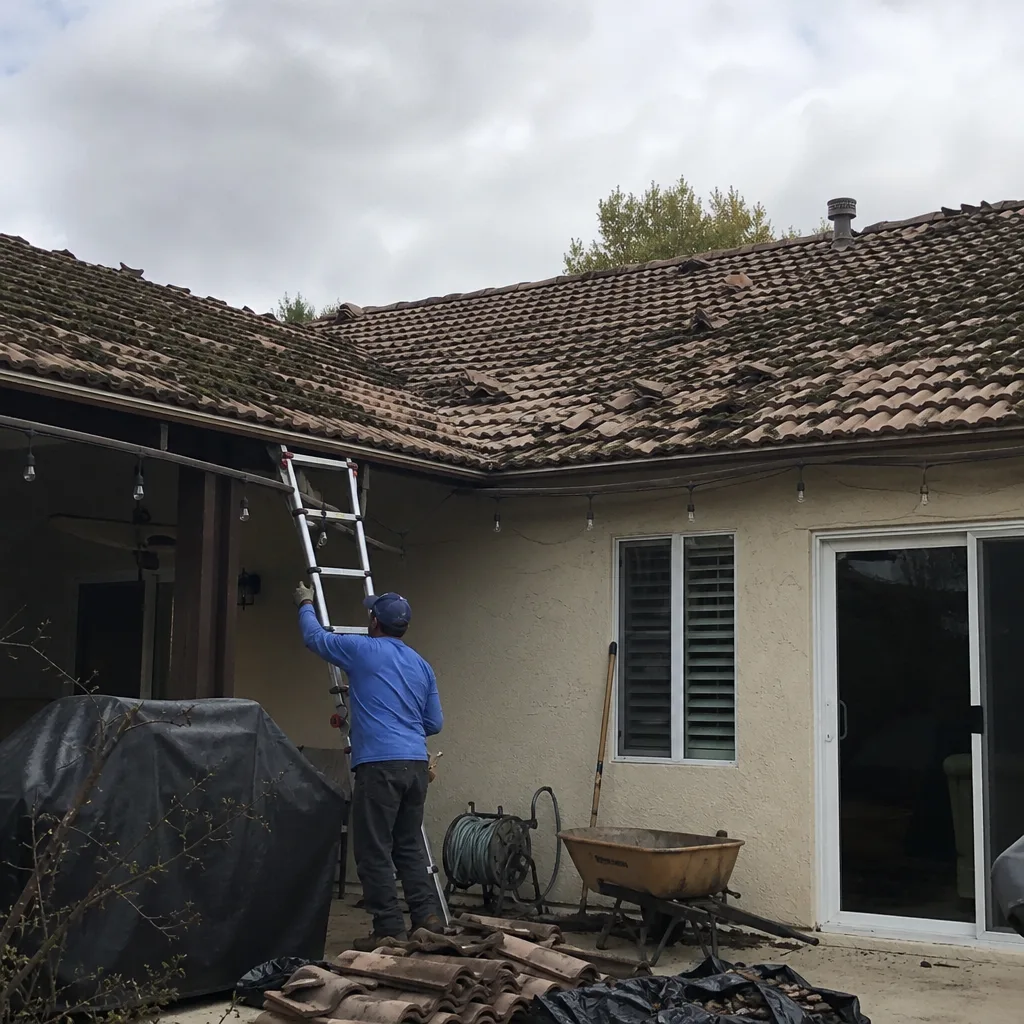 Before
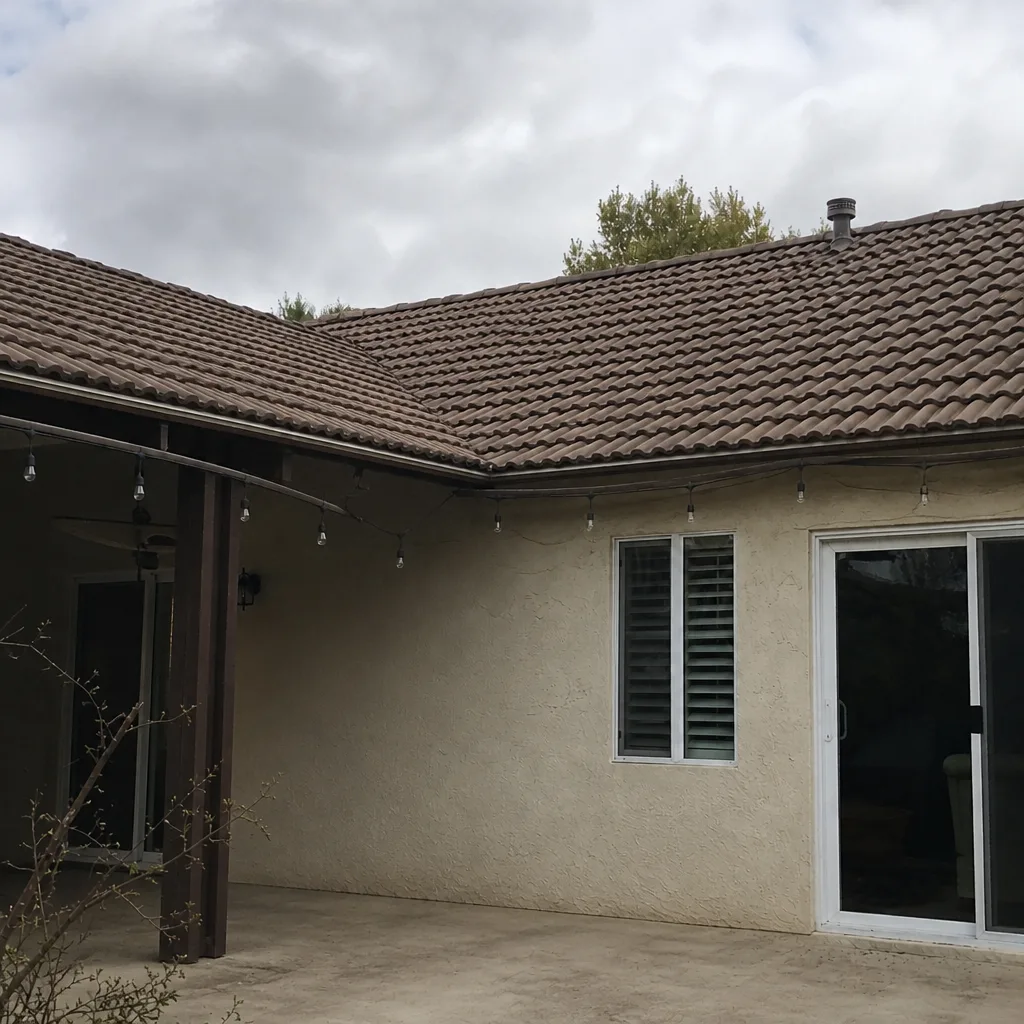 After
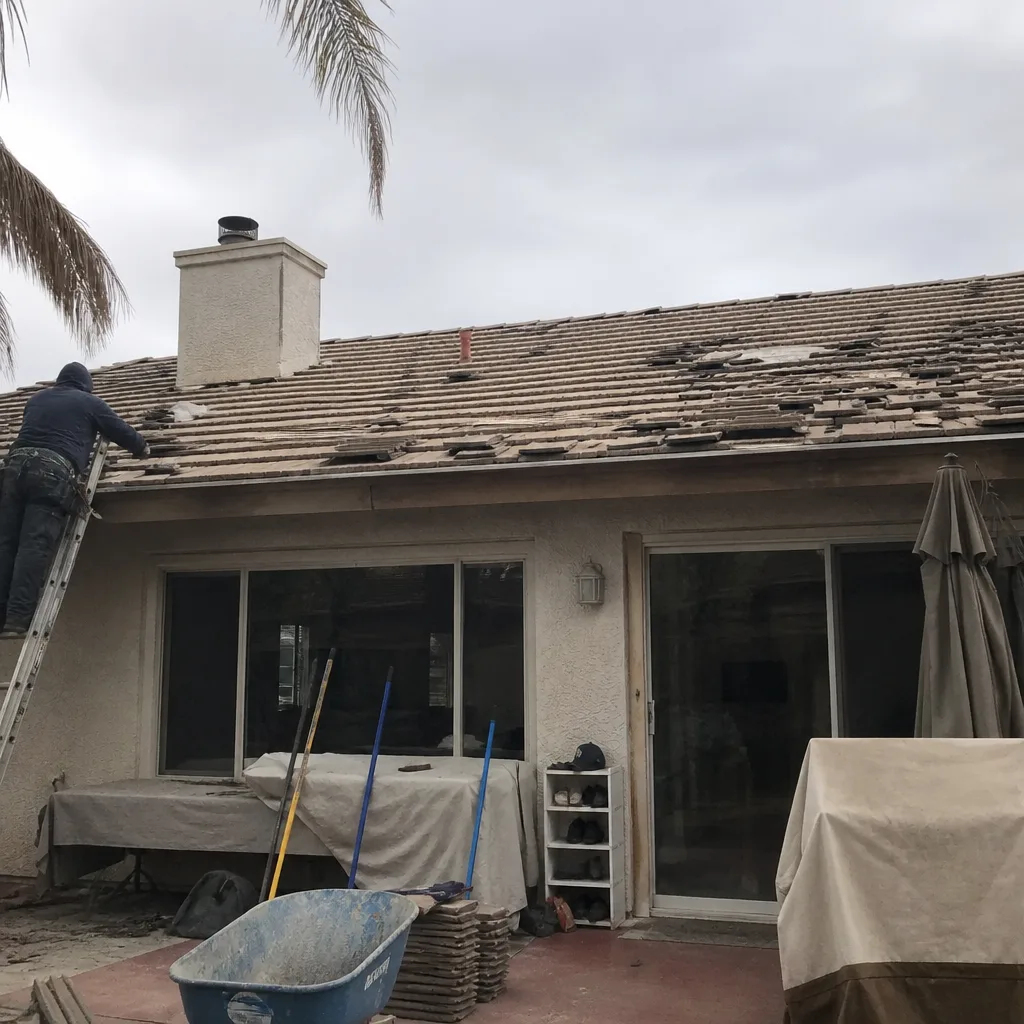 Before
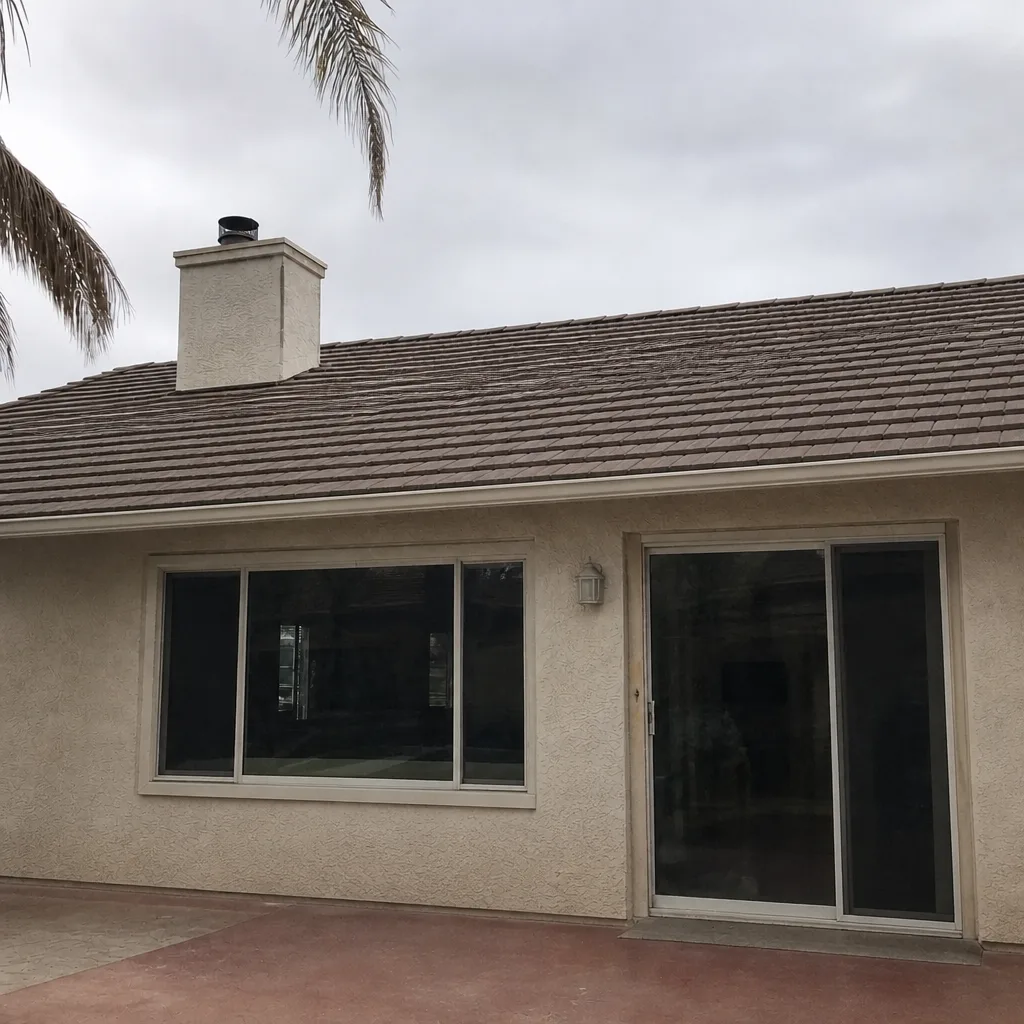 After
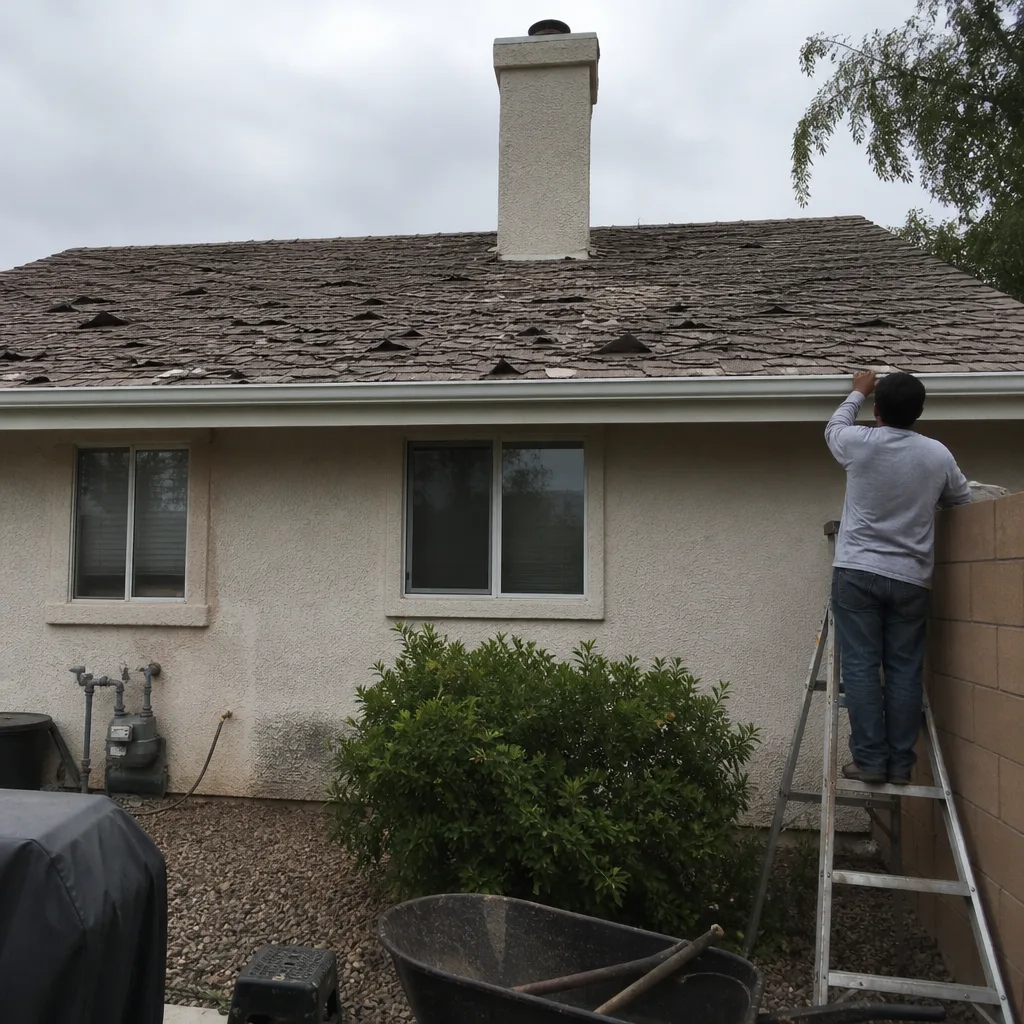 Before
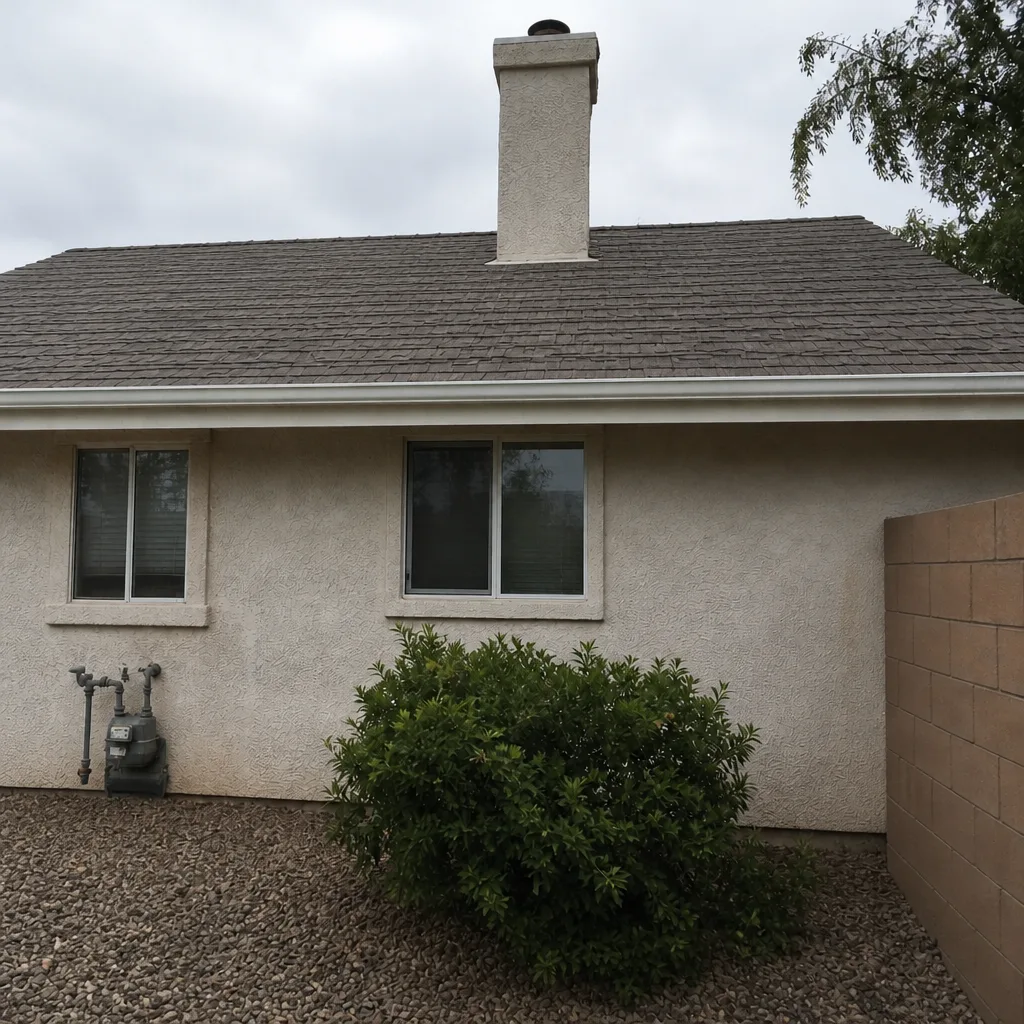 After
When to Call a Professional
Call a roofer when you see water inside the attic or ceiling, when a storm has visibly displaced tile or shingles, when you’re past 5 years on a Summerlin roof and haven’t had a flashing check, or when you’re not comfortable on a ladder. Call when you don’t know what you’re looking at, too; a quick look is cheaper than a wrong decision. On a brand-new installation, call with the same urgency in the first 12 months as you would on an old roof, because the workmanship window is open and closing. Shepherd & Sons Roofing Summerlin is locally owned and owner-operated with a published address and license number, and every roofing job carries the written 90-Day Done Right Promise. Free estimates and a free second opinion on any written estimate; call (844) 951-4545.
Frequently Asked Questions
Yes. Maintenance on a new roof is more important than on an old one, because the first year is when installation defects show up and when your workmanship warranty is still open. Do the 30-day walk, register the warranty cards, and call the contractor with any issue before the first monsoon season.
Workmanship warranty terms are commonly 1 to 2 years, compared to material warranties of 20 to 30 years. Get the actual term in writing on your invoice the day the job is done. Ask the contractor directly before you sign. Call (844) 951-4545 for a second opinion on any written estimate, free.
Every 5 years at minimum, and sooner in Summerlin because the sun degrades sealant faster than in cooler climates. Inspect after any significant wind event. Flashing is the top source of leaks, and the fix is usually small.
Yes, some granule loss is normal in the first weeks after installation. Widespread bald patches on the shingles are not normal and are worth a warranty call. A quick photo and a call to the contractor clears it up.
Material warranty covers the shingle or tile itself and is administered by the manufacturer. Workmanship warranty covers installation and is administered by the contractor. A leak in the first year is almost always a workmanship call, not a material claim.
Yes. We’ll look at any written estimate, at no charge, before you sign. Call (844) 951-4545 and we’ll come out to Summerlin. The name on the truck is the name on the license, and it’s been the same since 1996.
The Bottom Line
Your maintenance schedule after a new roof is shorter than people think, but it’s front-loaded. The 30-day walk, the photo log, the warranty registration, and the 5-year flashing check are what protect the warranty you paid for. Everything after that is quick from-the-ground checking after storms. Concrete tile, TPO, and architectural shingle each fail in different places, and knowing yours is half the job. Keep the folder, run the seven-line schedule, and call when something changes. Shepherd & Sons Roofing Summerlin, same address since 1996, same name on the truck; for a Shepherd & Sons Roofing Summerlin home page and a look around, call (844) 951-4545 for a free estimate.
Written by the team at Shepherd & Sons Roofing Summerlin.